

 HILFE
HILFE


VERIFIZIERTE BEWERTUNGEN


Wissenswertes zum Mietwagen mit Enterprise in Calgary
Beste Mietwagen-Angebote

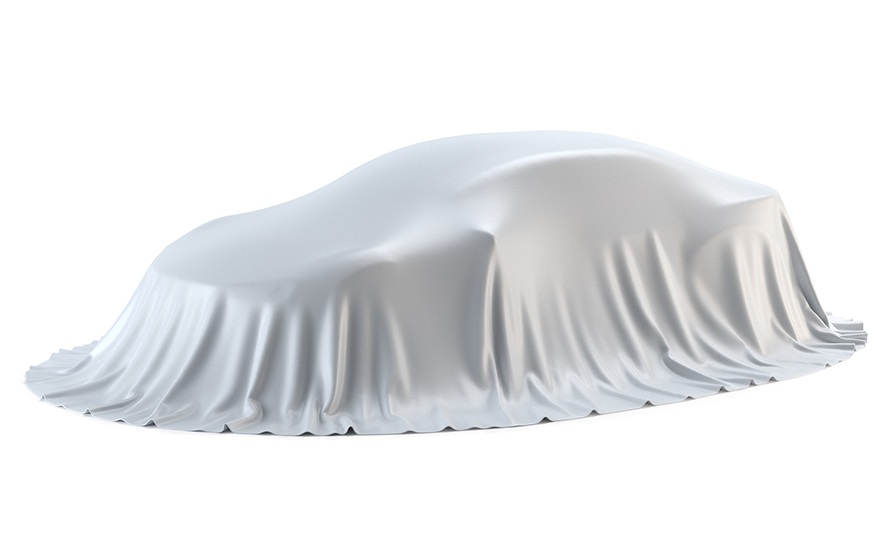
NISSAN KICKS OR SIMILAR | Automatik
KLEINoder Klein ähnlich
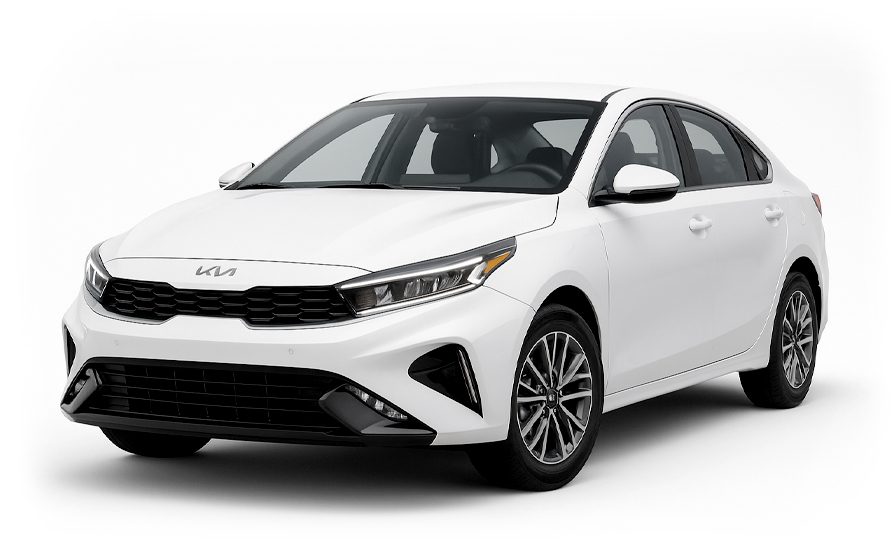
Kia Forte | Automatik
LIMOUSINEoder Limousine ähnlich
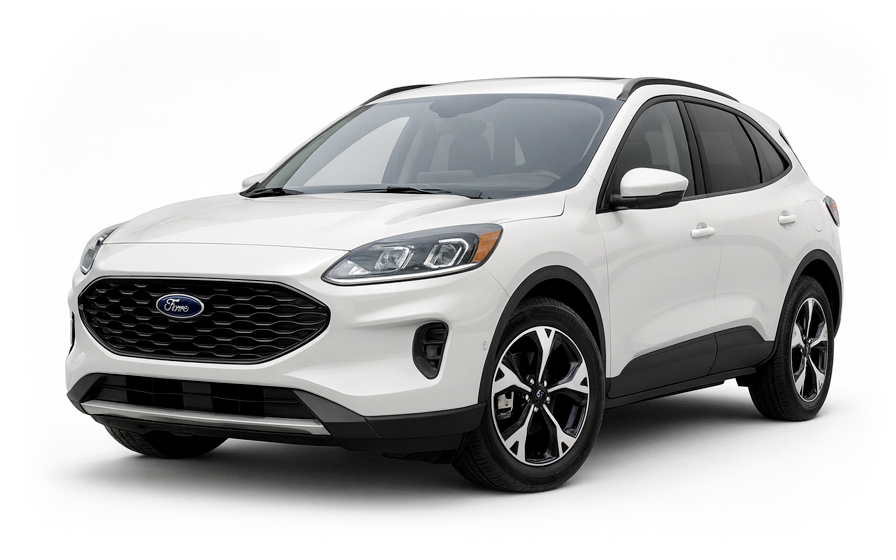
Ford Escape | Automatik
SUVoder SUV ähnlich
Häufig gestellte Fragen
Was beinhaltet meine Hola Car Rentals Buchung mit Enterprise in Calgary, das andere Unternehmen nicht bieten?
Hola Car Rentals ist ein Premium-Partner der führenden Mietwagenanbieter in Calgary und bietet Ihnen exklusiven Zugang zu unserem All Inclusive+-Tarif. Dieser Tarif umfasst zusätzliche Leistungen, die kein anderes Unternehmen bieten kann:
- Vollständige Fahrzeugabdeckung ohne Selbstbeteiligung (gilt nur für bestimmte Tarife und Reiserouten)
- Mauterstattung: Erhalten Sie bis zu 5 % des Gesamtbuchungswerts für während Ihrer Miete anfallende Mautgebühren zurück
- Premium-Reisemedizinische Assistance für bis zu 5 Passagiere im Notfall mit einer Deckungssumme von bis zu CAD 200.000 (Vorerkrankungen ausgeschlossen)
- No Extra Charges©-Garantie: Wenn der Schalter Ihnen etwas in Rechnung stellt, das nicht in Ihrer Buchungsbestätigung aufgeführt ist und kein optionales Extra ist, das Sie akzeptiert haben, wird Hola Car Rentals daran arbeiten, den Betrag nach Prüfung zu stornieren oder zu erstatten
Alles ohne zusätzliche Kosten – für ein einzigartiges Mietwagenerlebnis mit vollständigem Schutz und Sorglosigkeit während Ihrer Reise in Calgary.
Muss ich am Enterprise-Schalter in Calgary unerwartete Gebühren zahlen, wenn ich über Hola Car Rentals buche?
Nein. Bei Hola Car Rentals werden alle Kosten und Gebühren für Ihre Buchung in Calgary zum Zeitpunkt der Reservierung und in Ihrer Bestätigungs-E-Mail klar ausgewiesen, sodass Sie genau wissen, was Sie zahlen, bevor Sie am Schalter ankommen.
Darüber hinaus beinhaltet jede Hola Car Rentals Buchung die Garantie No Extra Charges©. Dabei handelt es sich um eine Preisgarantie (keine Versicherung), die Sie schützt, wenn der Schalter in Calgary Ihnen etwas berechnet, das nicht in Ihrer Bestätigung aufgeführt war und kein optionales Zusatzangebot war, das Sie angenommen haben. Sollte das passieren, wird Hola Car Rentals mit dem Mietpartner zusammenarbeiten, um die Gebühr nach Prüfung zu entfernen oder zu erstatten.
Die einzigen Kosten, die nicht von dieser Garantie abgedeckt sind:
- Optionale Zusatzausstattungen, die Sie am Schalter wählen (GPS, Kindersitze, Vorausbezahlung von Kraftstoff)
- Nutzungsabhängige Gebühren (Mautgebühren, Kraftstofffehlbetrag, Verkehrsstrafen)
Wo befindet sich der Enterprise-Schalter am Calgary International Airport (YYC)?
Der Enterprise-Schalter am Calgary International Airport befindet sich in der Mietwagenstation direkt gegenüber der Gepäckausgabe im Erdgeschoss. Es ist kein Shuttle oder Zug erforderlich, da die Einrichtung auf dem Flughafengelände liegt und nach der Gepäckabholung in wenigen Minuten zu Fuß erreichbar ist.
Nach Ihrer Landung am YYC folgen Sie den Schildern zur Mietwagenstation. Gehen Sie zum Enterprise-Schalter im Erdgeschoss, wo ein Mitarbeiter Ihren Mietvertrag abschließt und Ihnen die Schlüssel übergibt. Vom Aussteigen aus dem Flugzeug bis zum Losfahren dauert es in der Regel 20 bis 45 Minuten, inklusive Gepäckausgabe, Fußweg zum Schalter, Papierkram und Fahrzeuginspektion auf dem Gelände.
Der Enterprise-Schalter am Calgary Airport ist täglich von 7:30 Uhr bis 23:59 Uhr geöffnet. Wenn Ihr Flug außerhalb dieser Zeiten landet, klären Sie bitte vor Ihrer Reise die After-Hours-Arrangements direkt mit Enterprise.
Wie sind die Öffnungszeiten der Enterprise-Filialen im Stadtzentrum von Calgary?
Enterprise betreibt im Calgary-Stadtzentrum Filialen neben der Flughafenstation. Die Öffnungszeiten dieser Stadtteilfilialen sind kürzer als am Flughafen, planen Sie also Ihre Abholung und Rückgabe entsprechend.
- West Downtown (1036 9 Avenue SW): Montag bis Freitag 8:00 Uhr bis 17:00 Uhr, Samstag 9:00 Uhr bis 12:00 Uhr, Sonntag 9:00 Uhr bis 12:00 Uhr
- South Downtown (129 17 Avenue SE): Montag bis Freitag 8:00 Uhr bis 17:00 Uhr, Samstag 9:00 Uhr bis 12:00 Uhr, Sonntag geschlossen
Im Gegensatz zum Flughafenstandort in Calgary haben diese Enterprise-Filialen keine verlängerten Abendöffnungszeiten. Wenn Ihre Reise einen frühen Abflug oder eine späte Ankunft beinhaltet, ist der Schalter am YYC (täglich geöffnet von 7:30 Uhr bis 23:59 Uhr) die praktischere Option. Überprüfen Sie stets die aktuellen Öffnungszeiten bei Enterprise vor Ihrem Mietdatum, da diese an Feiertagen variieren können.
Gibt es Mautstraßen, bei denen ich in Calgary bei der Fahrt mit einem Enterprise-Mietwagen aufpassen muss?
Nein, in der Provinz Alberta gibt es keine Mautstraßen, auch nicht in Calgary oder auf den umliegenden Autobahnen. Enterprise-Mietwagenfahrer in Calgary werden keine Mautstellen, cashless Mautspuren, Transponderpflichten oder Staugebühren begegnen.
Es gibt keine Systeme wie E-ZPass, SunPass oder Londons ULEZ in Alberta. Alle Provinzstraßen, einschließlich wichtiger Routen wie Deerfoot Trail und Highway 1, sind vollständig mautfrei. Bei Ihrer Rückgabe in Calgary fallen keine Mautgebühren an, die von Enterprise berechnet werden.
Wenn Ihre Reise über Alberta hinaus in andere Provinzen führt, die Mautstraßen haben, wie z.B. Ontario's Highway 407 (407 ETR), können dort Mautgebühren anfallen. In solchen Fällen kann Enterprise die entsprechenden Mautgebühren und Verwaltungsgebühren nach der Anmietung auf Ihre Kreditkarte belasten. Bewahren Sie Quittungen für Mautzahlungen außerhalb Albertas auf, da Sie möglicherweise Anspruch auf die Hola Car Rentals Tolls Cashback-Vorteil haben.
Kann ich bei meinen Mautzahlungen während der Enterprise-Mietzeit in Calgary Cashback erhalten?
Ja, Hola Car Rentals bietet Tolls Cashback bei allen Buchungen, inklusive Enterprise-Mietwagen in Calgary, und Sie können bis zu 5 % des Gesamtbuchungswertes für während der Mietzeit gezahlte Mautgebühren zurückfordern.
Da Alberta keine Mautstraßen hat, entstehen bei den meisten Calgary-basierten Enterprise-Mietwagen keine Mautkosten innerhalb der Provinz. Wenn Ihre Reise jedoch in andere kanadische Provinzen führt, in denen Mautstraßen existieren, wie z.B. Ontario's 407 ETR, sind alle während der Mietzeit gezahlten Mautgebühren für den Cashback-Anspruch berechtigt.
So fordern Sie Ihren Cashback nach Rückgabe Ihres Enterprise-Fahrzeugs in Calgary oder anderswo an:
- Senden Sie eine E-Mail an [email protected] innerhalb von 30 Tagen nach Rückgabe des Fahrzeugs
- Verwenden Sie die Betreffzeile: Tolls Cashback, gefolgt von Ihrer Reservierungsbestätigungsnummer
- Fügen Sie Ihre Buchungsbestätigung von Hola Car Rentals, den unterschriebenen Mietvertrag und eine Quittung oder Abrechnung mit den gezahlten Mautgebühren bei
Rückerstattungen werden auf die ursprüngliche Zahlungsmethode verarbeitet und dauern in der Regel 7 bis 10 Werktage nach Genehmigung. Eingaben, die nach 30 Tagen erfolgen, werden nicht akzeptiert.
Welche Dokumente benötige ich, um meinen Enterprise-Mietwagen in Calgary abzuholen?
Beim Abholen Ihres Enterprise-Mietwagens in Calgary müssen Sie folgende physische Dokumente am Schalter vorlegen:
- Ihren originalen, gültigen Führerschein auf den Namen des Hauptfahrers
- Eine gültige Kreditkarte mit dem Namen des Fahrers, die für die Sicherheitskaution verwendet wird
- Reisepass oder amtlich ausgestellte Lichtbildausweis
- Ihren Buchungsnachweis oder gedruckten Voucher
- Hin- und Rückflug- oder Kreuzfahrttickets (erforderlich für Besucher aus dem Ausland)
Wenn Ihr Führerschein nicht auf Englisch ist und kein lateinisches Alphabet verwendet (z.B. Arabisch, Chinesisch, Japanisch oder kyrillisch), ist ein Internationaler Führerschein (IDP) neben Ihrem Originalführerschein Pflicht. Für Führerscheine in Englisch oder mit lateinischem Alphabet ist ein IDP zwar empfohlen, aber an den meisten Enterprise-Standorten in Calgary nicht zwingend erforderlich.
Alle Dokumente müssen Originale in physischer Form sein. Digitale Kopien, die auf einem Telefon oder Tablet gezeigt werden, werden am Enterprise-Schalter nicht akzeptiert. Beantragen Sie Ihren IDP in Ihrem Heimatland vor der Reise, da er im Ausland nicht ausgestellt werden kann.
Welche Kreditkarte und Kaution benötige ich für eine Enterprise-Mietwagen in Calgary?
Ja, bei Enterprise in Calgary ist eine major Kreditkarte im Namen des Hauptfahrers erforderlich, auf der der Name des Fahrers physisch sichtbar ist. Debitkarten, Prepaid-Karten und virtuelle oder nur digitale Wallet-Karten werden für die Sicherheitskaution nicht akzeptiert.
Bei Enterprise-Mietwagen in Kanada beträgt die übliche Sicherheitskaution etwa CA$ 300 bis CA$ 500, in einigen Calgary-Standorten kann jedoch bis zu CA$ 750 autorisiert werden, abhängig von Fahrzeugklasse und Mietdauer. Dies ist eine temporäre Autorisierung, kein Betrag, und reduziert Ihr verfügbares Kreditlimit, bis Enterprise sie nach Rückgabe des Fahrzeugs freigibt. Ihre Bank kann bis zu 15 Werktage benötigen, um die Freigabe zu verarbeiten.
Um Probleme am Enterprise-Schalter in Calgary zu vermeiden:
- Stellen Sie sicher, dass Ihre Karte für In-Store- und Auslandstransaktionen aktiviert ist
- Informieren Sie Ihre Bank vor Abreise über eine Reisebenachrichtigung
- Bringen Sie eine Backup-Kreditkarte in Ihrem Namen mit, falls Ihre primäre Karte abgelehnt wird
- Sorgen Sie für ausreichend verfügbares Kreditlimit, um die Kaution und erwartete Gebühren abzudecken
Auch wenn Sie Ihre Buchung im Voraus bezahlt haben, müssen Sie am Enterprise-Schalter in Calgary eine physische Kreditkarte für die Kautionshinterlegung vorlegen.
Wie funktioniert die Kraftstoffpolitik bei Enterprise-Mietwagen in Calgary?
Enterprise-Mietwagen in Calgary folgen standardmäßig der Full-to-Full-Kraftstoffpolitik. Sie erhalten das Fahrzeug mit vollem Tank und müssen es auch voll zurückgeben, um zusätzliche Gebühren zu vermeiden.
Beim Abholen prüfen Sie den Kraftstoffstand mit dem Enterprise-Mitarbeiter und bestätigen, dass der Startstand im Mietvertrag vermerkt ist. Machen Sie vor Verlassen des Calgary-Geländes ein Foto vom Armaturenbrett, auf dem sowohl Kilometerstand als auch Kraftstoffstand sichtbar sind.
Beim Rückgabe Ihres Enterprise-Fahrzeugs in Calgary tanken Sie innerhalb von etwa 15 Kilometern (10 Meilen) vom Rückgabeort nach, damit der Kraftstoffstand nicht unter voll fällt, bevor Sie ankommen. Bewahren Sie den letzten Tankbeleg mit Datum, Uhrzeit und Tankstellenadresse als Nachweis auf.
Wenn Sie das Fahrzeug unter dem vermerkten Startstand zurückgeben, kann Enterprise folgende Gebühren erheben:
- Eine Kraftstoffmangelgebühr zum Partner-Tankpreis, der in der Regel höher ist als der Einzelhandelspreis an der Zapfsäule
- Eine zusätzliche Gebühr für Nachfüllservice oder Verwaltungsgebühren
Bei Rückgabe außerhalb der Geschäftszeiten am Calgary-Flughafen legen Sie Ihren Tankbeleg in den Rückgabeumschlag und machen ein Foto vom vollen Tank auf Ihrem Handy. Die Verwendung des richtigen Kraftstofftyps ist ebenfalls wichtig, da falscher Kraftstoff nicht durch die Kraftstoffpolitik abgedeckt ist und separate Gebühren verursachen kann.
Kann ich bei meiner Enterprise-Mietwagen in Calgary einen zusätzlichen Fahrer hinzufügen?
Ja, Sie können bei Ihrer Enterprise-Mietwagen in Calgary einen zusätzlichen Fahrer hinzufügen, entweder im Rahmen Ihres Tarifs oder gegen Gebühr am Schalter.
Für Enterprise in Calgary beträgt die Gebühr für einen zusätzlichen Fahrer CA$ 15 pro Tag zuzüglich anfallender Steuern, wenn dieser nicht im Tarif enthalten ist. Überprüfen Sie Ihre Buchungsbestätigung vor Ankunft am Schalter, da einige Tarife einen zusätzlichen Fahrer ohne Extra-Kosten beinhalten.
So fügen Sie einen Fahrer am Enterprise-Schalter in Calgary hinzu:
- Der zusätzliche Fahrer muss bei Abholung mit gültigem Führerschein (und IDP, falls der Führerschein kein lateinisches Alphabet verwendet) anwesend sein
- Sowohl der Hauptfahrer als auch der zusätzliche Fahrer müssen den Mietvertrag unterschreiben
- Stellen Sie sicher, dass der Name des zusätzlichen Fahrers auf Ihrem gedruckten Vertrag erscheint, bevor Sie den Parkplatz verlassen
Nur Fahrer, die im Mietvertrag genannt sind, sind durch Schutzmaßnahmen wie CDW/LDW und Haftpflichtversicherung abgedeckt. Wenn jemand, der nicht im Vertrag genannt ist, das Enterprise-Fahrzeug in Calgary fährt, können diese Schutzmaßnahmen ungültig sein und zusätzliche Gebühren anfallen. Wenn Sie nach der Abholung einen Fahrer hinzufügen möchten, besuchen Sie eine Enterprise-Filiale in Calgary, um die Vereinbarung persönlich zu aktualisieren.
Deckt die Reisehilfe ab, wenn während meiner Enterprise-Mietzeit in Calgary etwas schiefgeht?
Die meisten Buchungen bei Hola Car Rentals, einschließlich Enterprise-Mietwagen in Calgary, beinhalten Reisehilfe durch Terrawind Global Protection. Dieser Vorteil gilt jedoch nicht für Kunden, die in Kanada oder den USA ansässig sind.
Für berechtigte Kunden umfasst der Schutz in der Regel:
- Reiseversicherung mit medizinischer Deckung für bis zu 5 Passagiere
- Rechtshilfe im Falle eines Unfalls
- Entschädigung bei verlorenem Gepäck durch die Fluggesellschaft
- Versicherung bei Flugstornierungen
Wenn Sie während Ihrer Enterprise-Mietzeit in Calgary Unterstützung benötigen, z.B. nach einem Autobahnunfall oder bei medizinischen Problemen während der Fahrt in Alberta, kontaktieren Sie die Terrawind-Hilfe vor der Kostenerstattung, da einige Erstattungen eine vorherige Genehmigung erfordern:
- Telefon (24/7, gebührenfrei oder gebührenpflichtig): +1 888 980 9992
- WhatsApp: +1 208 910 1001
- E-Mail: [email protected]
Halten Sie bei Anruf Ihren vollständigen Namen, Ihre Hola Car Rentals-Buchungsnummer, Ihren aktuellen Standort und eine kurze Beschreibung der Situation bereit. Überprüfen Sie Ihre Buchungsbestätigung auf die genauen Bedingungen und Grenzen des Schutzes, die für Ihre Reservierung gelten.
Welche Versicherungsoptionen sind bei einer Enterprise-Mietwagen in Calgary enthalten?
Enterprise-Mietwagen in Calgary, gebucht über Hola Car Rentals, beinhalten in der Regel Collision Damage Waiver (CDW) oder Loss Damage Waiver (LDW), die Ihre finanzielle Haftung bei Schäden am Mietfahrzeug durch Kollision, Diebstahl oder Vandalismus verringern. Es kann eine Selbstbeteiligung anfallen, es sei denn, Ihre Buchungsbestätigung gibt ausdrücklich null Selbstbeteiligung an.
Für die Haftpflichtversicherung nach dritter Partei ist in Kanada gesetzlich vorgeschrieben, dass jedes Mietfahrzeug mindestens eine Mindestdeckung aufweist. Diese gesetzliche Absicherung ist bei der Anmietung bei Enterprise in Calgary automatisch enthalten. Sie können höhere Zusatzhaftpflichtgrenzen (LIS/ALI/SLI) erwerben, wenn Sie zusätzlichen Schutz gegen Ansprüche Dritter wünschen.
Wichtige Punkte, die Sie am Enterprise-Schalter in Calgary überprüfen sollten:
- Stellen Sie sicher, dass CDW/LDW auf Ihrem Mietvertrag aktiv ist und notieren Sie die Selbstbeteiligung
- Vergewissern Sie sich, dass alle Fahrer im Vertrag aufgeführt sind, da der Schutz nur für namentlich genannte Fahrer gilt
- CDW/LDW deckt keine Reifen, Unterboden, Dach oder persönliche Gegenstände ab
- Verbotene Nutzungen wie Off-Road-Fahrten oder Fahren unter Einfluss von Alkohol oder Drogen führen zum Verlust des Schutzes
Wenn während Ihrer Calgary-Mietzeit ein Vorfall passiert, priorisieren Sie die Sicherheit, kontaktieren Sie bei Bedarf die örtlichen Behörden und informieren Sie sofort Enterprise unter der Nummer auf Ihrem Mietvertrag.
Kann ich ein Enterprise-Fahrzeug in Calgary abholen und in einer anderen Stadt zurückgeben?
Ja, One-Way-Mietwagen sind bei Enterprise in Calgary möglich, allerdings kann eine Rückgabegebühr anfallen, abhängig von Route und Zielort.
Die Rückgabegebühr ist streckenabhängig und variiert je nach beteiligten Städten, Fahrzeugklasse, Saison und Bedarf an Flottenverlagerung. Übliche Muster sind:
- Same-City-Flughafen bis Innenstadt Calgary: oft keine Rückgabegebühr
- Calgary in eine andere Stadt in Alberta: in der Regel fällt eine Rückgabegebühr an, die sich nach Entfernung richtet
- Calgary in eine Stadt in einer anderen Provinz: meist fällt eine Rückgabegebühr an, die höher sein kann; grenzüberschreitende One-Ways in die USA sind möglicherweise eingeschränkt oder erfordern vorherige Genehmigung durch Enterprise
Während des Buchungsvorgangs erscheint die Rückgabegebühr für Ihre Route auf der Seite mit den Tarifdetails unter dem Abschnitt „Gebühren bei Zielort“. Überprüfen Sie dies vor Bestätigung Ihrer Reservierung. Die Gebühr kann nicht im Voraus bezahlt werden und wird direkt bei der Abholung in Calgary beglichen.
Wenn Sie nach der Buchung Ihren Rückgabeort ändern möchten, kontaktieren Sie den Support umgehend, da Routenänderungen den Mietpreis neu berechnen und eine Rückgabegebühr hinzufügen oder anpassen können.
Wie gebe ich meinen Enterprise-Mietwagen am Calgary Airport nach Geschäftsschluss zurück?
Der Enterprise-Schalter am Calgary International Airport (YYC) ist täglich bis 23:59 Uhr geöffnet, was die meisten späten Flüge abdeckt. Wenn Ihre Rückgabe außerhalb der Geschäftszeiten liegt, folgen Sie den Anweisungen für die Rückgabe nach Geschäftsschluss, die in Ihrem Mietvertrag oder auf Ihrer Buchungsbestätigung angegeben sind.
Allgemeine Schritte für die Rückgabe Ihres Enterprise-Fahrzeugs am Calgary-Flughafen nach Geschäftsschluss:
- Betanken Sie das Fahrzeug vor Ankunft am Flughafen, innerhalb von etwa 10 bis 15 Kilometern vom Rückgabeort, und bewahren Sie den Tankbeleg auf
- Geben Sie das Fahrzeug auf dem vorgesehenen Enterprise-Gelände am 2000 Airport Road NE ab, folgen Sie den Schildern vom Flughafenzufahrtsnetz
- Führen Sie eine Fahrzeuginspektion durch und notieren Sie etwaige Schäden
- Nutzen Sie die Schlüsselbox, falls vorhanden, und legen Sie Schlüssel sowie erforderliche Unterlagen in den bereitgestellten Umschlag
- Machen Sie ein Foto vom Kraftstoffstand (voller Tank) und vom Kilometerstand, bevor Sie das Fahrzeug verlassen
Beachten Sie, dass die Haftung für das Fahrzeug bis zur formellen Rückmeldung durch Enterprise während der Geschäftszeiten bestehen bleibt. Wenn Sie Fragen zu den After-Hours-Verfahren am Calgary-Standort haben, klären Sie den Ablauf direkt mit Enterprise vor Ihrer Rückgabe.
Was ist die Stornierungsrichtlinie für Enterprise-Mietwagen in Calgary?
Die Stornierungsrichtlinie für Enterprise-Mietwagen in Calgary unterscheidet sich von anderen Vermietpartnern. Da Enterprise zur Alamo/National/Enterprise-Familie gehört, gilt ein 48-Stunden-Storno-Fenster.
Wichtige Punkte zur Stornierung einer Enterprise-Buchung in Calgary:
- Stornierungen, die mehr als 48 Stunden vor dem geplanten Abholzeitpunkt erfolgen, sind in der Regel vollständig erstattungsfähig
- Stornierungen innerhalb von 48 Stunden vor dem Abholtermin können eine Stornogebühr nach sich ziehen
- No-Shows (Nichtabholung ohne Stornierung) führen in der Regel zu keiner Rückerstattung
Um Ihre Enterprise-Reservierung in Calgary zu stornieren oder zu ändern, nutzen Sie die Option „Buchung verwalten“ in Ihrer Buchungsbestätigungs-E-Mail oder kontaktieren Sie den Support von Hola Car Rentals. Wenn Sie nur das Abholdatum oder die -zeit ändern möchten, beachten Sie, dass sich der Mietpreis je nach Verfügbarkeit und aktuellen Tarifen ändern kann.
Wenn Ihr Flug nach Calgary um weniger als 24 Stunden verspätet ist, hält Enterprise Ihre Reservierung. Bei Verspätungen über 24 Stunden kontaktieren Sie den Support so bald wie möglich per WhatsApp unter +1 (786) 999-8312 oder per E-Mail an [email protected], da Änderungen in solchen Fällen nicht garantiert werden können.

- Wenn du dich für eine Auswahl entscheidest, wird die Seite komplett aktualisiert.
- Wird in einem neuen Fenster geöffnet.
Vorgeschlagene Währungen
- $ USD - United States Dollar
- € EUR - Euro
Land
Andere Länder
-
 Ägypten
-
 Äquatorialguinea
-
 Äthiopien
-
 Albanien
-
 Algerien
-
 Andorra
-
 Angola
-
 Antigua und Barbuda
-
 Argentinien
-
 Australien
-
 Bahamas
-
 Bahrain
-
 Bangladesch
-
 Barbados
-
 Belgien
-
 Belize
-
 Benin
Benin
-
 Bermuda
-
 Bolivien
-
 Bosnien und Herzegowina
-
 Botsuana
-
 Brasilien
-
 Britische Jungferninseln
-
 Bulgarien
-
 Burkina Faso
-
 Burundi
-
 Cabo Verde
-
 Chile
Chile
-
 Costa Rica
-
 Côte d’Ivoire
-
 Curaçao
-
 Dänemark
-
 Deutschland
-
 Dominica
-
 Dominikanische Republik
-
 Dschibuti
-
 Ecuador
-
 El Salvador
-
 Eritrea
-
 Estland
-
 Eswatini
-
 Finnland
-
 Frankreich
-
 Gabun
Gabun
-
 Gambia
-
 Ghana
Ghana
-
 Grenada
-
 Griechenland
-
 Guatemala
-
 Guinea
-
 Guinea-Bissau
-
 Guyana
-
 Haiti
Haiti
-
 Honduras
-
 Indien
-
 Irak
Irak
-
 Irland
-
 Island
-
 Israel
-
 Italien
-
 Jamaika
-
 Japan
Japan
-
 Jemen
Jemen
-
 Jordanien
-
 Kaimaninseln
-
 Kamerun
-
 Kanada
-
 Katar
Katar
-
 Kenia
Kenia
-
 Kolumbien
-
 Komoren
-
 Kongo-Brazzaville
-
 Kongo-Kinshasa
-
 Kroatien
-
 Kuwait
-
 Lesotho
-
 Lettland
-
 Libanon
-
 Liberia
-
 Libyen
-
 Liechtenstein
-
 Litauen
-
 Luxemburg
-
 Madagaskar
-
 Malawi
-
 Mali
Mali
-
 Malta
Malta
-
 Marokko
-
 Mauretanien
-
 Mauritius
-
 Mexiko
-
 Monaco
-
 Montenegro
-
 Mosambik
-
 Namibia
-
 Neuseeland
-
 Nicaragua
-
 Niederlande
-
 Niger
Niger
-
 Nigeria
-
 Norwegen
-
 Österreich
-
 Oman
Oman
-
 Palästinensische Autonomiegebiete
-
 Panama
-
 Paraguay
-
 Peru
Peru
-
 Philippinen
-
 Polen
Polen
-
 Portugal
-
 Republik Moldau
-
 Ruanda
-
 Rumänien
-
 Russland
-
 Sambia
-
 San Marino
-
 São Tomé und Príncipe
-
 Saudi-Arabien
-
 Schweden
-
 Schweiz
-
 Senegal
-
 Serbien
-
 Seychellen
-
 Sierra Leone
-
 Simbabwe
-
 Singapur
-
 Sint Maarten
-
 Slowakei
-
 Slowenien
-
 Somalia
-
 Sonderverwaltungsregion Hongkong
-
 Spanien
-
 St. Lucia
-
 St. Vincent und die Grenadinen
-
 Sudan
Sudan
-
 Südafrika
-
 Südkorea
-
 Südsudan
-
 Taiwan
-
 Tansania
-
 Togo
Togo
-
 Trinidad und Tobago
-
 Tschad
-
 Tschechien
-
 Türkei
-
 Tunesien
-
 Turks- und Caicosinseln
-
 Uganda
-
 Ukraine
-
 Ungarn
-
 Uruguay
-
 Vatikanstadt
-
 Venezuela
-
 Vereinigte Arabische Emirate
-
 Vereinigte Staaten
-
 Vereinigtes Königreich
-
 Zentralafrikanische Republik
-
 Zypern
Führerschein aus:
-
Ägypten
-
Äquatorialguinea
-
Äthiopien
-
Albanien
-
Algerien
-
Andorra
-
Angola
-
Antigua und Barbuda
-
Argentinien
-
Australien
-
Bahamas
-
Bahrain
-
Bangladesch
-
Barbados
-
Belgien
-
Belize
-
Benin
-
Bermuda
-
Bolivien
-
Bosnien und Herzegowina
-
Botsuana
-
Brasilien
-
Britische Jungferninseln
-
Bulgarien
-
Burkina Faso
-
Burundi
-
Cabo Verde
-
Chile
-
Costa Rica
-
Côte d’Ivoire
-
Curaçao
-
Dänemark
-
Deutschland
-
Dominica
-
Dominikanische Republik
-
Dschibuti
-
Ecuador
-
El Salvador
-
Eritrea
-
Estland
-
Eswatini
-
Finnland
-
Frankreich
-
Gabun
-
Gambia
-
Ghana
-
Grenada
-
Griechenland
-
Guatemala
-
Guinea
-
Guinea-Bissau
-
Guyana
-
Haiti
-
Honduras
-
Indien
-
Irak
-
Irland
-
Island
-
Israel
-
Italien
-
Jamaika
-
Japan
-
Jemen
-
Jordanien
-
Kaimaninseln
-
Kamerun
-
Kanada
-
Katar
-
Kenia
-
Kolumbien
-
Komoren
-
Kongo-Brazzaville
-
Kongo-Kinshasa
-
Kroatien
-
Kuwait
-
Lesotho
-
Lettland
-
Libanon
-
Liberia
-
Libyen
-
Liechtenstein
-
Litauen
-
Luxemburg
-
Madagaskar
-
Malawi
-
Mali
-
Malta
-
Marokko
-
Mauretanien
-
Mauritius
-
Mexiko
-
Monaco
-
Montenegro
-
Mosambik
-
Namibia
-
Neuseeland
-
Nicaragua
-
Niederlande
-
Niger
-
Nigeria
-
Norwegen
-
Österreich
-
Oman
-
Palästinensische Autonomiegebiete
-
Panama
-
Paraguay
-
Peru
-
Philippinen
-
Polen
-
Portugal
-
Republik Moldau
-
Ruanda
-
Rumänien
-
Russland
-
Sambia
-
San Marino
-
São Tomé und Príncipe
-
Saudi-Arabien
-
Schweden
-
Schweiz
-
Senegal
-
Serbien
-
Seychellen
-
Sierra Leone
-
Simbabwe
-
Singapur
-
Sint Maarten
-
Slowakei
-
Slowenien
-
Somalia
-
Sonderverwaltungsregion Hongkong
-
Spanien
-
St. Lucia
-
St. Vincent und die Grenadinen
-
Sudan
-
Südafrika
-
Südkorea
-
Südsudan
-
Taiwan
-
Tansania
-
Togo
-
Trinidad und Tobago
-
Tschad
-
Tschechien
-
Türkei
-
Tunesien
-
Turks- und Caicosinseln
-
Uganda
-
Ukraine
-
Ungarn
-
Uruguay
-
Vatikanstadt
-
Venezuela
-
Vereinigte Arabische Emirate
-
Vereinigte Staaten
-
Vereinigtes Königreich
-
Zentralafrikanische Republik
-
Zypern