

 HELP
HELP


VERIFIED REVIEWS


About renting an SUV in Baltimore
Best Car Rental Deals

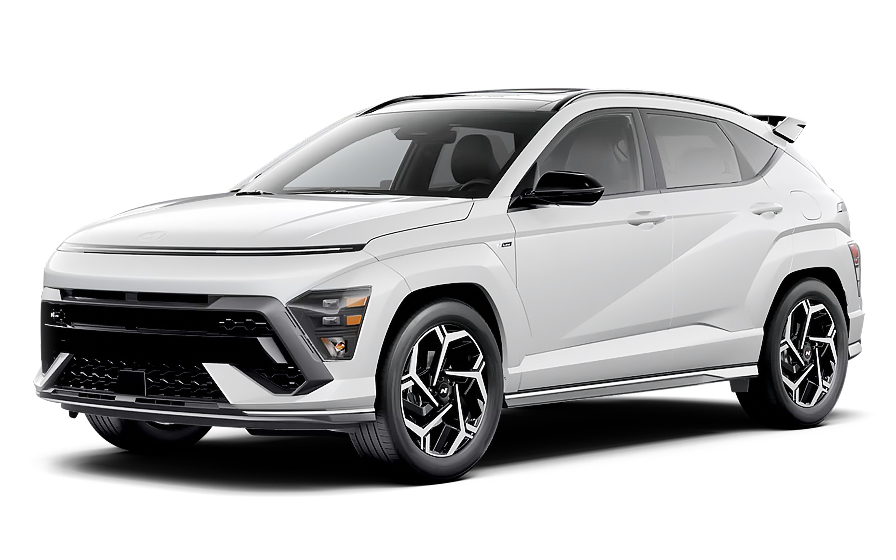
Hyundai Kona | Automatic
SUVor SUV similar
Traveler Tips & Price Insights
When is the best time to book a rental car in Baltimore?
You should book your rental car approximately 7 days before your trip to get a below-average price.
Price Trend (Last 90 Days)
What is the most popular rental car type in Baltimore?
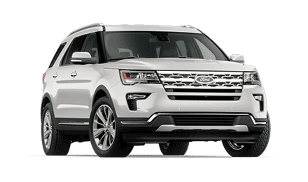
suv rental cars (suv or similar) are the most popular option in Baltimore.
Popular Car Types
Which is the cheapest car rental agency in Baltimore?
In the last 72 hours, the cheapest rental cars were from Hertz at /day.
Average Price by Rental Company

Frequently Asked Questions
What does my SUV rental in Baltimore through Hola Car Rentals include that other companies don't offer?
Hola Car Rentals is the only premium partner of the top car rental brands operating in Baltimore, giving you exclusive access to our All Inclusive+ rate. This rate includes benefits that no other company can match, even when renting an SUV:
- Free liability coverage starting at US$ 300,000 in case of an accident (applies only to certain rates and itineraries)
- Toll cashback: recover up to 5% of the reservation's total value for toll charges incurred during your rental period
- Premium travel medical assistance providing up to US$ 150,000 in coverage for a maximum of 5 passengers in case of a medical emergency, excluding pre-existing conditions
- No Extra Charges© guarantee: if the counter charges you for something not listed on your confirmation and not an optional add-on you accepted, Hola Car Rentals will work to remove or reimburse the charge after verification
All of this comes at no extra cost, ensuring a fully protected SUV rental experience and peace of mind throughout your trip in Baltimore.
Will I face unexpected charges when I rent an SUV in Baltimore through Hola Car Rentals?
No. With Hola Car Rentals, all costs and charges for your SUV booking in Baltimore are clearly shown at the time of reservation and in your confirmation email, so you know exactly what you are paying before you arrive at the counter.
On top of that, every Hola Car Rentals booking includes the No Extra Charges© guarantee, whether you are renting an SUV or any other vehicle class. This is a pricing guarantee (not insurance) that protects you if the counter in Baltimore charges you for something that was not listed on your confirmation and was not an optional add-on you accepted. If that happens, Hola Car Rentals will work with the rental partner to remove or reimburse the charge after verification.
The only costs outside this guarantee are:
- Optional add-ons you choose at the counter (GPS, child seats, prepaid fuel)
- Usage-based charges (tolls, fuel shortfall, traffic fines)
Where do I pick up my SUV rental at Baltimore BWI Airport?
Your SUV rental at Baltimore BWI Airport is not picked up inside the terminal. All rental brands operate from the Consolidated Rental Car Facility (ConRAC), located at 7432 New Ridge Road, Hanover, MD 21076, at the corner of Stoney Run Road and New Ridge Road.
To get there after landing, follow these steps:
- Collect your luggage at baggage claim on the lower level of the terminal
- Exit through the doors in area B of the lower level to reach the shared rental car shuttle bus stop
- Shuttle stops are at the inner curb of the Arrivals/Lower Level at Doors 1, 11, and 16
- The shuttle runs every 5 to 10 minutes during standard hours, and approximately every 25 minutes between 1 AM and 5 AM
The ConRAC facility and shuttle service operate 24 hours a day, 7 days a week. However, individual rental brand counters have their own hours, so verify your brand's counter hours before arriving late at night or in the early morning.
How do I return my SUV rental at Baltimore BWI Airport?
To return your SUV rental at Baltimore BWI Airport, drive to the ConRAC drop-off zone at 7432 New Ridge Road, Hanover, MD 21076. After leaving the vehicle, take the shuttle bus from the first available stop back to the terminal.
If you are returning outside of counter hours, the process is slightly different:
- Leave your keys inside the SUV with the doors unlocked
- Remove all personal belongings before walking away
- An electronic receipt will be sent to you once the vehicle is checked in by staff
Before returning your Baltimore SUV rental, refuel within approximately 10 miles of the ConRAC facility to comply with the Full-to-Full fuel policy. Returning the SUV below the recorded fuel level may result in a refueling charge at the partner's rate, which is typically higher than retail pump prices, plus an administrative service fee.
Are there toll roads near Baltimore that affect my SUV rental?
Yes, Baltimore has several toll roads that will affect your SUV rental, and Maryland operates a primarily cashless toll system.
Key tolled facilities near Baltimore include:
- Fort McHenry Tunnel (I-95): US$3 to US$6 for standard vehicles
- Baltimore Harbor Thruway Tunnel (I-895): US$3 to US$6
- John F. Kennedy Memorial Highway (I-95 north): US$6 to US$12
- Governor Harry W. Nice Memorial Bridge (US-301): US$4.50 to US$9
- William Preston Lane Jr. Memorial (Bay) Bridge: US$2.50 with E-ZPass
Payment options include E-ZPass (discounted rates), Pay-by-Plate (license plate capture with a mailed invoice, which includes administrative fees), and Video Toll billing. Cash is available at only a limited number of plazas.
Your Baltimore SUV rental will come with an electronic toll device. At the counter you can enroll in the rental company's toll program, such as National's TollPass or Avis E-Toll, typically at US$4.95 per day with a rental-period cap of US$34.65 plus actual tolls. If you do not enroll, tolls will be billed to your credit card after the rental ends, along with administrative processing fees.
Maryland has no congestion charges or emissions zones.
Can I get cashback on tolls paid during my SUV rental in Baltimore?
Yes, all bookings include Tolls Cashback, which reimburses up to 5% of your total booking value for tolls paid during your Baltimore SUV rental.
This is especially useful in Baltimore, where SUV rentals frequently pass through cashless toll facilities such as the Fort McHenry Tunnel (I-95) and the Baltimore Harbor Thruway Tunnel, with tolls ranging from US$3 to US$6 per crossing.
To claim your cashback after returning your Baltimore SUV rental:
- Email [email protected] within 30 days of vehicle return
- Use the subject line: Tolls Cashback - Reservation {Your Confirmation Number}
- Attach your Hola Car Rentals reservation confirmation, the signed rental agreement, and a toll receipt or statement showing charges paid
- Include your full name, travel dates, and the last 4 digits of the card used for the booking
Refunds are issued to the original payment method and typically process within 7 to 10 business days after approval. Late submissions received after 30 days are not accepted. Note that Tolls Cashback reimburses tolls you already paid; it does not mean tolls are included in your booking.
What documents do I need to pick up my SUV rental in Baltimore?
To pick up your SUV rental in Baltimore, you must present the following physical documents at the counter:
- Your original, unexpired driver's license in the main driver's name
- A major credit card with the driver's name printed on the card, in the main driver's name, for the security deposit hold
- A valid passport or government-issued photo ID (for visitors arriving internationally)
- Your booking confirmation or printed voucher
- Round-trip flight or cruise tickets (required for visitors from outside the United States)
If your driver's license uses a non-Latin alphabet, such as Arabic, Chinese, Japanese, or Cyrillic, an International Driving Permit (IDP) is mandatory alongside your original license. For licenses in other non-English scripts, an IDP is strongly recommended. The IDP is a translation only and cannot be used without the original license.
All documents must be physical originals. Digital copies shown on a phone or tablet are not accepted at Baltimore SUV rental counters. Debit and prepaid cards are not accepted for the security deposit hold.
How do speed cameras work in Baltimore for SUV rental drivers?
Baltimore has one of the most extensive automated speed camera networks in the United States, and SUV rental drivers should be aware of how enforcement works before driving in the city.
Key facts about Baltimore speed cameras:
- Speed cameras are concentrated in school zones and operate on weekdays from 6 AM to 8 PM year-round
- Fines apply when you exceed the posted limit by 12 mph or more, with a typical fine of US$40
- Camera locations are frequently rotated within a half-mile radius, so a location that was clear one day may have a camera the next
- Red light cameras operate 24 hours a day, 7 days a week across the city, with a fine of US$75
- Routes such as the JFX (I-83) near Northern Parkway and North Avenue have historically generated a high volume of citations
Fines from speed or red light cameras are typically billed to the rental company and then passed on to you after your Baltimore SUV rental ends, along with an administrative processing fee. These charges can appear on your credit card weeks after you return the vehicle.
What is the security deposit for an SUV rental in Baltimore?
When you pick up your SUV rental in Baltimore, the rental partner will place a temporary authorization hold on your credit card. For standard vehicles in the United States, typical holds range from US$300 to US$400, though the amount for an SUV may be higher depending on the vehicle class, the specific rental brand, and the season.
Important things to know about the deposit hold:
- It is a temporary authorization, not a charge, but it reduces your available credit until released
- Only a physical, major credit card in the main driver's name with the driver's name printed on the card is accepted; debit and prepaid cards are not accepted
- After you return your Baltimore SUV rental, the hold is released, but your bank controls when the funds become available again, which can take up to 15 business days
- Bring a backup credit card in case your primary card is declined
Notify your bank of your travel plans before arriving in Baltimore to prevent the authorization from being flagged as suspicious. The exact hold amount is set by the rental partner at the counter and may differ from the estimates above.
Is there a young driver surcharge for SUV rentals in Baltimore?
Yes, drivers under 25 years old will typically pay a young-driver surcharge when renting an SUV in Baltimore, and certain SUV categories may be restricted entirely for drivers under 25.
Here is how age rules apply to Baltimore SUV rentals:
- Drivers aged 21 to 24 can rent but are subject to a daily young-renter surcharge that varies by rental brand
- Full Size SUVs, Premium SUVs, and similar large vehicle classes are generally restricted to drivers aged 25 and older
- Compact SUVs and Medium SUVs are more likely to be available to drivers aged 21 to 24, subject to the surcharge
- Drivers under 21 cannot rent in Maryland outside of the specific exceptions that apply in New York and Michigan
If you are aged 21 to 24 and from Latin America or the Caribbean, certain Avis and Budget rates in Baltimore may waive the underage fee for eligible vehicle categories. Check your booking confirmation to see if this waiver is shown.
All standard document and credit card requirements still apply regardless of age when picking up your Baltimore SUV rental.
Can I add an additional driver to my SUV rental in Baltimore?
Yes, you can add an additional driver to your SUV rental in Baltimore, either as an included benefit or for a fee paid at the counter, depending on your rate.
Check your booking confirmation for the line that reads "Additional driver free of charge." If it appears, the first additional driver is included at no extra cost. If it does not appear, the following daily fees apply at the Baltimore counter:
- Avis, Budget, and Payless: US$13 per rental day, capped at US$65 (plus taxes)
- Hertz, Thrifty, and Dollar: US$13.50 per rental day, capped at US$189 (plus taxes)
- Alamo, National, and Enterprise: US$15 per day (plus taxes)
The additional driver must be present at the Baltimore SUV rental counter at pickup with a valid driver's license and any required IDP. Both the main driver and the additional driver must sign the rental agreement. Only drivers listed on the agreement are covered by protections such as CDW/LDW. For Avis, Budget, and Payless, additional drivers must generally be at least 25 years old.
Can I rent an SUV in Baltimore and return it in a different city?
Yes, one-way SUV rentals from Baltimore to a different city are possible, but a drop-off fee typically applies and the amount varies by route, rental brand, vehicle class, and season.
How one-way fees work for Baltimore SUV rentals:
- The drop-off fee is shown during the booking process under the "To pay at destination" section on the rate details page
- It is a one-time repositioning charge set by the rental partner, separate from mileage, fuel, and tolls
- Large SUV categories can carry higher one-way fees than smaller vehicle classes
- Cross-border one-ways, such as Baltimore to Canada, may be restricted or require advance approval from the rental partner
If no drop-off fee appears during checkout for your selected Baltimore SUV rental route, no fee applies to that specific route. Changing your return location after booking may reprice the rental and add or increase the fee. Review your confirmation carefully and contact support if the counter charges a fee that was not disclosed during booking.
Does my Baltimore SUV rental include insurance coverage?
Coverage included with your Baltimore SUV rental depends on the rate plan you selected at checkout. Most rates include Collision Damage Waiver (CDW) or Loss Damage Waiver (LDW), which reduces your financial liability for damage to the rental SUV from a collision, theft, or vandalism, subject to any applicable deductible.
What CDW/LDW covers for your Baltimore SUV rental:
- Damage to the rental SUV from a covered collision or incident
- Theft and vandalism up to the limits in the rental agreement
What CDW/LDW does not cover:
- Damage or injury you cause to other people or their property (this requires Third-Party Liability coverage, known as LIS/ALI/SLI)
- Tires, wheels, undercarriage, and roof damage, unless explicitly included
- Incidents involving unauthorized drivers or prohibited use such as off-road driving
Some U.S. states require rental companies to include a minimum level of third-party liability, but this is not guaranteed in Maryland. Review your Baltimore SUV rental confirmation to confirm exactly which protections are included and whether a deductible applies.
Does my Baltimore SUV rental include travel assistance if something goes wrong?
Yes, most bookings include travel assistance through Terrawind Global Protection, which can be valuable if an emergency occurs during your Baltimore SUV rental or while traveling to and from the city.
Core benefits typically included:
- Travel insurance with medical coverage for up to 5 passengers
- Legal assistance in the event of an accident involving your SUV rental
- Compensation for luggage lost by the airline
- Flight cancellation insurance
This coverage does not apply to residents of the United States or Canada. If you are a US or Canadian resident renting an SUV in Baltimore, this benefit is not available to you.
To use travel assistance during your Baltimore SUV rental, contact Terrawind 24 hours a day, 7 days a week:
- Phone (toll-free or collect): +1 888 980 9992
- WhatsApp: +1 208 910 1001
- Email: [email protected]
Have your Hola Car Rentals confirmation number ready when you call. Travel assistance does not cover damage to the rental SUV itself; that is handled by CDW/LDW.
What is the fuel policy for SUV rentals in Baltimore?
SUV rentals in Baltimore follow a Full-to-Full fuel policy. You receive the SUV with a full tank and must return it full to avoid additional charges.
Steps to follow for your Baltimore SUV rental:
- At pickup, check the fuel gauge with the agent and confirm the starting level is recorded on the rental agreement
- Take a photo of the dashboard showing the odometer and fuel gauge
- Refuel within approximately 10 miles of the BWI ConRAC return facility so the tank does not drop below full before you arrive
- Keep your final fuel receipt showing the date, time, and station address
If you return your Baltimore SUV rental below the recorded fuel level, the rental partner may charge you for the fuel shortfall at their own refueling rate, which is typically higher than retail pump prices, plus an administrative service fee.
If the SUV was not full at pickup, ask the agent to record the exact starting level on the rental agreement and return it at that same level. Only the level recorded on the agreement counts.

- Choosing a selection results in a full page refresh.
- Opens in a new window.
Suggested Currencies
- $ USD - United States Dollar
- € EUR - Euro
Other Countries
-
 Albania
-
 Algeria
-
 Andorra
-
 Angola
-
 Antigua & Barbuda
-
 Argentina
-
 Australia
-
 Austria
-
 Bahamas
-
 Bahrain
-
 Bangladesh
-
 Barbados
-
 Belgium
-
 Belize
-
 Benin
Benin
-
 Bermuda
-
 Bolivia
-
 Bosnia & Herzegovina
-
 Botswana
-
 Brazil
-
 British Virgin Islands
-
 Bulgaria
-
 Burkina Faso
-
 Burundi
-
 Cameroon
-
 Canada
-
 Cape Verde
-
 Cayman Islands
-
 Central African Republic
-
 Chad
Chad
-
 Chile
Chile
-
 Colombia
-
 Comoros
-
 Congo - Brazzaville
-
 Congo - Kinshasa
-
 Costa Rica
-
 Côte d’Ivoire
-
 Croatia
-
 Curaçao
-
 Cyprus
-
 Czechia
-
 Denmark
-
 Djibouti
-
 Dominica
-
 Dominican Republic
-
 Ecuador
-
 Egypt
Egypt
-
 El Salvador
-
 Equatorial Guinea
-
 Eritrea
-
 Estonia
-
 Eswatini
-
 Ethiopia
-
 Finland
-
 France
-
 Gabon
Gabon
-
 Gambia
-
 Germany
-
 Ghana
Ghana
-
 Greece
-
 Grenada
-
 Guatemala
-
 Guinea
-
 Guinea-Bissau
-
 Guyana
-
 Haiti
Haiti
-
 Honduras
-
 Hong Kong SAR
-
 Hungary
-
 Iceland
-
 India
India
-
 Iraq
Iraq
-
 Ireland
-
 Israel
-
 Italy
Italy
-
 Jamaica
-
 Japan
Japan
-
 Jordan
-
 Kenya
Kenya
-
 Kuwait
-
 Latvia
-
 Lebanon
-
 Lesotho
-
 Liberia
-
 Libya
Libya
-
 Liechtenstein
-
 Lithuania
-
 Luxembourg
-
 Madagascar
-
 Malawi
-
 Mali
Mali
-
 Malta
Malta
-
 Mauritania
-
 Mauritius
-
 Mexico
-
 Moldova
-
 Monaco
-
 Montenegro
-
 Morocco
-
 Mozambique
-
 Namibia
-
 Netherlands
-
 New Zealand
-
 Nicaragua
-
 Niger
Niger
-
 Nigeria
-
 Norway
-
 Oman
Oman
-
 Palestinian Territories
-
 Panama
-
 Paraguay
-
 Peru
Peru
-
 Philippines
-
 Poland
-
 Portugal
-
 Qatar
Qatar
-
 Romania
-
 Russia
-
 Rwanda
-
 San Marino
-
 São Tomé & Príncipe
-
 Saudi Arabia
-
 Senegal
-
 Serbia
-
 Seychelles
-
 Sierra Leone
-
 Singapore
-
 Sint Maarten
-
 Slovakia
-
 Slovenia
-
 Somalia
-
 South Africa
-
 South Korea
-
 South Sudan
-
 Spain
Spain
-
 St. Lucia
-
 St. Vincent & Grenadines
-
 Sudan
Sudan
-
 Sweden
-
 Switzerland
-
 Taiwan
-
 Tanzania
-
 Togo
Togo
-
 Trinidad & Tobago
-
 Tunisia
-
 Türkiye
-
 Turks & Caicos Islands
-
 Uganda
-
 Ukraine
-
 United Arab Emirates
-
 United Kingdom
-
 United States
-
 Uruguay
-
 Vatican City
-
 Venezuela
-
 Yemen
Yemen
-
 Zambia
-
 Zimbabwe
Driving license from:
-
Albania
-
Algeria
-
Andorra
-
Angola
-
Antigua & Barbuda
-
Argentina
-
Australia
-
Austria
-
Bahamas
-
Bahrain
-
Bangladesh
-
Barbados
-
Belgium
-
Belize
-
Benin
-
Bermuda
-
Bolivia
-
Bosnia & Herzegovina
-
Botswana
-
Brazil
-
British Virgin Islands
-
Bulgaria
-
Burkina Faso
-
Burundi
-
Cameroon
-
Canada
-
Cape Verde
-
Cayman Islands
-
Central African Republic
-
Chad
-
Chile
-
Colombia
-
Comoros
-
Congo - Brazzaville
-
Congo - Kinshasa
-
Costa Rica
-
Côte d’Ivoire
-
Croatia
-
Curaçao
-
Cyprus
-
Czechia
-
Denmark
-
Djibouti
-
Dominica
-
Dominican Republic
-
Ecuador
-
Egypt
-
El Salvador
-
Equatorial Guinea
-
Eritrea
-
Estonia
-
Eswatini
-
Ethiopia
-
Finland
-
France
-
Gabon
-
Gambia
-
Germany
-
Ghana
-
Greece
-
Grenada
-
Guatemala
-
Guinea
-
Guinea-Bissau
-
Guyana
-
Haiti
-
Honduras
-
Hong Kong SAR
-
Hungary
-
Iceland
-
India
-
Iraq
-
Ireland
-
Israel
-
Italy
-
Jamaica
-
Japan
-
Jordan
-
Kenya
-
Kuwait
-
Latvia
-
Lebanon
-
Lesotho
-
Liberia
-
Libya
-
Liechtenstein
-
Lithuania
-
Luxembourg
-
Madagascar
-
Malawi
-
Mali
-
Malta
-
Mauritania
-
Mauritius
-
Mexico
-
Moldova
-
Monaco
-
Montenegro
-
Morocco
-
Mozambique
-
Namibia
-
Netherlands
-
New Zealand
-
Nicaragua
-
Niger
-
Nigeria
-
Norway
-
Oman
-
Palestinian Territories
-
Panama
-
Paraguay
-
Peru
-
Philippines
-
Poland
-
Portugal
-
Qatar
-
Romania
-
Russia
-
Rwanda
-
San Marino
-
São Tomé & Príncipe
-
Saudi Arabia
-
Senegal
-
Serbia
-
Seychelles
-
Sierra Leone
-
Singapore
-
Sint Maarten
-
Slovakia
-
Slovenia
-
Somalia
-
South Africa
-
South Korea
-
South Sudan
-
Spain
-
St. Lucia
-
St. Vincent & Grenadines
-
Sudan
-
Sweden
-
Switzerland
-
Taiwan
-
Tanzania
-
Togo
-
Trinidad & Tobago
-
Tunisia
-
Türkiye
-
Turks & Caicos Islands
-
Uganda
-
Ukraine
-
United Arab Emirates
-
United Kingdom
-
United States
-
Uruguay
-
Vatican City
-
Venezuela
-
Yemen
-
Zambia
-
Zimbabwe