


Quick Summary:
- Most New York car hire uses all season tyres, not dedicated winter tyres.
- Snow chains are rarely provided, and may be prohibited by rental terms.
- Confirm AWD options, tyre condition, and roadside support before winter travel.
- Plan routes, timing, and parking rules to lower winter driving risk.
Winter in New York can mean anything from damp cold streets to heavy snow, freezing rain, and rapid temperature drops that create black ice. If you are arranging car hire for a winter trip, it is sensible to check what equipment is actually included, what you are allowed to fit yourself, and what alternatives help you drive more safely when conditions deteriorate.
In the US, including New York State, rental fleets are typically set up for broad year round use. That usually means all season tyres and standard safety equipment, rather than region specific winter kit. This article explains what you can generally expect, why snow chains are unusual for mainstream car hire, and how to plan ahead so you are not relying on last minute assumptions.
What is typically included with winter car hire in New York?
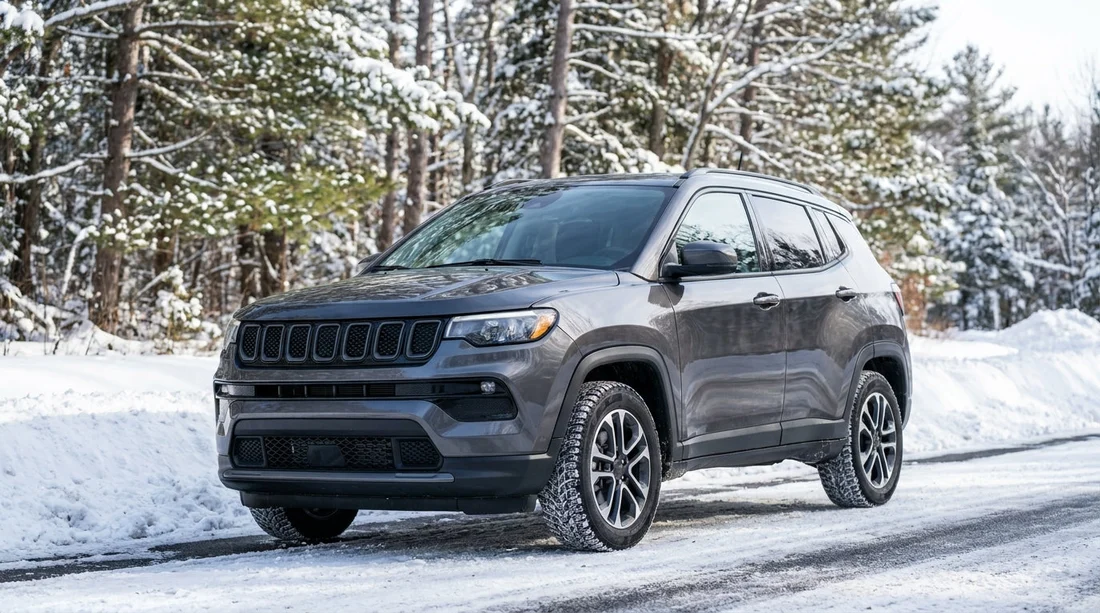
Most rental cars you collect in the New York area will be fitted with all season tyres. All season tyres are designed to cope with a wide range of temperatures and wet roads, and they can manage light snow, but they are not the same as dedicated winter tyres. They usually do not carry the same cold weather grip, braking performance, or snow traction as winter rated tyres.
What you will usually find included is basic safety and convenience equipment such as windscreen wipers, a screenwash reservoir, heating, and defrost functions. Some vehicles may have features that help in winter, such as traction control, anti lock braking, and stability control. These are standard on many modern vehicles, but they are not a substitute for proper tyre grip on snow and ice.
It is also common for vehicles to be supplied without extras like an ice scraper, snow brush, or small shovel. Some locations may have these at the counter, but it varies by operator and day to day availability. If you are arriving via an airport pickup, it is worth checking local branch notes where you are collecting. For example, travellers landing and collecting near Newark can compare options across pages like car hire at Newark EWR and Hertz car rental at Newark EWR, then review each provider’s winter policies before finalising.
Are winter tyres included? Usually not
Dedicated winter tyres are not typically included as standard with car hire in New York. Even during peak winter months, many fleets remain on all season tyres. Winter tyres require seasonal changeovers, storage, and higher tyre management costs, and New York winter weather can be variable. Rental companies also need to keep vehicles interchangeable across regions, which makes universal fitments more common.
If winter tyres are important for your trip, you should not assume they will be on the vehicle, even if you select an SUV. The key check is the tyre type and condition, not the body style. You can ask the supplier whether any vehicles are fitted with winter rated tyres, but availability is often limited, and you may need to accept an alternative plan if none are offered.
One practical approach is to prioritise an all wheel drive vehicle where possible, because AWD can help you move off and maintain traction, especially on inclines or in slush. It does not shorten braking distances, but it can reduce wheelspin and improve control. If you are flying into JFK and starting from there, you can review pickup choices via car rental at New York JFK and compare vehicle categories that are more likely to include AWD or higher ground clearance.
Are snow chains included? Rarely, and often not permitted
Snow chains are uncommon with car hire in New York, and many suppliers either do not provide them or prohibit their use. Restrictions are usually tied to potential vehicle damage. Chains can scrape wheel arches, damage suspension components, or mark alloy wheels if fitted incorrectly. They can also break under tension and cause costly damage.
Even if you bring your own chains, the rental agreement may forbid fitting them. Some policies specify that you must not use chains at all, while others may allow them only on certain tyre sizes or only if local law requires them. Because policy language varies, it is important to check terms and conditions for the specific supplier and location you are using, rather than relying on general advice.
What you should check before confirming car hire
To plan properly for winter conditions, focus on the questions that influence safety and compliance. Start with the tyres. Ask whether the vehicle will be fitted with all season tyres, and confirm they are in good condition with adequate tread depth. While you may not get exact measurements ahead of time, a reputable provider should be able to confirm maintenance standards.
Next, clarify what is allowed. Specifically ask whether snow chains are permitted, and whether any alternatives are offered. Also ask what roadside assistance covers in winter, including flat tyres, lockouts, and recovery if you slide into a snowbank.
Finally, consider your pickup point and immediate drive. Airport routes can be busy in bad weather, and bridges and ramps can ice up quickly. If you are collecting at Newark, you may also compare nearby operator pages such as Thrifty car hire at Newark EWR to see which suppliers better match your winter preferences.
How to plan routes and timing for New York winter driving
The most effective winter planning tool is flexibility. If a storm is forecast, consider delaying departure or travelling earlier in the day before temperatures drop again at night. Black ice risk increases when meltwater refreezes after sunset, particularly on bridges, shaded parkways, and entrance ramps.
Choose main roads that are more likely to be ploughed and treated. In and around New York City, major routes are typically prioritised, while smaller streets may remain slushy for longer. If you are parking overnight, remember that snow clearing rules can affect where you can leave the car, and tickets or towing are a real risk during plough operations.
When you set out, clear all snow from the roof, bonnet, lights, and windows. It is a safety issue for you and for drivers behind you. Allow longer braking distances, accelerate gently, and avoid abrupt steering inputs.
Choosing the right vehicle category for winter conditions
Vehicle choice should match your route. For city driving with occasional snow, a standard saloon or compact car on good all season tyres can be fine if you drive cautiously. For hilly areas, rural roads, or longer winter drives, an SUV with AWD can provide more confidence when pulling away and climbing, and additional ground clearance can help in slush.
If you are carrying ski gear, luggage, or travelling as a group, you may be looking at larger vehicles. If you are comparing larger options from an airport location, van hire in New Jersey EWR can help you understand what categories are commonly available for winter travel needs.
FAQ
Do rental cars in New York come with winter tyres as standard? Usually not. Most New York car hire vehicles use all season tyres year round, so you should confirm tyre type and condition before you travel.
Can I request snow chains with my rental car? In most cases snow chains are not provided, and some suppliers prohibit their use. Check the rental terms for your specific provider and pickup location.
Is AWD enough if winter tyres are not included? AWD can help with traction when moving off and on inclines, but it does not improve braking on ice. Safe speed, gentle inputs, and good tyre tread are still essential.
What should I ask the rental desk about winter readiness? Ask about tyre type, tread condition, whether chains are permitted, and what roadside assistance covers during snow events or freezing conditions.
What is the best way to reduce risk when driving in New York winter weather? Choose treated main roads, avoid late night refreezing periods, allow extra stopping distance, and delay travel during active storms if possible.




























































































