

 AJUDA
AJUDA


AVALIAÇÕES VERIFICADAS


Acerca de alugar um carro com a Alamo em New York
Melhores Ofertas de Aluguel de Carros

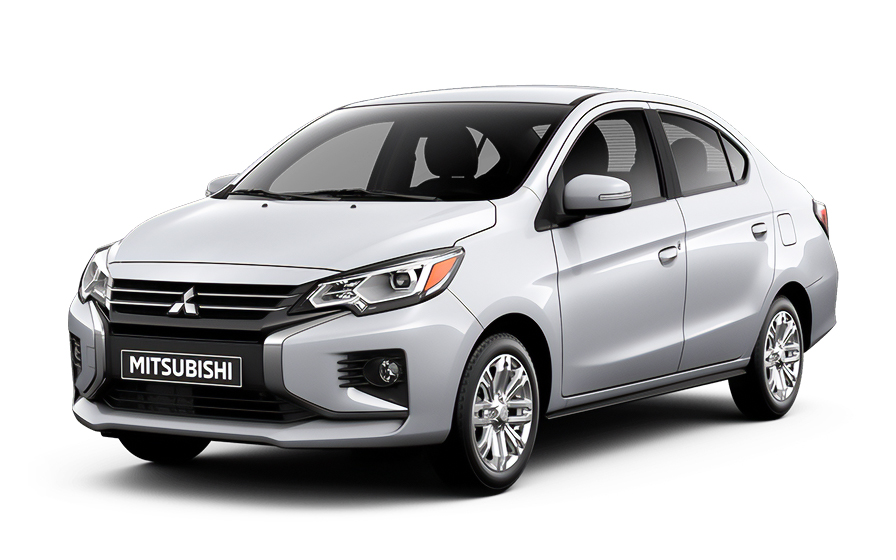
Mitsubishi Mirage | Automático
PEQUENOou Pequeno similar

Volkswagen Jetta | Automático
SEDANou Sedan similar
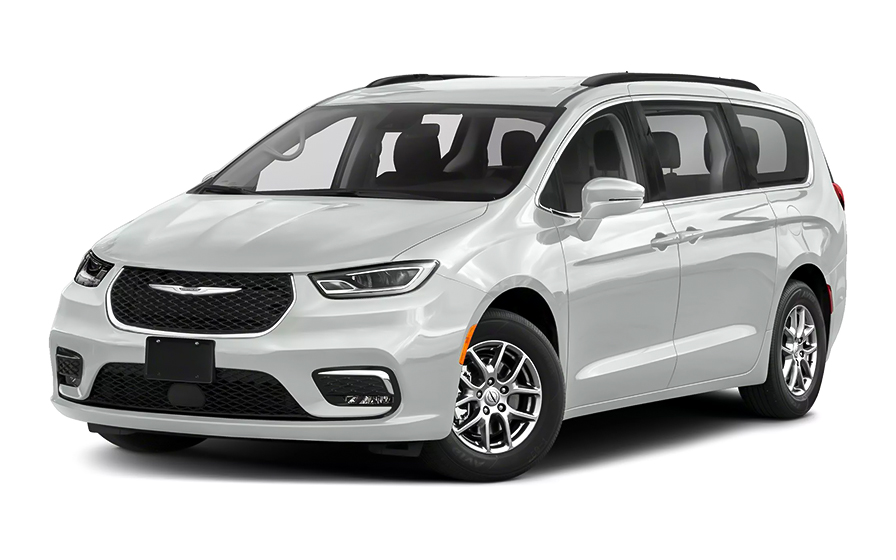
Chrysler Pacifica 7 Passengers | Automático
MINIVANou Minivan similar
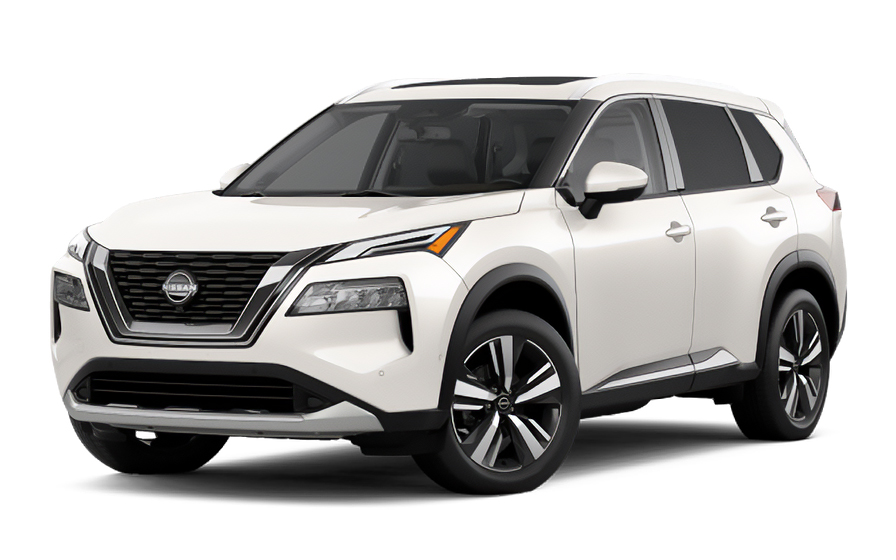
Nissan Rogue | Automático
SUVou SUV similar

Ford F150 | Automático
PICKUPou Pickup similar
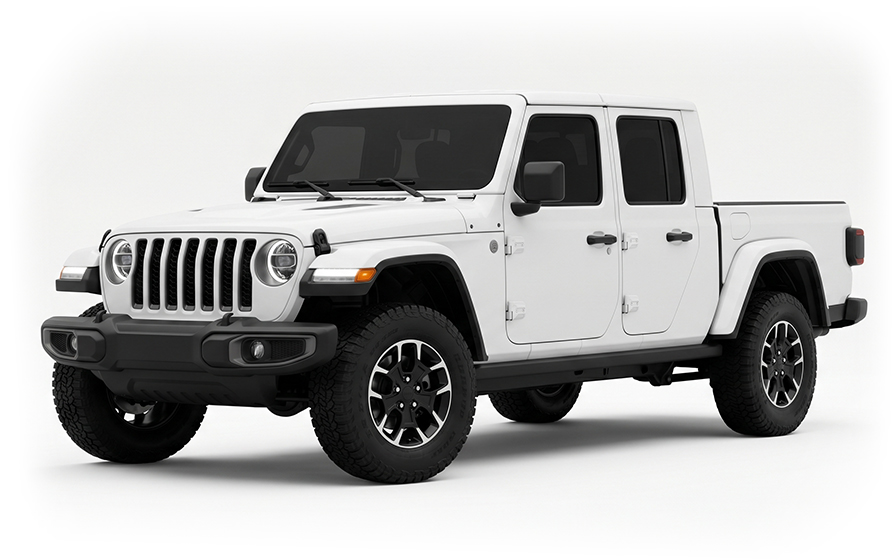
Jeep Gladiator | Automático
JEEPou Jeep similar
Perguntas Frequentes
O que inclui minha reserva da Hola Car Rentals com Alamo em New York que outras empresas não oferecem?
A Hola Car Rentals é a única parceira premium das principais marcas de aluguel de carros que operam em New York, oferecendo a você acesso exclusivo à nossa tarifa All Inclusive+. Essa tarifa inclui benefícios que nenhuma outra empresa pode igualar:
- Proteção de responsabilidade civil gratuita a partir de US$ 300.000 em caso de acidente (válida apenas para certas tarifas e itinerários)
- Reembolso de pedágios: recupere até 5% do valor total da reserva pelos pedágios incorridos durante o seu período de aluguel
- Assistência médica de viagem premium com cobertura de até US$ 150.000 para no máximo 5 passageiros em caso de emergência médica, excluindo condições pré-existentes
- Garantia No Extra Charges©: se o balcão cobrar algo que não consta na sua confirmação e que não é um adicional opcional aceito por você, a Hola Car Rentals trabalhará para remover ou reembolsar a cobrança após verificação
Tudo isso sem custo adicional, garantindo uma experiência de aluguel completamente protegida e tranquilidade durante toda a sua viagem em New York.
Terei cobranças inesperadas no balcão da Alamo em New York ao reservar pela Hola Car Rentals?
Não. Com a Hola Car Rentals, todos os custos e cobranças da sua reserva em New York são apresentados claramente no momento da reserva e no e-mail de confirmação, para que você saiba exatamente o que está pagando antes de chegar ao balcão.
Além disso, cada reserva da Hola Car Rentals inclui a garantia No Extra Charges©. Esta é uma garantia de preços (não uma proteção) que protege você caso o balcão em New York cobre por algo que não estava listado na sua confirmação e que não era um adicional opcional que você aceitou. Se isso acontecer, a Hola Car Rentals trabalhará com o parceiro de aluguel para remover ou reembolsar a cobrança após verificação.
Os únicos custos fora desta garantia são:
- Adicionais opcionais escolhidos no balcão (GPS, cadeirinhas para crianças, combustível pré-pago)
- Cobranças por uso (pedágios, diferença de combustível, multas de trânsito)
Onde fica o balcão da Alamo no Aeroporto JFK de Nova York e como chego lá?
No Aeroporto Internacional JFK de Nova York, a Alamo atende os clientes no Centro de Aluguel de Carros consolidado localizado na Federal Circle (Estação C). De qualquer terminal, pegue o AirTrain gratuito do aeroporto até a Federal Circle e siga as placas de aluguel de carros até o balcão da Alamo e a área de veículos.
Principais detalhes para sua retirada na Alamo no JFK de Nova York:
- O AirTrain funciona 24 horas por dia, 7 dias por semana, com serviço frequente
- O trajeto de qualquer terminal até a Federal Circle dura aproximadamente 5 a 10 minutos, mais uma curta caminhada
- O trecho do AirTrain entre terminais e Federal Circle é gratuito
- Os balcões da Alamo no JFK de Nova York operam 24 horas
- Elevadores e escadas rolantes estão disponíveis em cada estação do AirTrain
Leve sua confirmação de reserva, um cartão de crédito principal físico em nome do motorista principal, sua carteira de motorista e seu passaporte. Se sua carteira de motorista não estiver em inglês ou usar um alfabeto não-latino, também leve uma Permissão Internacional para Dirigir.
A Alamo possui unidades em Manhattan, Nova York, fora do aeroporto?
Sim, a Alamo opera várias unidades fora do aeroporto em Manhattan, Nova York, o que pode reduzir significativamente as taxas que você paga em comparação à retirada no aeroporto.
As unidades da Alamo em Manhattan, Nova York, incluem:
- Manhattan Astor e Broadway: 743 Broadway, Nova York, NY 10003
- Manhattan Upper West Side: 313 W 56th St, Nova York, NY 10019
O horário de funcionamento na unidade da Alamo no Manhattan Upper West Side em Nova York é: domingo das 09h30 às 20h00; de segunda a quarta-feira das 07h30 às 18h00; quinta e sexta-feira das 08h00 às 18h30; sábado das 07h00 às 17h30.
Optar por uma unidade no centro de Nova York em vez de um balcão no aeroporto pode economizar de 20 a 40 por cento na sua tarifa base, evitando taxas de recuperação de concessões aeroportuárias, encargos de instalações ao cliente e outras sobretaxas específicas do aeroporto que normalmente aumentam o custo total em 15 a 25 por cento. Nessas unidades na cidade, você vai direto ao balcão da Alamo ou ao quiosque de autoatendimento, sem necessidade de transporte por shuttle.
Como funcionam as rodovias de pedágio para uma locação da Alamo em Nova York?
As rodovias de pedágio em Nova York são quase totalmente sem dinheiro, ou seja, você não paga em dinheiro na maioria das cabines de pedágio. Quando você dirige um carro alugado pela Alamo em Nova York por uma rodovia de pedágio sem dinheiro, a cobrança é feita eletronicamente e debitada do seu cartão de crédito após o término da locação, às vezes várias semanas depois.
Na retirada, a Alamo em Nova York oferece duas opções:
- Pacote de pedágios ilimitados: uma tarifa fixa diária de aproximadamente US$ 11 a US$ 26 por dia, cobrindo todos os pedágios durante sua locação
- Pague por uso: valores reais de pedágio mais taxas diárias ou administrativas cobradas após a devolução
Se você possui um transponder E-ZPass próprio, pode levá-lo e informar o atendente da Alamo para que desative o dispositivo padrão do veículo. Assim, os pedágios serão cobrados na sua conta E-ZPass pessoal, evitando taxas de serviço da locadora.
As principais travessias em Nova York, como pontes e túneis, podem custar aproximadamente US$ 15 a US$ 25 ou mais por travessia. Se você planeja dirigir frequentemente na área de Nova York, o pacote ilimitado pode oferecer melhor custo-benefício. Sempre revise o acordo de pedágios antes de assinar na loja da Alamo.
O que é a Tarifação de Congestionamento de NYC e ela afetará minha locação na Alamo em Nova York?
Sim, a Tarifação de Congestionamento de NYC se aplica aos carros alugados pela Alamo em Nova York e aparecerá como uma cobrança separada na sua fatura de locação.
A zona de congestionamento cobre a maior parte de Manhattan ao sul e incluindo a 60th Street, até a ponta sul da ilha. Câmeras detectam automaticamente os veículos que entram na área. Principais informações para locatários da Alamo em Nova York:
- A taxa diária de congestionamento é aproximadamente US$ 8,99 mais taxas e impostos aplicáveis para veículos de passeio padrão
- Você será cobrado uma única vez por dia de calendário, mesmo que entre e saia da zona várias vezes
- A FDR Drive e a West Side Highway (Route 9A) estão isentas, desde que você não saia para ruas locais dentro da zona
- A cobrança não está coberta por CDW, LDW ou qualquer pacote de proteção ou seguro de locação
- Ela aparece separadamente na sua fatura da Alamo, além das tarifas de pedágio de pontes e túneis
Se você estiver retirando ou devolvendo sua locação na Alamo em uma unidade de Manhattan, Nova York, como a 743 Broadway ou W 56th St, planeje sua rota com cuidado para entender se entrará na zona de congestionamento e orçar essa taxa diária adequadamente.
Posso receber cashback de pedágios na minha locação da Alamo em Nova York?
Sim, todas as reservas feitas através da Hola Car Rentals incluem Cashback de Pedágios, que permite recuperar até 5 por cento do valor total da sua reserva referente aos pedágios pagos durante sua locação na Alamo em Nova York.
Considerando que Nova York possui uma das maiores exposições a pedágios nos Estados Unidos, com travessias de pontes e túneis que custam US$ 15 a US$ 25 ou mais cada, além da taxa diária de aproximadamente US$ 8,99 na zona de alívio de congestionamento de NYC, esse benefício pode somar bastante em uma locação de vários dias com a Alamo.
Para solicitar seu Cashback de Pedágios após sua locação em Nova York:
- Envie um e-mail para [email protected] em até 30 dias após devolver o veículo
- Use o assunto: Cashback de Pedágios - seguido do número de confirmação da reserva
- Anexe sua confirmação da Hola Car Rentals, o contrato de locação da Alamo e uma fatura ou extrato de pedágio mostrando as cobranças pagas
- Inclua seu nome completo, datas da viagem e os últimos 4 dígitos do cartão usado na reserva
Os reembolsos são feitos ao método de pagamento original e geralmente processados em 7 a 10 dias úteis após a aprovação. Submissões tardias, após 30 dias, não serão aceitas.
Quais documentos preciso para retirar meu carro alugado na Alamo em Nova York?
Para retirar seu carro alugado na Alamo em Nova York, você deve apresentar todos os documentos em formato físico. Cópias digitais não são aceitas no balcão.
Documentos necessários para sua retirada na Alamo em Nova York:
- Carteira de motorista válida, não expirada, com foto, em nome do motorista principal
- Se sua carteira de motorista não estiver em inglês ou usar um alfabeto não-latino (como árabe, chinês, japonês ou cirílico), leve também uma Permissão Internacional para Dirigir (PID) como tradução junto ao documento original
- Um cartão de crédito físico principal, com o nome do motorista principal impresso, para a garantia do depósito caução
- Seu passaporte ou documento de identificação com foto emitido pelo governo
- Sua confirmação de reserva
- Passagens de ida e volta ou cruzeiro (necessário para visitantes internacionais)
No balcão da Alamo em Nova York, o nome na carteira de motorista, cartão de crédito e confirmação de reserva devem coincidir de perto. Se houver diferença de nome por casamento ou mudança legal, leve documentação comprobatória, como certidão de casamento.
Cartões de débito e pré-pagos não são aceitos para o depósito caução na Alamo em Nova York. Leve um cartão de crédito reserva em seu nome, caso seu cartão principal seja recusado.
Qual o valor do depósito caução para uma locação da Alamo em Nova York?
Ao retirar seu carro alugado pela Alamo em Nova York, uma autorização temporária é feita no seu cartão de crédito. Isso não é uma cobrança, mas reduz seu crédito disponível até que seu banco libere o valor após o término da locação.
Para locações na Alamo em Nova York, o valor típico de caução é aproximadamente US$ 300 a US$ 400 para classes de veículos padrão. O valor exato pode variar dependendo de:
- Classe do veículo alugado (veículos premium ou especiais podem ter valores mais altos)
- Local da Alamo em Nova York (aeroporto versus centro de Manhattan)
- Duração da locação
A liberação do valor ocorre após a devolução do veículo e o encerramento do contrato. Seu banco ou emissor do cartão controla quando os fundos ficam disponíveis novamente, podendo levar até 15 dias úteis.
Para se preparar para a retirada na Alamo em Nova York, certifique-se de que seu cartão de crédito tenha crédito disponível suficiente para cobrir a caução além de quaisquer cobranças previstas. Cartões de débito e pré-pagos não são aceitos. Recomenda-se levar um cartão de crédito reserva em seu nome, caso seu cartão principal seja recusado na loja.
Motoristas menores de 25 anos podem alugar carro na Alamo em Nova York?
Sim, motoristas menores de 25 anos podem alugar carro na Alamo em Nova York, e a legislação do Estado de Nova York torna esse destino mais acessível para jovens locatários do que na maioria dos outros estados dos EUA.
De acordo com a legislação de Nova York, a Alamo e outras locadoras são obrigadas a alugar para motoristas com carteira de habilitação de 18 anos ou mais. No entanto, há uma sobretaxa para jovens menores de 25 anos. Pontos principais para jovens motoristas na Alamo em Nova York:
- Motoristas de 18 anos ou mais podem alugar nas unidades da Alamo em Nova York
- Uma sobretaxa diária para jovens menores de 25 anos é aplicada; o valor exato é definido pela Alamo na loja
- Certas categorias de veículos, como full-size, SUV, premium, luxo, minivan e conversível, são restritas a motoristas com 25 anos ou mais
- Veículos econômicos, compactos e intermediários geralmente estão disponíveis para jovens locatários
Essa regra de Nova York se aplica na retirada e não muda se você dirigir para outros estados durante sua locação. Sempre confira seu contrato da Alamo para o valor exato da sobretaxa e restrições de categorias de veículos aplicáveis à sua reserva em Nova York.
Que assistência de viagem está incluída na minha reserva da Alamo em Nova York?
A maioria das reservas feitas pela Hola Car Rentals para uma locação na Alamo em Nova York inclui cobertura de assistência de viagem fornecida pela Terrawind Global Protection, sem custo adicional.
Esse benefício é especialmente relevante em Nova York, onde dirigir por rotas desconhecidas, navegar por rodovias movimentadas ou lidar com incidentes inesperados longe de casa pode ser estressante. A cobertura normalmente inclui:
- Seguro de viagem com cobertura médica para até 5 passageiros
- Assistência jurídica em caso de acidente
- Compensação por bagagem perdida pela companhia aérea
- Seguro de cancelamento de voo
Para contatar a linha de assistência 24 horas por dia, 7 dias por semana, ligue para +1 888 980 9992 (ligação gratuita) ou envie mensagem via WhatsApp para +1 208 910 1001. Tenha seu número de confirmação da Hola Car Rentals em mãos ao ligar.
Importante: esse benefício de assistência de viagem não se aplica a residentes dos Estados Unidos ou Canadá. Também não cobre danos ao veículo alugado pela Alamo (que são cobertos por CDW ou LDW) ou responsabilidade de terceiros (coberta por LIS ou SLI). Revise sua confirmação de reserva para os termos exatos e limites de cobertura aplicáveis à sua locação em Nova York.
Como funciona o processo de retirada na Alamo no Aeroporto LaGuardia em Nova York?
No Aeroporto LaGuardia de Nova York (LGA), a Alamo não possui balcão na terminal. A unidade de aluguel fica na 9501 Ditmars Blvd, East Elmhurst, NY 11369, e o acesso depende do terminal de chegada.
- Terminal A: Pegue o ônibus shuttle compartilhado da National, Alamo e Enterprise na área de embarque consolidada fora do terminal até a unidade de aluguel
- Terminal B: Siga as placas de Transporte Terrestre até o pilar número 5 para o shuttle compartilhado ou caminhe aproximadamente 10 a 15 minutos até a unidade
- Terminal C: Siga as placas de Shuttle de Carros de Aluguel do baggage claim até o centro de transporte e embarque no shuttle compartilhado
O balcão da Alamo no LaGuardia funciona diariamente das 06h00 às 22h00. Recomenda-se chegar com antecedência devido às obras em andamento no aeroporto. Para retirada fora do horário de funcionamento, siga as instruções fornecidas na sua confirmação de reserva.
Ao chegar na unidade, você pode ir ao balcão da Alamo, usar um quiosque de autoatendimento ou optar pelo Check-in Acelerado ou Skip the Counter, se tiver feito o cadastro antecipadamente. Para devolução do veículo, devolva-o na 9501 Ditmars Blvd; shuttles de lá atendem todos os terminais.
É necessário Permissão Internacional para Dirigir (PID) para uma locação da Alamo em Nova York?
Sim, a Permissão Internacional para Dirigir (PID) é obrigatória para sua locação na Alamo em Nova York se sua carteira de motorista usar um alfabeto não-latino, como árabe, chinês, japonês ou cirílico. Nesse caso, a PID é obrigatória e deve ser apresentada junto ao documento original na loja da Alamo.
Se sua carteira estiver em inglês ou usar um alfabeto latino, mas foi emitida fora dos Estados Unidos, a PID é recomendada, mas não obrigatória. No entanto, portar uma reduz o risco de problemas na loja da Alamo em Nova York.
Regras importantes sobre a PID para sua locação em Nova York:
- A PID é apenas um documento de tradução e não é válida sem sua carteira de motorista original
- Você deve obter a PID em seu país de origem antes de viajar; ela não pode ser emitida nos Estados Unidos
- Todos os documentos apresentados na loja da Alamo em Nova York devem ser originais físicos; cópias digitais não são aceitas
- O nome na PID, carteira de motorista, cartão de crédito e confirmação de reserva devem coincidir
Se tiver dúvidas sobre a necessidade de PID para sua locação na Alamo em Nova York, obtenha uma antes de viajar para evitar problemas na loja.
Que opções de seguro devo considerar para uma locação da Alamo em Nova York?
Ao alugar com a Alamo em Nova York, duas principais proteções devem ser compreendidas antes de chegar ao balcão.
Collision Damage Waiver (CDW) ou Loss Damage Waiver (LDW) cobre danos ao veículo alugado pela Alamo em caso de colisão, furto ou vandalismo. Pode haver franquia, a menos que sua confirmação de reserva indique explicitamente franquia zero. CDW e LDW não cobrem danos causados a terceiros ou a pessoas.
Responsabilidade Civil de Terceiros (LIS ou SLI) cobre danos corporais e materiais que você possa causar a terceiros ao dirigir o carro da Alamo em Nova York. No Estado de Nova York, uma cobertura mínima de responsabilidade é exigida por lei, mas os limites podem ser baixos. Recomenda-se fortemente adicionar uma cobertura de responsabilidade suplementar de até US$ 300.000, especialmente ao dirigir em uma área urbana densa como Nova York.
Exclusões comuns a serem observadas na sua locação na Alamo em Nova York:
- Danos a pneus, rodas e sob o chassi geralmente não são cobertos por CDW ou LDW padrão
- Uso proibido, como off-road ou dirigir sob influência, anula a cobertura
- Somente motoristas nomeados no contrato da locação da Alamo estão cobertos
Revise sua confirmação de reserva para verificar quais proteções estão incluídas na sua tarifa antes de retirar seu carro na Alamo em Nova York.
Como funciona a política de combustível para uma locação da Alamo em Nova York?
As locações da Alamo em Nova York seguem a política de Cheio-para- Cheio por padrão. Você recebe o veículo com o tanque cheio e deve devolvê-lo cheio para evitar cobranças adicionais.
Passos para sua locação na Alamo em Nova York:
- Na retirada, verifique o nível de combustível com o atendente da Alamo e confirme se o nível inicial está registrado no contrato
- Tire uma foto do painel mostrando o odômetro e o nível de combustível
- Reabasteça em até aproximadamente 10 milhas ou 15 quilômetros do local de devolução para que o nível não caia antes de chegar
- Guarde o recibo final de combustível mostrando a data, hora e endereço da estação
- Para devoluções fora do horário de funcionamento na Nova York, deixe o recibo na envelope da chave e tire uma foto do painel cheio
Se você devolver o veículo na Nova York com nível de combustível abaixo do registrado no início, poderá ser cobrado pelo déficit de combustível à tarifa de reabastecimento do parceiro, que geralmente é mais alta que o preço na bomba, além de uma taxa de serviço de reabastecimento.
Pergunte ao atendente da Alamo na sua retirada em Nova York qual a estação de combustível mais próxima do endereço de devolução para planejar sua parada de reabastecimento com antecedência.
RENTAL CAR LOCATIONS

- Ao escolher uma seleção, a página inteira é atualizada.
- Abre em uma nova janela.
Moedas sugeridas
- $ USD - United States Dollar
- € EUR - Euro
Outros países
-
 África do Sul
-
 Albânia
-
 Alemanha
-
 Andorra
-
 Angola
-
 Antígua e Barbuda
-
 Arábia Saudita
-
 Argélia
-
 Argentina
-
 Austrália
-
 Áustria
-
 Bahamas
-
 Bangladesh
-
 Barbados
-
 Barein
-
 Bélgica
-
 Belize
-
 Benin
Benin
-
 Bermudas
-
 Bolívia
-
 Bósnia e Herzegovina
-
 Botsuana
-
 Brasil
-
 Bulgária
-
 Burquina Faso
-
 Burundi
-
 Cabo Verde
-
 Camarões
-
 Canadá
-
 Catar
Catar
-
 Chade
Chade
-
 Chile
Chile
-
 Chipre
-
 Cidade do Vaticano
-
 Colômbia
-
 Comores
-
 Congo - Kinshasa
-
 Coreia do Sul
-
 Costa Rica
-
 Costa do Marfim
-
 Croácia
-
 Curaçao
-
 Dinamarca
-
 Djibuti
-
 Dominica
-
 Egito
Egito
-
 El Salvador
-
 Emirados Árabes Unidos
-
 Equador
-
 Eritreia
-
 Eslováquia
-
 Eslovênia
-
 Espanha
-
 Essuatíni
-
 Estados Unidos
-
 Estônia
-
 Etiópia
-
 Filipinas
-
 Finlândia
-
 França
-
 Gabão
Gabão
-
 Gâmbia
-
 Gana
Gana
-
 Granada
-
 Grécia
-
 Guatemala
-
 Guiana
-
 Guiné
Guiné
-
 Guiné Equatorial
-
 Guiné-Bissau
-
 Haiti
Haiti
-
 Honduras
-
 Hong Kong, RAE da China
-
 Hungria
-
 Iêmen
Iêmen
-
 Ilhas Cayman
-
 Ilhas Turcas e Caicos
-
 Ilhas Virgens Britânicas
-
 Índia
Índia
-
 Iraque
-
 Irlanda
-
 Islândia
-
 Israel
-
 Itália
-
 Jamaica
-
 Japão
Japão
-
 Jordânia
-
 Kuwait
-
 Lesoto
-
 Letônia
-
 Líbano
-
 Libéria
-
 Líbia
Líbia
-
 Liechtenstein
-
 Lituânia
-
 Luxemburgo
-
 Madagascar
-
 Malaui
-
 Mali
Mali
-
 Malta
Malta
-
 Marrocos
-
 Maurício
-
 Mauritânia
-
 México
-
 Moçambique
-
 Moldávia
-
 Mônaco
-
 Montenegro
-
 Namíbia
-
 Nicarágua
-
 Níger
Níger
-
 Nigéria
-
 Noruega
-
 Nova Zelândia
-
 Omã
Omã
-
 Países Baixos
-
 Panamá
-
 Paraguai
-
 Peru
Peru
-
 Polônia
-
 Portugal
-
 Quênia
-
 Reino Unido
-
 República Centro-Africana
-
 República Dominicana
-
 República do Congo
-
 Romênia
-
 Ruanda
-
 Rússia
-
 San Marino
-
 Santa Lúcia
-
 São Tomé e Príncipe
-
 São Vicente e Granadinas
-
 Seicheles
-
 Senegal
-
 Serra Leoa
-
 Sérvia
-
 Singapura
-
 Sint Maarten
-
 Somália
-
 Sudão
Sudão
-
 Sudão do Sul
-
 Suécia
-
 Suíça
Suíça
-
 Taiwan
-
 Tanzânia
-
 Tchéquia
-
 Territórios palestinos
-
 Togo
Togo
-
 Trinidad e Tobago
-
 Tunísia
-
 Turquia
-
 Ucrânia
-
 Uganda
-
 Uruguai
-
 Venezuela
-
 Zâmbia
-
 Zimbábue
Carteira de motorista de:
-
África do Sul
-
Albânia
-
Alemanha
-
Andorra
-
Angola
-
Antígua e Barbuda
-
Arábia Saudita
-
Argélia
-
Argentina
-
Austrália
-
Áustria
-
Bahamas
-
Bangladesh
-
Barbados
-
Barein
-
Bélgica
-
Belize
-
Benin
-
Bermudas
-
Bolívia
-
Bósnia e Herzegovina
-
Botsuana
-
Brasil
-
Bulgária
-
Burquina Faso
-
Burundi
-
Cabo Verde
-
Camarões
-
Canadá
-
Catar
-
Chade
-
Chile
-
Chipre
-
Cidade do Vaticano
-
Colômbia
-
Comores
-
Congo - Kinshasa
-
Coreia do Sul
-
Costa Rica
-
Costa do Marfim
-
Croácia
-
Curaçao
-
Dinamarca
-
Djibuti
-
Dominica
-
Egito
-
El Salvador
-
Emirados Árabes Unidos
-
Equador
-
Eritreia
-
Eslováquia
-
Eslovênia
-
Espanha
-
Essuatíni
-
Estados Unidos
-
Estônia
-
Etiópia
-
Filipinas
-
Finlândia
-
França
-
Gabão
-
Gâmbia
-
Gana
-
Granada
-
Grécia
-
Guatemala
-
Guiana
-
Guiné
-
Guiné Equatorial
-
Guiné-Bissau
-
Haiti
-
Honduras
-
Hong Kong, RAE da China
-
Hungria
-
Iêmen
-
Ilhas Cayman
-
Ilhas Turcas e Caicos
-
Ilhas Virgens Britânicas
-
Índia
-
Iraque
-
Irlanda
-
Islândia
-
Israel
-
Itália
-
Jamaica
-
Japão
-
Jordânia
-
Kuwait
-
Lesoto
-
Letônia
-
Líbano
-
Libéria
-
Líbia
-
Liechtenstein
-
Lituânia
-
Luxemburgo
-
Madagascar
-
Malaui
-
Mali
-
Malta
-
Marrocos
-
Maurício
-
Mauritânia
-
México
-
Moçambique
-
Moldávia
-
Mônaco
-
Montenegro
-
Namíbia
-
Nicarágua
-
Níger
-
Nigéria
-
Noruega
-
Nova Zelândia
-
Omã
-
Países Baixos
-
Panamá
-
Paraguai
-
Peru
-
Polônia
-
Portugal
-
Quênia
-
Reino Unido
-
República Centro-Africana
-
República Dominicana
-
República do Congo
-
Romênia
-
Ruanda
-
Rússia
-
San Marino
-
Santa Lúcia
-
São Tomé e Príncipe
-
São Vicente e Granadinas
-
Seicheles
-
Senegal
-
Serra Leoa
-
Sérvia
-
Singapura
-
Sint Maarten
-
Somália
-
Sudão
-
Sudão do Sul
-
Suécia
-
Suíça
-
Taiwan
-
Tanzânia
-
Tchéquia
-
Territórios palestinos
-
Togo
-
Trinidad e Tobago
-
Tunísia
-
Turquia
-
Ucrânia
-
Uganda
-
Uruguai
-
Venezuela
-
Zâmbia
-
Zimbábue