

 HELP
HELP


VERIFIED REVIEWS


About renting a car at Victoria Airport
Best Car Rental Deals

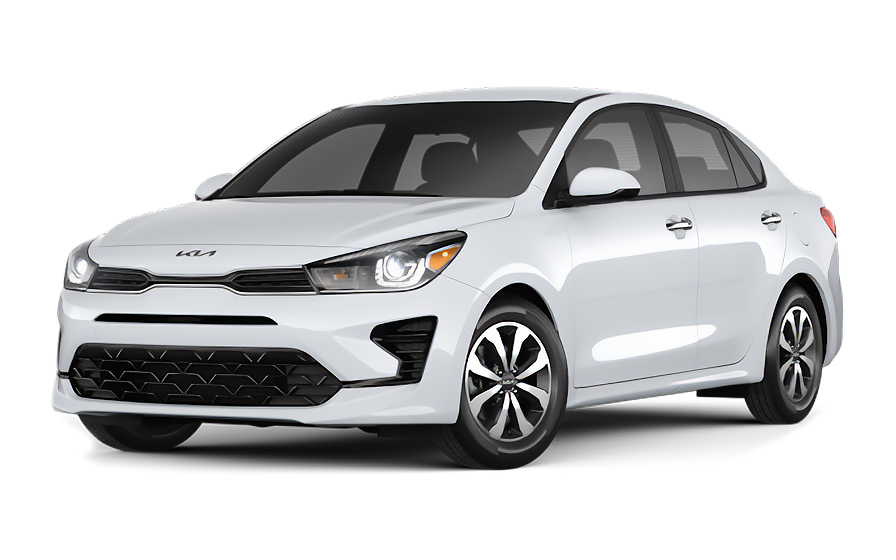
Kia Rio | Automatic
SMALLor Small similar
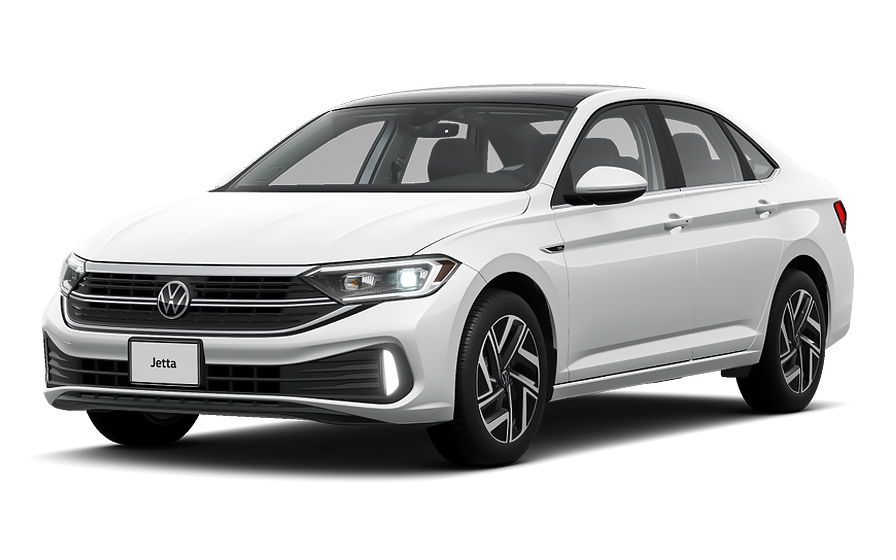
Volkswagen Jetta | Automatic
SEDANor Sedan similar
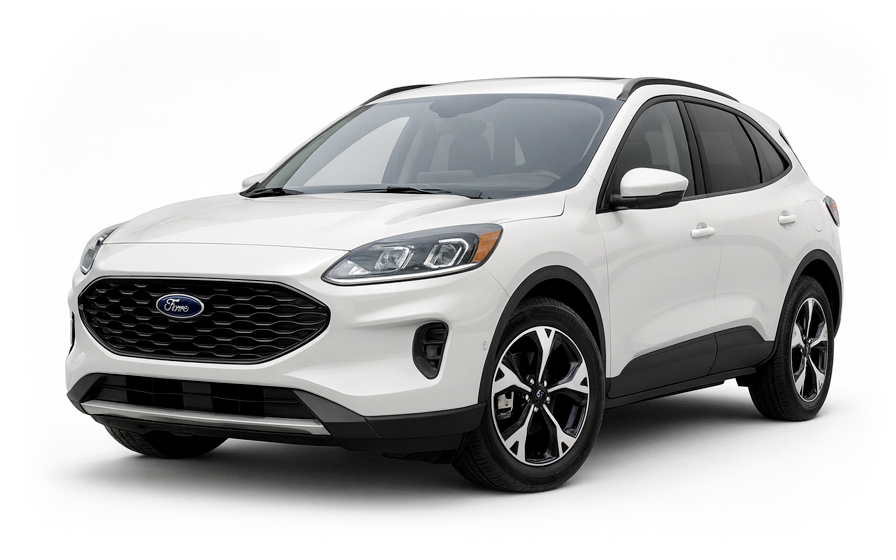
Ford Escape | Automatic
SUVor SUV similar


Ford F150 | Automatic
PICKUPor Pickup similar
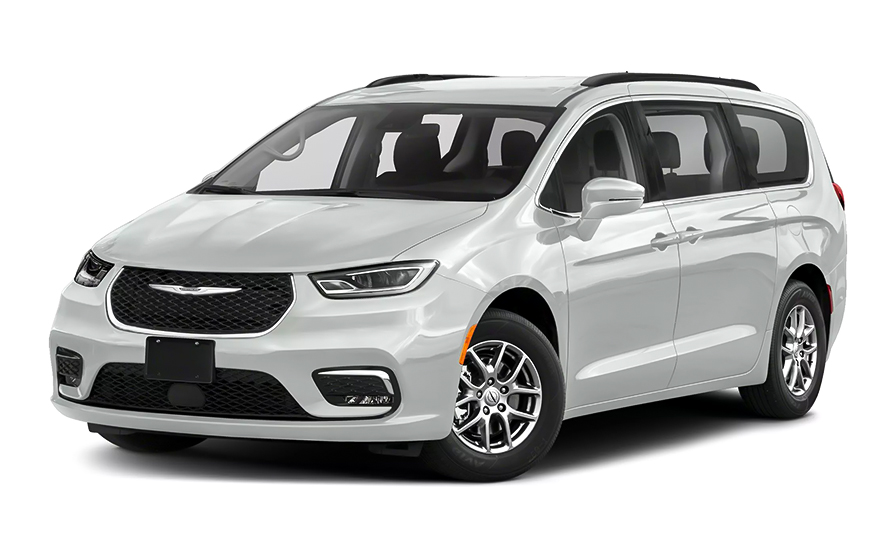
Chrysler Pacifica 7 Passengers | Automatic
MINIVANor Minivan similar
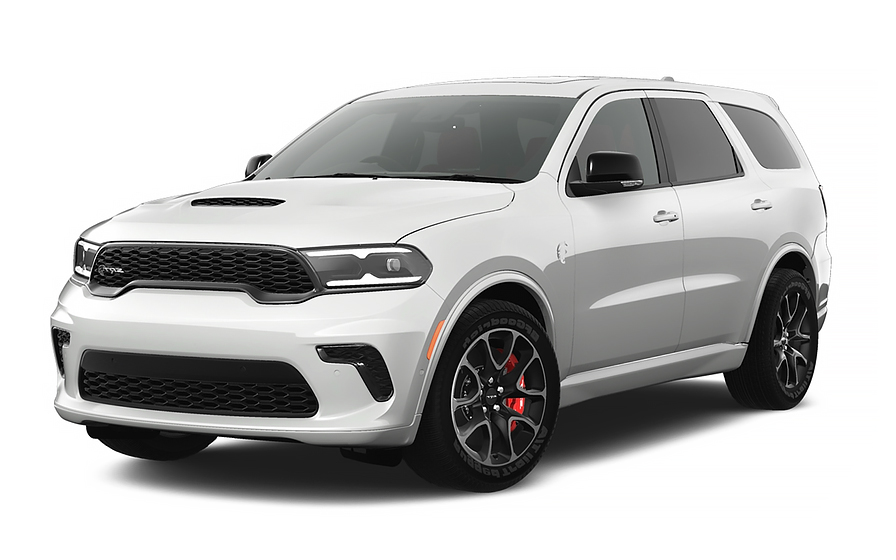
Dodge Durango | Automatic
7 PASSENGERSor 7 Passengers similar
Traveler Tips & Price Insights
When is the best time to book a rental car in Victoria?
You should book your rental car approximately 7 days before your trip to get a below-average price.
Price Trend (Last 90 Days)
What is the most popular rental car type in Victoria?
small rental cars (small or similar) are the most popular option in Victoria.
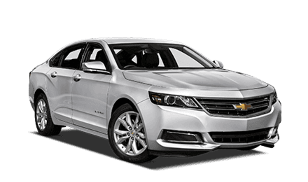
Popular Car Types





Which is the cheapest car rental agency in Victoria?
In the last 72 hours, the cheapest rental cars were from Enterprise at /day.
Average Price by Rental Company
Frequently Asked Questions
What does my Hola Car Rentals booking at Victoria Airport include that other companies don't offer?
Hola Car Rentals is a premium partner of the leading car rental companies at Victoria Airport, giving you exclusive access to our All Inclusive+ rate. This rate includes extra benefits that no other company can match:
- Full vehicle coverage with no deductible (applies only for certain rates and itineraries)
- Toll cashback: get back up to 5% of your total booking value for tolls charged during your rental
- Premium travel medical assistance for up to 5 passengers in case of emergency, covering up to CAD 200,000 (pre-existing conditions excluded)
- No Extra Charges© guarantee: if the counter charges you for something not listed on your confirmation and not an optional add-on you accepted, Hola Car Rentals will work to remove or reimburse the charge after verification
All at no additional cost, ensuring a unique rental experience with complete protection and peace of mind during your trip at Victoria Airport.
Will I face unexpected charges at the counter when I rent a car at Victoria Airport through Hola Car Rentals?
No. With Hola Car Rentals, all costs and charges for your booking at Victoria Airport are clearly shown at the time of reservation and in your confirmation email, so you know exactly what you are paying before you arrive at the counter.
On top of that, every Hola Car Rentals booking includes the No Extra Charges© guarantee. This is a pricing guarantee (not insurance) that protects you if the counter at Victoria Airport charges you for something that was not listed on your confirmation and was not an optional add-on you accepted. If that happens, Hola Car Rentals will work with the rental partner to remove or reimburse the charge after verification.
The only costs outside this guarantee are:
- Optional add-ons you choose at the counter (GPS, child seats, prepaid fuel)
- Usage-based charges (tolls, fuel shortfall, traffic fines)
Where do I pick up my rental car at Victoria Airport?
Rental car counters at Victoria Airport are located directly in the arrivals and baggage claim area of the terminal, across from the Information Desk. No shuttle or people mover is needed for on-site brands.
On-site brands with counters inside the terminal include Avis, Budget, and Hertz. After clearing Canadian immigration and customs, follow signs for Arrivals or Baggage Claim, locate your brand's counter, complete the paperwork, and walk a short distance outside the terminal to your vehicle. Budget vehicles are parked to the left side of the terminal entrance.
Enterprise operates off-site at Victoria Airport. There is no terminal counter for Enterprise. After exiting the arrivals doors, cross the road to the designated off-airport area marked with an Enterprise sign and wait for the shuttle.
The shared address for on-site counters is 132-1640 Electra Blvd, Victoria, BC V8L 5V4. Allow 60 to 120 minutes from landing to driving away, as Canadian immigration and customs can take 20 to 60 minutes before you reach the counter.
What are the rental counter hours at Victoria Airport?
Counter hours at Victoria Airport vary by brand, so it is important to check before booking if you have an early morning or late-night arrival.
- Budget: open daily from 6:30 AM to 12:30 AM. After-hours pickup is not available once the counter closes.
- Enterprise (off-site): open daily from 8:00 AM to 5:00 PM. This limited window can restrict late arrivals significantly.
- Avis and Hertz: on-site counters support later access through the terminal until closing, though no explicit overnight pickup is confirmed.
If your flight arrives outside counter hours at Victoria Airport, your booking will generally be held for up to 24 hours from the original pickup time. If a delay pushes your arrival beyond 24 hours, contact your booking provider as soon as possible, as the reservation may be forfeited without a refund.
For after-hours returns at Victoria Airport, Budget and Avis both offer key drop boxes at the terminal counter. Record your mileage and fuel level, leave the agreement and keys in the vehicle or drop box as instructed, lock the car, and keep a photo of the dashboard as evidence.
Are there toll roads near Victoria Airport?
Most roads in British Columbia, including those around Victoria Airport, are toll-free. There are no electronic toll systems such as E-ZPass or congestion charges operating in the province.
The only tolled crossing in BC is the Port Mann Bridge in the Vancouver area, which uses cashless plate-based billing. If your travels take you from Victoria Airport to the Lower Mainland via ferry and then across the Port Mann Bridge, toll charges will be captured by plate photo and billed to the rental company, which then passes the charge to you along with an administrative processing fee.
Some rental brands offer optional toll programs for this scenario. For example, Enterprise offers a TollPass service at a convenience charge of approximately US$3.95 to US$4.95 per day, capped at around US$30 per rental period. Hertz offers PlatePass for cashless toll roads. If you do not enroll in a program, the rental company will bill you the toll plus an administrative fee, often weeks after the rental ends.
There are no congestion charges or emissions zones affecting drivers departing from Victoria Airport.
Can I get tolls cashback on a rental from Victoria Airport?
Yes, all bookings made through Hola Car Rentals include Tolls Cashback, and this applies to rentals picked up at Victoria Airport.
While most roads around Victoria Airport are toll-free, you may encounter the Port Mann Bridge toll if you travel to the Vancouver area via ferry. Hola Car Rentals will reimburse the lesser of the total tolls you paid or up to 5% of your total booking value.
To claim your Tolls Cashback after returning your Victoria Airport rental:
- Email [email protected] within 30 days of vehicle return.
- Use the subject line: Tolls Cashback - Reservation [Your Confirmation Number].
- Attach your Hola Car Rentals booking confirmation, the signed rental agreement, and a receipt or statement showing the toll charges paid.
- Include your full name, travel dates, and the last 4 digits of the card used for the booking.
Refunds are issued to the original payment method and typically process within 7 to 10 business days after approval. Submissions received more than 30 days after return are not accepted.
What documents do I need to pick up a rental car at Victoria Airport?
When collecting your rental at Victoria Airport, you must present all documents in physical form. Digital copies are not accepted at the counter.
- A valid, original driver's license in the main driver's name.
- A major credit card with the driver's name printed on the card, in the main driver's name, for the security deposit hold. Debit and prepaid cards are not accepted for the deposit.
- A passport or valid government photo ID.
- Your booking confirmation or printed voucher.
- Round-trip flight or cruise tickets (required for visitors from outside Canada).
If your driver's license is not in English and does not use a Latin alphabet (for example, Arabic, Chinese, Japanese, or Cyrillic script), an International Driving Permit (IDP) is mandatory at Victoria Airport. For licenses in other non-English scripts or languages, an IDP is strongly recommended even if not strictly required, as individual rental brand desks may request one.
The IDP is a translation document only and must be carried alongside your original license. It is not valid on its own. Obtain your IDP in your home country before traveling, as it cannot be issued abroad.
Is a credit card required to rent a car at Victoria Airport?
Yes, a major credit card is required to rent a car at Victoria Airport. The card must be a physical card with the driver's name printed on it, held in the main driver's name, and presented in person at the counter.
At Victoria Airport, the rental partner will place a temporary security hold on your card at pickup. For Canadian locations, this hold is typically CAUS$ 300 to CAUS$ 500, though some locations may authorize up to approximately CAUS$ 750 depending on the vehicle class and brand.
The hold is not a charge. It reduces your available credit until the rental company releases it after you return the vehicle. Your bank controls how quickly the hold disappears, and it can take up to 15 business days to clear.
- Debit cards, prepaid cards, and virtual or single-use card numbers are not accepted for the deposit at Victoria Airport.
- Digital wallets such as Apple Pay or Google Pay are not accepted for the security hold.
- Even if you prepaid your booking online, you must still present a physical credit card at the Victoria Airport counter.
Bring a backup credit card in your name in case your primary card is declined, and notify your bank of your travel plans to prevent fraud blocks on an in-person foreign transaction.
Can I return my rental car to a different city after picking it up at Victoria Airport?
Yes, one-way rentals are available from Victoria Airport, but fees and restrictions apply depending on your drop-off location.
Because Victoria Airport is on Vancouver Island, one-way rentals to the Lower Mainland (such as Vancouver) involve a ferry crossing. Rental companies typically add a ferry surcharge on top of the standard drop-off fee for these island-to-mainland routes. This is less common at non-island airports in Canada and is a cost unique to Victoria Airport rentals.
Key points to keep in mind:
- One-way fees are route-specific and vary by rental brand, vehicle class, season, and distance.
- The drop-off fee is listed under the "To pay at destination" section during the booking process and on your confirmation. It cannot be prepaid.
- Some routes may not be permitted at all, particularly for cross-border or very remote drop-offs.
- Changing your drop-off location after booking may reprice the entire rental and recalculate the fee.
Always review the drop-off fee shown during checkout before confirming your Victoria Airport reservation, and verify the fee matches your confirmation when you arrive at the counter.
How does the fuel policy work for rentals at Victoria Airport?
Rentals picked up at Victoria Airport follow a Full-to-Full fuel policy by default. You receive the vehicle with a full tank and must return it full to avoid additional charges.
Steps to follow for a smooth fuel experience at Victoria Airport:
- At pickup, check the fuel gauge with the agent and confirm the starting level is recorded on the rental agreement. Take a photo of the dashboard showing the odometer and gauge.
- During your rental, use the correct fuel type. Wrong-fuel incidents are not covered by the fuel policy.
- Before returning to Victoria Airport, refuel within approximately 15 km of the return location so the gauge does not drop below full on the way back.
- Keep your final fuel receipt showing the date, time, and station address.
- For after-hours returns at Victoria Airport, leave the receipt in the key drop envelope and keep a photo of the full gauge as evidence.
If you return the vehicle below the recorded starting level, the rental company may charge you for the fuel shortfall at their own refueling rate, which is typically higher than retail pump prices, plus a refueling service fee.
Some counter locations at Victoria Airport may offer an optional prepaid fuel plan. If you accept it, any unused fuel is generally non-refundable.
What travel assistance is included with a rental booked at Victoria Airport?
Most bookings include travel assistance provided by Terrawind Global Protection, and this benefit applies to rentals starting at Victoria Airport. However, this coverage is not available to residents of Canada or the United States.
For eligible customers, the travel assistance included with a Victoria Airport rental typically covers:
- Travel insurance with medical coverage for up to 5 passengers.
- Legal assistance in the event of a road accident.
- Compensation for baggage lost by the airline.
- Flight cancellation insurance.
This is not the same as Collision Damage Waiver (CDW) or third-party liability insurance. It does not cover damage to the rental vehicle or injuries you cause to others.
If you need assistance during your Victoria Airport rental, contact Terrawind 24 hours a day:
- Phone: +1 888 980 9992 (toll-free or collect).
- WhatsApp: +1 208 910 1001.
- Email: [email protected].
Have your full name and Hola Car Rentals confirmation number ready when you call. Always contact the assistance line before incurring medical or legal expenses, as some reimbursements require prior authorization. Check your booking confirmation for the exact coverage limits and conditions that apply to your itinerary.
How do I add an additional driver to my rental at Victoria Airport?
Yes, you can add an additional driver to your rental at Victoria Airport, either as part of your rate or by paying a fee at the counter.
Some rates include one additional driver at no extra cost. Check your booking confirmation for the line "Additional driver free of charge" to see if this applies to your Victoria Airport reservation.
If the additional driver is not included, fees vary by brand:
- Avis and Budget: approximately US$13 per rental day, capped at US$65 plus taxes.
- Hertz: approximately US$13.50 per rental day, capped at US$189 plus taxes.
- Alamo, National, and Enterprise: approximately US$15 per day plus taxes.
Requirements for adding a driver at the Victoria Airport counter:
- The additional driver must be present at pickup with a valid physical driver's license.
- If their license uses a non-Latin alphabet, an International Driving Permit is also required.
- Both the main driver and the additional driver must sign the rental agreement.
- For Avis and Budget at Victoria Airport, the additional driver must be at least 25 years old.
Only drivers listed on the rental agreement are covered by protections such as CDW and liability coverage. Do not allow anyone not named on the contract to drive the vehicle.
Are there extra airport fees when renting at Victoria Airport?
Yes, renting at Victoria Airport adds airport-specific surcharges and taxes on top of the base rental rate. These fees are standard for airport locations in Canada and can increase the total cost by approximately 20 to 26% compared to off-airport or downtown rental locations.
Common charges that may appear on your Victoria Airport rental contract include airport concession fees, provincial taxes, and other government-mandated surcharges. These are not unique to any one brand and apply across on-site operators at Victoria Airport.
What to keep in mind:
- If your Hola Car Rentals booking confirmation shows "Taxes and Fees: Included," those items should not be billed again at the Victoria Airport counter. If they are, the No Extra Charges© guarantee may apply.
- If your confirmation shows a "Total to pay at destination," those listed amounts are legitimately due locally and are not covered by the guarantee.
- Off-airport rental locations near Victoria Airport may offer lower rates, but they require a shuttle or pre-arranged pickup and have more limited hours.
Always review the full cost breakdown shown during the booking process before confirming your Victoria Airport reservation, so there are no surprises at the counter.
What insurance is included in a rental car booked at Victoria Airport?
The insurance included in your Victoria Airport rental depends on the rate plan you selected. It is important to review your booking confirmation carefully before arriving at the counter.
For rentals in Canada, including Victoria Airport, provincial law requires every vehicle to carry third-party liability coverage. This statutory liability is included by default when you rent through Hola Car Rentals in Canada. You can still purchase higher supplemental liability limits at the counter if you want additional protection.
Collision Damage Waiver (CDW) or Loss Damage Waiver (LDW) reduces your financial liability for damage to the rental vehicle itself. A deductible may apply unless your confirmation explicitly states zero deductible. CDW and LDW do not cover:
- Injuries or property damage you cause to third parties (covered by liability insurance).
- Tires, undercarriage, roof, or keys unless specifically included.
- Damage resulting from prohibited use such as off-road driving or driving under the influence.
At the Victoria Airport counter, review the rental agreement to confirm which coverages are active and note any deductible amounts. Add all drivers to the agreement before leaving, as coverage applies only to named drivers. If an incident occurs during your Victoria Airport rental, report it to the rental partner immediately using the number on your confirmation.
What happens if my flight is delayed and I arrive late to pick up my rental at Victoria Airport?
If your flight is delayed and you arrive later than your scheduled pickup time at Victoria Airport, rental companies will generally hold your booking for up to 24 hours from the original pickup time, provided you arrive during the counter's operating hours.
This is especially important at Victoria Airport because counter hours vary significantly by brand. Budget closes at 12:30 AM and Enterprise (off-site) closes at 5:00 PM. If your delay pushes your arrival past closing time, you may not be able to collect the vehicle until the following morning.
Steps to take if your flight is delayed:
- If the delay is less than 24 hours, your booking should be held automatically. Plan to arrive during the counter's service hours.
- If the delay is greater than 24 hours, contact Hola Car Rentals via WhatsApp at +1 (786) 999-8312 or by email at [email protected] as soon as possible. Changes are not guaranteed but the team will assist where possible.
- If you arrive after the counter has closed at Victoria Airport, check your booking confirmation for after-hours instructions. Avis and Budget both have key drop boxes at the terminal for returns, but after-hours pickup is not available once counters close.
Bookings that are not collected within 24 hours of the original pickup time may be forfeited without a refund, so acting quickly is essential.

- Choosing a selection results in a full page refresh.
- Opens in a new window.
Suggested Currencies
- $ USD - United States Dollar
- € EUR - Euro
Other Countries
-
 Albania
-
 Algeria
-
 Andorra
-
 Angola
-
 Antigua & Barbuda
-
 Argentina
-
 Australia
-
 Austria
-
 Bahamas
-
 Bahrain
-
 Bangladesh
-
 Barbados
-
 Belgium
-
 Belize
-
 Benin
Benin
-
 Bermuda
-
 Bolivia
-
 Bosnia & Herzegovina
-
 Botswana
-
 Brazil
-
 British Virgin Islands
-
 Bulgaria
-
 Burkina Faso
-
 Burundi
-
 Cameroon
-
 Canada
-
 Cape Verde
-
 Cayman Islands
-
 Central African Republic
-
 Chad
Chad
-
 Chile
Chile
-
 Colombia
-
 Comoros
-
 Congo - Brazzaville
-
 Congo - Kinshasa
-
 Costa Rica
-
 Côte d’Ivoire
-
 Croatia
-
 Curaçao
-
 Cyprus
-
 Czechia
-
 Denmark
-
 Djibouti
-
 Dominica
-
 Dominican Republic
-
 Ecuador
-
 Egypt
Egypt
-
 El Salvador
-
 Equatorial Guinea
-
 Eritrea
-
 Estonia
-
 Eswatini
-
 Ethiopia
-
 Finland
-
 France
-
 Gabon
Gabon
-
 Gambia
-
 Germany
-
 Ghana
Ghana
-
 Greece
-
 Grenada
-
 Guatemala
-
 Guinea
-
 Guinea-Bissau
-
 Guyana
-
 Haiti
Haiti
-
 Honduras
-
 Hong Kong SAR
-
 Hungary
-
 Iceland
-
 India
India
-
 Iraq
Iraq
-
 Ireland
-
 Israel
-
 Italy
Italy
-
 Jamaica
-
 Japan
Japan
-
 Jordan
-
 Kenya
Kenya
-
 Kuwait
-
 Latvia
-
 Lebanon
-
 Lesotho
-
 Liberia
-
 Libya
Libya
-
 Liechtenstein
-
 Lithuania
-
 Luxembourg
-
 Madagascar
-
 Malawi
-
 Mali
Mali
-
 Malta
Malta
-
 Mauritania
-
 Mauritius
-
 Mexico
-
 Moldova
-
 Monaco
-
 Montenegro
-
 Morocco
-
 Mozambique
-
 Namibia
-
 Netherlands
-
 New Zealand
-
 Nicaragua
-
 Niger
Niger
-
 Nigeria
-
 Norway
-
 Oman
Oman
-
 Palestinian Territories
-
 Panama
-
 Paraguay
-
 Peru
Peru
-
 Philippines
-
 Poland
-
 Portugal
-
 Qatar
Qatar
-
 Romania
-
 Russia
-
 Rwanda
-
 San Marino
-
 São Tomé & Príncipe
-
 Saudi Arabia
-
 Senegal
-
 Serbia
-
 Seychelles
-
 Sierra Leone
-
 Singapore
-
 Sint Maarten
-
 Slovakia
-
 Slovenia
-
 Somalia
-
 South Africa
-
 South Korea
-
 South Sudan
-
 Spain
Spain
-
 St. Lucia
-
 St. Vincent & Grenadines
-
 Sudan
Sudan
-
 Sweden
-
 Switzerland
-
 Taiwan
-
 Tanzania
-
 Togo
Togo
-
 Trinidad & Tobago
-
 Tunisia
-
 Türkiye
-
 Turks & Caicos Islands
-
 Uganda
-
 Ukraine
-
 United Arab Emirates
-
 United Kingdom
-
 United States
-
 Uruguay
-
 Vatican City
-
 Venezuela
-
 Yemen
Yemen
-
 Zambia
-
 Zimbabwe
Driving license from:
-
Albania
-
Algeria
-
Andorra
-
Angola
-
Antigua & Barbuda
-
Argentina
-
Australia
-
Austria
-
Bahamas
-
Bahrain
-
Bangladesh
-
Barbados
-
Belgium
-
Belize
-
Benin
-
Bermuda
-
Bolivia
-
Bosnia & Herzegovina
-
Botswana
-
Brazil
-
British Virgin Islands
-
Bulgaria
-
Burkina Faso
-
Burundi
-
Cameroon
-
Canada
-
Cape Verde
-
Cayman Islands
-
Central African Republic
-
Chad
-
Chile
-
Colombia
-
Comoros
-
Congo - Brazzaville
-
Congo - Kinshasa
-
Costa Rica
-
Côte d’Ivoire
-
Croatia
-
Curaçao
-
Cyprus
-
Czechia
-
Denmark
-
Djibouti
-
Dominica
-
Dominican Republic
-
Ecuador
-
Egypt
-
El Salvador
-
Equatorial Guinea
-
Eritrea
-
Estonia
-
Eswatini
-
Ethiopia
-
Finland
-
France
-
Gabon
-
Gambia
-
Germany
-
Ghana
-
Greece
-
Grenada
-
Guatemala
-
Guinea
-
Guinea-Bissau
-
Guyana
-
Haiti
-
Honduras
-
Hong Kong SAR
-
Hungary
-
Iceland
-
India
-
Iraq
-
Ireland
-
Israel
-
Italy
-
Jamaica
-
Japan
-
Jordan
-
Kenya
-
Kuwait
-
Latvia
-
Lebanon
-
Lesotho
-
Liberia
-
Libya
-
Liechtenstein
-
Lithuania
-
Luxembourg
-
Madagascar
-
Malawi
-
Mali
-
Malta
-
Mauritania
-
Mauritius
-
Mexico
-
Moldova
-
Monaco
-
Montenegro
-
Morocco
-
Mozambique
-
Namibia
-
Netherlands
-
New Zealand
-
Nicaragua
-
Niger
-
Nigeria
-
Norway
-
Oman
-
Palestinian Territories
-
Panama
-
Paraguay
-
Peru
-
Philippines
-
Poland
-
Portugal
-
Qatar
-
Romania
-
Russia
-
Rwanda
-
San Marino
-
São Tomé & Príncipe
-
Saudi Arabia
-
Senegal
-
Serbia
-
Seychelles
-
Sierra Leone
-
Singapore
-
Sint Maarten
-
Slovakia
-
Slovenia
-
Somalia
-
South Africa
-
South Korea
-
South Sudan
-
Spain
-
St. Lucia
-
St. Vincent & Grenadines
-
Sudan
-
Sweden
-
Switzerland
-
Taiwan
-
Tanzania
-
Togo
-
Trinidad & Tobago
-
Tunisia
-
Türkiye
-
Turks & Caicos Islands
-
Uganda
-
Ukraine
-
United Arab Emirates
-
United Kingdom
-
United States
-
Uruguay
-
Vatican City
-
Venezuela
-
Yemen
-
Zambia
-
Zimbabwe