


Quick Summary:
- Inspect each tyre for damage, tread depth, and correct pressure.
- Test front and rear wipers, plus washer jets and fluid spray.
- Check all exterior lights, indicators, and brake lights with a helper.
- Photograph any faults, then ensure they are recorded before acceptance.
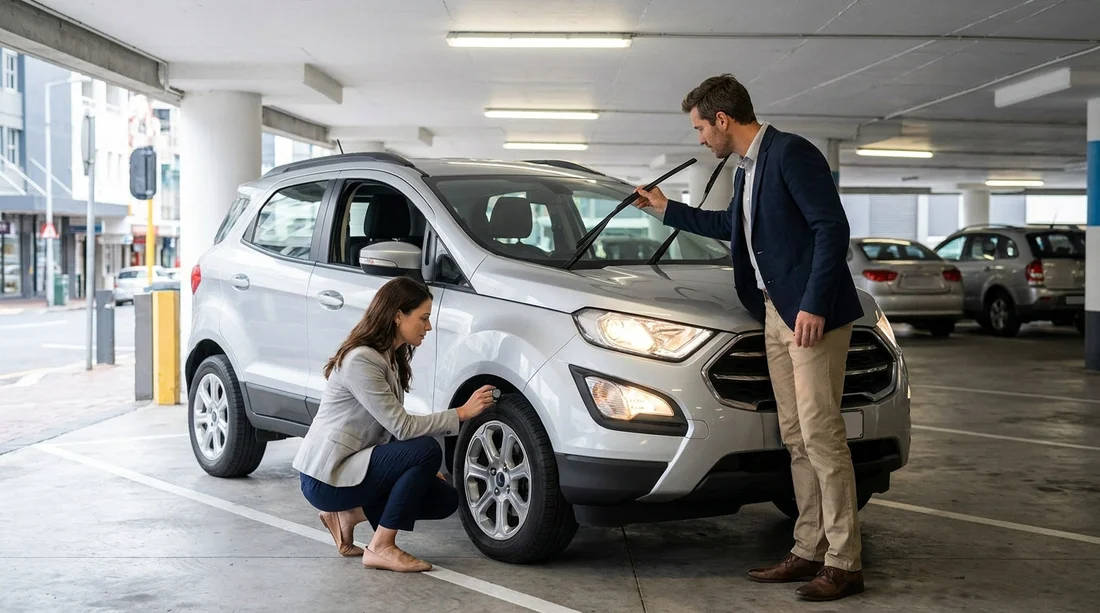
Before you leave the car park in New York, take five to ten minutes for a focused walkaround. It is the simplest way to spot safety issues early and ensure they are documented before you sign acceptance. This checklist concentrates on tyres, wipers and lights, because these are easy to verify quickly and they affect legality and visibility straight away in city traffic, tunnels, bridges and sudden rain.
If you are arranging car hire around the New York area, you may collect from JFK or Newark (EWR). For reference, Hola Car Rentals has location pages such as National car rental New York JFK and car rental Newark EWR, which can help you compare pick-up options and prepare for the handover process.
How to do a quick, reliable walkaround
Start with the car stationary, in good light if possible. Put the hazard lights on so other drivers notice you. Keep your phone ready for photos and short videos, and open the torch function if the garage lighting is poor. Work in one direction, for example front-left corner, along the driver’s side, around the rear, then up the passenger side, finishing at the front. This prevents missed checks.
Ask a staff member or a travelling companion to help you test lights while you stand outside. If you are alone, you can still test most functions by turning them on and walking around, but brake lights are easier with a helper.
Tyres: what to check before you drive off
Tyres are your only contact with the road. In New York you may hit rough patches, metal plates, potholes and sharp kerbs, so begin with a careful look.
1) Sidewall condition
Look closely at the sidewall of each tyre. Check for cuts, bulges, bubbles, scuffs that expose cords, or cracking. A bulge can indicate internal damage, and it is worth flagging immediately. Pay extra attention to the outer sidewalls, because kerb impacts often happen during parking manoeuvres.
2) Tread depth and even wear
Scan the tread across the full width. You are looking for visibly low tread, bald patches, or uneven wear (more worn on the inside or outside edge). Uneven wear can hint at alignment issues and may affect handling. If you see wear bars close to the tread surface or smooth areas, raise it before leaving.
3) Tyre pressure, quick check
You do not need a gauge to spot obvious problems. A tyre that looks noticeably flatter than the others may be underinflated, which can make the car feel unstable and increase the risk of damage. If the vehicle has a tyre-pressure monitoring system warning light on the dashboard, do not ignore it. Ask for the pressure to be corrected or the tyre inspected.
4) Matching tyres and correct type
Glance at tyre brands and patterns. A mismatched tyre is not always unsafe, but major differences across the same axle can affect grip in wet weather. Also check that the tyres are appropriate for the season, especially if you are travelling outside the city. If you are in a larger vehicle, or plan a move, note that van fleets can differ, see van hire Newark EWR for typical options.
5) Wheel and valve area
Check the wheel rim for bends, cracks, or fresh kerb rash. Look at the valve stem for damage or missing cap. While minor scuffs are common, sharp dents can suggest a heavy impact and may be worth documenting.
Wipers and washers: quick tests that matter in New York weather
New York rain can be sudden, and spray from traffic can reduce visibility fast. A 30-second wiper test can prevent a stressful drive from the terminal.
1) Windshield condition in the wiper sweep
Look through the glass where the wipers sweep. Chips, cracks, or heavy pitting can create glare at night and become worse with temperature changes. If you see damage in the driver’s line of sight, photograph it and have it recorded.
2) Wiper blade rubber and movement
Lift each wiper arm carefully if allowed, and check the rubber edge for splits, missing sections, or hardened, jagged areas. Then run the wipers at low and high speed. Listen for chattering and look for streaks. Streaking can mean worn blades or a dirty screen. If the blades skip or leave large unwiped areas, request a replacement.
3) Washer jets and fluid
Activate the washers. Confirm fluid sprays onto the windscreen and the wipers clear it effectively. Weak spray can mean clogged jets or low fluid. If nothing comes out, do not accept it as normal, because you may need washers immediately after leaving the airport roads.
4) Rear wiper (if fitted)
On SUVs and hatchbacks, test the rear wiper and washer too. Rear visibility matters when changing lanes and reversing into tight New York parking spaces.
Lights: confirm you are visible and legal
Lights are simple to test, but frequently overlooked in a busy pick-up area. In New York you will use tunnels, shaded streets and evening traffic, so confirm everything works.
1) Headlights, low and high beam
Switch on low beams, then high beams. Walk to the front and confirm both sides illuminate evenly. If one is out, report it. Also look for cloudy, yellowed lenses that reduce brightness, and document if severe.
2) Indicators and hazard lights
Turn on hazards and walk around the vehicle. Confirm all four corners flash. Then test left and right indicators. A fast flash rate often signals a failed bulb.
3) Brake lights
Ask a helper to press the brake while you stand behind the vehicle, checking both brake lights and the centre high-mounted brake light. If you are alone, reverse near a reflective surface or glass wall and press the pedal, but a helper is more reliable.
4) Reverse lights
With the handbrake on and your foot on the brake, shift into reverse and check that reverse lights come on. This is important for safety when backing out in crowded lots.
5) Interior warning lights
Before moving, glance at the dashboard. Warning lights for tyre pressure, ABS, or lighting faults should not be dismissed. If something stays illuminated, ask for clarification and record the response.
How to document issues before acceptance
Take clear photos of each tyre, each corner of the vehicle with lights on, and the windscreen. If you find damage or a non-functioning light, take a close-up and a wider shot showing the car’s location or the number plate. A 10-second video of a wiper test or a failed indicator can be even clearer than photos.
Then make sure the issue is written on the inspection form or in the digital check-out record before you sign. If staff resolve it on the spot, for example topping up washer fluid or swapping a vehicle, recheck the specific item before leaving the bay.
If you are collecting near EWR, you might see different operators and policies. Pages like Alamo car hire New Jersey EWR and Thrifty car hire Newark EWR can be useful for understanding where you will pick up and what to expect at handover. Regardless of brand, the same safety checks apply.
When to request a different car
Some findings are minor cosmetic notes. Others are worth stopping for. Consider requesting a different vehicle or immediate repair if you see a tyre bulge, cords showing, a persistent tyre-pressure warning, wipers that cannot clear the screen, a cracked windscreen in the driver’s view, or any failed headlight, brake light, or indicator. These can affect safety, increase stress in heavy traffic, and may create liability questions later.
FAQ
Do I need to measure tread depth on a rental car in New York?
You do not need special tools for a quick check. Look for low tread, uneven wear, or wear bars close to the surface, and flag anything that seems borderline.
What if the tyre pressure warning light is on at pick-up?
Do not drive off assuming it will reset. Ask staff to check pressures and inspect the tyre, then confirm the warning clears or the issue is documented.
How can I test brake lights if I am travelling alone?
Use hazards and indicators for a full walkaround, and try reversing near a reflective surface to view brake lights. If possible, ask staff for a quick assist.
Are streaky wipers a big deal, or just annoying?
They can become a safety problem in heavy rain or night glare. If the blades chatter, skip, or leave large streaks, request replacement before acceptance.
Should I photograph the lights working as proof?
Yes. A quick photo of the front and rear with lights on, plus indicators flashing, helps show the condition at handover if questions arise later.

























































































