


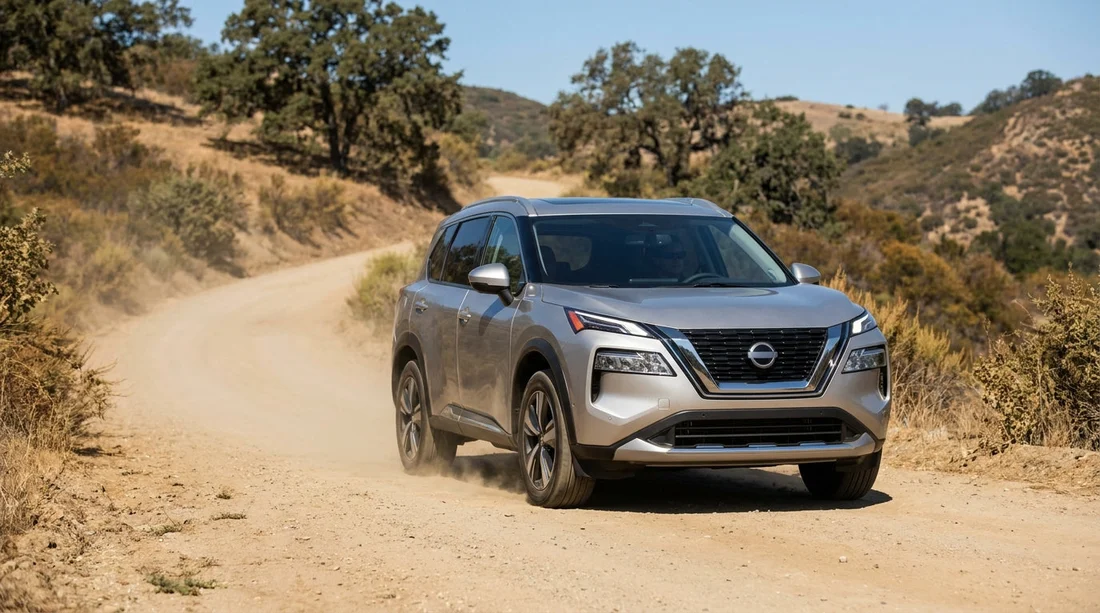
Quick Summary:
- LDW often excludes damage if you drive on unpaved or unmaintained roads.
- Confirm whether gravel, dirt, fire roads, or beaches are prohibited.
- Check the agreement for underbody, tyre, glass, and roof exclusions.
- Choose car hire cover by matching planned routes to permitted road types.
In California, Loss Damage Waiver, often shortened to LDW, can be misunderstood as a blanket promise that any damage is covered. In reality, LDW is a contractual waiver offered by the rental company that usually limits what you owe if the car is damaged or stolen, provided you follow the agreement. Whether LDW will cover a rental car after driving on unpaved roads depends less on the label “LDW” and more on the specific prohibited uses, road type definitions, and exclusion clauses in your rental contract.
This matters for California trips because many scenic destinations involve stretches of gravel, dirt, or badly maintained access roads. Even if the last few miles to a trailhead look harmless, the rental company may classify that surface as “unpaved,” “unmaintained,” or “off-road.” If damage occurs, the company can deny the waiver and charge you for repairs, towing, and loss of use, even if you purchased LDW.
How LDW usually works, and why road surface matters
LDW is not exactly insurance. It is typically the rental company agreeing to waive some or all of its right to charge you for damage, subject to conditions. One common condition is that the vehicle must be used only on public, paved roads, or only on roads that are “regularly maintained.” When you break a prohibited-use clause, the waiver can be voided.
For car hire in California, unpaved-road restrictions are common because gravel can cause stone chips, punctures, cracked windscreens, and underbody damage. Even slow speeds can result in scraping or impacts that the company may treat as negligence or unauthorised use, especially if the agreement explicitly bans dirt roads.
Typical unpaved-road exclusions you may see in California
While each provider’s terms differ, many contracts include similar categories of exclusions. If any of these apply, LDW may not cover damage that occurs while driving on the prohibited surface, or damage that can be linked to it.
1) Driving on unpaved, gravel, dirt, sand, or “unimproved” roads
Some agreements ban any unpaved road, full stop. Others allow unpaved roads only if they are publicly maintained and signed as an official route. If the contract uses broad language such as “unpaved roads, including gravel,” assume the strict interpretation.
2) Off-road use and areas not intended for vehicles
“Off-road” often includes trails, desert areas, dunes, beaches, riverbeds, and any place without a designated roadway. Beach driving is a common example where LDW can be denied, even if it is physically possible and locals do it.
3) Underbody damage exclusions
Even if unpaved driving is not explicitly forbidden, many LDW packages exclude undercarriage damage. Rocks and ruts can puncture components underneath the vehicle, and companies frequently treat this as outside the waiver.
4) Tyres, glass, roof, and interior exclusions
Windscreen chips from gravel, tyre sidewall damage from sharp stones, and roof damage from low branches can be excluded from LDW. If you rely on LDW as your main protection, check whether a separate package is needed for tyres and glass.
5) Towing and recovery costs
If you get stuck on sand or a muddy track, recovery can be expensive. Many agreements exclude towing from an unauthorised location. LDW may waive collision damage but still leave you paying for extraction and transport.
What to confirm in the rental agreement before you drive
To answer the title question for your situation, you need to confirm how the rental company defines permitted roads and what happens to LDW if you break the rule. The key is to look for plain-language clauses about use, not just the LDW summary.
Check the “prohibited uses” section
Look for phrases like “unpaved roads,” “dirt roads,” “gravel roads,” “unmaintained roads,” “off-road,” and “beaches.” If any are listed, assume LDW can be voided when damage is related to that use.
Look for definitions
Some agreements define “off-road” as any surface not paved. Others define “public road” as a road maintained by a government agency. If your itinerary includes forest access roads or trailhead approaches, definitions matter more than assumptions.
Confirm exclusions by part of the vehicle
Even on paved roads, LDW can exclude tyres and glass. On unpaved roads, those are precisely the parts most likely to be damaged. If your plans include gravel, you want to know whether a small chip becomes your full responsibility.
If you are comparing pick-up points and fleets, you can review options through Hola Car Rentals pages such as car rental at Los Angeles Airport (LAX), car hire in San Diego, car rental in Santa Ana (SNA), or Hertz car hire in Sacramento (SMF). These pages help you compare providers and vehicle categories, which is useful when you are trying to balance price with practical protection needs.
So, will LDW cover you on unpaved roads in California?
Most of the time, if your rental agreement prohibits unpaved roads, LDW will not cover damage that occurs while driving on them, and it may be voided altogether for that incident. If unpaved roads are permitted only under certain conditions, coverage can still be limited by exclusions for tyres, glass, and underbody damage.
The most reliable way to decide is to read the prohibited-use section, confirm how “unpaved” and “off-road” are defined, and choose car hire cover that matches the roads you genuinely plan to drive. If a destination requires gravel access, it is better to know the rule upfront than to discover it after a costly repair assessment.
FAQ
Does LDW automatically include unpaved-road driving in California? No. Many rental agreements restrict unpaved or unmaintained roads, and breaking that rule can void LDW for related damage.
If a road is publicly maintained but unpaved, am I covered? Sometimes, but only if the contract allows unpaved roads that are officially maintained. You need the agreement’s definition, not assumptions about the road.
What kinds of damage are most often excluded on gravel roads? Common exclusions include tyres, windscreen chips, underbody damage, and towing or recovery costs if you get stuck.
How can a rental company tell you drove on a dirt road? They may use the reported location, roadside assistance records, dust and debris evidence, or damage patterns like underbody scrapes and stone chips.
What should I do if my itinerary includes trailheads or remote viewpoints? Check whether access roads are paved, then confirm the rental’s prohibited uses and part-specific exclusions. If needed, choose a provider or cover that matches those roads.































































































