


Quick Summary:
- LDW may cover bodywork, but wheels, tyres, and underbody are often excluded.
- SCDW often lowers excess, but pothole and debris exclusions can still apply.
- Read the exclusions list for underbody, road damage, tyres, and wheels.
- Photograph rims and underside condition before leaving your New York pick-up.
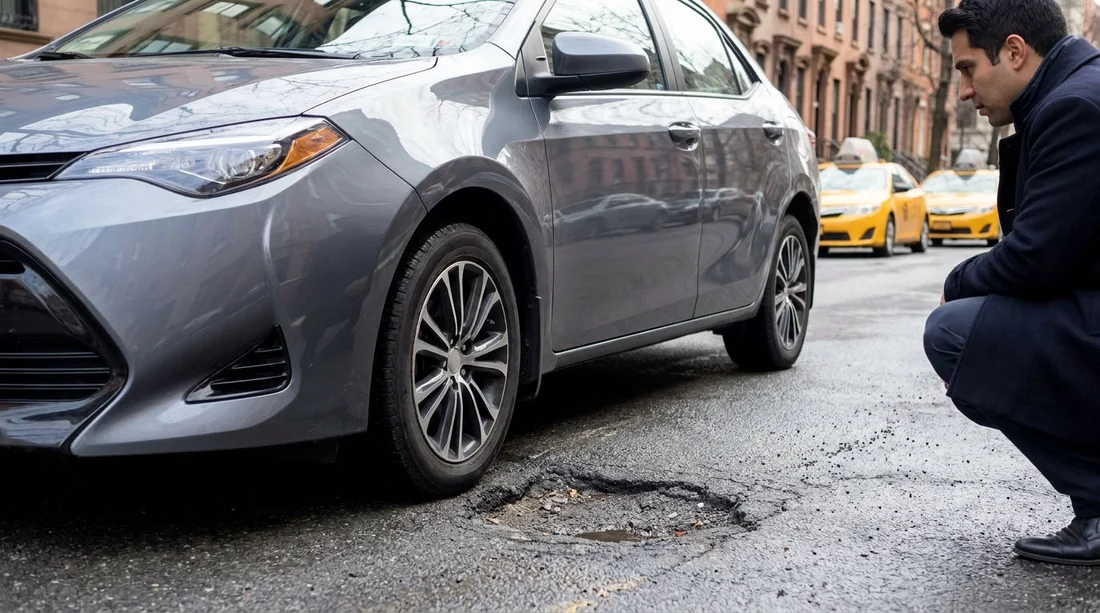
Potholes, metal plates, loose gravel, and construction debris are everyday realities around New York streets and approaches to the major bridges and tunnels. If you are arranging car hire, it is sensible to ask a specific question before you sign: if a pothole bends a rim, splits a tyre, or scrapes the underbody, will my waiver protect me?
The short, useful answer is that LDW and SCDW often help with collision damage to the car’s bodywork, but they frequently exclude “road damage” areas such as tyres, wheels, glass, roof, and underbody. The exact outcome depends on the rental company wording, any optional add-ons, and how the incident is classified.
If you are collecting near the airport, it helps to read the terms ahead of time on a page like car hire airport Newark EWR, then compare them with the paperwork at the counter. Even when your trip focus is New York, many hires are picked up from nearby Newark, so the contract conditions still drive what is covered.
What LDW and SCDW usually mean on New York car hire
LDW stands for Loss Damage Waiver. In practice it often combines two ideas: a waiver of the rental company’s right to claim the full value of the vehicle if it is damaged or stolen, and an excess you still pay if the waiver applies. SCDW, sometimes called Super CDW, is typically an additional waiver that reduces that excess, sometimes down to a smaller figure.
Important detail: both LDW and SCDW are defined by the rental agreement, not by a universal rule. One supplier may include certain road-damage items, another may exclude them entirely, and a third may include them only if you buy a separate tyre and windscreen package. When you compare options for car hire Newark EWR, look for the “exclusions” section first, because that is where pothole and debris scenarios are usually decided.
Does LDW cover pothole damage?
Often, LDW covers collision damage to body panels, bumpers, lights, and paint, subject to any excess and exclusions. A classic pothole claim, however, commonly affects tyres, wheels, suspension, alignment, and underbody components. Those areas are regularly carved out as “not covered”, even when the rest of the car is under LDW.
Typical contract wording to watch for includes “damage to tyres, rims, wheels, hubcaps”, “damage to the undercarriage/underbody”, “damage caused by road conditions”, or “single vehicle incident due to negligence”. A pothole strike can be interpreted as road-condition damage, which makes it more likely to fall into an excluded category.
Does SCDW cover potholes and debris better?
SCDW usually changes the amount you pay, not what types of damage are included. In other words, it often lowers the excess for covered damage, but it does not automatically add wheel, tyre, glass, or underbody into the covered list.
That is why you should treat SCDW as an “excess reducer” first, and only secondarily as additional protection. If pothole damage is excluded under LDW, it is frequently still excluded under SCDW. Some renters assume “super” means “all-inclusive”, but contracts often say the opposite, listing the same exclusions under both waivers.
Underbody, wheel, and debris related damage, what is commonly excluded
The areas most relevant to New York potholes and road debris are often treated as higher risk and are therefore excluded. Common exclusions on car hire contracts include tyres, wheels and rims, undercarriage and underbody scrapes, and some towing or recovery charges if a breakdown follows a wheel impact.
Because these categories are so common, it is worth choosing a vehicle type with your route in mind. For instance, families opting for a larger vehicle may review minivan rental Newark EWR options, then confirm wheel and underbody terms before deciding. A heavier vehicle does not guarantee fewer issues, but ground clearance and tyre profile can change the likelihood of damage.
What to check in the paperwork before you drive away
To answer the title question for your specific agreement, look for these items on the rental desk documents, the pre-contract summary, and the detailed terms.
Exclusions list: search for “tyres”, “wheels”, “rims”, “underbody”, “undercarriage”, “glass”, “roof”, “road damage”, and “negligence”. If any appear, ask how pothole impacts are handled in practice.
Excess and damage cap: confirm the excess for LDW, and the reduced excess for SCDW if selected. Ask whether any categories have a separate fixed charge.
Fees that can sit outside waivers: administration fees, loss of use, diminished value, appraisal fees, towing, and storage. Some suppliers charge these even when the waiver covers the main repair.
Requirements after an incident: you may need a police report for certain damages, particularly if debris causes a secondary incident or if there is third-party involvement. Failing to follow reporting rules can void waiver benefits.
If you are comparing brands, you can also review supplier pages such as Dollar car hire New Jersey EWR or National car rental Newark EWR, then verify the final contract at pick-up because local terms and optional protections can vary by location and date.
Practical steps to reduce pothole and debris risk in New York
Waiver language matters, but so does prevention. Start with an inspection at collection, then drive to conditions so you have time to spot holes and debris.
Inspect wheels and tyres at collection: photograph each rim and tyre sidewall in good light. Many drivers only photograph the body, but pothole disputes often centre on wheels.
Note existing scuffs properly: ensure rim scuffs are marked on the check-out report. If the report only shows body-panel diagrams, ask how wheel condition is recorded.
Avoid kerb strikes during parking: kerbing a wheel can look identical to pothole rim damage. If wheels are excluded, both situations can become chargeable.
Report damage promptly: if you hit a severe pothole and the steering feels off, stop somewhere safe, document the scene, and contact the rental provider.
FAQ
Does LDW cover tyre damage from a pothole in New York? Often no. Many agreements exclude tyres, so a pothole puncture or sidewall split is commonly chargeable to the renter.
If I buy SCDW, will it cover bent rims? Not necessarily. SCDW usually lowers the excess for covered damage, but wheel and rim exclusions frequently remain unchanged.
What wording should I look for to understand pothole coverage? Check for exclusions mentioning tyres, wheels, rims, underbody or undercarriage, road damage, and towing or recovery limitations.
Can underbody damage be found only at return? Yes. Scrapes and cracked covers may be noticed on inspection ramps, so take underside photos at pick-up if possible.
What should I do immediately after hitting road debris? Move somewhere safe, photograph the wheel and surrounding area, notify the rental company, and follow their reporting instructions to protect waiver eligibility.































































































