


Quick Summary:
- Pre-authorisation holds reserve funds, they are not a charge or payment.
- After return, the supplier releases the hold, issuers may take days.
- Use one credit card and matching driver details to avoid delays.
- Expect slower clearance around weekends, holidays, and bank processing windows.
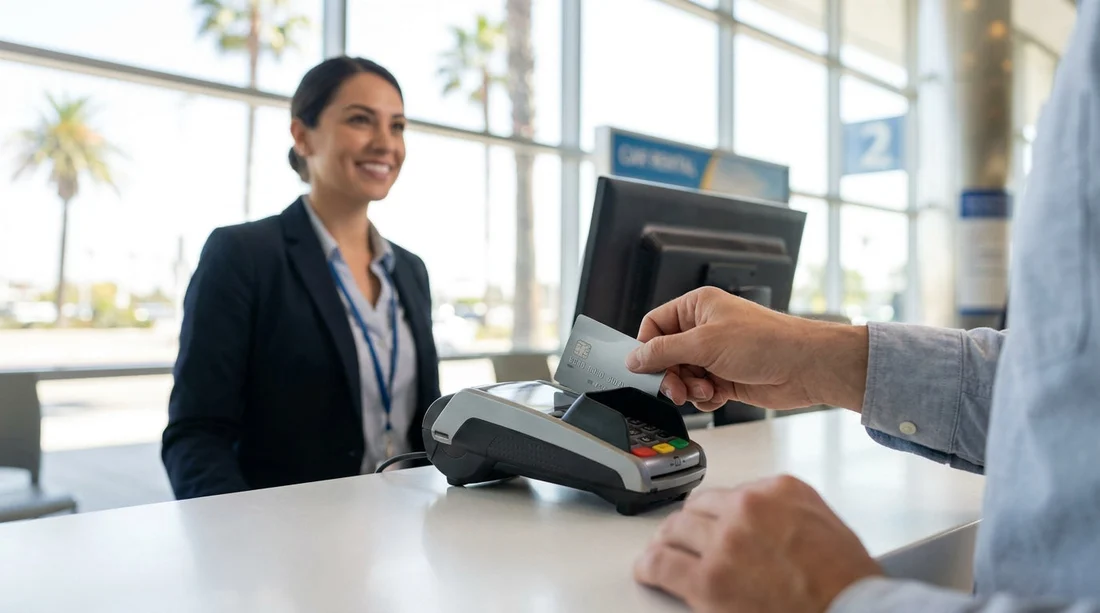
When you pick up a car hire in California, the most confusing line on your card account is often not the rental cost, it is the deposit hold. Many suppliers take a credit-card-only pre-authorisation at collection to cover potential extras, such as fuel differences, toll administration, late return fees, or damage excess, depending on your agreement. That hold reduces your available credit but usually does not appear as a completed purchase.
A pre-authorisation reversal is what happens when the supplier tells the card network that the hold can be released. In plain terms, the rental company stops reserving those funds and your bank then restores your available balance. The key detail is that the release is a two-step process. The supplier initiates the reversal, but your card issuer controls when it actually disappears from your pending transactions and when your available credit updates.
This matters in California because many travellers collect at busy airport locations and then rely on the same card for hotels, meals, and incidentals. If you are arranging a pick-up at Los Angeles Airport (LAX) or another high-volume desk, understanding timing helps you avoid an awkward moment at the counter and a squeezed credit limit during your trip.
What a car hire pre-authorisation actually is
A pre-authorisation is a temporary permission request sent through the card network (such as Visa, Mastercard, or Amex). It checks that your card is valid and that sufficient funds or credit are available up to a set amount. If approved, the amount is “ring-fenced” by the issuer. You can think of it as your bank promising the merchant the money is there, should a final charge be needed later.
Importantly, a hold is not the same as a completed transaction. A completed transaction is captured and posted as a charge. With most car hire deposits, the supplier does not capture the deposit. Instead, they keep the authorisation open while you have the vehicle, then release it after the rental closes, provided there is nothing to charge.
In California, the hold amount can vary by supplier, vehicle group, and location. Airport stations, popular city hubs, and premium vehicle categories often require higher deposits. If you are collecting near Orange County, for example, larger vehicle groups can carry different deposit rules, including for SUV hire at Santa Ana (SNA).
What is a pre-authorisation reversal?
A pre-authorisation reversal is the supplier’s message to cancel or release the authorisation they previously obtained. It usually happens when the rental is closed and the supplier’s system confirms the final amount due is settled, or that no additional charges are required beyond what you already paid.
Some issuers also release holds automatically after a set time even without a reversal, but relying on that is risky, because it can take longer. A proper reversal from the supplier is the cleanest route, but it still does not guarantee instant clearance on your banking app.
When will your car hire hold clear in California?
There is no single guaranteed timeframe because two parties control it: the supplier initiates the release, then your issuer updates your available credit. In practice, many holds drop off within a few working days after return, but it can take longer.
Common timing patterns travellers see include:
Same day to 3 business days: Often seen when the rental is closed cleanly, no extras, and the issuer processes pending transactions quickly.
3 to 7 business days: Common when returns happen late on a Friday, during public holidays, or when the supplier’s closing processes batch overnight.
7 to 14 business days (occasionally longer): More likely with some international cards, smaller issuers, or where there is a dispute, an adjustment, or a manual review.
If you are travelling through Northern California airports, you may notice slightly different patterns depending on desk workflows and bank processing windows. A collection at San Francisco Airport (SFO) or a city pick-up can still follow the same card-network rules, but return volume and staffing can affect how fast the supplier closes contracts.
Why reversals can take days even after you return the car
Even when you hand back keys and receive a receipt, several back-office steps can occur before the authorisation is released. Here are the most common reasons for delays.
Batch processing and end-of-day closing: Many suppliers close rentals in batches. If you return outside standard hours, your contract may close later.
Unfinalised extras: Fuel differences, toll administration, or late fees may require review. Some charges, like tolls, can post after the rental, depending on the toll provider’s reporting cycle.
Issuer processing times: Your bank decides how fast it updates pending items. Some issuers show holds for longer even after the merchant releases them.
Weekends and US holidays: A reversal started on Saturday may not move until the next business day. California travel peaks around holiday weekends, which can compound delays.
Multiple authorisations: Extensions, vehicle swaps, or a changed return location can trigger a new authorisation while the old one remains pending temporarily.
Card security checks: If your issuer flags a transaction, it may hold pending items until it completes internal checks. This is more common if you have recently travelled internationally or have a new card.
Steps to reduce delays before pick-up
You cannot fully control how fast a bank clears a reversal, but you can reduce the chances of a hold being larger than expected or lingering due to correctable issues.
Use one card consistently for the deposit. Switching cards mid-rental, splitting payment methods, or having a different card at extension can create overlapping authorisations.
Match driver details to your card. Ensure the main driver name aligns with the credit card name, including middle initials if your issuer is strict.
Arrive with sufficient available credit, not just a high limit. Pending hotel deposits and other travel holds reduce what is available for a car hire deposit.
Ask for a rental closure receipt at return. A closed contract receipt helps if you need to query a lingering hold with the supplier or your issuer.
Avoid last-minute extensions where possible. Extending at the counter can trigger a new authorisation and keep the earlier one pending longer.
Keep toll and fuel plans clear. If you opt into a toll product, confirm how it will be charged. If you decline it, ask what happens if tolls are incurred. Uncertainty here can lead to later adjustments that slow down final closure.
Plan returns earlier in the day on business days. When feasible, returning Monday to Thursday and during staffed hours can help your contract close sooner.
If you are comparing suppliers for a California trip, it can also help to understand that deposit rules vary by brand and location. For instance, travellers sometimes compare terms between general inventory and branded options such as Dollar car hire at LAX. The most important step is to review the deposit and payment requirements before travel so you arrive prepared.
FAQ
Is a pre-authorisation the same as a deposit payment? No. A pre-authorisation is a temporary hold that reduces available credit, but it is not a captured payment unless the supplier later posts a charge.
How long do car hire holds usually take to clear in California? Many clear within a few business days after return, but it can take a week or longer depending on the supplier’s closure timing and your card issuer’s processing.
Why does my banking app still show the hold after I returned the car? The supplier may have released it, but your issuer can keep authorisations visible until it updates pending items. Weekends and holidays can extend this.
Can I speed up the reversal? You can reduce delays by returning during staffed hours, getting a closed contract receipt, and avoiding rental changes that trigger multiple authorisations, but the final timing is controlled by your issuer.
What should I do if the hold becomes a charge? First confirm the final invoice details and any extras. If the charge appears incorrect, contact the supplier with your receipt and then speak to your issuer if needed.






























































































