

 HELP
HELP


VERIFIED REVIEWS


About hiring a car with Thrifty in Arizona
Best Car Rental Deals


Kia K4 | Automatic
SEDANor Sedan similar

Chevrolet Spark | Automatic
SMALLor Small similar
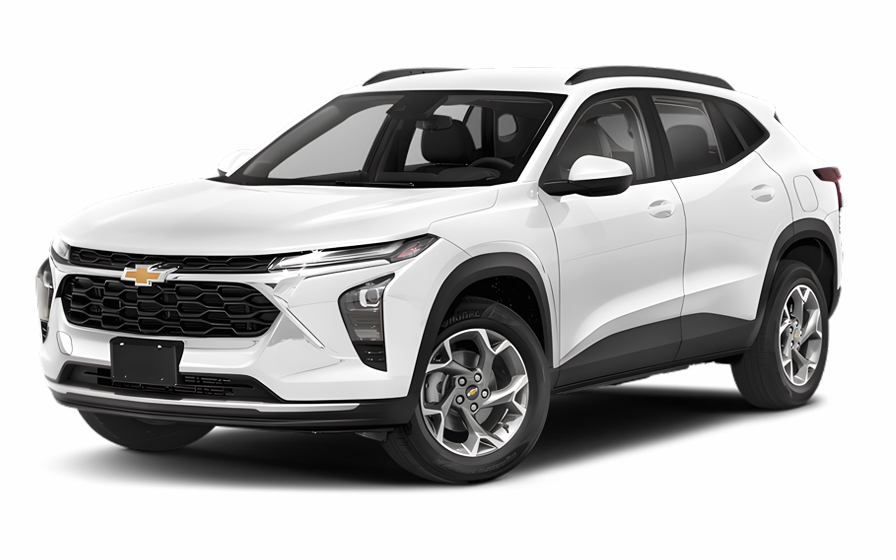
Chevrolet Trax | Automatic
SUVor SUV similar
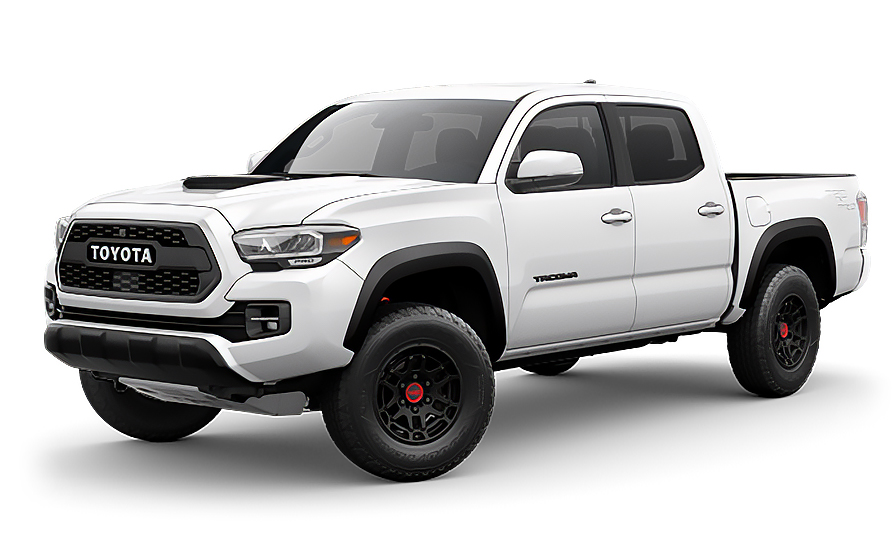
Toyota Tacoma | Automatic
PICKUPor Pickup similar

Chrysler Pacifica 7 Passengers | Automatic
MINIVANor Minivan similar
Frequently Asked Questions
What does my Hola Car Rentals booking with Thrifty in Arizona include that other companies don't offer?
Hola Car Rentals is the only premium partner of the top car hire brands operating in Arizona, giving you exclusive access to our All Inclusive+ rate. This rate includes benefits that no other company can match:
- Free liability coverage starting at US$ 300,000 in case of an accident (applies only to certain rates and itineraries)
- Toll cashback: recover up to 5% of the reservation's total value for toll charges incurred during your hire period
- Premium travel medical assistance providing up to US$ 150,000 in coverage for a maximum of 5 passengers in case of a medical emergency, excluding pre-existing conditions
- No Extra Charges© guarantee: if the counter charges you for something not listed on your confirmation and not an optional add-on you accepted, Hola Car Rentals will work to remove or reimburse the charge after verification
All of this comes at no extra cost, ensuring a fully protected car hire experience and peace of mind throughout your trip in Arizona.
Will I face unexpected charges at the Thrifty counter in Arizona when I book through Hola Car Rentals?
No. With Hola Car Rentals, all costs and charges for your booking in Arizona are clearly shown at the time of reservation and in your confirmation email, so you know exactly what you are paying before you arrive at the counter.
On top of that, every Hola Car Rentals booking includes the No Extra Charges© guarantee. This is a pricing guarantee (not insurance) that protects you if the counter in Arizona charges you for something that was not listed on your confirmation and was not an optional add-on you accepted. If that happens, Hola Car Rentals will work with the hire partner to remove or reimburse the charge after verification.
The only costs outside this guarantee are:
- Optional add-ons you choose at the counter (GPS, child seats, prepaid fuel)
- Usage-based charges (tolls, fuel shortfall, traffic fines)
How do I pick up my Thrifty hire car at Phoenix Sky Harbour Airport in Arizona?
Yes, Thrifty has a dedicated counter at Phoenix Sky Harbour International Airport (PHX) in Arizona, located at the Rental Car Centre at 1805 E Sky Harbour Circle South.
To reach the Thrifty counter after landing:
- After collecting your baggage, follow the signs marked "Rental Car Shuttles" inside the terminal
- Board the free shuttle bus to the Rental Car Centre, which runs continuously and takes roughly 0 to 10 minutes
- Look for the Thrifty logo on the shuttle or at the Rental Car Centre to confirm you are in the right place
The Thrifty counter at PHX is open 24 hours a day, every day, so late-night or early-morning arrivals in Arizona are not a problem. When returning the vehicle, drive back to the same Rental Car Centre and take the shuttle back to your terminal.
Are there toll roads in Arizona that affect my Thrifty hire?
No, Arizona has no toll roads, so driving your Thrifty hire vehicle anywhere in the state will not generate any toll charges.
Unlike neighbouring states such as California, which has cashless express lanes and bridge tolls, Arizona roads are completely toll-free. You will not need a transponder, an electronic toll pass, or any toll programme add-on for travel within Arizona.
Because there are no toll roads in Arizona, Thrifty does not activate any toll device for in-state driving, and you will not see toll-related fees on your final hire invoice for routes driven entirely within Arizona.
If your trip takes you beyond Arizona into states that do have tolls, such as California or Texas, the toll device in your Thrifty vehicle may activate and charges could apply. In that case, keep your toll receipts, because all bookings include Tolls Cashback, which lets you claim up to 5% of your total booking value back for tolls paid during the hire period.
What documents do I need to pick up a Thrifty car in Arizona?
To collect your Thrifty hire in Arizona, you must present the following physical documents at the counter:
- A valid, original driver’s licence in the main driver’s name
- A major credit card with the driver’s name printed on the physical card, used for the authorisation hold
- A passport or valid government-issued photo ID
- Your booking confirmation or printed voucher
- Round-trip flight or cruise tickets if you are visiting from abroad
If your driver’s licence is not in English and does not use a Latin alphabet (for example, Arabic, Chinese, Japanese, or Cyrillic script), an International Driving Permit (IDP) is mandatory alongside your original licence. For licences in English or using a Latin alphabet, an IDP is recommended but not strictly required at most Arizona Thrifty locations.
All documents must be physical originals. Digital copies shown on a phone or tablet are not accepted at the Thrifty counter in Arizona. Debit cards and prepaid cards are not accepted for the authorisation hold.
Does Thrifty in Arizona include Tolls Cashback if I drive to other states?
Yes, every booking made through Hola Car Rentals for a Thrifty vehicle in Arizona includes Tolls Cashback, which reimburses up to 5% of your total booking value for tolls paid during the hire.
Because Arizona itself has no toll roads, this benefit becomes relevant if your Thrifty hire takes you into neighbouring states that do charge tolls, such as California or Nevada. If you drive through a cashless toll point in those states, you can claim the cost back after your trip.
To claim your Tolls Cashback:
- Email [email protected] within 30 days of returning your Thrifty vehicle in Arizona
- Use the subject line: Tolls Cashback, followed by your reservation confirmation number
- Attach your Hola Car Rentals confirmation, the signed hire agreement, and a toll receipt or statement showing the charges
Refunds are processed to the original payment method and typically arrive within 7 to 10 business days after approval. Claims submitted after 30 days are not accepted.
What is the minimum age to hire a car from Thrifty in Arizona?
The minimum age to hire a Thrifty vehicle in Arizona without a young-driver surcharge is 25. Drivers aged 21 to 24 can hire but will pay an additional daily underage fee at the Thrifty counter.
For Thrifty in Arizona, the young-driver surcharge is approximately US$13.50 per hire day plus applicable taxes, with a maximum cap of US$189 plus taxes for the hire period.
Drivers under 25 hiring from Thrifty in Arizona should also be aware of vehicle class restrictions. Categories such as full-size SUVs, luxury, premium, minivans, and convertibles are typically reserved for drivers aged 25 and older. Economy, compact, and intermediate vehicles are generally available to younger drivers.
Regardless of age, all hirers must present a valid driver’s licence and a major credit card in their own name for the authorisation hold. Arizona does not have the same state-law exceptions as New York or Michigan, so the standard Thrifty policy applies across all Arizona locations.
How much is the security deposit for a Thrifty hire in Arizona?
When picking up a Thrifty hire in Arizona, the counter will place a temporary authorisation hold on your credit card as a security deposit. For standard vehicles in the United States, this hold is typically around US$300 to US$400, though the exact amount can vary by vehicle class, location, and season.
A few important points about the deposit for your Thrifty hire in Arizona:
- The hold is not a charge; it temporarily reduces your available credit until released after you return the vehicle
- Only a major credit card with the driver’s name printed on the physical card is accepted; debit cards and prepaid cards are not permitted
- Premium or speciality vehicles may require a higher hold amount
- After returning your Thrifty vehicle in Arizona, the hold is released, but your bank may take up to 15 working days to reflect the release
Bring a backup credit card in your name in case your primary card is declined, and notify your bank of your travel to Arizona to prevent fraud blocks on the authorisation.
Can I add an additional driver to my Thrifty hire in Arizona?
Yes, you can add an additional driver to your Thrifty hire in Arizona, either as part of your rate or by paying a fee at the counter.
For Thrifty in Arizona, the additional driver fee is approximately US$13.50 per hire day plus taxes, with a maximum charge of US$189 plus taxes for the full hire period. Check your booking confirmation first, as some rates include one additional driver at no extra cost.
Requirements for adding a driver to your Thrifty agreement in Arizona:
- The additional driver must be present at the Thrifty counter at collection
- They must present a valid driver’s licence and sign the hire agreement
- They must meet the minimum age requirements; drivers aged 21 to 24 may be subject to a young-driver surcharge
- An International Driving Permit is required if their licence uses a non-Latin alphabet
Only drivers listed on the Thrifty hire agreement in Arizona are covered by the vehicle’s protections. Anyone not named on the contract who drives the car may void the cover.
What fuel policy applies to Thrifty hires in Arizona?
Thrifty hires in Arizona follow a Full-to-Full fuel policy by default. You receive the vehicle with a full tank and must return it full to avoid additional charges.
To avoid fuel fees on your Thrifty hire in Arizona:
- Check the fuel gauge with the agent at collection and confirm the starting level is recorded on the hire agreement
- Take a photo of the dashboard showing the odometer and fuel gauge
- Refuel within approximately 10 miles or 15 kilometres of the Thrifty return location at Phoenix Sky Harbour or whichever Arizona location you are using
- Keep the fuel receipt showing the date, time, and station address
If you return the Thrifty vehicle in Arizona with less than a full tank, you may be charged for the fuel shortfall at the partner's refuelling rate, which is typically higher than the pump price, plus a refuelling service fee. Returning the car full is always the most cost-effective option.
For after-hours returns at Arizona airport locations, leave the fuel receipt in the key envelope and keep a photo of the full gauge on your phone.
Does Thrifty in Arizona offer travel assistance if something goes wrong during my trip?
Yes, most bookings made through Hola Car Rentals for a Thrifty vehicle in Arizona include travel assistance coverage provided by Terrawind Global Protection, at no extra cost.
This benefit is especially useful in Arizona, where some driving routes pass through remote desert areas far from urban centres. If a medical emergency occurs during your Thrifty hire, you have access to 24-hour assistance.
Coverage typically includes:
- Travel insurance with medical cover for up to 5 passengers
- Legal assistance in the event of an accident
- Compensation for baggage lost by the airline
- Flight cancellation insurance
To reach the assistance line at any time during your Arizona trip, call +1 888 980 9992 (toll-free) or contact via WhatsApp at +1 208 910 1001. Have your Hola Car Rentals confirmation number ready when you call.
Important: this benefit does not apply to residents of the United States or Canada. It is designed for international visitors hiring a Thrifty vehicle in Arizona. It also does not cover damage to the hire car itself; that is handled separately by CDW/LDW cover.
Does Thrifty in Arizona have off-airport locations?
Yes, Thrifty operates several off-airport locations across the Phoenix metropolitan area in Arizona, in addition to the main counter at Phoenix Sky Harbour International Airport.
Off-airport Thrifty locations in Arizona include:
- Phoenix: 949 W Camelback Rd (open weekdays 7:30 AM to 5:30 PM, Saturdays 9:00 AM to 12:00 AM, closed Sundays)
- Gilbert: 82 W Ray Rd and 904 N McQueen Rd
- Goodyear: 13530 W Van Buren St
- Tempe: 7700 S Priest Dr
- Mesa Gateway Airport is also listed as an airport location
Off-airport Thrifty locations in Arizona may offer lower base rates compared to the PHX airport counter, since airport concession fees are typically not applied at city locations. However, off-airport sites have more limited operating hours and may not offer after-hours key drop, so confirm directly with the specific Arizona location before booking if you have an early or late arrival.
The PHX airport Thrifty counter remains the most convenient option for visitors flying into Arizona, as it is open 24 hours and accessible via the free hire car shuttle.
What insurance options does Thrifty offer for hires in Arizona?
When picking up a Thrifty hire in Arizona, you will be offered several insurance and protection products at the counter. Understanding what each covers helps you avoid paying for duplicate protection.
The main options available for your Thrifty hire in Arizona are:
- Collision Damage Waiver (CDW) or Loss Damage Waiver (LDW): reduces your financial liability for damage to the Thrifty vehicle itself from a collision, theft, or vandalism. A deductible may apply unless your confirmation shows zero excess
- Third-Party Liability (LIS/ALI/SLI): covers bodily injury and property damage you may cause to other people or vehicles while driving the Thrifty car in Arizona. Some U.S. states require a minimum level of liability; confirm what is included in your rate
- Personal Accident Insurance (PAI): covers medical costs for you and your passengers
CDW/LDW does not cover third-party liability, and LIS/ALI/SLI does not cover damage to the Thrifty vehicle. Check your booking confirmation to see which protections are already included in your Arizona rate before accepting add-ons at the counter.
Can I pick up a Thrifty car in Arizona and return it in a different state?
Yes, one-way hires are possible with Thrifty in Arizona, but a drop-off fee may apply depending on the route and destination.
If you pick up your Thrifty vehicle in Arizona and return it in another state, such as California, Nevada, or Texas, the booking system will calculate whether a one-way fee applies for that specific route. This fee is shown during checkout under the "To pay at destination" section and will also appear on your booking confirmation.
Key points for one-way Thrifty hires from Arizona:
- The drop-off fee is route-specific and varies by distance, vehicle class, and season
- Not all routes from Arizona to other states carry a fee; shorter or common routes may have no charge
- Cross-border hires (for example, driving into Mexico) are typically not permitted and require prior authorisation from Thrifty
- Changing your return location after booking may reprice the hire and recalculate the drop-off fee
Review your confirmation carefully before travel to confirm whether a one-way fee applies to your specific Arizona Thrifty itinerary.
What happens if my flight to Arizona is delayed and I miss my Thrifty pickup time?
If your flight to Arizona is delayed, Thrifty will generally hold your reservation for up to 24 hours from the original scheduled pickup time, so a short delay should not cause you to lose your booking.
Here is what to expect for your Thrifty hire in Arizona:
- Delays under 24 hours: your Thrifty booking in Arizona is held automatically. Make sure you arrive during the counter's operating hours; the PHX airport Thrifty counter is open 24 hours, so late arrivals at Phoenix Sky Harbour are covered
- Delays over 24 hours: contact Hola Car Rentals support as soon as possible via WhatsApp at +1 (786) 999-8312 or by email at [email protected]. Changes are not guaranteed but the team will assist where possible
- Off-airport Thrifty locations in Arizona have limited hours, so if your delay pushes your arrival past closing time, contact the location directly or rebook for the next available slot
If you arrive during the grace period and the Thrifty counter in Arizona is open, proceed normally with your original confirmation. Always keep your flight delay documentation in case it is needed to support any modification request.
RENTAL CAR LOCATIONS

- Choosing a selection results in a full page refresh.
- Opens in a new window.
Suggested Currencies
- $ USD - United States Dollar
- € EUR - Euro
Other Countries
-
 Albania
-
 Algeria
-
 Andorra
-
 Angola
-
 Antigua & Barbuda
-
 Argentina
-
 Australia
-
 Austria
-
 Bahamas
-
 Bahrain
-
 Bangladesh
-
 Barbados
-
 Belgium
-
 Belize
-
 Benin
Benin
-
 Bermuda
-
 Bolivia
-
 Bosnia & Herzegovina
-
 Botswana
-
 Brazil
-
 British Virgin Islands
-
 Bulgaria
-
 Burkina Faso
-
 Burundi
-
 Cameroon
-
 Canada
-
 Cape Verde
-
 Cayman Islands
-
 Central African Republic
-
 Chad
Chad
-
 Chile
Chile
-
 Colombia
-
 Comoros
-
 Congo - Brazzaville
-
 Congo - Kinshasa
-
 Costa Rica
-
 Côte d’Ivoire
-
 Croatia
-
 Curaçao
-
 Cyprus
-
 Czechia
-
 Denmark
-
 Djibouti
-
 Dominica
-
 Dominican Republic
-
 Ecuador
-
 Egypt
Egypt
-
 El Salvador
-
 Equatorial Guinea
-
 Eritrea
-
 Estonia
-
 Eswatini
-
 Ethiopia
-
 Finland
-
 France
-
 Gabon
Gabon
-
 Gambia
-
 Germany
-
 Ghana
Ghana
-
 Greece
-
 Grenada
-
 Guatemala
-
 Guinea
-
 Guinea-Bissau
-
 Guyana
-
 Haiti
Haiti
-
 Honduras
-
 Hong Kong SAR
-
 Hungary
-
 Iceland
-
 India
India
-
 Iraq
Iraq
-
 Ireland
-
 Israel
-
 Italy
Italy
-
 Jamaica
-
 Japan
Japan
-
 Jordan
-
 Kenya
Kenya
-
 Kuwait
-
 Latvia
-
 Lebanon
-
 Lesotho
-
 Liberia
-
 Libya
Libya
-
 Liechtenstein
-
 Lithuania
-
 Luxembourg
-
 Madagascar
-
 Malawi
-
 Mali
Mali
-
 Malta
Malta
-
 Mauritania
-
 Mauritius
-
 Mexico
-
 Moldova
-
 Monaco
-
 Montenegro
-
 Morocco
-
 Mozambique
-
 Namibia
-
 Netherlands
-
 New Zealand
-
 Nicaragua
-
 Niger
Niger
-
 Nigeria
-
 Norway
-
 Oman
Oman
-
 Palestinian Territories
-
 Panama
-
 Paraguay
-
 Peru
Peru
-
 Philippines
-
 Poland
-
 Portugal
-
 Qatar
Qatar
-
 Romania
-
 Russia
-
 Rwanda
-
 San Marino
-
 São Tomé & Príncipe
-
 Saudi Arabia
-
 Senegal
-
 Serbia
-
 Seychelles
-
 Sierra Leone
-
 Singapore
-
 Sint Maarten
-
 Slovakia
-
 Slovenia
-
 Somalia
-
 South Africa
-
 South Korea
-
 South Sudan
-
 Spain
Spain
-
 St. Lucia
-
 St. Vincent & Grenadines
-
 Sudan
Sudan
-
 Sweden
-
 Switzerland
-
 Taiwan
-
 Tanzania
-
 Togo
Togo
-
 Trinidad & Tobago
-
 Tunisia
-
 Türkiye
-
 Turks & Caicos Islands
-
 Uganda
-
 Ukraine
-
 United Arab Emirates
-
 United Kingdom
-
 United States
-
 Uruguay
-
 Vatican City
-
 Venezuela
-
 Yemen
Yemen
-
 Zambia
-
 Zimbabwe
Driving license from:
-
Albania
-
Algeria
-
Andorra
-
Angola
-
Antigua & Barbuda
-
Argentina
-
Australia
-
Austria
-
Bahamas
-
Bahrain
-
Bangladesh
-
Barbados
-
Belgium
-
Belize
-
Benin
-
Bermuda
-
Bolivia
-
Bosnia & Herzegovina
-
Botswana
-
Brazil
-
British Virgin Islands
-
Bulgaria
-
Burkina Faso
-
Burundi
-
Cameroon
-
Canada
-
Cape Verde
-
Cayman Islands
-
Central African Republic
-
Chad
-
Chile
-
Colombia
-
Comoros
-
Congo - Brazzaville
-
Congo - Kinshasa
-
Costa Rica
-
Côte d’Ivoire
-
Croatia
-
Curaçao
-
Cyprus
-
Czechia
-
Denmark
-
Djibouti
-
Dominica
-
Dominican Republic
-
Ecuador
-
Egypt
-
El Salvador
-
Equatorial Guinea
-
Eritrea
-
Estonia
-
Eswatini
-
Ethiopia
-
Finland
-
France
-
Gabon
-
Gambia
-
Germany
-
Ghana
-
Greece
-
Grenada
-
Guatemala
-
Guinea
-
Guinea-Bissau
-
Guyana
-
Haiti
-
Honduras
-
Hong Kong SAR
-
Hungary
-
Iceland
-
India
-
Iraq
-
Ireland
-
Israel
-
Italy
-
Jamaica
-
Japan
-
Jordan
-
Kenya
-
Kuwait
-
Latvia
-
Lebanon
-
Lesotho
-
Liberia
-
Libya
-
Liechtenstein
-
Lithuania
-
Luxembourg
-
Madagascar
-
Malawi
-
Mali
-
Malta
-
Mauritania
-
Mauritius
-
Mexico
-
Moldova
-
Monaco
-
Montenegro
-
Morocco
-
Mozambique
-
Namibia
-
Netherlands
-
New Zealand
-
Nicaragua
-
Niger
-
Nigeria
-
Norway
-
Oman
-
Palestinian Territories
-
Panama
-
Paraguay
-
Peru
-
Philippines
-
Poland
-
Portugal
-
Qatar
-
Romania
-
Russia
-
Rwanda
-
San Marino
-
São Tomé & Príncipe
-
Saudi Arabia
-
Senegal
-
Serbia
-
Seychelles
-
Sierra Leone
-
Singapore
-
Sint Maarten
-
Slovakia
-
Slovenia
-
Somalia
-
South Africa
-
South Korea
-
South Sudan
-
Spain
-
St. Lucia
-
St. Vincent & Grenadines
-
Sudan
-
Sweden
-
Switzerland
-
Taiwan
-
Tanzania
-
Togo
-
Trinidad & Tobago
-
Tunisia
-
Türkiye
-
Turks & Caicos Islands
-
Uganda
-
Ukraine
-
United Arab Emirates
-
United Kingdom
-
United States
-
Uruguay
-
Vatican City
-
Venezuela
-
Yemen
-
Zambia
-
Zimbabwe