


Quick Summary:
- LDW in New York often excludes windscreen, tyres, wheels, and underbody damage.
- Check whether your quote shows an excess, and when it applies.
- Confirm the voucher lists LDW exclusions and any glass and tyre add-ons.
- Inspect tyres and windscreen at pick-up, and document any existing damage.
When comparing a car hire quote in New York, it is common to see LDW included, sometimes described as Loss Damage Waiver, Collision Damage Waiver, or a combined waiver. The name suggests broad protection, but many renters only discover at the counter that windscreen and tyre damage may sit outside the waiver. Because policies vary by supplier and vehicle, the only safe approach is to understand the typical exclusions, how the excess works, and exactly what the voucher and rental agreement say before you commit.
LDW is not usually “insurance” in the traditional sense. It is a waiver where the rental company agrees to limit what it will charge you for certain types of damage or theft, provided you follow the agreement. In practice, you are still responsible for damage that is excluded, for any excess that remains, and for costs that are not considered “damage” (for example, administration fees, loss of use, towing, or diminished value) if the contract allows them.
If you are starting your comparison for the New York area, you may see different inclusions depending on pick-up point, such as car hire at New York JFK or options across the river at Newark. The coverage language can look similar, yet the exclusions can be different, so it is worth reading each quote carefully.
What LDW typically covers, and where glass and tyres fit
In most New York rental agreements, LDW reduces your financial liability if the vehicle is damaged in a collision, vandalised, or stolen. The key word is “reduces”, because an excess is often still payable. Whether the windscreen and tyres are included depends on the supplier’s definition of “collision damage” and the list of excluded parts.
Glass is frequently treated separately. A windscreen chip from road debris may be considered “glass damage” rather than collision damage, even if it happened while driving normally. Tyres and wheels are also commonly excluded because they are considered wear items or high-frequency damage areas, especially in cities where kerbs, potholes, and road works are common.
So, is windscreen and tyre damage covered by LDW on a rental car quote in New York? Sometimes, but often not by default. Many suppliers require a separate “glass and tyre” product, or they only cover these items if the damage is part of a larger incident that also damages bodywork. The precise definition matters, and it is almost always written into the rental agreement terms.
What to check in the voucher versus the rental agreement
For car hire, the voucher is usually the document that summarises what you paid for through the booking channel, what is included, and key exclusions. The rental agreement is the contract you sign at the counter, and it controls what happens if something goes wrong. You should read both, because mismatches can occur.
On the voucher, check for a clear inclusions list, a stated excess, and any mention of exclusions such as glass, tyres, wheels, roof, or undercarriage. If exclusions are mentioned, treat it as a strong signal that you should investigate further.
On the rental agreement at the counter, check the definitions for “damage”, “glass”, “tyres”, and “wheels”, and understand how damage is assessed and charged. If glass and tyres are not included, the agreement may offer an additional product, so decide based on your tolerance for risk and the routes you will drive.
If you are comparing airport pick-ups, you might review terms for car rental at JFK and also check Newark options like car hire at Newark EWR. The aim is not to assume one is better, but to confirm the details match your expectations.
Practical steps to reduce glass-and-tyre disputes
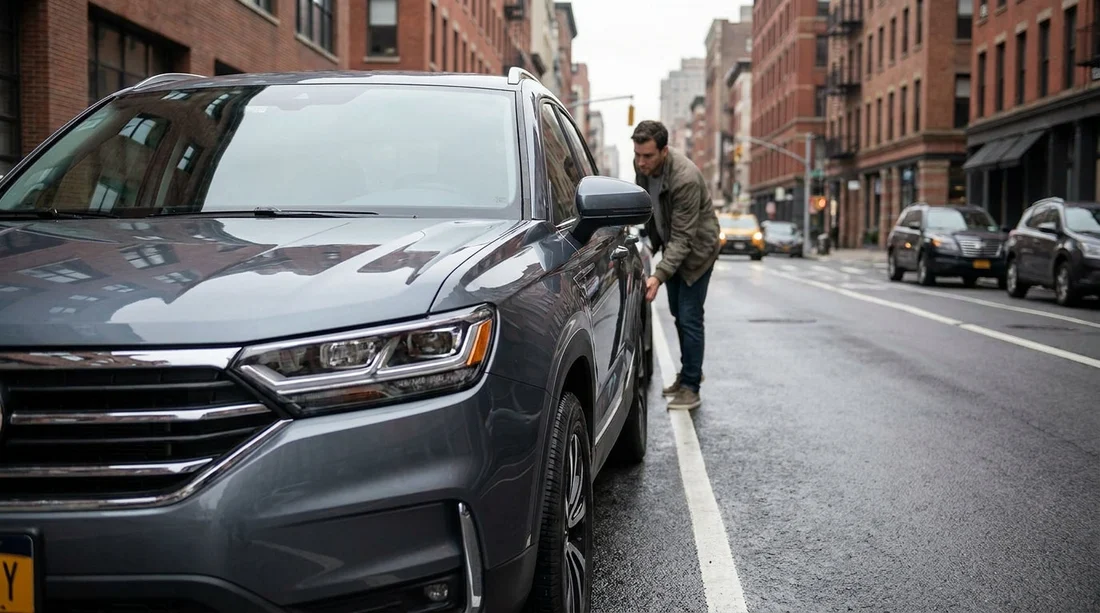
Most disputes over windscreens and tyres come down to documentation and timing. Do a slow walkaround, photograph the windscreen and each wheel and tyre, and ensure any existing chip or rim mark is recorded before you drive off.
If a stone chip spreads or you get a puncture, follow the agreement instructions and call the correct assistance number. Some suppliers require you to contact roadside assistance before arranging any repair.
For travellers who need extra space, the same checking process applies to larger vehicles. For instance, if you are reviewing van rental near Newark EWR, pay close attention to undercarriage and tyre language, because larger vehicles can be more exposed to kerb and pothole impacts.
FAQ
Does LDW usually include windscreen damage in New York? Often it does not. Many suppliers treat glass as a separate category, so you should check the exclusions list and the contract definitions.
Are tyres and wheels covered if I have LDW? Commonly, tyres and rims are excluded, especially kerb damage and punctures. Some suppliers cover them only when linked to a wider accident claim.
If glass and tyres are excluded, what will I pay? You may pay the full repair or replacement cost, plus any related fees allowed by the agreement, regardless of the LDW excess shown for body damage.
Where do I find the exact LDW excess amount? Look first on your voucher for the stated excess, then confirm the same figure and conditions in the rental agreement you sign at pick-up.
What is the single most important check before driving away? Photograph the windscreen and all wheels and tyres, and ensure any existing chips or rim marks are recorded on the condition report.





























































































