


Quick Summary:
- LDW may cover animal collisions, but the exact wording varies.
- Rodents, insects, and contamination damage are often excluded in full.
- Confirm underbody, radiator, towing, and fees before leaving the counter.
- Take photos, report quickly, and keep written records for disputes.
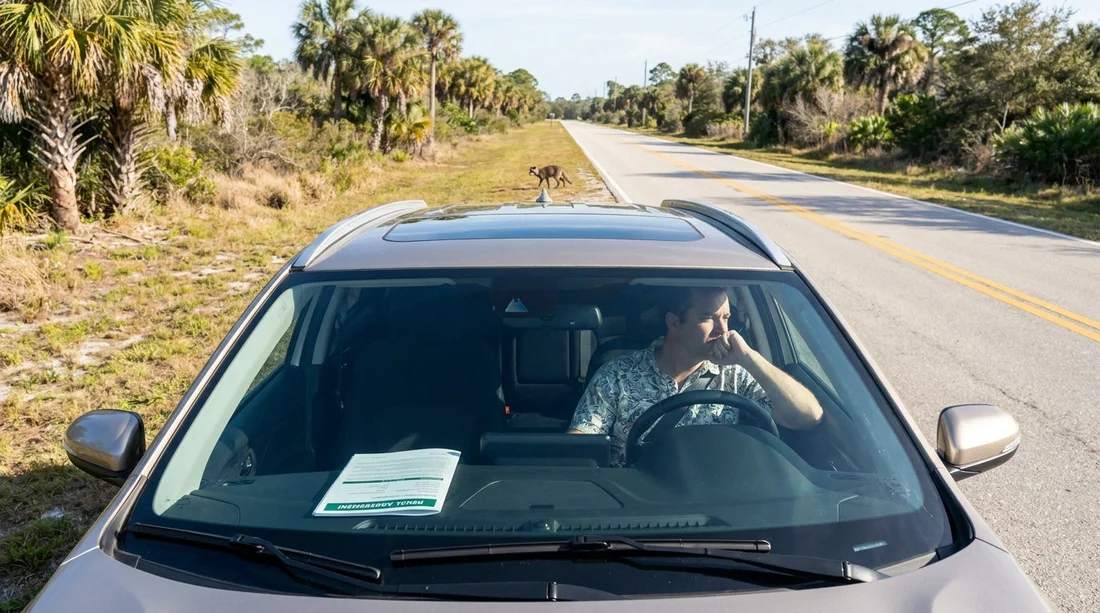
Florida driving can include unexpected wildlife encounters, from deer in quieter suburbs to alligators near waterways. If you are arranging car hire, you will often see “LDW” on the paperwork and assume it covers any accident. In practice, Loss Damage Waiver is a contractual waiver, not a universal insurance policy, and animal-related damage is one of the areas where inclusions and exclusions can differ.
This guide explains how LDW typically treats animal or wildlife damage in Florida, what tends to be covered, what is commonly excluded, and what to confirm before you drive away. For travellers collecting near major hubs, Hola Car Rentals information pages for locations such as Orlando MCO and Fort Lauderdale FLL can help you compare car hire options, then you can focus on the fine print around protection products.
What LDW usually means on a Florida rental
LDW (sometimes shown as LDW/CDW) is generally a waiver that reduces or removes your financial responsibility for damage to, or theft of, the rental vehicle, provided you follow the rental agreement. It often has conditions, such as reporting requirements, prohibited uses, and exclusions for certain types of damage.
When people ask whether LDW covers animal damage, the more accurate question is: “Does the waiver apply to this particular type of damage, and are there any excluded parts, fees, or situations?” Some rental terms treat animal impacts as a type of collision, while others treat animal-related damage as a special category, especially where the damage is gradual or preventable.
Animal impacts: the situations LDW is more likely to cover
In many rental agreements, an unexpected impact with an animal while driving is treated similarly to a collision with an object, meaning LDW may apply. Examples can include a deer strike at dusk, or hitting a larger animal on an unlit road. If the agreement classifies it as accidental damage and you comply with reporting rules, LDW often helps with repair costs to bodywork, glass, lights, and mechanical parts affected by the impact.
However, “may apply” is the key phrase. Coverage depends on the exact LDW wording, whether the incident is recorded as an accident, and whether there are separate exclusions for particular components like tyres or the undercarriage. If you are choosing between vehicle types, note that larger vehicles can reduce the likelihood of certain underbody impacts in pooled water areas, and SUV-focused options such as SUV hire in Coral Gables can be relevant when thinking about clearance and road conditions, even though no vehicle eliminates animal risks.
Animal-related damage that is often excluded
Where renters get caught out is damage that is not a single, sudden impact. Many agreements distinguish between an “accident” and “damage due to infestation, neglect, or preventable causes”. Common exclusions can include:
Rodents and chewing damage. Squirrels, rats, or other animals can chew wiring, hoses, and insulation, particularly if the car is parked for long periods near vegetation. This is frequently excluded because it can be classed as “vermin” damage, not collision damage.
Insects and infestation. Damage linked to insects, nests, or contamination may be excluded, especially where it requires specialist cleaning. Even if cleaning is covered, downtime charges can still be an issue, depending on the terms.
Interior contamination. If an animal gets into the vehicle and soils upholstery or causes odour, this may be treated as cleaning, not damage. Many rental terms treat cleaning as outside LDW, or only covered up to a low limit.
Undercarriage, tyre, and mechanical exclusions. If an animal strike causes secondary damage underneath the car, some agreements exclude underbody damage even when the initial event was accidental. This is why it is important to ask what counts as “underbody” and whether components like the radiator, suspension, and oil pan are included.
Delays in reporting. A small impact can become a larger problem if you continue driving, for example overheating from a damaged radiator. Some providers can deny the waiver if they believe continued use increased the damage. Prompt reporting matters.
What to check on the rental document before you drive
The best way to choose LDW confidently is to verify specific phrases in the rental agreement or product description. Look for:
How animal impacts are classified. Does the document treat “collision with animals” as accidental damage, or list animals under exclusions?
Excluded parts. Many disputes come from excluded categories such as tyres, wheels, glass, roof, undercarriage, or interior. If wildlife damage typically affects bumpers, headlights, and radiators, those categories matter.
Towing and roadside assistance. After an animal strike, you may need towing even if the bodywork looks minor. Confirm whether towing is included, capped, or separate.
Administrative and loss-of-use charges. Some waivers reduce repair liability but still allow fees like administration, appraisal, or loss of use. Ask whether these are waived or still payable.
Required steps after an incident. Many terms require you to notify the rental company immediately and, in some situations, file a police or incident report. Clarify what “immediately” means and whether roadside assistance must be used.
If you are collecting in South Florida, compare the provider rules and location processes through pages such as Alamo car hire in Miami and National car rental in Doral, then read the specific waiver terms issued at the counter or in your e-sign documents.
Practical steps to reduce animal-related risk in Florida
Even with LDW, preventing the incident can save time, stress, and disruption to your trip. A few habits help:
Drive cautiously at dawn and dusk. Wildlife is more active, visibility is reduced, and speeds on unfamiliar roads can be higher than expected.
Avoid swerving sharply. A sudden swerve can cause a worse collision or loss of control. If an impact is unavoidable, braking in a straight line is usually safer than swerving into another lane or off the road.
Be careful where you park. Parking near dumpsters, dense vegetation, or standing water can increase the chance of pests. If you are staying in resort areas, use well-lit spaces and avoid leaving food waste in the car.
Do a quick walk-around at each stop. It is not only for existing scratches. Look for fluids, dangling trim, or cracked lights after any suspected contact.
How to decide if you need additional protection beyond LDW
Because animal damage is not treated consistently, think about your route and your risk tolerance. If you will be driving rural roads, travelling at night, or planning longer distances, you may value broader cover that includes common excluded components. The key is to identify which items are excluded by default and then decide whether an additional product or a different package addresses those gaps.
Also consider practical add-ons that relate to the aftermath of an animal strike, such as towing coverage or roadside assistance, even if you are comfortable with repair liability being waived. A small impact can still leave the car undrivable due to coolant loss or sensor damage.
Finally, remember that the waiver can be invalidated by breaches of the rental agreement, such as driving on prohibited roads or failing to report an incident. When comparing car hire options, price matters, but clarity on these conditions matters just as much.
FAQ
Does LDW automatically cover hitting a deer in Florida? Not automatically. Many agreements treat a deer strike as a collision and apply LDW, but you must confirm the wording and comply with reporting requirements.
Is damage from rodents chewing wires covered by LDW? Often not. Rodent or “vermin” damage is commonly excluded because it is not a sudden collision, and it can be classed as preventable or maintenance-related.
If an animal strike damages the radiator or undercarriage, is that included? Sometimes, but undercarriage and mechanical components are frequent exclusions. Check whether the waiver excludes “underbody” and whether towing is covered if the car overheats.
Do I need a police report after hitting an animal? Requirements vary by provider and by severity. Ask the rental company immediately whether a police or incident report is required for the waiver to apply.
What evidence should I collect to support an LDW claim? Take photos of damage and surroundings, note time and location, keep tow and repair instructions, and obtain a written incident reference from the rental company.





























































































