


Quick Summary:
- Choose intermediate for easier parking, lower costs, and everyday comfort.
- Pick standard for more shoulder room and a slightly bigger boot.
- Intermediate is often a little more fuel efficient on average.
- For four adults with luggage, standard usually feels less cramped.
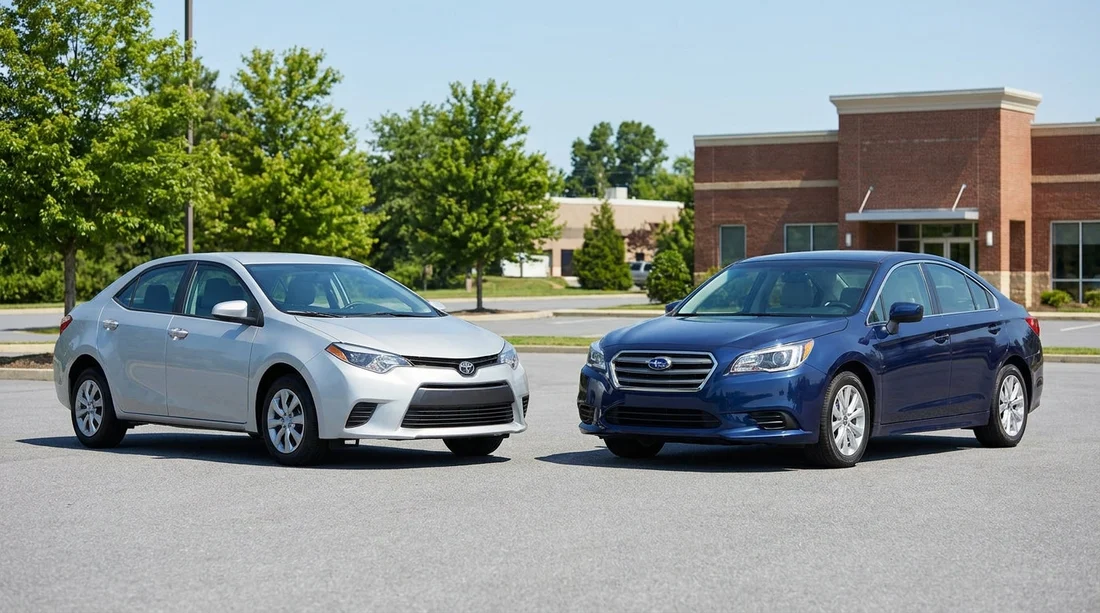
When you’re comparing car hire options in Pennsylvania, “intermediate” and “standard” can look very similar on a booking screen. Both sit in the middle of the range, both are usually four door saloons or similar sized hatchbacks, and both handle city streets and motorway miles well. The difference is mainly about small but noticeable upgrades in space and comfort, and how those changes can affect running costs like fuel.
Because hire fleets vary by supplier and location, you are generally choosing a class rather than a specific model. Still, intermediate and standard categories tend to follow consistent patterns. If you know what to look for, you can pick the class that fits your passengers, luggage, routes, and parking plans across Pennsylvania.
If you are arriving by air, it can also help to review local pick up options. For example, you can compare airport oriented choices on car hire at Philadelphia Airport (PHL) versus downtown collection through car hire in Philadelphia, as availability by class can shift by station.
What “intermediate” usually means in Pennsylvania
An intermediate car is commonly considered a comfortable, mid size step up from compact. In Pennsylvania, this often translates to a vehicle that is easy to drive in dense areas like Center City Philadelphia, while still being relaxed on longer runs to the Poconos, Hershey, or Pittsburgh.
Cabin space: seating for five on paper, but most comfortable for two to four adults. Rear legroom is usually adequate, rather than generous.
Boot space: generally fits one large suitcase plus a couple of cabin bags, or two medium suitcases with careful packing. The boot opening can be narrower than in larger classes.
Driving feel: lighter steering and a slightly tighter turning circle can make parking less stressful.
Fuel economy: often a touch better than standard, especially for stop start city driving, because the vehicle is a bit lighter.
What “standard” usually means in Pennsylvania
A standard car is the next size band up. The upgrade is rarely dramatic, but it can be the difference between “fine” and “comfortable” when you have four adults, child seats, or luggage for a longer stay.
Cabin space: more shoulder room up front and a bit more rear legroom. Three adults in the back is still not ideal, but it is more realistic for short journeys.
Boot space: usually accommodates an extra medium suitcase, or makes it easier to stack bags without blocking rear visibility.
Comfort features: standard class may more often include upgraded trims, quieter cabins, and a smoother ride over broken city surfaces.
Fuel economy: can be slightly lower than intermediate, but differences are often modest on motorway cruising.
Space and luggage, the practical differences that matter
If your Pennsylvania plan includes airport pick up, hotel check in, and a mix of city and day trips, luggage volume becomes the deciding factor. Intermediate is often best for one to two people with a couple of suitcases. Standard tends to feel better for two people with lots of luggage, or three to four people with moderate luggage.
A good way to decide is to think in “real seats” rather than the advertised capacity. With intermediate, the middle rear seat can be tight and the boot can fill quickly. With standard, you get a little more flexibility, which matters when you add a pushchair, cooler, or shopping bags.
If you already know you will need more vertical space or easier access for bulky items, it may be worth comparing with larger categories. Hola Car Rentals also lists bigger options such as SUV rental in Philadelphia, which can suit families or outdoor gear, although fuel use and parking convenience change accordingly.
Parking and manoeuvrability in Philadelphia and beyond
If your itinerary includes central Philadelphia, intermediate cars have a practical edge. They are typically easier to place in tight spaces, simpler to park on street, and less stressful in older garages with narrow ramps. In suburbs or smaller towns, the size difference matters less, but you will still notice it in busy shopping areas and hotel car parks.
That said, standard is not “large” in the American sense. It is usually still manageable for urban use. The key is how confident you feel with city parking, and whether you prioritise cabin space over convenience.
For travellers comparing suppliers and class availability, you can review related options through pages like car rental in Philadelphia. Fleet mix changes by season, so having flexibility between intermediate and standard can help you find a suitable match.
Which class should you choose for your trip type?
Solo or couple, city focused: intermediate is often the sweet spot for manoeuvrability, good fuel economy, and enough space for a couple of cases.
Two adults with lots of luggage: standard can reduce packing stress, especially if you will be moving hotels or shopping.
Three or four adults: standard is typically more comfortable, particularly for rear passengers and longer drives.
Family with child seats: standard can help with elbow room, but if you need pram space, consider whether a larger class is more practical.
Long weekend with mixed driving: either can work, so decide based on parking comfort versus luggage volume.
If you want to compare vehicles across major suppliers, Hola Car Rentals provides dedicated pages that can help you assess class availability for your dates, such as Enterprise car hire in Philadelphia or Budget car hire in Philadelphia. The important point is to focus on the class characteristics, not a single model name.
FAQ
Is a standard car always bigger than an intermediate car? Usually yes, but the difference can be subtle. Standard typically offers a bit more rear legroom and boot capacity, though exact dimensions vary by fleet.
Which is better for fuel economy, intermediate or standard? Intermediate often has slightly better fuel economy, particularly in city driving. On motorway routes the gap can be small, depending on the specific vehicle supplied.
Will four adults be comfortable in an intermediate car? For short trips it can be fine, but for longer drives across Pennsylvania, standard usually feels less cramped, especially for rear passengers.
Do intermediate and standard cars both handle well in Philadelphia traffic? Yes, both are manageable. Intermediate can feel easier for tight parking and narrow garages, while standard prioritises a calmer, roomier cabin.
How can I choose the right class when models vary? Decide based on luggage count, passenger height, and how much city parking you expect. Treat the class as a space and comfort promise rather than a specific model.

























































































