


Quick Summary:
- LDW can exclude toll programmes, fuel rules, and violation administration fees.
- Additional drivers, young driver surcharges, and optional extras may cost more.
- Security deposits and card pre-authorisations can still apply at pick-up.
- Request a written breakdown of exclusions, optional covers, and total charges.
LDW, often shown as Loss Damage Waiver, can be reassuring when arranging car hire in Florida, but it is not a promise that every cost disappears. LDW usually relates to damage to, or theft of, the rental vehicle, and even then it can include exclusions, conditions, and an excess depending on the rate and supplier. Many of the most common add-on fees are not “damage” at all, they are operational charges, optional services, or penalties. Knowing what sits outside LDW helps you compare like-for-like and avoid surprises when you arrive at the counter.
Florida is a high-volume rental market with toll roads, heavy airport traffic, and varied driving patterns, so it is worth taking a few minutes to query charge types before signing. If you are collecting near major hubs such as Orlando Airport (MCO) or Fort Lauderdale Airport (FLL), counter processes can be fast paced. The key is to separate “LDW coverage” from “everything else on the rental agreement”.
LDW basics, what it commonly covers and what it does not
LDW typically addresses the rental company’s cost when the vehicle is damaged or stolen, subject to terms. It does not automatically cover your personal injuries, other people’s property, or every scenario involving the car. Even when LDW is included, the agreement may still place responsibility on the renter if there is negligence, unauthorised driving, or prohibited use. That is why the extra fees below can still apply even with LDW on the booking.
Security deposit, pre-authorisation, and payment card rules
One of the most common misunderstandings is thinking LDW removes the need for a deposit. In Florida car hire, suppliers often place a security hold, also called a pre-authorisation, on a payment card at pick-up. This is separate from insurance and is used to cover potential costs such as fuel differences, tolls, tickets, cleaning, or contractual penalties.
Holds can vary by vehicle category, supplier, and whether you add extras. Some locations also have rules about debit cards, credit cards, local address requirements, or minimum card limits. Ask in advance what amount will be held, what card types are accepted, and how long it can take for the hold to release after return.
Tolls, toll programmes, and administrative fees
Florida’s toll network is extensive, and many visitors will encounter toll roads, bridges, and express lanes around Orlando, Miami, and beyond. LDW does not cover toll charges because they are not damage related. You may have a few ways to handle tolls, depending on the supplier and location, including paying cash on certain routes, using your own compatible transponder, or enrolling in the rental company’s toll programme.
Toll programmes can involve daily access fees, per-use convenience charges, or post-trip invoicing, and some apply on any day the vehicle is used, not only on days you pass a toll. If you are picking up around Miami Beach, for example, confirm whether the vehicle is equipped with an electronic toll device and what the programme costs. Also ask whether there are separate administrative fees for processing tolls after you return the car.
Fuel, refuelling, and energy charges
Fuel is another area that sits outside LDW. Florida rentals usually use one of these policies: full-to-full, pre-purchase fuel, or return-as-is. The most economical is often full-to-full, but only if you can refuel close to the return point and keep an eye on opening hours.
If you return short of the required level, the supplier may charge the missing fuel plus a refuelling service fee. For hybrid or electric vehicles, there can be charging fees, idle fees if applicable, or a flat energy top-up charge if the vehicle is returned below an agreed level. Ask what proof is needed for refuelling and how fuel levels are measured.
Additional drivers and age-related surcharges
LDW does not cover the cost of adding drivers. Many suppliers charge per day for each additional driver, and rules vary on whether a spouse or domestic partner can be added at no extra cost. If you plan to share driving, confirm how many drivers are included, what documents are required at the counter, and whether you can add drivers later during the rental.
Age-related fees are also common. Young driver surcharges may apply under a certain age threshold, sometimes with restrictions on vehicle categories. There may also be additional requirements for older drivers depending on the supplier. If you are arranging car hire in districts such as Brickell, vehicle type can affect surcharges, especially for larger vehicles or premium categories.
Optional extras, equipment, and upgrades
LDW does not include optional equipment. Items such as child seats, booster seats, GPS units, Wi-Fi devices, and added convenience features typically carry daily rates and may have maximum caps. The same is true for upgrades, whether requested in advance or accepted at the counter. If you are offered a different category, check the total estimated price for the full rental period and whether the upgrade changes the deposit amount.
Also confirm replacement fees for lost or damaged accessories, for instance missing child seat components. These are not “LDW events”, they are separate rental property charges.
Traffic violations, toll evasion, and related administration charges
Tickets and fines are not covered by LDW. If the rental company receives notice of a violation, they may charge the fine plus an administrative fee for processing. This can include red-light camera tickets, parking citations, speeding tickets, or toll violations. Even if you pay the authority directly, the rental company may still apply an admin fee if they had to provide renter details or handle documentation.
Ask how violations are handled, what the admin fee is, and whether you will be notified by email or post. Ensure the contact details on the contract are correct, especially if you are travelling internationally.
Cleaning, smoking, and odour remediation fees
LDW is about damage and theft, not cleanliness. If a vehicle is returned excessively dirty, with stains, sand, pet hair, smoke residue, or strong odours, cleaning charges can apply. Florida’s beaches and theme parks make this more common than many travellers expect, particularly with wet swimwear, sunscreen spills, or snack mess in the back seats.
Smoking fees are typically substantial and can apply even when there is no visible ash, because suppliers may use ozone treatment or deep cleaning. If you are travelling with pets, confirm the supplier’s policy and whether pet-related cleaning is chargeable.
Keys, locks, roadside call-outs, and towing
Losing keys, locking them in the car, or requiring a tow is another category that may not be fully covered by LDW. Some suppliers treat key replacement, locksmith services, battery jumps, and tyre call-outs as separate charges unless you have a roadside assistance product. Even when roadside assistance is included, it may exclude incidents caused by driver error, such as misfuelling or leaving lights on.
Ask what is included in any roadside assistance option, what constitutes a chargeable call-out, and whether there are caps or per-incident fees.
What to ask before signing the Florida rental agreement
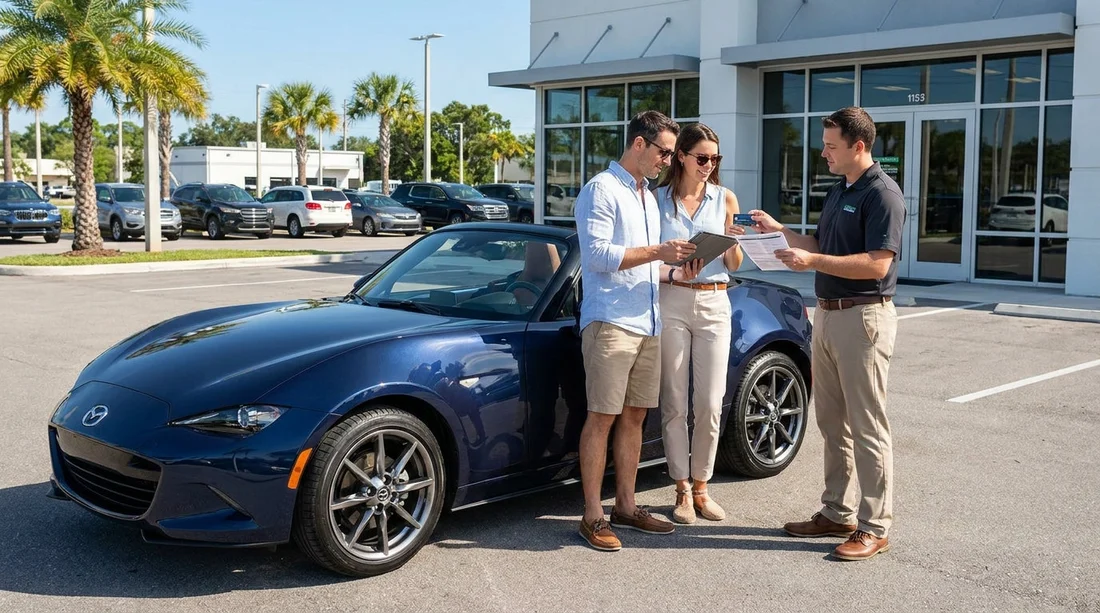
To make LDW meaningful in practice, confirm the full set of costs that can still appear on your final invoice. Ask for a line-by-line breakdown of the estimated charges, including deposits, toll handling, fuel policy, additional drivers, optional equipment, and administrative charges. Confirm which items are optional and which are mandatory for your specific rental, and ensure you understand any exclusions that could make you liable for damage despite having LDW.
If you are comparing different suppliers, check whether the same terms apply across brands and neighbourhoods. Policies can differ even within the same city, for instance between airport counters and city locations.
FAQ
Does LDW cover tyre or windscreen damage in Florida? Sometimes, but not always. Many agreements treat tyres, wheels, glass, or underbody as exclusions or limited items, so ask what is specifically included and whether an extra product is offered.
Will I still need to leave a deposit if LDW is included? Usually yes. A security deposit or card pre-authorisation is commonly required to cover non-damage charges like fuel differences, tolls, fines, cleaning, or contractual penalties.
Are tolls included with LDW? No. Tolls are separate road charges. You may pay them via a toll programme, your own transponder where accepted, or post-trip billing, and admin fees can apply.
Can I be charged for a ticket even after returning the car? Yes. Violations can be processed after your rental ends. The supplier may charge the fine plus an administration fee for handling the notice and providing renter details.
What is the best way to avoid unexpected extras? Review the fuel policy, toll handling, deposit amount, and optional extras before signing. Request a written estimate and confirm what counts as optional versus mandatory.





























































































