


Quick Summary:
- LDW often covers accidental scratches and dents, unless specific exclusions apply.
- Minor damage is defined by company thresholds, not personal judgement.
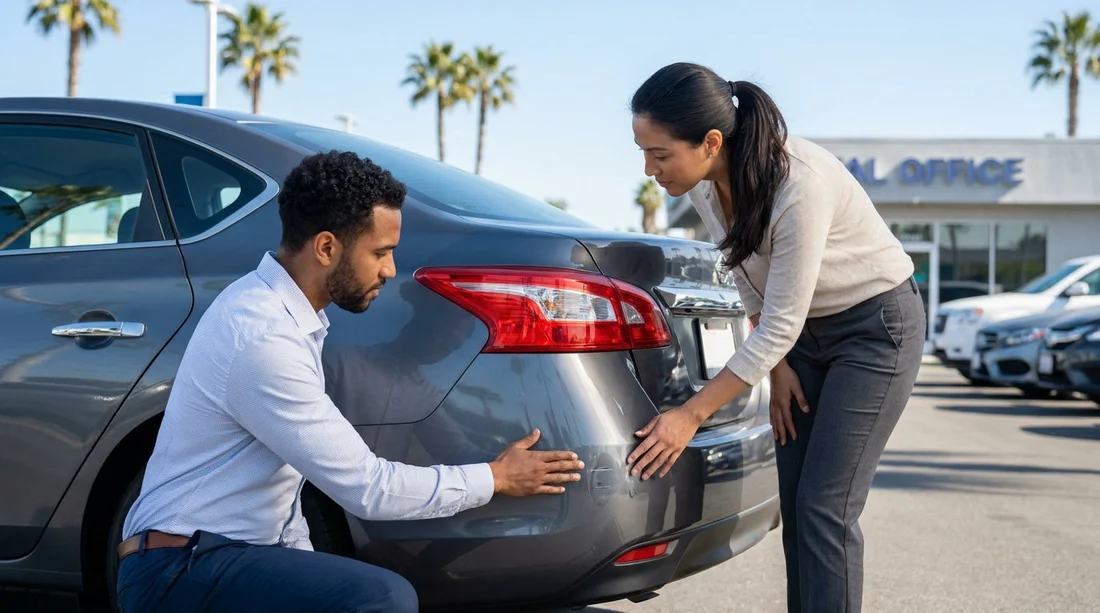
- Photograph and record existing marks at pick-up before you leave.
- Check exclusions for wheels, glass, underbody, roof, and negligence claims.
When you arrange car hire in California, the “LDW” option can look like a simple yes or no decision. In practice, whether LDW covers scratches and minor dents depends on what the agreement calls “loss” or “damage”, how the vehicle is inspected, and which exclusions apply. LDW commonly reduces or removes your financial responsibility for accidental damage to the rental car, but it is not a blank cheque for every mark found at return.
This guide explains how scratches and small dents are typically treated on a California rental car agreement, what to check at the counter, and how to avoid unpleasant surprises.
What LDW usually means on a California rental agreement
LDW stands for Loss Damage Waiver. It is generally a contractual waiver, not traditional insurance. In many US agreements, it means the rental company waives its right to charge you for certain damage or loss to the vehicle, subject to conditions and exclusions.
Because LDW is contractual, the exact wording matters. Two rentals at different desks, or even different brands at the same airport, can treat “minor damage” differently. If you are comparing car hire options in California across airports, it helps to look at the terms attached to the rate, not just the headline price. For example, travellers collecting near San Francisco International may see different LDW structures depending on provider and channel, including listings like car rental in San Francisco SFO.
Does LDW cover scratches and minor dents?
Typically, yes, LDW is intended to cover accidental body damage such as scratches, scuffs, and minor dents, provided the incident is not excluded and you comply with the agreement.
Covered in many cases: a light scratch from brushing a pillar, a small dent from an unknown car park impact, minor paint transfer, or a scrape on a bumper corner.
Not necessarily covered: damage that falls into excluded categories (often wheels, tyres, glass, roof, undercarriage), damage from prohibited use, or damage linked to negligence or a breach of the contract.
Also note that some agreements use different terminology. You may see “LDW”, “CDW”, or “Damage Waiver”. The name is less important than the included and excluded parts, plus any deductible (sometimes called an excess).
How “minor damage” is usually treated at pick-up and return
Many rental companies use a “wear and tear” approach. They expect the car to come back with normal use marks, and they have internal thresholds that define what is acceptable without charge. The tricky part is that these thresholds are not always printed in a customer-friendly way. A scratch that looks minor to you might be classed as chargeable if it exceeds a length limit, exposes primer, or is on a high-cost repair area.
If you are collecting at a major airport such as Los Angeles, allow time to check the car before leaving the lot. Provider pages such as Dollar car hire at Los Angeles LAX can be a useful starting point for comparing options, but the inspection routine still happens at the kerb.
Common LDW exclusions that affect scratches and dents
Even when LDW applies to body panels, exclusions can change the outcome. Scratches and dents become “not covered” most often because the damage is on an excluded part, or because the event is treated as avoidable.
Wheels, tyres, hubcaps: Kerb rash and sidewall damage are frequent, and often excluded unless you have a specific wheel and tyre cover.
Glass and mirrors: Chips and cracks may sit outside standard LDW, depending on the agreement.
Roof and underbody: Low bridges, parking garages, and road debris can cause damage that is commonly excluded.
Interior damage: Tears, burns, stains, and odours are often treated differently from exterior dents.
Negligence or prohibited use: Off-roading, ignoring warning lights, driving through flooded roads, or leaving the vehicle unattended with keys accessible can void cover.
Unreported incidents: Some agreements require prompt notification and a report for certain events, particularly if another vehicle is involved.
These exclusions matter because a “minor dent” on a door might be covered, while a “minor scrape” on a wheel might not be. If your California trip involves tight city parking, consider how likely wheel scuffs are, especially if you are driving a larger vehicle like a people carrier. Options such as minivan rental in San Jose SJC can add comfort, but larger dimensions can increase the chance of rim contact in multi-storey car parks.
Steps to take at pick-up to protect yourself
If you want LDW to work as intended, focus on two things: documenting pre-existing damage and understanding what you are agreeing to.
1) Inspect in good light before you drive away. Check bumpers, door edges, wing mirrors, and lower panels. Walk around slowly and look from different angles to spot dents.
2) Take time-stamped photos and video. Capture the full vehicle, then close-ups of any marks. Include the fuel level and mileage on the dash if possible.
3) Ensure pre-existing marks are recorded. If there is a condition sheet or digital checklist, ask for the damage to be added. If the desk says “it’s already in the system”, still photograph it.
4) Ask what counts as chargeable damage. You are not asking for special treatment, you are clarifying the standard. If there is a published wear-and-tear guide, ask to see it.
5) Confirm who is authorised to drive. An unlisted driver can cause coverage issues, even for minor damage.
This matters whether you are collecting at Sacramento, Orange County, or elsewhere. Airport pages like car rental at Sacramento SMF are handy for planning, but your best protection is the five-minute inspection at the bay.
What to do if a scratch or dent happens during your rental
If you notice new damage, stay calm and follow the agreement. If another vehicle is involved, exchange details and take photos. If the car is damaged in a car park and the other driver is unknown, document the scene and location. If there is any doubt about safety or legality, contact the appropriate local authorities. Then inform the rental company as required by your contract.
Even with LDW, reporting can matter. Some agreements require that you notify the rental company within a set time. Failure to report can turn a potentially covered minor dent into a disputed claim.
FAQ
Does LDW cover small scratches in California? Often yes, if the scratch is accidental, on a covered body panel, and you did not breach the agreement. Exclusions like wheels, glass, or negligence can still apply.
Will I be charged for “wear and tear” marks? Usually not, but “wear and tear” is defined by the rental company’s thresholds. Document pre-existing marks at pick-up so they are not attributed to you.
If I have LDW, do I still need to report minor damage? Many agreements require timely reporting for incidents, especially if another vehicle is involved. Reporting helps avoid disputes about how and when damage occurred.
Are dents from car parks treated differently from crash damage? They can be, but both may be covered under LDW if accidental and not excluded. The key factors are location of damage, contract compliance, and whether any prohibited use is alleged.
Do wheels and tyres count as “minor damage” under LDW? Frequently they are excluded from standard LDW, even if the damage is small. Check the agreement for wheel, tyre, and undercarriage exclusions before you drive away.





























































































