


Quick Summary:
- Toll-by-plate bills after travel using cameras, usually with higher fees.
- A toll tag is read automatically and typically has lower per-toll charges.
- Rental firms often add admin or daily toll programme fees.
- Choose based on how often you will use Texas toll roads.
Texas has a large network of toll roads, express lanes, and tolled bridges, especially around Dallas, Austin, and other fast-growing areas. If you are arranging car hire, the most confusing part is often not the road signs, it is how you will be billed afterwards. The two common options are toll-by-plate and using a toll tag (sometimes called a transponder). Both can work in a rental car, but they are billed differently and can trigger very different admin fees.
This guide explains what each option means in Texas, how tolls are charged on rentals, what extra fees to look for in the terms, and how to pick the simplest option before you travel.
What “toll-by-plate” means in Texas
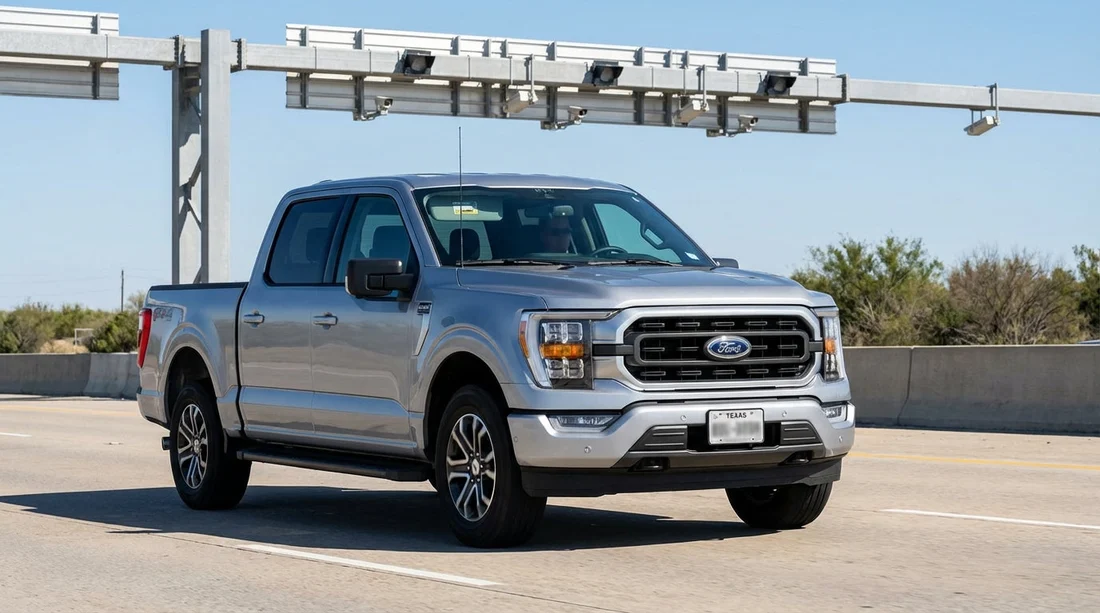
Toll-by-plate is a video billing system. Cameras capture your number plate when you pass through a cashless toll point. The toll operator creates an invoice based on the plate, then sends it to the vehicle’s registered owner. For a rental car, the registered owner is the rental company, not you.
Once the rental firm receives the toll notice, it typically identifies the renter for the dates in question and then charges the toll amount to the payment card on file. This is where the difference between “the toll” and “the total amount you pay” starts to matter, because rental companies commonly add an admin fee per toll event, per day, or per billing period depending on their policy.
Toll-by-plate also tends to carry a higher base toll rate than tag-based tolling on many Texas facilities. Even if the toll itself is only a few dollars, the combination of a higher toll-by-plate rate plus rental admin fees can make occasional tolls surprisingly expensive.
What a “toll tag” (transponder) means in Texas
A toll tag is an electronic device that communicates with toll readers as you drive. In Texas, the major systems are interoperable across much of the state, so a valid tag can usually be used on many toll roads and express lanes. In rental cars, there are two common ways this is handled.
First, the rental company may fit a transponder in the windscreen or integrate tolling into the vehicle, then enrol your rental into their toll programme. You drive through, the toll is captured by the tag system, and the rental firm later charges you for tolls plus any programme fees set out in the agreement.
Second, some renters use their own personal tag if they have one, but this can be risky unless you understand how the rental vehicle is enrolled. If the car is already tied to the rental firm’s toll account, you could be charged via their programme even if you have your own tag. Always check the rental terms and ask at the counter if the car is pre-enrolled.
How each option is billed on a rental car
For car hire in Texas, the billing model matters at least as much as the toll rate. Here is how the two options typically play out.
Toll-by-plate billing on rentals usually follows this chain: you drive, the toll operator bills the rental company, the rental company charges you later. The charge may appear days or even weeks after you return the car because the toll operator’s invoice takes time to arrive and be processed. Many renters mistake a later charge for fraud, but it is often delayed toll billing. The key cost variable is the rental company’s admin fee structure, which can be per toll, per day of toll usage, or a one-off processing fee per invoice.
Toll tag billing on rentals is generally faster and more predictable. Toll transactions are captured electronically and matched to the rental vehicle quickly. You still typically see charges after the rental, but the toll rate is often lower than toll-by-plate and the transaction matching is cleaner. The major cost variable is whether you are paying a daily toll programme fee, a per-toll convenience fee, or both. Some programmes only charge the daily fee on days you use tolls, others charge it for every rental day once the programme is activated.
If you are flying in, it can help to review the local car hire pages and then check the toll policy in the rental’s terms and conditions. For example, the Dallas market is a common place to encounter toll roads immediately after leaving the airport, so it is worth understanding toll options before you arrive at car hire at Dallas DFW Airport.
Typical admin fees and where they hide
Admin fees vary by rental brand and by location, but they tend to fall into a few patterns. The exact names differ, so focus on the structure rather than the label.
Per-toll convenience fee means every toll transaction triggers an extra charge. This is the structure most likely to make short, frequent express lane use expensive.
Daily toll programme fee means you pay a fixed amount for any day you use tolls. This can be cost-effective if you will take several tolled segments on the same day, but poor value if you only hit one toll.
Activation fee or minimum charge means the first toll you take triggers a one-off fee or a minimum amount is charged. If you are only likely to use toll roads once, this can outweigh the toll itself.
Administrative processing fee per invoice is common with toll-by-plate. Even if several tolls are bundled into one invoice from the operator, the rental company may add a processing fee for handling it. This can be less painful than per-toll fees if you had multiple tolls on one statement, but you cannot assume that is how it will be applied.
When comparing offers, do not just look at the base daily rate for car hire. The toll policy can change the total cost more than you expect, particularly in metro areas with tolled ring roads and express lanes. If your trip starts in Austin, reviewing options for car hire in Austin and then checking the toll programme terms before travelling can prevent surprises on your statement.
Which option usually costs less?
There is no single winner, but you can make a good prediction based on how Texas toll roads price transactions and how rental programmes add fees.
If you will use toll roads frequently, a toll tag arrangement tends to be cheaper overall because tag rates are often lower than toll-by-plate rates, and a daily fee can become better value once you have multiple tolls in a day.
If you will rarely use toll roads, toll-by-plate might look attractive because you are not explicitly opting into a toll programme, but it can still be expensive if the rental company adds a per-toll admin fee and the operator’s toll-by-plate rate is higher. In practice, “rare use” only stays cheap if both the toll rate and the admin fee structure are mild.
If you are unsure, the safest approach is to plan your routes first. In Texas, you can often avoid toll roads with only a modest time difference, but in peak hours the tolled express lanes can be the difference between a smooth drive and heavy congestion.
How to choose before booking your rental
Choosing well starts with understanding what roads you will take. Ask yourself these questions and then match your answers to the toll option.
1) Will you be driving around Dallas or other toll-heavy areas? The Dallas Fort Worth region has tollways that can be very convenient for airport runs, suburban trips, and cross-metro driving. If you expect multiple tolled segments, a tag-based approach via the rental programme can reduce the toll portion of the bill, but confirm whether the programme fee is charged per day of use or per rental day. If you are comparing brands, you might start with a page like Budget car hire at Dallas DFW and then check the specific toll policy in the booking terms for your chosen supplier.
2) Will you do just one or two toll points the entire trip? If yes, look for the lowest “minimum pain” option. Sometimes that is toll-by-plate with a single processing fee, sometimes it is a toll programme that only charges on days of use. What you want to avoid is a per-toll fee stacked on top of toll-by-plate rates.
3) Will more than one driver be using the car? If another driver might take the vehicle onto toll roads, a tag programme can be easier to manage than trying to keep everyone on non-toll routes. However, ensure all drivers are authorised on the rental, because the billing will still go to the renter of record.
4) Are you comfortable with delayed charges? Toll-by-plate charges often arrive later. If you prefer quicker reconciliation, a tag programme may post sooner, though it can still appear after you return the vehicle.
Practical tips to avoid unexpected toll charges
Review toll settings in your navigation app. Most apps let you avoid toll roads. If you choose toll-by-plate, turning on “avoid tolls” can reduce both tolls and admin fees. If you choose a tag programme, you might still avoid tolls on days you want to keep costs down.
Keep your rental agreement and receipts. If a toll charge looks wrong later, you will want the rental agreement dates and the vehicle details to dispute it. Disputes are generally handled by the rental company first, not the toll authority, because the rental company is the account holder.
Do not assume cash payment is possible. Many Texas toll points are cashless. Planning to “pay at the booth” can lead to toll-by-plate billing anyway.
Ask whether the car is pre-enrolled. Some vehicles have fixed transponders or licence plates registered to a toll account. In those cases, even if you try to avoid the programme, tolls may still be captured and billed through the rental firm’s system.
If your trip includes West Texas driving from El Paso, you may encounter fewer toll facilities than in Dallas, but it is still worth checking the supplier rules, especially if you are comparing vehicle types. Pages like car hire in El Paso or SUV hire in El Paso can help you narrow down options, then you can focus on the toll policy details for the exact rental brand and class.
So which should you pick for a Texas rental?
Choose toll-by-plate if you expect to avoid toll roads most of the time, you can tolerate delayed billing, and the rental’s admin fees are reasonable for occasional toll events.
Choose a toll tag programme if you expect regular toll usage, you want the lower tag-based toll rates where available, or you value the convenience of driving through without thinking about invoices and plate matching.
Either way, the best decision is made before you pick up the keys. For car hire in Texas, toll costs are one of the easiest line items to underestimate, because the toll itself and the rental admin fees are billed together and often later.
FAQ
Is toll-by-plate the same as paying a toll online later? Toll-by-plate is billed using cameras and your number plate. With a rental, the toll operator bills the rental company, then you are charged later, often with admin fees.
Will I see toll charges immediately on my card? Usually not. Many toll charges, especially toll-by-plate, appear after the rental ends because processing and matching takes time.
Can I use my own toll tag in a Texas rental car? Sometimes, but it can cause double billing if the rental vehicle is already enrolled in the rental firm’s toll programme. Confirm the car is not pre-registered before relying on your own tag.
What if I accidentally drive on a toll road? The toll will still be captured by tag or plate. You will likely be charged later, so check your rental’s toll policy to understand any admin or daily programme fees.
How do I decide which option is best for my trip? Estimate how many tolled segments you will use and on how many days. Frequent toll use often favours a tag programme, while rare use may favour toll-by-plate if admin fees are low.





























































































