


Quick Summary:
- Assume tyres, glass and underbody are excluded unless the wording includes them.
- Confirm whether LDW or SCDW is a waiver, not insurance.
- Check the excess amount and whether it applies per incident.
- Ask for written confirmation of any tyre or glass cover offered.
When you arrange car hire in Texas, you will often see options labelled LDW (Loss Damage Waiver) or SCDW (Super Collision Damage Waiver). These products can reduce what you pay if the rental car is damaged or stolen, but the detail that catches many drivers out is what is not covered. Tyres, glass and underbody damage are three of the most common exclusions, and they matter in Texas because long highway drives, construction debris and rough shoulders can quickly lead to chips, punctures or scrapes.
This guide explains how LDW and SCDW typically treat tyres, glass and underbody damage, how excess works, and the exact wording you should confirm before you sign at the counter.
LDW and SCDW in Texas, what they are and what they are not
In US rentals, LDW and SCDW are generally waivers offered by the rental company, not the same as a UK style comprehensive motor policy. A waiver means the rental firm agrees to waive, or reduce, its right to charge you for certain losses, provided you follow the rental agreement. If you breach the terms, for example driving off permitted roads, using the wrong fuel, or failing to report an incident properly, the waiver can become void and you may be liable for the full cost.
LDW often covers damage to, or theft of, the vehicle subject to an excess and exclusions. SCDW is usually an upgraded level that lowers the excess and may broaden cover, but it still commonly excludes particular parts of the vehicle, especially tyres and glass. Because names vary by company and location, the only safe approach is to read the waiver wording for the exact vehicle class you are hiring.
If you are collecting at a major hub such as Dallas Fort Worth, look up the location information and the supplier terms in advance. Hola Car Rentals has Texas pages that help you compare options by airport and vehicle type, for example Alamo car hire Dallas DFW and car hire airport Fort Worth DFW.
Do LDW or SCDW cover tyres in Texas car hire?
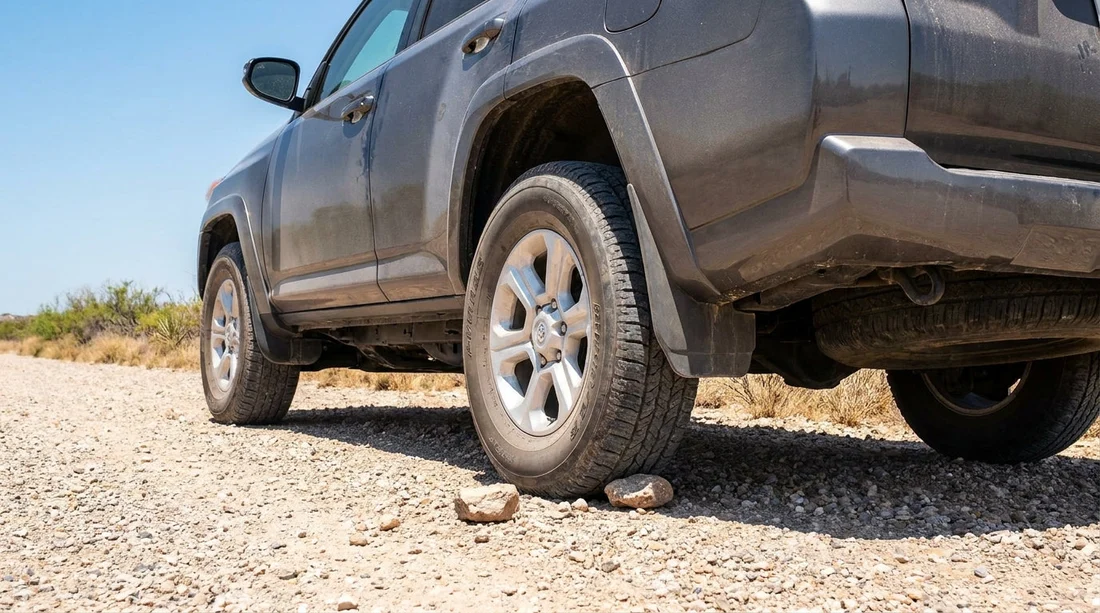
Most of the time, no. Tyres are frequently excluded from LDW and even from many SCDW products. A puncture, sidewall cut or blowout may be treated as your responsibility, along with fitting charges, towing and any loss of use while the car is out of service.
Texas conditions make tyre claims common. Construction zones, scattered debris on shoulders, and long distances at high temperatures can all contribute. Rental agreements may also state that damage caused by driving with low pressure, continuing to drive after a puncture, or ignoring warning lights is negligent, which can void a waiver entirely.
Is tyre damage explicitly included? Look for wording such as “tyres and wheels included” or “excludes tyres, wheels, rims”. If it is excluded, ask whether there is a separate tyre and windscreen product, and ask to see it in writing.
Are wheels and rims treated separately? Some waivers exclude tyres but cover wheels, others exclude both. A pothole impact can damage tyre and rim together.
Do LDW or SCDW cover glass and windscreens?
Glass is also commonly excluded, particularly windscreens, side windows, mirrors and headlights. Even when glass is included, it may be capped, subject to a separate glass excess, or only covered if no other damage is present.
In Texas, windscreen chips can happen on interstates from loose gravel or road works. A small chip can become a crack after a temperature change or a long drive. If glass is excluded, you could be billed for the repair or replacement, plus administration fees, plus downtime charges depending on the supplier’s policy.
Included parts: “glass” may not automatically include mirrors, sunroof glass or headlamp lenses. Confirm whether “windscreen” is singled out.
Claim handling: Some suppliers require you to report chips immediately and may prohibit third party repairs without approval. If you fix it yourself, you might still be charged.
Do LDW or SCDW cover underbody damage?
Underbody damage is one of the most consistently excluded items in rental agreements. Underbody can include the oil pan, exhaust, suspension components, bumpers underneath, and the vehicle’s protective panels. Scraping a kerb, clipping a concrete parking stop, driving over debris, or pulling onto a rough track can cause underbody damage that is not obvious until the car is inspected.
Texas has plenty of unpaved pull offs, rural roads and steep driveway entrances. Even in cities, parking garages and ramps can catch low clearance vehicles. If you are hiring an SUV, you may expect more clearance, but underbody exclusions often apply regardless of vehicle type. If you are planning longer drives, it can be helpful to compare vehicle classes and suppliers for the airport you are using, such as SUV hire Houston IAH or Hertz car rental San Antonio SAT.
Key wording to look for includes “excludes undercarriage”, “excludes underside”, “excludes damage caused by road conditions”, and “no cover off road”. Even if you never intend to go off road, some suppliers interpret dirt shoulders, gravel access roads, or flooded streets as non standard conditions. If the agreement prohibits it, the waiver may not apply.
How excess works, and why it matters for exclusions
Excess, also called a deductible, is the amount you pay before a waiver reduces the remaining cost. LDW may come with a higher excess, while SCDW typically reduces it. However, for tyres, glass and underbody damage that are excluded, the excess figure may be irrelevant because the waiver may not apply at all. In that situation you can be charged up to the full repair cost, plus related charges permitted by the contract.
Per incident or per rental? Excess usually applies per incident, meaning two separate events can mean two excess charges.
Loss of use and admin fees: Many agreements allow the supplier to charge for time the vehicle is unavailable, plus an administrative fee. Ask how these are calculated.
What to confirm on the waiver wording before you sign
At the counter, avoid relying on verbal summaries. Ask to see the written inclusions and exclusions, and make sure they match what you believe you are paying for. Use this checklist and keep it focused on tyres, glass and underbody:
Exact terms: Are you buying LDW, SCDW, CDW, or a package with multiple waivers? Names differ.
Explicit inclusion: Look for a line that explicitly states tyres, glass and underbody are included. If it is not written, assume it is excluded.
Reporting rules: Find the time limits for reporting damage, and whether a police report is required for vandalism or theft. Failure to follow procedures can void the waiver.
Pre existing damage process: Photograph tyres, wheels, windscreen and lower bumpers before leaving the lot. Have any damage logged on the check out report.
If you are collecting in Houston, supplier policies can still vary by brand even at the same airport, so it helps to review the supplier page you are using, such as Enterprise car hire Houston IAH.
Practical tips to reduce tyre, glass and underbody problems in Texas
While you cannot control every hazard, a few habits reduce the risk of paying for excluded damage:
Keep distance from trucks: It reduces stone chips and debris strikes on the windscreen.
Avoid road shoulders where possible: Debris is more common, and tyres pick up nails and screws.
Take steep ramps slowly: Parking garage entrances and driveways can scrape underbody panels.
Check tyre pressures: Long drives in heat can worsen underinflation, and some cars alert you via TPMS.
FAQ
Does LDW automatically include tyres, glass and underbody in Texas? Usually not. These items are frequently excluded unless the waiver wording specifically says they are covered.
Is SCDW more likely to cover windscreen and tyres? Sometimes SCDW reduces the excess, but it still often excludes tyres and glass. Treat it as a possible improvement, not a guarantee.
If tyres or glass are excluded, what might I be charged? Potentially the full repair or replacement cost, plus towing, administration fees, and sometimes loss of use, depending on the contract terms.
What wording should I look for to confirm cover? Look for explicit inclusion such as “tyres and glass included” or “undercarriage included”. If it only mentions “collision damage”, assume exclusions apply.
Will my own travel insurance or credit card cover these exclusions? It depends on your policy and eligibility, and some products exclude certain vehicle types or require you to decline the rental company’s waiver. Check the policy wording before travel.





























































































