

 HELP
HELP


VERIFIED REVIEWS


KG STAP
"The reservation process was very smooth no hidden fees everything is perfect"

Tony Massaro
"Excellent rental experience - way better rates than booking.com"

Edmundo Osorio
"Very easy to book, many options to choose from and best of all, they include everything required without additional payments."

Alka Jain
"Easy booking experience."

Árpád Lakatos
"Easy to find the car you are looking for. Prices ara reasonable."

William G Benedict
"For the past week I was seeking a car rental from LAX for ten days. Most of the websites are complicated and the rates are confusing. Hola Car Rentals is all-inclusive, the car, insurance both CDW and liability. The process of renting from their website was simple and fast. I am really pleased."

Jodi Fullarton-Healey
"Hola car rentals- great rates and so easy to book."

Ahmet Ozcan
"During reservation every step were very smoot, very easy, very fast. Explanation about rental and vehicle were very clear. Thank you"

Justin Domain
"Super easy booking service. And bloody good price."

Rachel Jardine
"Super easy to book. Great value."

ebony phipps
"easy and seemless to book!"

Vasha Jaggernauth
"⭐⭐⭐⭐⭐ Best Car Rental Experience I've Ever Had!
Let me tell you something... Hola Car Rentals is honestly the best car rental company I've ever booked with. From the moment I made my reservation to the time I picked up the vehicle, everything was seamless, transparent, and completely hassle-free.Their WhatsApp support team is outstanding. The agents are always available to answer questions, provide assistance, and respond incredibly quickly.
I chose the all-inclusive package, which included CDW and SLP coverage, and there were absolutely no hidden fees or surprise charges. Everything that was promised during booking was exactly what I paid for.
I selected Alamo (via Hola Car Rentals) mainly because of their $1 security deposit, and I couldn't have been happier with my choice. The pickup process was quick and effortless. Unlike many other rental companies I've dealt with in the past, they did not try to upsell me or pressure me into purchasing additional insurance or unnecessary extras.
The customer service at Alamo was simply outstanding, honestly some of the best service I've ever experienced from a car rental company. The staff were professional, friendly, and efficient, making the entire rental experience stress-free.
A side note that really highlights the value of booking through Hola Car Rentals: during my rental, another driver rear-ended us. Fortunately, I had chosen the zero deductible coverage plan, and because I was fully covered, there were no excess charges or out-of-pocket payments on my part. That peace of mind alone made the package worth every penny ànd honestly in my opinion, they are the cheapest with all insurance included.
I highly recommend Hola Car Rentals and will only be using them from now on. I'll also be booking Alamo through them for my next rental. An excellent experience from start to finish!
⭐⭐⭐⭐⭐ 100/10 Recommended"

Mohammed Ullah
"It was exceptional experienced to book a car."

Mathew Maclean
"Very easy process"

Daniel Schlott
"Very affordable rental cars and immediate help with any problems, regardless of language! I'll definitely book with you again on my next trip to the USA!"

Sruti S ee18d705
"Great experience with Car Rental!"

Luis Algarin
"An easy and well-detailed process"

Christophe , TAHITI
"Booking is easy."

Kuoyi Wu
"Excellent Customer Services"

Fatih Çakmak
"Easy and satisfying booking with cheap prices."

suhair nino
"As a start, the online booking process was very easy, clear, and straightforward. Everything was well explained, and booking the car was quick and hassle-free."

David Julien
"I highly recommend Hola Car Rentals; their all-inclusive service offers excellent value for money – the best for your travels!"

Jose Cigarruista
"Everything was great and realistic."

Bernadette Sawyer
"Good price.
Fast and easy booking"

Lisa Roberts
"Good rates, easy to book."

Raquel Watters
"Easy process to hire car. Good location for pick up and drop off. Much cheaper than direct with the hire care company."

HERMES PENARANDA
"I've booked a car with a good price and good reviews; hopefully everything will go well."

Jim Davidson
"Very fast service."

mk07kop
"Excellent service & value - I really do recommend this company - used therm twice and always delivered - Thank you 🙏🏽"

Ian Nem
"Gave me a nice car"

hale birsun
"It was very easy to pass the reservation process. I hope we will get what we reserved."

James Kk
"Easy and straightforward booking experience. To pick up the car next month."

Thiago Veloso Lopes
"Great services and prices"

Darrell Becktell
"This is 100% the easiest site to use and the best prices I.ve ever ever seen! Very Happy!!"

Mrinal Vohra
"Straight forward, look forward to picking the car up"

O FM
"I was able to easily make a reservation under satisfactory conditions."

Avelina Ferreira
"Easy booking and very reasonable rates."

Emily Kaye
"Easy website thank you"

Jane Iu
"Fast and smooth booking process at reasonable price. highly recommended"

Sue Bastian
"So easy to find car types and prices in AUD."

Pascal
"Excellent prize and conditions"

isabel domingos
"Very easy to make the reservation, and they work with very well known rent-a-cars😃."

Paula Buentello
"Easy and fast, great prices"

Alan Rushton
"So easy to book. All clear and precise."

Robin Simms
"Great APP. Easy to use competitive pricing."

Prue Trollope
"So easy to book and a great price too!"

Escala Vacation Rentals
"Perfect!"

Aravinth Nithi
"Hola cars gives the best deals on cars hands down. And the non nonsense flat pricing is a boon. Impressed."

peter snow
"easy to book ,no extras for us ,very good choice of vehicles at best price I found"

Max Muir
"Easy website to use!"

Oonagh Cullen
"Quick booking and very clear on what you expect"

David De Alba
"Very good platform for car rental in the USA"

jess potter
"super easy and straightforward to book and extremely well priced compared to other rental companies!"

Samuel Diai
"Very, very good, with added insurance!"

Joanne Lackhai
"Renting a car on Hola was quite easy. Liked the fact that the price included insurance. Was very nervous about the prices. Did my research."

Ryan Jolly-Singh
"Easy to use and good prices"

Raymond Warren
"The reservation process was very simple and quick; let's hope they don't overcharge us upon arrival to pick up the vehicle."

Iman Ata
"Simple clear booking process, seems like a great deal. Looking forward to the rental..."

Rohan Ganesh
"I was a little hesistant before booking as Hola literally quoted me half of what the car rental company was giving me which made me a little suspicious but I went to Avis at LAS airport and the entire process was smooth. I have already booked two more trips through Hola.
Thank you :)"

J Knight
"Fast and cheaper then other sites"

Leslie Miller
"I wish I could give them a 10 awesome customer service process was so so easy and quick renting was so easy highly recommended Lolo Car Rental"

Lou Viramontez
"Sooooo damn easy and fair. I wish I would have known about you 5 years ago."

Maged Zaki
"Service description and price details are very clear
Booking on website is very easy"

Jose Tapia
"Excellent service and very competitive prices."

zashkia ali
"Very easy to rent"

Céline Tibbs Texier
"Great"

Craig Stapleton
"Easy to book with, great value"

Hilary Lyndon
"Really easy to navigate options"

Asad Khalid Yousuf
"Best Prices and value with full insurance rentals. I've compared at least 10 other sites. An update will be done once the actual rental takes place. But i plan on using their service at least 3 times in the near future. So far. Best car rental booking experience as compared to all others that i know of"

Suneet Bhutta
"Great experience booking and car selection"

Ünal AKDOĞAN
"A fantastic booking, it didn't even take a minute, thank you. I hope the same level of care is taken when booking a vehicle."

David Ramires
"Fast and easy, secure easy payment with PayPal"

Andrea Porta
"Quick and very easy to use.
Guarantees the best rental prices for the best companies."

James S. Tsien
"Smooth and efficient booking process. All handled successfully in a few minutes."

Kerri Jarmain
"So easy to book with and full costs provided unlike other websites or rental carriers"

Monideep Dutta
"Great experience"

Alison
"So easy to book and competitive pricing. Excellent choice of vehicles. Insurance and roadside included."

Dorothea Axelson
"so easy! love the free cancellation policy"

Ronald Groenteman
"Very easy to book online,"

Titi Quintana
"I had a problem with Avis; they overcharged me by $576 USD. Thanks to Sofia Padilla from Hola Car Rentals, it was resolved. However, I'm still having issues with Avis! Thank you, Sofia, for your help."

Mark van der Noll
"Super easy to book and a lot included."

Vivek Arora
"Excellent Experience so far."

Mohamed Hussien
"Very fast and easy process"

mr.muscle00
"I had a very positive experience with Hola Car Rentals. The booking process was clear, transparent, and easy to navigate, making it simple to find the right rental option.
What impressed me the most was the customer support. Whenever I had questions, the response time was very fast, and the team was always helpful and professional. Any issues or concerns were handled efficiently and in a customer-friendly manner, which gave me great confidence throughout the rental process.
I highly recommend Hola Car Rentals to anyone looking for a reliable and customer-focused car rental service. I would gladly use their services again in the future."

Mark Dempsey
"Hola were easy to use, gave you all options for car insurance etc. will use again"

Patrice S69
"I rented a vehicle from Hertz Las Vegas through Hola Car. Hertz inadvertently charged me a second time for the rental. Hola Car's customer service reacted quickly and issued a refund."

Oscar Gonzalez
"The booking was effortless, the app is friendly, no hidden rates"

Ben Markman
"Great service, quick and easy"

Tarek Halabi
"It was easy and efficient booking a rental car through Hola Car Rentals."

Steph Storms
"The check out was seamless and easy"

Enrique Yenny
"Good experience and realistic prices"

Cat Kabira Yoga
"Really easy to book online and better rates than what I found elsewhere. Haven't actually picked up and driven the car or returned it- so let's see what happens!"

Shalin Shah
"User friendly, quick and economical"

Gerald Kriknoff
"The website is user-friendly, and the prices are very attractive with all insurances included. I recommend it."

Rein Talvis
"The whole process was quick and easy. Great prices and service. I needed some support from their team and got it superfast. I'm very satisfied with their service quality. I definitely suggest Hola Car Rentals to everyone. Well done!"

Seamus Claffey
"Very straightforward booking with full insurance included from start"

Hocine BELEKENADIL
"Very straight forward booking and unbeatable prices."

ROSS Butcher
"Trust these reviews and put your trust in Hola Car Rentals. Not only , in my experience, did they provide very good quotes on my rental car from Chicago O'Hare (AVIS), indeed it was all inclusive with no unexpected surprises when I collected the car. For some reason, I incurred a charge from AVIS (Tank of gas), which was sorted and all, but Hola rental car were quick to support and help arrange my refund. Brilliant company and I would 100% use them again"

D S
"Great prices, range of cars and easy to use booking process."

Evelyn Cifuentes
"Excellent"

cruz yconchi
"Kindness and speed. Thank you so much!!"

Allan Ragobar
"Customer Support via WhatsApp has been excellent, booking multiple iteneries was fast and straightforward. Excellent service."

Graham Wylie
"Affordable pricing and effortless booking process, thanks"

Hendry
"Fast & easy process, nice car and overall satisfied with this booking"

H.M. F.
"The third party rental car company charged us after returning the car for additional services that we hadn't agreed to. Hola's service team went above and beyond to help us get a refund for these charges.
It’s exemplary for a car rental broker to stand up for its customers like this. We’re grateful and will always book through Hola in the future. Not just because they have very affordable deals and great value for money, but above all because they’re there for their customers! Benchmark!"

Akos Bernat
"Very good prices"

Akshay Baheti
"The reservation experience was very simple and convenient. The website is well designed.
Disclaimer: I still have to actually use the reservation and drive though!"

Lee-Anne Duncan
"Easy to navigate Hola Car Rental site, made choosing a hire hassle free"

orin sae
"friendly user (via web)
low prices
good conditions"

emre k
"great prices, smooth transaction, clear cost breakdown. seems great"

amelie vincent
"Booking on Hola Car Rentals was so easy. Highly recommend!"

Marika Camilleri
"Definitely the cheapest car hire option available in Hawaii"

Kerry Durrant
"Nice and Easy process - got travel insurance too with the booking also !"

Handy Hermawan
"Fast easy and great discounts"

Anant Patel
"Excellent price"

Graham Dopheide
"Easy to use, and makes comparison from different providers easy. Also clearly shows what is, and what isn't included, and rates are good"

Kendal Keung
"Super easy to book. We accidentally booked the wrong car to begin with and with the no cancellation fee it made it easy for us to cancel and book the right car!"

Ruth. Hwee Yan
"A variety of choices was available. Looking forward to picking up the car!"

Daniel Woods
"Hola Car rentals can’t be faulted. The pricing for an Avis car rental was significantly lower than from the actual Avis rental site. At first I was honestly nervous about booking, but not issue could be found in the entire process.
If booking through Hola, ensure you take the confirmation paperwork with you to provide to the rental car company. Avis’ system didn’t register the additional driver but the confirmation email was used and they added the extra driver saving hundreds.
Toll refunds are swift and instructions can be given using the WhatsApp AI chat bot.
Collection location was Avis LAX
Will be using Hola again"

Okan DOGAN
""Great app and excellent service! I had to change my plans and process refunds several times. Everything worked perfectly on the app, even for last-minute changes. The refund process is very easy and reliable. Thank you, Hola Car!""

Joel Reculard
"Attractive prices and comprehensive insurance"

Anne J Harris
"Good price, easy to use."

Daniel Koh
"The plantform offers a great customer experience. I look forward to a similar experience with the car."

Hadar Blutrich
"Easy, fast, and no hidden fees."

Okan Doğan
"Şöyle yazabilirsin:
> Booking process was smooth and easy. So far, everything looks very good, and the insurance coverage seems strong and clearly explained.
Bir tık daha doğal kısa versiyon:
> Smooth and easy booking process. So far, everything looks very good, and the coverage options seem clear and solid."

Tanner Blair
"Great car"

John Guevara
"Excellent service"

Bj Virtue
"Booking was very easy, excited to cruise around on our holiday"

vasilis ligdas
"Great prices and customer service"

Michael Williamson
"Very easy great price"

Mario Mejia
"An excellent experience, 100% recommended"

micah sioson
"The manager Kent is amazing at this location. Process time was fast, and he even pulled the car around for my grandma."

Keith Semple
"Wow! My first booking with Hola didn’t just meet expectations — they absolutely exceeded them in every possible way. So much so, that I made another rental booking immediately. I’m not usually someone who takes the time to write reviews, but this experience was so exceptional that I felt compelled to share it.
At first, I thought I had secured a great price — but when I carefully reviewed the list of inclusions, I was genuinely blown away. In fact, it almost seemed too good to be true. I found myself double- and triple-checking my bookings, convinced there must have been some sort of system error. But no — everything was exactly as promised, and more - with NO extra cost.
What truly stood out was the reaction from others. When I shared the pricing and inclusions with the Avis desk at the airport, hotel staff, as well as family and friends, they were equally astonished. Several even asked for your details on the spot — which says everything about the incredible value and service you provide.
One thing worthy of note. Avis offered upgrades which I refused on the grounds that it might change the underlying agreement and result in added costs - be careful of adding extras at the point of collection. Regardless, the vehicles reserved were excellent.
You have now become my absolute first choice — my go-to destination for rentals without hesitation. Experiences like this are rare, and you’ve set a new benchmark for excellence.
Please keep up the outstanding work — you’ve gained a loyal customer for life."

Carla Ocampo
"Company with very good prices. Easy and quick booking process."

Annanii Garcia
"The rental process was very simple. We got Hertz; the pickup is on Sunday, let's see how it is. It has very good reviews."

Shreya Bollineni
"It was seamless and I’m yet to see how it goes when I present my hola booking at the airport."

s rajora
"Easy booking easy handling and self explanatory app"

Asher Wagner
"It was an excellent experience to rent a car via HOLA the service was super."

Valérie
"Competitive rates and guarantees.
A reliable and responsive company."

mindaugas liumpa
"Easy to book"

RICCARDO CARAMASCHI
"Great deals and easy booking!
Highly recommended"

Lynne Mathias
"Booking online was a streamline process, competitive prices and good choice of vehicles"

Tif Shukla
"Very easy and straight forward"

Harri Hakovirta
"Booking is very easy😊"

Tomáš Kreitl
"We had a great experience renting a car here. The whole process was quick, smooth, and very efficient. The staff was professional and helpful, and the quality of the service exceeded our expectations. Everything was handled promptly, which made our trip much more comfortable. We would definitely recommend this service and use it again in the future."

Neil Flavin
"Quick hassle free booking with Hola.
Always a pleasure 👍"

Jenny Phillips
"Booking with Hola was easy and they offered more cars and variety and cheaper compared to other rental car sites."

SERGIO BIAGETTI
"The WhatsApp service is excellent and personalized. When you arrive at the rental agency, they try to sell you a bunch of extras that are already included, but when you show them you booked through Hola, they don't offer anything else; they just give you the vehicle and you don't pay anything. Renting a car through them is a guarantee."

Erik Carle
"Hola Car Rentals company is best car rental company,
and website is great."

Sant Ub
"Very easy to use, good deal can be obtained!!!"

Kiran Sedoo
"Excellent prices and value for money. Top notch customer service and response time."

Hesham Mohamed
"All done smoothly"

Michael Parrish
"The selection of cars and location was great. Prices very reasonable, especially considering that insurance was included (a huge part of rental expenses if you don't have US car insurance). I liked that it was easy to use different pick-up and drop-off points."

Oguzhan Cengiz
"Absolutely the best price."

Esther Ng
"Hops makes everything easy and convenient. I like the free travel insurance given too."

Nathaniel Rosen
"Quick, clear and easy to understand."

Joseph
"Booking went smoothly"

Brigitte Willems-Haman
"Arranged so quickly and easily, top service..!!!"

Richard Gardiner
"booking process good, seems to have lots of inclusions"

Phillip Moody
"Very easy process and added extras were well appreciated"

Tedesco Pablo Nicolas
"Personalized attention via WhatsApp, prices better than the car rental companies themselves."

David Garciarena
"Easy to rent, best prices"

Jose J Rivera Indio Joe
"Easy and convenient, plus low prices"

denis dadoun
"Very good. Easy."

Shaunte Meyers
"Very easy and accommodating"

ju
"Unbeatable price and very easy to book. Clear information."

Sonia Walls
"Very easy to book and competitive prices."

sara l.
"Super smooth experience with booking and afterwards! I had to make a smaller adjustment to the booking which was swiftly resolved by Simon via whatsapp."

Samantha de León
"Accessing and booking vehicles is very easy; we'll just have to see how everything goes with the booking, but so far, so good :)"

Alexandra Robertson
"Found this site, all very straightforward and great price. Will let you know how it goes when I come back from Calgary, CA. Thank you"

Judy Winkin
"Easy and good deal"

Patrick Brophy
"So far so good"

Nacho Zarco
"Everything is very intuitive and easy when managing reservations.
The only thing is that it doesn't work with Hotmail emails."

Cristian Barbero
"The website format and information are very clear and accessible, with many options.
I've checked several websites, and the price with all the coverage is excellent."

amadeo aguilar
"EASY AND FAST."

mrbstube
"Use easy to use and a great range of cars... Fingers crossed for the experience on arrival being as good as experience online"

Theo Pieters
"Best ever service I've experienced !
Well done !!!"

Roman “Xriuk” Hudylko
"The website is simple but essential, and most importantly, it works. They send you a voucher from the rental company."

Robert Agati
"So quick so simple and unbelievably inexpensive. Wish I’d known about Hola sooner!!"

Darren Storey
"Very easy to book etc, made it all so much better"

Cristian Francisco Pastore
"Highly recommended, practical and straightforward. I will definitely use HOLA CAR RENTALS again."

Artie Divin
"Very easy to book and very cheap"

teyo castro
"Everything was very quick and clear."

Ole Alnes
"It was easy to book and clear information about what was included in the price. Good prices and informative chat service."

Rania Yaqout
"Excellent experience"

Ara Bermúdez
"Making my reservation on the website was super easy, and I received my confirmation immediately. The site is very user-friendly and even cheaper than the official website of the dealership where my car will be delivered."

K_Cantona95
"Excellent value for money!"

JOSE LUIS MORA
"Excellent process, very easy"

Emily Edwards
"Awesome service"

Jonne Miettinen
"Easy"

Hong-Anh Ha
"Looks good to me eith the inclusive rate. I hope I don’t get any unexpected additional costs upon pick up!"

amarthi rivera
"👌 EXCELLENT"

Jean-Francois WILMOTTE
"Perfect, no problems at all and a very attractive price."

Mike Purkins
"So easy to book and a great price"

HaYoung Son
"Good price I like that they have all the insurance and additional driver included"

Wheeling and dealing Uk
"Cheap and easy to use covers all insurances etc seems to have been made easy"

차Mihye
"As a Korean, I used the app to rent a car in California. The Dollar Rent-a-Car employee at the San Francisco branch was rude and insisted I purchase additional insurance ($25 per day) because the insurance I purchased through the Hola app was inadequate. However, Hola insisted that the full coverage policy applied and helped me cancel the additional insurance I had purchased at the Dollar Rent-a-Car location. I'm satisfied with Hola's customer service, but I think the Dollar Rent-a-Car employee's practice of selling additional insurance needs to be addressed."

Nadav
"Easy to use, great prices, all inclusive"

Daniel Garcia
"Good car and price"

Oliver Streatfeild
"Quick an easy booking option with the best prices, even better than booking direct. Plus you get add extras included - win / win situation."

Damien DE SOUSA
"Easy and fast booking process"

Alejandro Arenal
"Hola is amazing, has everything you need.
Thanks"

constanza cecchi
"The app is great and reliable. Although they try to add extra insurance when you arrive to pick up the car, you just have to insist and say no. Otherwise, everything is fine."

Holger Pfarr
"By far cheaper than all rental car offers."

Natalia Vazquez Sotelo
"I highly recommend Hola Car for their excellent service and great price. We arrived many hours late and were worried, but they answered all my questions immediately, even though it was a Sunday. Thank you so much for your help!"

Chris Burnham
"great prices easy to book definitely use again"

Sharon Radford
"Quick and easy"

Steve Hornby
"Very easy to book
Very easy to pay
And the best deal I could find by quite a long way
Added price of mind was the 4.8 stars on trust pilot with 3000+ ratings"

Bill Harshbarger
"I really liked the reservation screen for pickup times...side by side let's you easy match pick-up drop off.
The vehicles were the best price (discounted prices for European travelers in the US at thus writing), otherwise rental car prices are rather high these days.
Insurance is about peace of mind. Hola is over the top covering many of those extras the agent wants you to buy.
And toll coverage up to 5%. Super. Without human attendants anymore, it's complicated in the Bay Area and particularly expensive in Miami (!) Auto companies see it as an opportunity to sell you lots of Toll coverage.
Finally, what I did not notice was, "not knowing what I was renting" which is often noticed just before you press 'book'. The question did not enter my mind, that's a good thing.
Their AI agent, perfectly better. Very good advice.
And I did have the need to cancel and rebook. With the app, effective and bug free. One refund was credited in a hour. Another may take a few days, but will post. Also the app will display prices in the currency you select.
Looking forward to booking with Hola again"

Dwight Thompson
"The experience was excellent, fast and easy with the least effort required to chose a car. From past experience the counter experience was favourable at Budget Miami Airport with no issues. This was the first time an agent at a rental desk did not try to sell me additional insurance or toll pass.
My only concerns for this booking was the price gap was too high for standard cars compared to the basic cars."

Jason Bishop
"Excellent all round . Great price , great service and the insurance cover etc ticks every box . Customer service for a few odd questions were great and very quick response on what’s app . Highly recommended and will definitely use Hola again .. Thankyou.
Ps … Car was great too 👌🏼👌🏼"

תמיר מורוביץ
"This is not the first time we’ve rented cars through Hola, and each time we’re absolutely satisfied! Their service is excellent — always available, providing immediate responses, quickly solving any issues with kindness, and handling everything directly with the rental companies when needed.
Even when a refund was required, they took care of it fully without any hassle. The personal, reliable, and professional approach makes all the difference.
A fantastic experience every time, and I’ll definitely keep renting through them and highly recommend them to everyone"

mandy hughes
"Unfortunately I had to cancel my booking with Hola Car Rentals for personal reasons. I was assisted by the Sales Manager Karen to do this. After completing the cancellation efficiently and promptly she went above and beyond to help me with several additional questions I had. Based on my experience I would highly recommend Hola Car Rentals Customer service and would definitely use them again. Their rental prices were very competitive too."

carl buckley (BMW R Nine T Scrambler)
"Searching for two weeks car hire in Florida. Hola were very competitive against the group I wanted to book, the website was easy to use and confirmation received immediately"
About renting a car at Missouri Airport
Missouri's two main rental hubs operate quite differently, so knowing which airport you're arriving at shapes your first hour on the ground. At St. Louis Lambert International Airport (STL), rental counters are off-site: after baggage claim, shuttles depart from outside exit MT17 in Terminal 1 every 8–15 minutes, with a roughly 10-minute ride to the consolidated facility — budget at least 60–90 minutes between landing and driving away. Kansas City International Airport (MCI) runs a similar model, with a free Gray Bus shuttle from the arrivals curb to the rental car center operating every 5–10 minutes around the clock. Springfield-Branson National Airport (SGF) is simpler: counters for brands including Avis, Enterprise, and National sit directly across from baggage claim, with vehicles parked steps outside. Missouri's toll exposure is minimal — the only toll road in the state is the Lake of the Ozarks Community Bridge, which charges around US$3 for a standard car and accepts cash only, so keep a few dollars accessible. Fuel averages roughly US$3.67 per gallon statewide, though rural stretches can run higher. A credit card in the primary driver's name is required at pickup, with a deposit hold of typically US$200–400 depending on vehicle class. Drivers whose licenses use a non-Latin script — Arabic, Chinese, Japanese, or Cyrillic, for example — must also carry an International Driving Permit.
Best Car Rental Deals

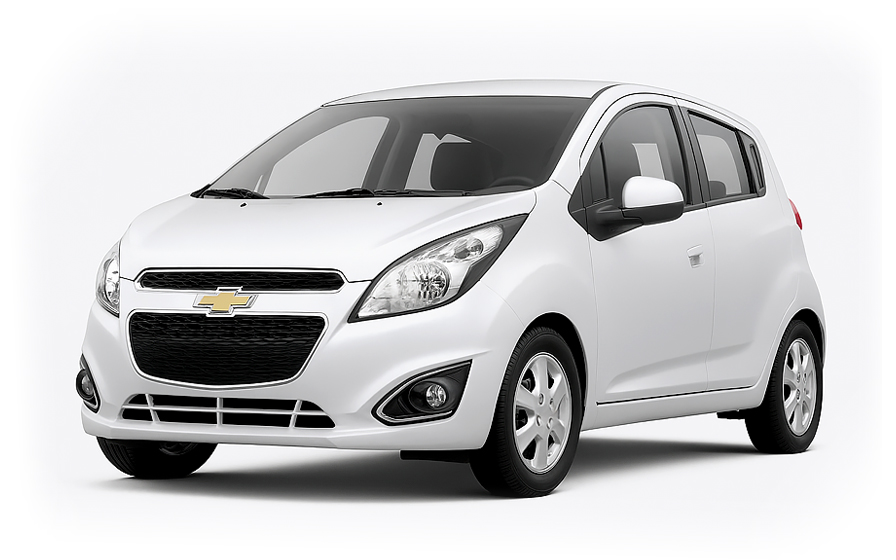
Chevrolet Spark | Automatic
SMALLor Small similar
4
2
Automatic
From
/ day

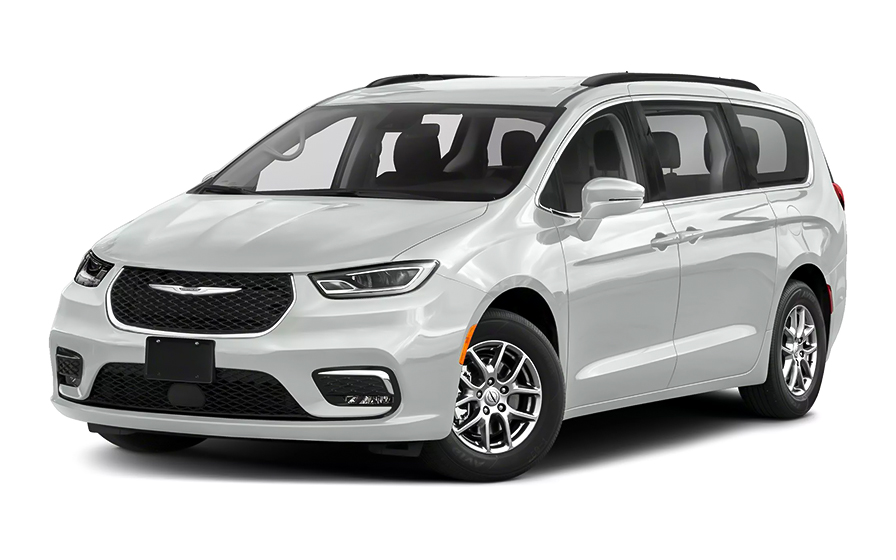
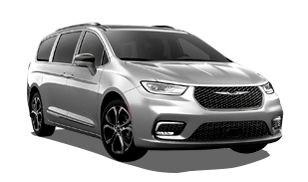
Chrysler Pacifica 7 Passengers | Automatic
MINIVANor Minivan similar
7
5
Automatic
From
/ day
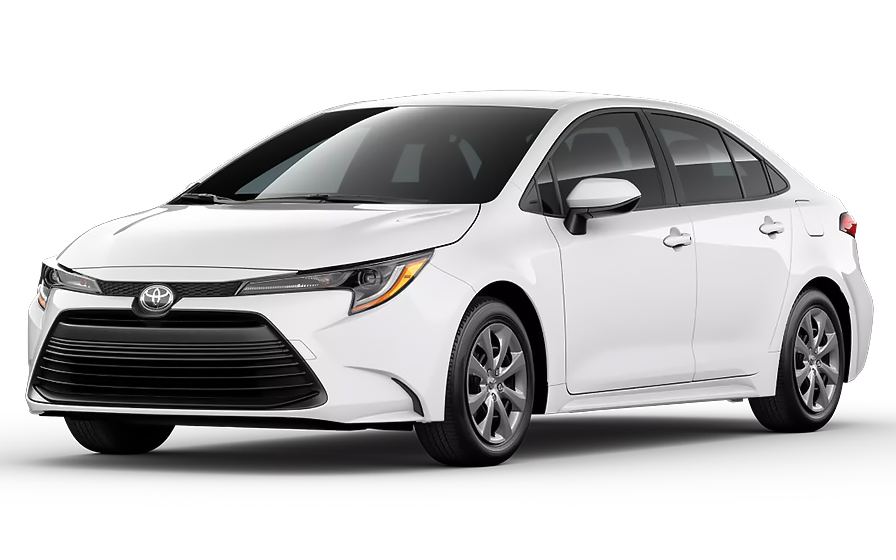
Toyota Corolla | Automatic
SEDANor Sedan similar
5
3
Automatic
From
/ day

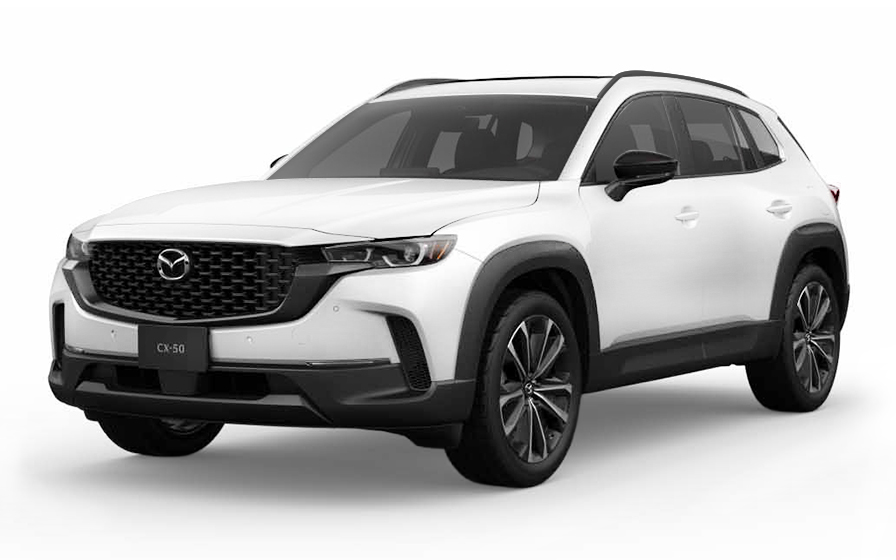
Mazda CX 50 | Automatic
SUVor SUV similar
5
2
Automatic
From
/ day

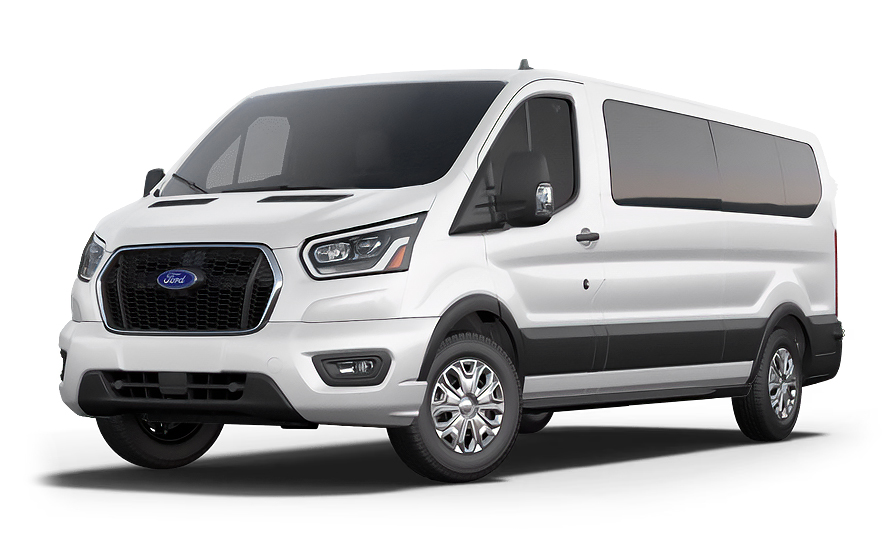
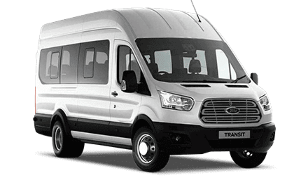
Ford Transit 15 Passengers | Automatic
12 PASSENGERSor 12 Passengers similar
15
2
Automatic
From
/ day

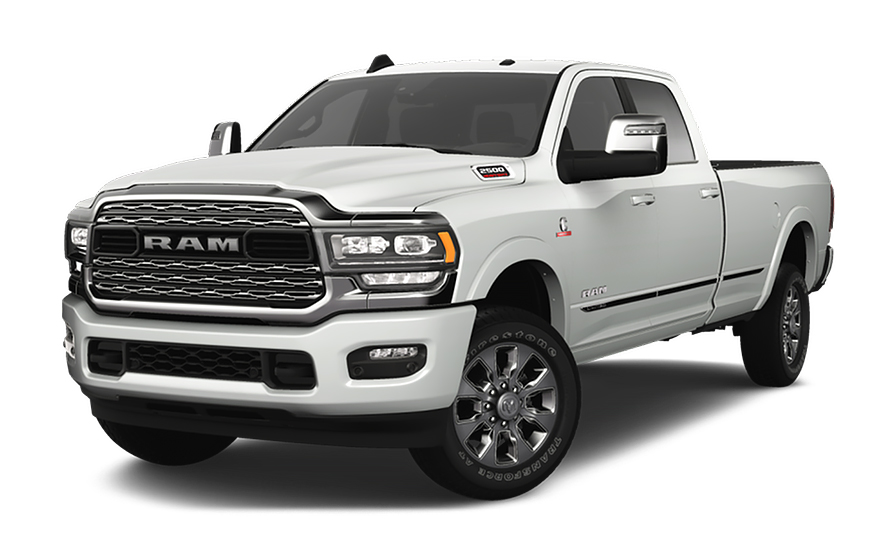
Dodge RAM 2500 | Automatic
PICKUPor Pickup similar
6
Automatic
From
/ day
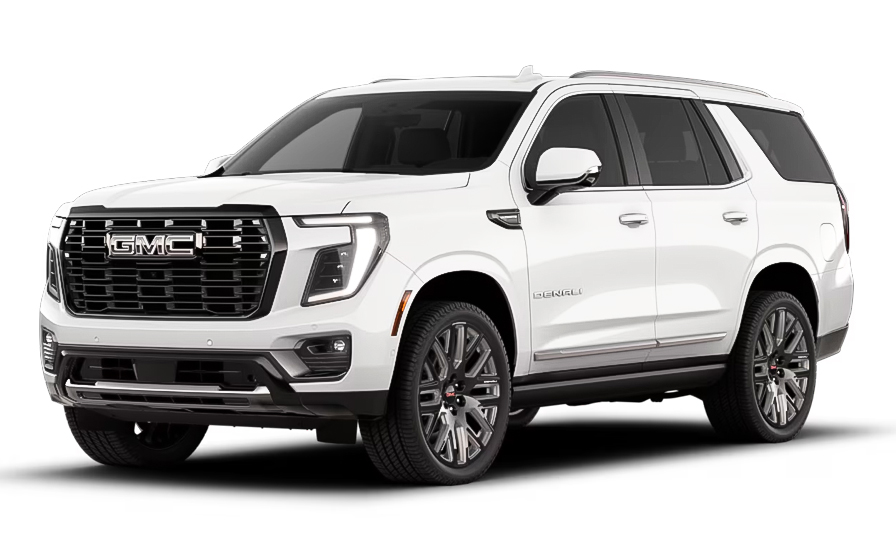
GMC Yukon Denali 7 Passengers | Automatic
7 PASSENGERSor 7 Passengers similar
7
4
Automatic
From
/ day
Traveler Tips & Price Insights
When is the best time to book a rental car in Missouri?
You should book your rental car approximately 7 days before your trip to get a below-average price.
Price Trend (Last 90 Days)
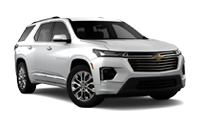
What is the most popular rental car type in Missouri?
sedan rental cars (sedan or similar) are the most popular option in Missouri.
Popular Car Types



Which is the cheapest car rental agency in Missouri?
In the last 72 hours, the cheapest rental cars were from Thrifty at /day.
Average Price by Rental Company


Frequently Asked Questions
At St. Louis Lambert International Airport (STL), where do I actually go after baggage claim to pick up a rental car—Terminal 1 or Terminal 2?
At St. Louis Lambert International Airport, the rental car companies are consolidated at an off-airport facility that is easily accessible from both terminals. After collecting your luggage at baggage claim in either Terminal 1 or Terminal 2, you will need to follow the airport signage for "Rental Car Shuttles." These complimentary shuttles run frequently and will take you on a short ride directly to the rental car center. Be sure to note which company you booked with, as the shuttles serve all the major agencies located at the facility.
If I land late at night at STL, what’s the easiest way to figure out whether the rental cars are in the terminal area or at an off-site facility?
The simplest way to confirm late-night pickup procedures is to check your rental confirmation email, which typically outlines the location and operating hours. At STL, the rental car counters are located at a dedicated off-site facility, not within the terminals themselves. To get there, you will use the airport's shared shuttle bus service, which generally operates to accommodate arriving flights. Look for signs directing you to the shuttle pickup zones outside of the baggage claim areas in either terminal.
How much time should I realistically budget from touchdown at STL to driving out of the rental lot if I’m traveling with checked bags and kids?
For a smoother travel experience, it's wise to budget at least 60 to 90 minutes from the time your plane lands to when you drive away. This accounts for deplaning, walking to baggage claim, waiting for your luggage, and then taking the shuttle to the rental car facility. Traveling with children and managing multiple bags can add extra time, so this buffer helps prevent feeling rushed during the rental counter process and vehicle inspection. Planning for this extra time ensures a more relaxed start to your trip.
What’s a low-stress plan for meeting up with my group at STL so only one person handles the rental pickup while everyone else waits somewhere comfortable?
A great strategy is for the designated driver to proceed alone to the rental car facility via the shuttle after landing. The rest of the group can wait comfortably inside the terminal near the baggage claim carousels, where there are seating areas and restrooms. Once the driver has the car, they can circle back to the terminal's passenger pickup curb. Clear communication via cell phone is key to coordinating the exact pickup location, such as a specific door number, to make the process quick and seamless.
If my flight arrives in Terminal 2 at STL but the rental process starts elsewhere, what’s the simplest way to connect without wandering around?
The process is straightforward and well-signed regardless of your arrival terminal. From Terminal 2, simply collect your bags and follow the overhead signs for "Ground Transportation" and "Rental Car Shuttles." These signs will lead you outside to a designated shuttle stop where you can board a bus that takes you directly to the consolidated rental car facility. The shuttles are frequent and serve both terminals, ensuring you get to the right place without any confusion.
Where’s the best place at STL to pause and set up navigation, connect phones, and adjust seats without holding up other drivers?
After you've picked up your keys and located your vehicle in the rental lot, take a few minutes to get situated before you even leave the parking space. This is the ideal time to adjust your mirrors, seats, and steering wheel for comfort and safety. You can also connect your phone to the car's Bluetooth and enter your first destination into your GPS. Most rental lots have enough space to do this without obstructing traffic, ensuring you can pull out onto the road fully prepared and focused.
When I leave STL in a rental car, which major highways should I expect to use first to head toward downtown St. Louis?
Upon exiting the St. Louis airport rental car facility, you will be immediately guided toward Interstate 70 (I-70). To get to downtown St. Louis, you will want to take I-70 East. The airport signage is very clear in directing drivers toward the interstate on-ramps. This highway is the most direct route into the heart of the city and will lead you toward key landmarks like the Gateway Arch. Keep an eye on the signs for I-70 East as you leave the airport grounds.
What common wrong turns do first-time drivers make when exiting STL, especially around I-70 and the airport entrances?
A frequent mistake for visitors leaving STL is getting into the wrong lane and accidentally taking I-70 West instead of I-70 East toward downtown. Another point of confusion can be the nearby interchange with I-170; it's important to follow the signs specifically for I-70 East to St. Louis. To avoid this, have your navigation set up before you start driving and pay close attention to the large overhead signs that clearly distinguish the directions for each interstate.
If I’m heading from STL straight to the Gateway Arch area, what should I know about downtown street patterns and riverfront access roads?
Once you take I-70 East from the airport and approach downtown, the highway system becomes more complex with several exits in quick succession. For the Gateway Arch, you'll be looking for exits that direct you toward the riverfront, such as those for Memorial Drive or Pine Street. Be aware that many downtown streets are one-way, so relying on a GPS is highly recommended. The roads immediately around the Arch have been redesigned, so follow current navigation for the most direct access to parking garages.
What’s the easiest driving route from STL to Forest Park attractions like the Zoo or Art Museum without complicated downtown merges?
For a straightforward drive to Forest Park, you can avoid the busiest downtown interchanges. From the airport, take I-70 East and then merge onto I-170 South. From I-170, you will exit onto I-64/US-40 East. This route takes you directly along the northern edge of Forest Park, with well-marked exits for attractions like the Zoo, Art Museum, and Science Center. This path is generally less congested than driving through the center of the city.
How tricky is it to drive from STL to the Central West End during afternoon traffic, and what should I watch for near major interchanges?
Driving to the Central West End (CWE) from the airport during afternoon rush hour can be challenging, so patience is key. A common route is I-70 East to I-170 South, then connecting to I-64/US-40 East. The interchange between I-170 and I-64/US-40 can be a significant bottleneck with heavy merging traffic. Once you exit into the CWE, be prepared for narrower city streets, pedestrian traffic, and potentially limited on-street parking, making a GPS essential for navigating the final few blocks.
If I’m staying in Clayton, what’s the most straightforward way to get there from STL without getting stuck in confusing ramp choices?
Getting to Clayton from the airport is one of the easier drives in the area. The most direct route is to take Interstate 170 (I-170) South from the airport vicinity. You will stay on I-170 for several miles until you see the exits for Forest Park Parkway East or Ladue Road/Clayton Road. Both of these exits will lead you directly into the heart of Clayton's business district. This route avoids the more complex I-70 and I-64 interchanges.
For a first visit, what should I know about driving in St. Louis neighborhoods where streets change names or become one-way unexpectedly?
When driving in historic St. Louis neighborhoods like Soulard, Lafayette Square, or the Central West End, it's important to be vigilant. Many streets can abruptly change from two-way to one-way, and a single road might change names multiple times as it passes through different areas. Relying on a real-time GPS is your best strategy to navigate these quirks confidently. Always pay close attention to street signs at intersections to avoid turning the wrong way onto a one-way street.
What should I expect for parking availability and garage access if my hotel is near Busch Stadium or Ballpark Village?
Parking in the immediate vicinity of Busch Stadium and Ballpark Village is plentiful but primarily consists of paid lots and parking garages. If your hotel is in this area, it will likely offer its own guest parking, which is often the most convenient option. On game days or during major events, these lots fill up quickly and traffic can be heavy. It's a good idea to check with your hotel about their parking arrangements and plan to arrive well before you need to be somewhere.
If there’s a Cardinals game or a concert downtown, what’s a practical plan for timing my drive and avoiding the worst post-event traffic?
To manage downtown event traffic, plan to arrive at least 90 minutes to two hours before the start time to find parking without stress. The worst traffic congestion occurs in the hour immediately following the event. A practical plan to avoid this is to linger afterward by having dinner or a drink at a restaurant in Ballpark Village or the surrounding area. This allows the initial surge of traffic to clear out, making your departure much smoother and more pleasant.

- Choosing a selection results in a full page refresh.
- Opens in a new window.
Suggested Currencies
- $ USD - United States Dollar
- € EUR - Euro
Other Countries
-
 Albania
-
 Algeria
-
 Andorra
-
 Angola
-
 Antigua & Barbuda
-
 Argentina
-
 Australia
-
 Austria
-
 Bahamas
-
 Bahrain
-
 Bangladesh
-
 Barbados
-
 Belgium
-
 Belize
-
 Benin
Benin
-
 Bermuda
-
 Bolivia
-
 Bosnia & Herzegovina
-
 Botswana
-
 Brazil
-
 British Virgin Islands
-
 Bulgaria
-
 Burkina Faso
-
 Burundi
-
 Cameroon
-
 Canada
-
 Cape Verde
-
 Cayman Islands
-
 Central African Republic
-
 Chad
Chad
-
 Chile
Chile
-
 Colombia
-
 Comoros
-
 Congo - Brazzaville
-
 Congo - Kinshasa
-
 Costa Rica
-
 Côte d’Ivoire
-
 Croatia
-
 Curaçao
-
 Cyprus
-
 Czechia
-
 Denmark
-
 Djibouti
-
 Dominica
-
 Dominican Republic
-
 Ecuador
-
 Egypt
Egypt
-
 El Salvador
-
 Equatorial Guinea
-
 Eritrea
-
 Estonia
-
 Eswatini
-
 Ethiopia
-
 Finland
-
 France
-
 Gabon
Gabon
-
 Gambia
-
 Germany
-
 Ghana
Ghana
-
 Greece
-
 Grenada
-
 Guatemala
-
 Guinea
-
 Guinea-Bissau
-
 Guyana
-
 Haiti
Haiti
-
 Honduras
-
 Hong Kong SAR
-
 Hungary
-
 Iceland
-
 India
India
-
 Iraq
Iraq
-
 Ireland
-
 Israel
-
 Italy
Italy
-
 Jamaica
-
 Japan
Japan
-
 Jordan
-
 Kenya
Kenya
-
 Kuwait
-
 Latvia
-
 Lebanon
-
 Lesotho
-
 Liberia
-
 Libya
Libya
-
 Liechtenstein
-
 Lithuania
-
 Luxembourg
-
 Madagascar
-
 Malawi
-
 Mali
Mali
-
 Malta
Malta
-
 Mauritania
-
 Mauritius
-
 Mexico
-
 Moldova
-
 Monaco
-
 Montenegro
-
 Morocco
-
 Mozambique
-
 Namibia
-
 Netherlands
-
 New Zealand
-
 Nicaragua
-
 Niger
Niger
-
 Nigeria
-
 Norway
-
 Oman
Oman
-
 Palestinian Territories
-
 Panama
-
 Paraguay
-
 Peru
Peru
-
 Philippines
-
 Poland
-
 Portugal
-
 Qatar
Qatar
-
 Romania
-
 Russia
-
 Rwanda
-
 San Marino
-
 São Tomé & Príncipe
-
 Saudi Arabia
-
 Senegal
-
 Serbia
-
 Seychelles
-
 Sierra Leone
-
 Singapore
-
 Sint Maarten
-
 Slovakia
-
 Slovenia
-
 Somalia
-
 South Africa
-
 South Korea
-
 South Sudan
-
 Spain
Spain
-
 St. Lucia
-
 St. Vincent & Grenadines
-
 Sudan
Sudan
-
 Sweden
-
 Switzerland
-
 Taiwan
-
 Tanzania
-
 Togo
Togo
-
 Trinidad & Tobago
-
 Tunisia
-
 Türkiye
-
 Turks & Caicos Islands
-
 Uganda
-
 Ukraine
-
 United Arab Emirates
-
 United Kingdom
-
 United States
-
 Uruguay
-
 Vatican City
-
 Venezuela
-
 Yemen
Yemen
-
 Zambia
-
 Zimbabwe
Driving license from:
-
Albania
-
Algeria
-
Andorra
-
Angola
-
Antigua & Barbuda
-
Argentina
-
Australia
-
Austria
-
Bahamas
-
Bahrain
-
Bangladesh
-
Barbados
-
Belgium
-
Belize
-
Benin
-
Bermuda
-
Bolivia
-
Bosnia & Herzegovina
-
Botswana
-
Brazil
-
British Virgin Islands
-
Bulgaria
-
Burkina Faso
-
Burundi
-
Cameroon
-
Canada
-
Cape Verde
-
Cayman Islands
-
Central African Republic
-
Chad
-
Chile
-
Colombia
-
Comoros
-
Congo - Brazzaville
-
Congo - Kinshasa
-
Costa Rica
-
Côte d’Ivoire
-
Croatia
-
Curaçao
-
Cyprus
-
Czechia
-
Denmark
-
Djibouti
-
Dominica
-
Dominican Republic
-
Ecuador
-
Egypt
-
El Salvador
-
Equatorial Guinea
-
Eritrea
-
Estonia
-
Eswatini
-
Ethiopia
-
Finland
-
France
-
Gabon
-
Gambia
-
Germany
-
Ghana
-
Greece
-
Grenada
-
Guatemala
-
Guinea
-
Guinea-Bissau
-
Guyana
-
Haiti
-
Honduras
-
Hong Kong SAR
-
Hungary
-
Iceland
-
India
-
Iraq
-
Ireland
-
Israel
-
Italy
-
Jamaica
-
Japan
-
Jordan
-
Kenya
-
Kuwait
-
Latvia
-
Lebanon
-
Lesotho
-
Liberia
-
Libya
-
Liechtenstein
-
Lithuania
-
Luxembourg
-
Madagascar
-
Malawi
-
Mali
-
Malta
-
Mauritania
-
Mauritius
-
Mexico
-
Moldova
-
Monaco
-
Montenegro
-
Morocco
-
Mozambique
-
Namibia
-
Netherlands
-
New Zealand
-
Nicaragua
-
Niger
-
Nigeria
-
Norway
-
Oman
-
Palestinian Territories
-
Panama
-
Paraguay
-
Peru
-
Philippines
-
Poland
-
Portugal
-
Qatar
-
Romania
-
Russia
-
Rwanda
-
San Marino
-
São Tomé & Príncipe
-
Saudi Arabia
-
Senegal
-
Serbia
-
Seychelles
-
Sierra Leone
-
Singapore
-
Sint Maarten
-
Slovakia
-
Slovenia
-
Somalia
-
South Africa
-
South Korea
-
South Sudan
-
Spain
-
St. Lucia
-
St. Vincent & Grenadines
-
Sudan
-
Sweden
-
Switzerland
-
Taiwan
-
Tanzania
-
Togo
-
Trinidad & Tobago
-
Tunisia
-
Türkiye
-
Turks & Caicos Islands
-
Uganda
-
Ukraine
-
United Arab Emirates
-
United Kingdom
-
United States
-
Uruguay
-
Vatican City
-
Venezuela
-
Yemen
-
Zambia
-
Zimbabwe