


Quick Summary:
- Most credit-card CDW can cover SUVs, but premium or exotic classes are often excluded.
- Check your card’s vehicle-class list, Texas rentals may code models differently.
- Decline the rental counter’s CDW to activate card cover, where permitted.
- Keep the rental agreement, photos, and police report, claims depend on documentation.
When you book car hire in Texas, it is tempting to assume your credit card’s Collision Damage Waiver (CDW) automatically covers whatever you drive. The reality is more specific. Many cards do cover certain SUVs and larger cars, but cover depends on the vehicle category, the card issuer’s exclusions, the rental agreement terms, and whether you follow the activation rules.
This guide explains how to work out whether your credit-card CDW is likely to cover SUVs and large cars in Texas, what usually causes claims to fail, and how to reduce surprises at the rental desk.
What credit-card CDW actually covers
Credit-card CDW is usually a damage waiver benefit that reimburses you for theft or physical damage to the rental vehicle, subject to limits and conditions. It often covers the rental car itself, not injuries to people or damage to other vehicles. In other words, it is not the same as liability insurance, and it is not the same as personal accident cover.
Two key variations matter:
Primary CDW can pay first, without involving your personal car insurer. Secondary CDW typically pays after other insurance, and may only cover deductibles and remaining eligible costs.
In Texas, the state does not change your credit card’s terms, but the way a vehicle is categorised or the fees charged after an incident can affect what you end up paying out of pocket.
Do most cards cover SUVs and large cars?
Often, yes, but not always. Many mainstream cards treat standard SUVs and full-size cars as eligible rental classes. Problems tend to arise with larger, specialised, or higher-value vehicles.
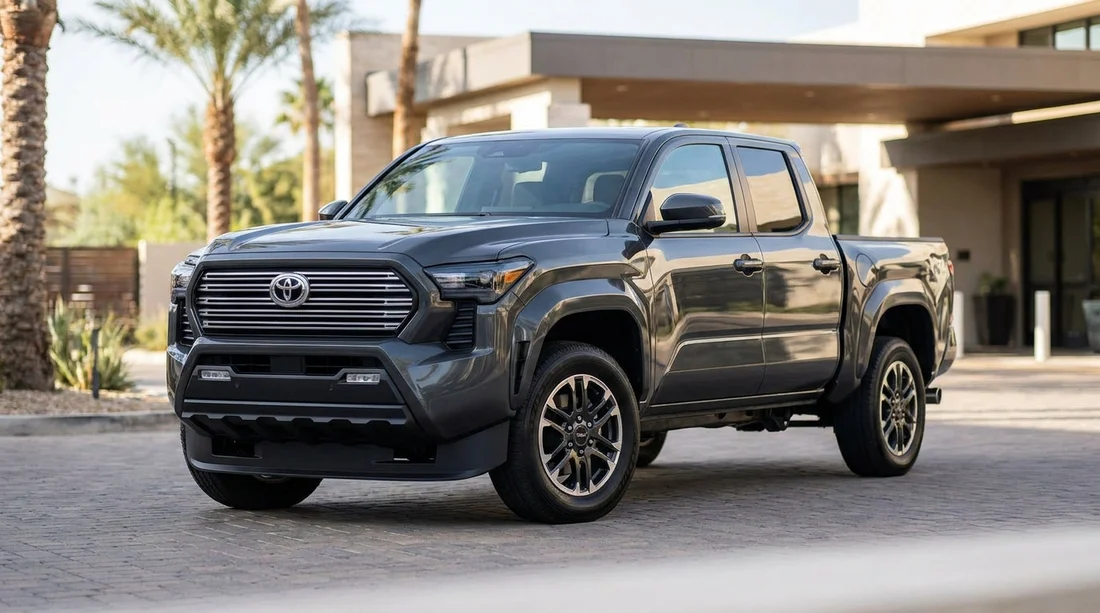
Commonly eligible (varies by issuer): mid-size SUV, standard SUV, full-size saloon, standard pick-up (sometimes), and minivan (sometimes).
Commonly excluded (again, varies): luxury SUVs, premium brands, “exotic” or “sports” cars, certain high-value models, large passenger vans, off-road vehicles, and modified vehicles. Some issuers exclude “trucks” broadly, which can matter in Texas where pick-ups are common.
The practical point is that “SUV” is not one class. A compact SUV may be treated like a normal car. A large premium SUV may be treated like a luxury vehicle and excluded.
Why vehicle class matters more than the badge
Credit-card CDW terms usually reference vehicle types and values, not just a marketing name. Rental companies also classify cars by group codes, and those codes do not always match what you picture. An SUV you think is “standard” might be listed as “premium” on the booking, or upgraded at the counter into a class your card excludes.
Before you finalise car hire in Texas, try to confirm the booked class rather than focusing on a single model. If your card’s benefit guide lists excluded categories, compare them with the class on your rental confirmation and the rental agreement you sign at pickup.
If you are researching typical SUV categories, it can help to compare how providers label them in different markets, such as SUV hire Phoenix, then map that understanding back to the Texas fleet you are considering.
Activation rules: the biggest reason CDW does not apply
Even if SUVs and large cars are eligible, most cards require you to follow certain steps for cover to apply:
1) Pay with the eligible card. Usually the full rental cost must be charged to the card, sometimes excluding deposits. Using a different card at the counter can invalidate the benefit.
2) Decline the rental company’s CDW/LDW. This is the most common condition. If you accept the rental company’s damage waiver, your card benefit may not apply. Some rental companies bundle products, so read what you are accepting.
3) Rent for an eligible duration. Many benefits have maximum rental periods per agreement, for example 15 or 31 consecutive days. Long Texas road trips can run over these thresholds.
4) Keep authorised drivers within policy. If an unauthorised driver has an incident, the claim can be denied. Ensure any additional drivers are listed on the rental agreement.
Texas-specific practical issues: pick-ups, hail, and rural damage
Texas driving conditions can introduce claim complications that are not obvious when you book.
Pick-ups and “trucks”. If you plan to hire a pick-up for work gear or long highway runs, check whether your card excludes trucks. Some benefit guides exclude “trucks, vans, and off-road vehicles” as a group, even when the rental firm treats them like a standard class.
Hail and storm damage. Severe weather can cause widespread damage in minutes. Credit-card CDW may cover weather-related damage as “physical damage”, but only if you complied with all conditions. You will still need documentation, and the rental company may charge loss-of-use or administrative fees that your card may or may not reimburse.
Rural roads and undercarriage. Some benefits exclude damage to tyres, wheels, glass, roof, and undercarriage unless it is part of a covered accident. If you are driving outside major cities, check whether your card limits these areas. Large SUVs can make you feel safer, but they also cost more to repair, and exclusions bite harder.
How to check your own card’s CDW for SUVs and large cars
Use a method that avoids assumptions:
Read the benefit guide wording for “covered vehicles” and “excluded vehicles”. Look for terms like luxury, exotic, full-size van, truck, or off-road.
Check country and state limitations. Some cards exclude certain countries, but Texas is not typically an excluded location. Still, verify that “United States” rentals are eligible.
Confirm how your rental is described on the booking confirmation and rental agreement. If it says “Premium SUV” and your card excludes luxury, you have a clear risk.
Ask the card benefits administrator to confirm whether the class you intend to rent in Texas is eligible. Do not ask about a single model name alone, ask about vehicle class and value thresholds.
How to avoid accidental loss of cover at the rental counter
When you pick up the vehicle, the counter experience can change what you thought you booked.
Avoid unplanned upgrades. Upgrades can move you into a luxury category. If you accept one, confirm your card still covers that class.
Be careful with bundled “protection packages”. Some packages include CDW/LDW. If you accept them, your card CDW may no longer apply, depending on terms.
Ensure every driver is authorised. If you share driving on a long Texas itinerary, list the other driver officially.
Document condition before leaving. Take photos of wheels, glass, bumpers, roofline, and interior. This reduces disputes about pre-existing damage, especially on larger vehicles with more surface area to inspect.
If you want to see how rental terms and add-ons can vary across brands and locations, browsing provider pages such as Budget car rental Illinois ORD and Alamo car rental Doral DRL can help you recognise similar patterns when arranging car hire in Texas.
If you are comparing quotes, checking major hubs like car rental California LAX can also help you spot how SUV classes and add-ons are presented on bookings.
What to do after an incident to protect your claim
If there is damage or theft, act quickly and keep a paper trail.
Get the required reports. For theft, vandalism, or third-party involvement, a police report is usually essential. For minor incidents, the rental company’s incident report may also be needed.
Notify the rental company and the card benefit administrator promptly. Many benefits have time limits for opening a claim.
Keep every document. Rental agreement, damage report, photos, repair estimate, final invoice, proof of payment, and any correspondence. Missing documents are a frequent reason for delayed or denied reimbursement.
Do not admit liability informally. Stick to factual reporting and let insurers handle liability discussions.
For another reference point on booking flow and documentation expectations, you can compare listing details on Thrifty car rental Santa Ana SNA before you confirm your Texas reservation.
FAQ
Does credit-card CDW cover a standard SUV on Texas car hire? Often it does, as long as the SUV is not classed as luxury or excluded, you pay with the eligible card, and you decline the rental company’s CDW/LDW.
Are large SUVs treated differently from standard SUVs? Yes. Many cards draw the line at premium or high-value categories, so a large premium SUV may be excluded even when a compact SUV is covered.
If I accept a free upgrade at the counter, will my card still cover me? Not necessarily. An upgrade can change the vehicle class to one your card excludes. Check the class on the rental agreement before you accept.
Does credit-card CDW replace liability insurance in Texas? No. CDW generally covers damage to the rental vehicle, not injury or damage you cause to others. Liability cover is a separate issue.
What paperwork is usually required for a CDW claim? Expect to provide the rental agreement, incident report, photos, repair estimate, final invoice, and proof of payment, plus a police report when required.































































































