


Quick Summary:
- Confirm smoke-free terms, evidence rules, and the exact smoking fee amount.
- Ask what counts as excessive sand, pet hair, or persistent odour.
- Check if cleaning fees stack with downtime, detailing, or ozone treatment.
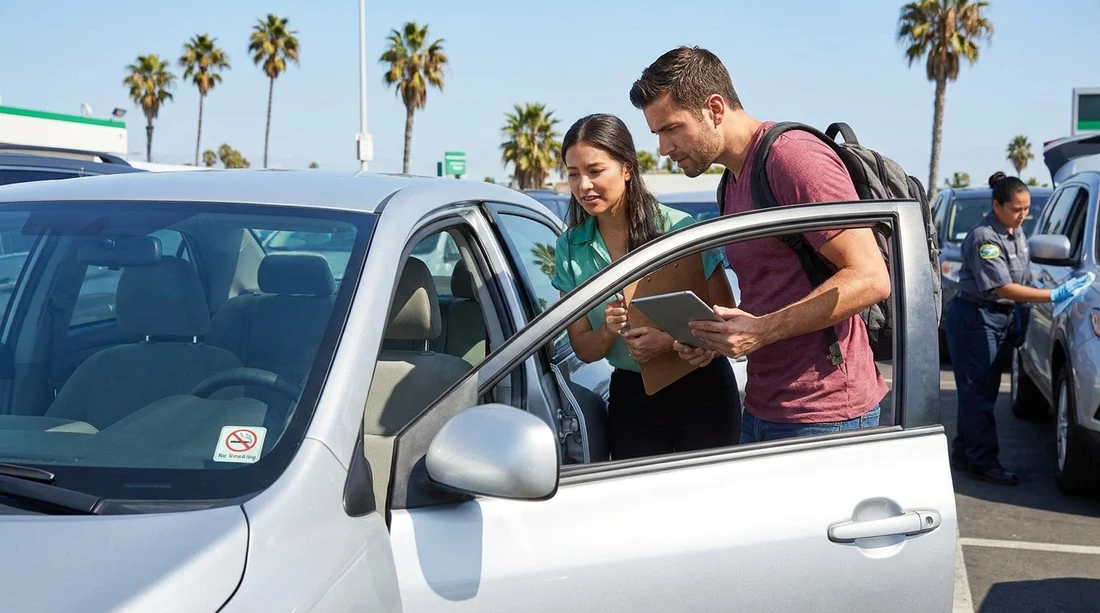
- Photograph the interior at pickup and return, and keep key receipts.
Cleaning and smoking fees are among the easiest surprises to miss in a Los Angeles car hire agreement, because they often sit in the “prohibited use”, “vehicle condition”, or “additional charges” sections rather than the headline price. They are also the charges most likely to depend on judgement, such as whether an odour is considered “smoke-related” or whether sand is “normal” or “excessive”. The goal before you take the keys is to understand what the contract allows the rental company to charge, what proof they rely on, and what you can do to prevent misunderstandings.
If you are arranging a car at the airport, start by reviewing the terms shown during booking and then re-check at the counter, because the counter agreement is what you sign. Hola Car Rentals displays options and supplier terms across locations such as Los Angeles LAX car rental and car hire at LAX, but the most important step is ensuring the printed or digital agreement matches what you expect.
1) Smoking fees: what “smoke-free” usually means in practice
Most suppliers operate a strict non-smoking policy. In contracts this may appear as “smoke-free vehicle”, “no smoking or vaping”, or “no smoking of any substance”. You should look for three details before signing.
The exact fee and what it covers. Some agreements list a fixed smoking fee, while others say “up to” a maximum amount. Clarify whether the fee is intended to cover cleaning only, or also includes deodorising, ozone treatment, replacement of cabin filters, or lost rental revenue while the vehicle is off the road.
How smoking is determined. Contracts may allow charging if there is “evidence of smoking”, which can include ash, burn marks, smell, or third-party reporting. Ask what evidence is required, and whether they take dated photos or write an inspection report. Also ask whether the decision is made at return or later during deep-cleaning, because later checks can complicate disputes.
Grey areas: vaping, cannabis, and passengers. Los Angeles visitors sometimes assume vaping is exempt, or that a passenger smoking with the window down is “fine”. Agreements typically ban all of it. If you are travelling with others, make sure everyone understands the rule, because the renter is usually responsible for any breach regardless of who smoked.
2) Odour fees: smoke-like smells and “deodorising” charges
Even if nobody smokes, you can still face a deodorising fee if the vehicle is returned with a persistent odour. The contract might not call it an “odour fee”, it may be listed as “special cleaning”, “deodorising service”, or “ozone treatment”. In Los Angeles, this often comes up after trips involving beach gear, gym bags, fast food spills, or heavy fragrance.
What threshold triggers a charge. Ask whether they differentiate between a light food smell and something requiring ozone treatment. If the only guidance is subjective, request an example of what they consider chargeable, and whether there is a standard fee schedule.
Whether odour fees can be applied without visible mess. Some suppliers can charge based on smell alone. If that is the case, you want to know how they document it and who decides.
How to protect yourself. At pickup, do a quick sniff test before leaving. If there is any pre-existing smell, report it immediately and get it noted on the agreement or inspection sheet.
3) Sand, beach residue, and “excessive” interior cleaning
Los Angeles is beach country, and sand is one of the most common causes of cleaning charges. Many agreements allow a fee when the interior needs more than a standard turnaround clean. The problem is that “more than standard” is rarely defined.
Which areas matter most. Sand embedded in carpet, seat tracks, and boot liners is harder to remove than a few grains on mats. Ask whether they treat mats separately or include them in the threshold.
How fees are calculated. Some suppliers apply a flat interior cleaning fee, others use a tiered approach (light, moderate, heavy). If they use tiers, ask what each tier means and what the price points are.
Whether you can prevent it with simple steps. Bringing a towel for seats, shaking out mats before return, and bagging wet items can reduce risk. You are not trying to detail the vehicle yourself, you are trying to avoid returning it in a condition that triggers special cleaning.
If you are travelling with family or a group, vehicle choice matters too. Larger cabins can collect more debris, but they also make it easier to contain it with bags and organisers. For people carriers and luggage-heavy trips, compare supplier options such as minivan hire at Los Angeles LAX if it suits your itinerary.
4) Pet hair and dander: cleaning, allergy, and “biohazard” wording
Some agreements allow pets only in specific circumstances, others prohibit them unless the animal is a service animal, and some allow pets but charge if hair remains. In practice, “pet hair” fees are usually framed as “special cleaning” or “allergen cleaning”, not as a separate pet charge.
Is pet travel permitted at all? Do not rely on assumptions. If the agreement prohibits animals (other than service animals), a cleaning fee is the least of the issues. Ensure the rule is clear and compatible with your plans.
How they define chargeable hair. A few hairs on the boot liner might be treated differently from hair embedded in upholstery. Ask whether they have a standard pet-hair cleaning fee, and whether it can be charged alongside other cleaning items.
Any “biohazard” or bodily-fluid clauses. These clauses are usually aimed at spills and serious contamination, but you should be aware of them if travelling with children or pets. Ask what the supplier treats as a specialist clean and what documentation they provide.
5) Inspection process: when they check, who signs off, and your evidence
Many disputes arise because customers assume the return inspection is final, while the supplier reserves the right to inspect later. Before signing your car hire agreement, check:
Return inspection timing. Ask whether they will inspect the interior while you are present, and whether you can receive a written confirmation that no cleaning issues were found. If they cannot confirm immediately, ask how and when you will be notified if a charge is later raised.
Documentation. Ask whether they take photos at pickup and return, and whether you can request copies if a fee is applied.
Your own photos. Take quick, time-stamped photos at pickup and return, focusing on seats, footwells, boot area, cup holders, and door pockets. Include a wide shot and a few close-ups. This is especially helpful if you have been to the beach or travelled with children.
Receipts and timestamps. Keep any relevant receipts, such as a car wash vacuum receipt if you choose to quickly tidy mats, or parking and fuel receipts that prove your return time. These can support your account if a later claim suggests something happened outside your control.
If you are comparing suppliers at different Southern California airports, note that fee wording can vary by brand and location even for similar vehicles. You can review alternatives via Hola Car Rentals pages like National car hire at Los Angeles LAX and car rental at Santa Ana Airport, then confirm the final agreement at the counter.
FAQ
Are smoking fees the same as cleaning fees in a car hire agreement? Not always. Smoking fees are often a specific penalty for breaching a smoke-free rule, while cleaning fees cover excessive soiling. Some contracts allow both if smoking also creates ash, burns, or strong odour.
Can I be charged for smoke smell even if nobody smoked? Some suppliers may charge for “deodorising” if an odour is judged severe, regardless of cause. Protect yourself by reporting any pre-existing smell at pickup and documenting the interior condition.
What usually triggers a sand or beach cleaning fee in Los Angeles? Heavy sand in carpets, seat tracks, and the boot area is a common trigger. Agreements often use the term “excessive” rather than a precise amount, so clarify thresholds and take return photos.
Do pet hair cleaning charges apply if I only carried a pet briefly? They can, if hair or dander remains and the contract allows special cleaning for allergens. Check whether pets are permitted at all, and ask what the cleaning fee would be if hair is found.
How can I reduce the risk of a disputed cleaning charge? Read the fee clauses before signing, ask for amounts and evidence rules, and take time-stamped photos at pickup and return. If possible, get a written note that the vehicle was returned in acceptable condition.






























































































