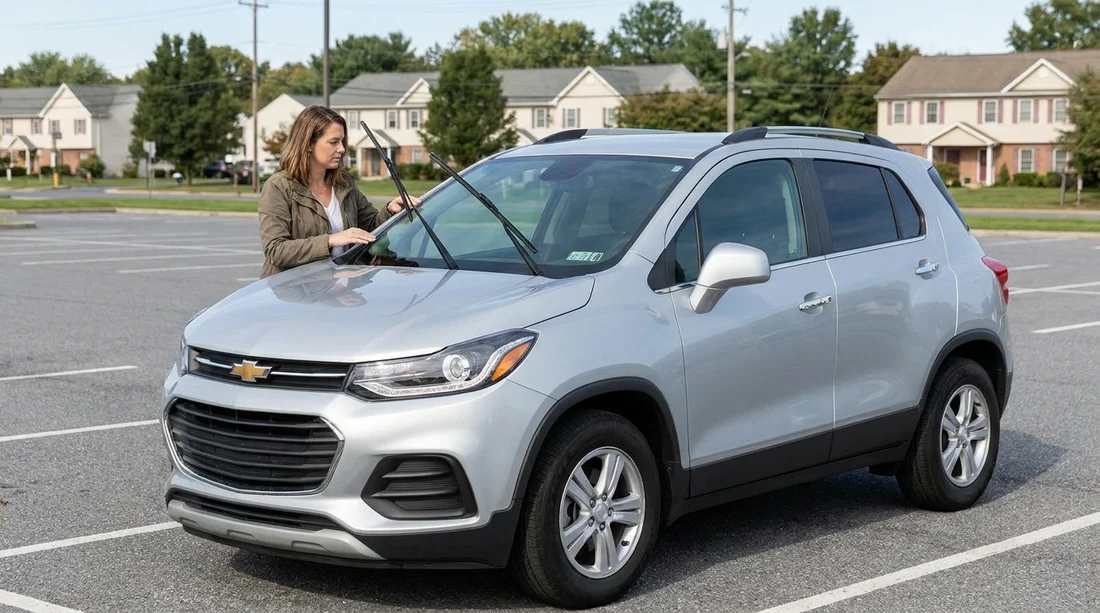
Quick Summary:
- Inspect the entire windscreen inside and out for chips and cracks.
- Check wiper blades for splits, hardness, streaking, and secure fit.
- Test washers, spray pattern, and wiper speeds before leaving the bay.
- Photograph and log any damage on the rental agreement, immediately.
Picking up a car hire in Pennsylvania often means driving straight into busy urban traffic, fast highways, or sudden weather changes. The windscreen and wipers are safety critical, they affect visibility, driver assistance cameras, and even how comfortable you feel on the first miles. A careful two minute check at pick-up can also save time later, because small chips or worn blades can be disputed if they are not recorded before you leave.
Whether you are collecting at the airport or a city branch, try to do your inspection while the car is still parked in good light. If you are arriving through Philadelphia, the pick-up environment may be dim in multi-storey garages, so using your phone torch helps. For location context and pick-up expectations, see Hola Car Rentals pages for car hire at Philadelphia Airport and car hire in Philadelphia.
Start with a slow walkaround: chips, cracks, and edge damage
Begin outside the vehicle and look at the windscreen from several angles. Move left to right and crouch slightly, because small chips can vanish when viewed head on. Pay attention to the lower corners and the edges near the A-pillars, where stress fractures can start and where damage is easiest to miss.
Look for star breaks, bullseye chips, half-moon chips, and long cracks. Even if a chip seems tiny, note it if it sits in the driver’s line of sight, near the edge, or close to the sensor area behind the rear-view mirror. Chips at the edge can spread with temperature changes or a hard close of the door.
Also check for pitting, a sandblasted look caused by many small impacts. Pitting can create glare at night and in low sun, a common issue on long highway routes. While this may count as wear and tear, it is still worth photographing and noting, because it affects visibility and comfort.
Inspect from inside: glare, scratches, and camera zones
Next, sit in the driver’s seat and inspect the windscreen from the inside. Interior smears, scratches from poor cleaning, or film build-up can cause pronounced glare when driving east or west at sunrise or sunset. In Pennsylvania, low winter sun and wet roads can amplify glare, so a clean, clear screen matters.
Look carefully around any areas with technology, such as rain sensors, lane camera housings, or mounting points near the mirror. If you see a crack running toward these zones, document it. Some systems rely on a clear viewing path through the glass, and a fault could lead to warnings on the dash.
If you are comparing vehicle types for visibility and road position, note that taller vehicles can change how debris hits the glass. The Hola Car Rentals page for SUV rental in Philadelphia can help you understand what you may be collecting, but the same windscreen checks apply to every class.
Check the wiper blades: rubber condition and seating
Wiper blades can look fine at a glance yet perform poorly in rain. Lift each wiper arm gently and inspect the rubber edge. You are looking for splits, nicks, missing sections, or a hardened glossy feel. If the blade edge is jagged or uneven, it will chatter and leave streaks.
Run a fingertip lightly along the rubber, checking for roughness or embedded grit. Then confirm the blade sits evenly against the glass along its length. A blade that is partially detached, twisted, or not clipped in properly can skip, especially at higher speeds.
Check the wiper arms too. If an arm seems bent or has weak spring tension, the blade may not press firmly to the glass. That can cause an unwiped arc directly in your sightline. If you notice weak contact pressure, take a photo and report it before leaving.
Test wipers and washers before you exit the lot
Turn the ignition on and test the wipers on intermittent, low, and high settings. You want smooth, quiet passes without juddering, missed sections, or heavy streaks. A small streak at the far edge may be acceptable, but a broad smear in the driver’s view is a safety issue, especially in heavy rain.
Then test the washers. Confirm fluid sprays promptly and reaches most of the screen. If the spray is weak, mis-aimed, or one nozzle is blocked, you may lose visibility quickly on salted winter roads. Watch for washer fluid leaking under the bonnet or pooling at the base of the screen.
If the rear window has a wiper, test it too. Many drivers forget until the first time they reverse in rain. Also check the washer jets for the rear screen if fitted.
When picking up via a branded counter, processes vary, but your checks remain the same. If you are collecting through partner options listed on Hola Car Rentals, you can review provider pages such as Hertz car hire in Philadelphia and National car hire in Philadelphia for general context. Regardless of provider, record windscreen and wiper issues before you drive away.
Look for signs of recent repair or cover-ups
Some windscreens have resin repairs. A professional repair often leaves a faint mark, but it should be smooth and not in the driver’s critical viewing zone. If you see a repaired chip that looks cloudy, raised, or spreading into a crack, photograph it clearly and ask for it to be noted.
Also watch for temporary solutions, such as tape near a crack or heavy smearing that might hide scratches. If the screen looks overly polished in a small area, it can be a clue that someone attempted to reduce the appearance of damage. Your photos should capture these details in good light.
How to document issues so there is no confusion later
Documentation is the difference between a quick handover and a stressful return. Take wide shots showing the whole windscreen, then closer photos of each chip or crack with a reference point, such as the mirror mount or a corner edge. If your phone allows, capture a short video panning across the glass to show context and position.
Do the same for the wipers if they look worn. Photograph the rubber edge, any splits, and the blade seating on the glass. If the washer spray is weak or uneven, a quick video of the spray pattern can be useful.
Next, ensure the damage is recorded on the rental agreement or the inspection report within the provider’s app. Be specific. Write the location and size, for example, “2 mm chip, lower passenger side, 5 cm from edge” rather than “small chip”. If you cannot get staff to view it immediately, submit it through the designated reporting method before leaving the premises, and keep a timestamped copy.
Finally, re-check visibility before pulling into traffic. Clean the inside of the screen with a dry microfibre cloth if available, because interior haze can mimic scratches at night. If you wear polarised sunglasses, a quick look through them can reveal stress patterns or pitting that might otherwise be missed.
Why this matters on Pennsylvania roads and in changing weather
Pennsylvania driving can involve fast motorway speeds, construction zones, and seasonal hazards. Winter brings salt spray and slush that demand effective washers and sharp wipers. Spring and summer storms can arrive quickly, and a worn blade that seems acceptable in drizzle can fail in a downpour.
Small windscreen damage can also spread with temperature swings, such as moving from a cold outdoor car park into a heated cabin, or blasting the demister on a freezing morning. Catching and recording existing issues at pick-up protects you and helps ensure you start your trip with clear visibility.
FAQ
What counts as windscreen damage worth reporting at pick-up? Report any chip, crack, star break, or noticeable pitting, especially in the driver’s view or near the glass edges. If you can photograph it clearly, it is worth noting.
How can I tell if wiper blades are too worn for safe driving? If the rubber is split, hardened, leaving heavy streaks, skipping, or chattering on low speed, the blades are likely worn. Poor contact along the blade length is also a red flag.
Should I test washers and wipers even if the weather is dry? Yes. Dry conditions at pick-up do not guarantee dry driving later, and washer fluid is essential for road spray. A quick test confirms the system works before you leave.
What is the best way to document windscreen chips on a car hire? Take wide and close photos with clear context, plus a short video pan if possible. Ensure the damage is written on the inspection report with precise location and approximate size.
If I find a crack at pick-up, should I ask for a different vehicle? If the crack is in the driver’s line of sight, spreading, or reaches the edge, it is sensible to request an alternative or have it documented and addressed. Prioritise visibility and safety.