


Quick Summary:
- LDW or SCDW often excludes wheels, tyres, and kerb scuffs.
- Check your rental excess, you may still pay repair costs.
- Inspect alloys at pickup, photograph damage, and record it in writing.
- Confirm if separate wheel and tyre cover is available.
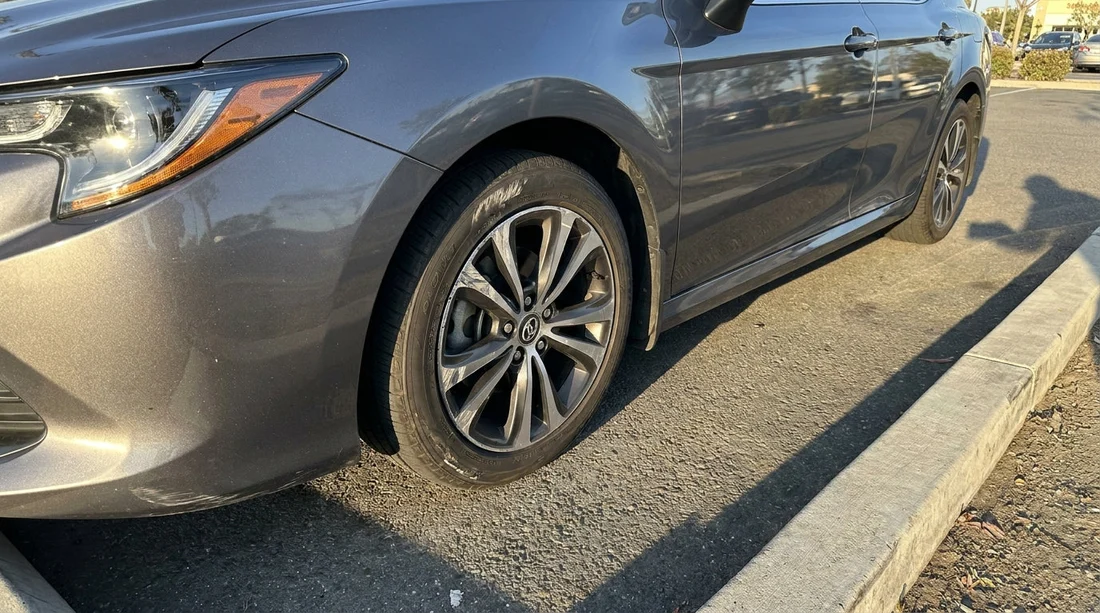
Kerbing a wheel is one of the most common types of damage in California car hire, especially in busy city parking, tight hotel ramps, and when parallel parking near high kerbs. Many drivers assume LDW or SCDW automatically covers anything damage related, including alloy scuffs. In reality, wheel, tyre, and underbody items are frequently treated differently from bodywork, and the wording can vary between providers and locations.
This guide explains how LDW and SCDW usually work in California, why wheel and alloy damage from kerbs is commonly excluded, how excess and claims typically play out, and what to check in the terms before you choose a car hire option.
What LDW and SCDW usually mean in California car hire
LDW stands for Loss Damage Waiver. In many US rentals it is not described as insurance, but as a waiver that reduces or removes your financial responsibility for damage to the rental vehicle, subject to the contract terms. SCDW, sometimes described as Super CDW or similar, is typically an enhanced option intended to reduce the excess to a lower amount, sometimes to zero, again subject to exclusions.
When comparing providers at major California hubs, you will see different packages depending on pickup point. For example, if you are arranging car hire around Los Angeles, compare what is included at Los Angeles LAX. If you are collecting in the Bay Area, check the detailed inclusions for San Francisco SFO or San Jose SJC. The labels can look similar, but wheel and tyre protection is often separate.
So, does LDW or SCDW cover wheel and alloy kerb damage?
Most of the time, standard LDW does not fully cover wheel and alloy damage caused by kerbing. Many suppliers treat wheels, tyres, rims, hubcaps, and sometimes glass, roof, and underbody as specific exclusions or as damage categories with different rules.
SCDW can reduce your excess for covered damage, but it still commonly keeps the same exclusions as the base LDW. In other words, SCDW may lower the excess on bodywork damage but leave you exposed for wheel scuffs if wheels are excluded in the first place.
There are exceptions. Some packages explicitly include wheels and tyres, or offer an additional protection product that can be added. The only reliable method is to read the inclusions section and the supplier’s terms for exclusions, then confirm how wheels are defined.
Common exclusions that catch drivers out
Wheel and alloy kerb damage often falls into one of these excluded or restricted categories.
Tyres and rims excluded: the terms might say tyres, rims, and hubcaps are not covered. A kerb strike that scuffs the alloy, bends the rim, or damages the tyre sidewall could be entirely at your cost.
Cosmetic damage exclusions: some contracts define scuffs, scratches, and minor cosmetic marks as not covered, even if the panel or wheel is intact. Alloy rash from a kerb can be treated as cosmetic.
Negligence or misuse: mounting a kerb, driving into a curb stop, or continuing to drive on a damaged tyre may be classified as negligent, which can void the waiver.
Unreported damage and late reporting: if you do not report the incident promptly, or you return the car without mentioning it, you can lose coverage protections and face extra admin fees.
How excess works if a wheel claim is made
Excess is the amount you pay towards a claim before the waiver or cover applies. In California car hire, you might see zero-excess style packages, but zero excess only applies to damage that is actually covered. If wheels are excluded, there may be no excess protection for that item at all, meaning you could be charged the full repair or replacement amount plus fees.
Also look for contract language about loss of use and administrative fees. Even with LDW or SCDW, some suppliers charge processing costs, appraisal fees, or downtime charges where permitted by the agreement. Understanding these line items is as important as the headline excess figure.
What to check in the terms before you choose car hire
Before selecting a protection level, focus on five practical checks.
1) Definitions: search the terms for wheels, tyres, rims, hubcaps, and cosmetic damage. If the wording is broad, assume kerb rash could be excluded unless stated otherwise.
2) Exclusions list: locate the exclusions section for LDW and any upgraded waiver. Some suppliers keep exclusions identical across tiers, changing only the excess. That means paying more may not help with wheel scuffs.
3) Excess amount and claim handling: confirm the maximum you could pay and whether it is per incident. Also check if towing or roadside assistance is included if a kerb impact leads to a flat tyre.
4) Inspection standards: understand how damage is assessed on return. Wheels can be checked closely, particularly on premium vehicles and large SUVs with low-profile tyres.
5) Optional wheel and tyre cover: if offered, verify exactly what it covers. Some products cover tyre punctures but exclude alloy refurbishment, others cover alloy scuffs but not bent rims.
These checks matter whether you are renting near Southern California beaches or for inland driving. Terms can differ even within the same state depending on the supplier and station, such as at Santa Ana SNA versus a downtown location.
How to reduce the chance of being charged for kerbed alloys
Do a wheel-by-wheel walkaround at pickup: do not focus only on dents and paintwork. Check each rim face and outer edge, and look for prior scuffs.
Take clear photos and a short video: capture close-ups of each wheel, plus wide shots showing the plate and the wheel position. Good evidence helps if pre-existing wheel rash is later questioned.
Get damage recorded on the agreement: if you see alloy scuffs, ask for them to be marked. If the location is busy, be patient and insist it is noted in writing.
Park to protect the wheels: leave extra space from kerbs, avoid tight kerbside parking when possible, and use mirrors and cameras slowly.
Why reading the terms matters more than the label
Two rentals can both advertise LDW and sound similar, but produce different outcomes for kerbed alloys. That is why it is worth comparing station-specific details. If you are travelling via Northern California and want a larger vehicle, compare options such as minivan hire in Sacramento SMF, where wheel size and tyre type can affect refurbishment costs.
Ultimately, the answer to the title question is: LDW or SCDW may help with many types of damage, but wheel and alloy kerb damage is frequently excluded, and you should assume you might pay unless your terms explicitly include wheels or you add a suitable protection.
FAQ
Does LDW automatically include alloy wheel scuffs from kerbs? Usually not. Many California car hire agreements exclude wheels, tyres, rims, or cosmetic damage. Check the exclusions section for the exact wording.
If I bought SCDW, can I still be charged for wheel damage? Yes. SCDW often only reduces the excess for covered damage. If wheels are excluded, the upgrade may not apply to kerb rash or rim damage.
What costs might I face if a wheel is damaged? Possible charges include wheel refurbishment or replacement, tyre replacement, alignment, administrative fees, and sometimes loss-of-use charges, depending on the contract.
How can I protect myself at pickup? Inspect every wheel closely, take timestamped photos, and ensure any existing scuffs are recorded on the rental agreement before you drive away.
Is separate wheel and tyre cover worth checking? Yes, especially for city driving and tight parking. Confirm whether it covers cosmetic scuffs, bent rims, tyre sidewall damage, and any excess that still applies.






























































































