


Quick Summary:
- LDW may exclude wheels, tyres, glass, roof, and underbody damage.
- Kerb rash on alloy rims is often chargeable even with LDW.
- Underbody scrapes from bumps, ramps, or blocks are commonly excluded.
- Check your agreement, take photos, and drive cautiously to reduce disputes.
Loss Damage Waiver, usually shortened to LDW, can feel like a simple tick box when you are arranging car hire in Florida. In reality, LDW is a set of rules about what the rental company will, and will not, charge you for if the vehicle is damaged or stolen. Travellers often assume it covers every scratch and scrape, then get surprised by charges for wheel damage, kerb rash or marks underneath the car.
This guide breaks down the most common LDW exclusions that affect wheels, kerbs and the underbody in Florida. The exact wording varies by supplier and package, so always rely on your specific rental agreement and the coverage description shown for your booking, but the patterns below are consistent across many rentals.
If you are comparing suppliers for Miami area collections, the coverage can differ between brands and locations. For example, you might be browsing options such as Alamo car hire Florida MIA or Thrifty car hire Miami MIA, then trying to understand what the waiver really protects once you reach the counter.
What LDW usually covers, in plain English
LDW is typically a waiver that reduces or removes your financial responsibility for damage to the rental vehicle, as long as you follow the rental terms. It is not always “insurance” in the traditional sense, and it can come with conditions. When LDW applies, it generally covers bodywork damage caused by a collision, vandalism, or other incidents that are not excluded, and it may cover theft of the vehicle (or theft-related damage) depending on how the waiver is structured.
However, “the vehicle” is not always treated as every component equally. Certain parts are frequently carved out, either entirely excluded or covered only if you have a higher tier of protection.
Does LDW cover wheel damage and kerb rash?
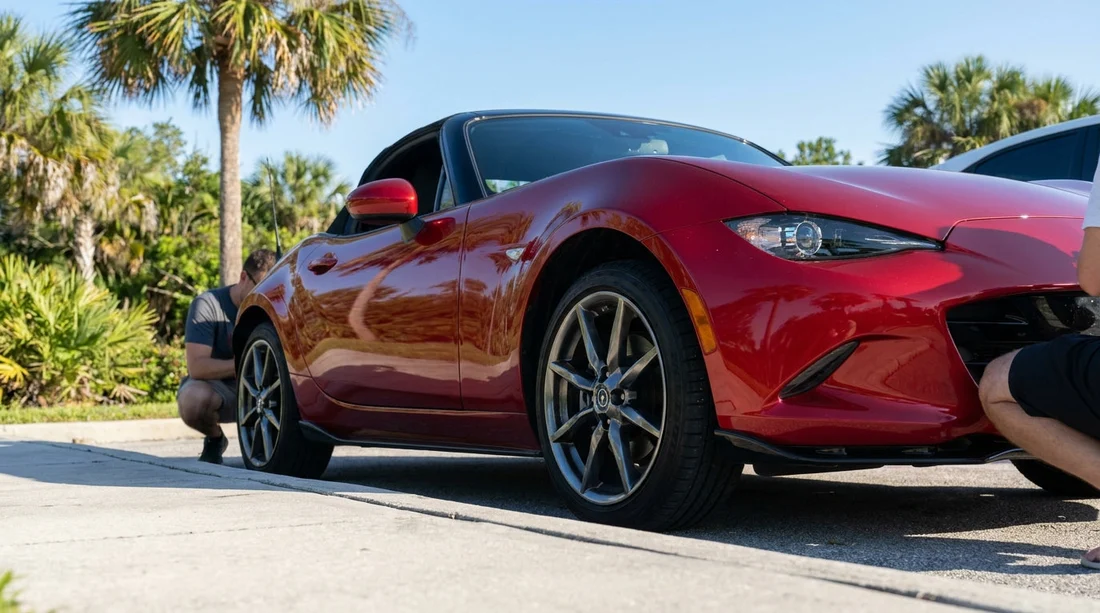
Wheel-related charges are one of the most common surprises in Florida car hire. Under many standard LDW terms, damage to wheels and tyres is excluded. That means alloy rim scuffs from kerbing, cracks, buckles, missing hubcaps, and punctures can be billed to you even if you took LDW.
Kerb rash is often treated as wheel damage rather than body damage. Even if the car’s body panel damage would be covered under LDW, a scraped rim can still be chargeable. The same applies to damage that occurs when parking close to a curb or when brushing a raised island at a petrol station.
Practical checks before driving off: inspect all four rims closely, including the outer edge, and photograph any existing marks. If you are picking up near the coast, tight parking spaces can make rim scuffs more likely, so take extra care when collecting in busy areas like car rental Miami Beach.
Does LDW cover underbody damage in Florida?
Underbody damage is another area frequently excluded from standard LDW. The underbody includes the underside of bumpers, the oil pan area, exhaust components, the lower engine bay, suspension parts, and protective shields. Even a minor scrape can be expensive if it bends panels or cracks protective covers.
In Florida, common underbody damage scenarios include scraping on parking blocks, steep driveways, hotel entrance ramps, poorly judged speed bumps, or driving onto uneven ground. A low-slung car can catch more easily, so vehicle choice matters. If you are considering something with more ground clearance, you might compare options like SUV hire Doral for added practicality, then still confirm the waiver terms for underbody exclusions.
Many rental terms also exclude damage that results from driving on unpaved or unsuitable roads. Even if you did not intend to go off-road, a sandy shoulder, construction diversion, or a gravel car park can trigger an “improper use” clause. If the agreement says underbody damage is excluded, the cause may matter less than the fact the damage is underneath.
What about kerb damage to the bumper or sill?
Kerb contact can affect more than the wheel. If you scrape the lower bumper lip or the side sill, some rentals treat it as underbody or lower-body damage, which can fall into an exclusion category. The key is the rental company’s definition. Some policies exclude “lower body” or “below the bumper line” damage, even when upper panels are covered.
Because terms vary, look for phrases such as “underbody”, “lower body”, “running gear”, “tyres and wheels”, and “damage caused by contact with the road”. If you see these listed as exclusions, you should assume a kerb scrape could be billed.
How to choose cover confidently before you reach the counter
The goal is to reduce ambiguity. Before you travel, review the coverage summary for your booking and confirm what your package includes. If you are collecting around Greater Miami, note that terms can be presented slightly differently depending on location and brand. For instance, a neighbourhood pick-up such as Budget car rental Coral Gables may present options differently to an airport desk, even when the underlying waiver concepts are similar.
Use these steps to avoid last-minute pressure:
1) Identify the excluded parts: Look for a section that explicitly lists exclusions. Wheels, tyres, glass, roof, underbody, and interior are the usual suspects.
2) Match exclusions to your trip: City driving and tight parking increases kerb risk. Longer highway drives increase windscreen chip risk. Beach car parks and uneven driveways increase underbody scrape risk.
3) Understand deductibles and excess: LDW can come with an excess that still leaves you paying the first portion. Separate products may reduce that amount, but check whether exclusions remain.
4) Confirm who is covered: If an additional driver is not properly added, some waivers can be invalidated for an incident occurring during their driving.
5) Keep evidence: Photos and a quick walkaround video at pickup and return help if there is a dispute about pre-existing damage, especially rim scuffs.
FAQ
Does LDW automatically include wheels and tyres for car hire in Florida?
Not automatically. Many standard LDW terms exclude wheels and tyres, meaning punctures and rim damage can still be chargeable unless your package specifically includes them.
If I scrape an alloy on a kerb, is that usually covered under LDW?
Often it is not covered, because it is treated as wheel damage. Some higher-tier products may include wheel cover, so check the exclusions list rather than assuming.
Is underbody damage covered if I only scraped a speed bump?
Frequently no. Underbody and lower-body damage are commonly excluded, even when the incident happened on a normal road surface like a car park or driveway.
What should I look for in the terms to spot these exclusions?
Search the rental agreement for “wheels”, “tyres”, “underbody”, “lower body”, “glass”, “roof”, “interior”, “negligence”, and “prohibited use”. Those headings usually reveal the key gaps.






























































































