


Quick Summary:
- LDW often covers single-vehicle damage, but excludes reckless or prohibited driving.
- Animal strikes may count as collision damage, though exclusions vary by supplier.
- Ask for the written LDW terms, including excess, fees, and definitions.
- Confirm whether tyres, windscreen, underbody damage, and towing are included.
When you arrange car hire in New York, you will usually be offered LDW, sometimes labelled Loss Damage Waiver or Collision Damage Waiver. It is commonly described as cover for damage to the rental vehicle, but it is not a universal promise to pay for every incident. The important detail is that LDW is typically a waiver of the rental company’s right to charge you for certain damage, provided you follow the rental agreement. That means the exact wording matters, especially for animal strikes and single-vehicle damage.
This guide explains how LDW commonly works in the US rental market, what is often included, what is frequently excluded, and which questions help you confirm the position before you accept cover. Policies and local terms can differ by supplier, location, and vehicle group, so treat this as a checklist to apply to your specific agreement.
What LDW usually means for car hire in New York
LDW usually reduces your financial responsibility if the rental vehicle is damaged or stolen. Depending on the deal, it can be “with excess” (you pay up to a stated amount) or “zero excess” (the waiver can reduce charges to zero for covered loss). It may also include administrative fees, loss of use, and towing, or it may not. Those extras are often where costs appear even when the main damage is waived.
Another point to understand is that LDW is not the same as third-party liability insurance. Liability relates to injury or damage you cause to others. LDW relates to the rental vehicle itself. For car hire questions around animal impacts or a crash with no other vehicle involved, LDW is the part of the paperwork you scrutinise first.
If you are comparing pickup points around the wider New York area, you may notice different inclusions between airports and off-airport counters. If you are considering collections around Newark as an alternative, the Hola pages for Newark EWR car rental and car hire at Newark EWR are useful starting points for reviewing vehicle options and typical add-ons you may be offered at the desk.
Does LDW cover animal strikes?
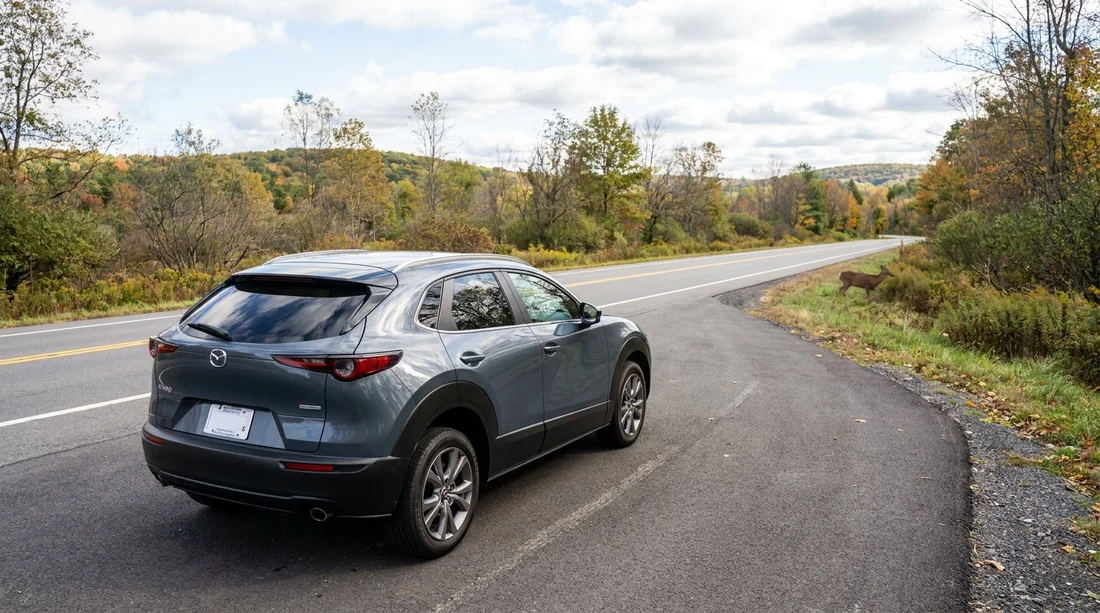
Animal strikes sit in a grey area because different rental companies categorise them differently. Many suppliers treat an animal impact as a collision event, meaning LDW that covers collision damage may apply. In that typical setup, if you hit a deer on a parkway and the front end is damaged, LDW would usually waive or reduce the repair cost, subject to any excess and subject to you meeting the agreement conditions.
Windscreen and glass rules: Some LDW terms include glass, others exclude it or apply a separate excess. An animal strike can easily crack a windscreen, damage lights, and break sensors, so confirm whether glass and lighting are inside the LDW definition of “damage”.
Underbody and mechanical exclusions: If the strike leads to underbody damage, radiator damage, or oil pan damage from debris, some agreements exclude undercarriage or “mechanical” damage even when it stems from a collision. Ask specifically about underbody, suspension, and engine components.
Reporting requirements: Some suppliers require a police report for certain incidents, or immediate notification, especially if the vehicle becomes undriveable. Failing to report promptly can lead to a denial of the waiver.
Negligence language: If the supplier claims the incident involved negligent driving, for example speeding for conditions, driving off-road, or ignoring warning signs, they may argue the waiver does not apply. The threshold for “negligence” varies by contract, so read the definitions.
Practical takeaway: LDW often helps with animal strikes, but you should confirm how “collision” is defined, whether glass and lights are included, and whether any separate charges remain even when repairs are waived.
Does LDW cover single-vehicle damage?
Single-vehicle damage is typically within the core purpose of LDW, because it is damage to the rental car that can happen without another party being involved. Examples include scraping a pillar in a car park, backing into a bollard, clipping a kerb and damaging a wheel, or sliding into a barrier during bad weather.
Even so, the same pattern applies: LDW is commonly broad, but exclusions can narrow it sharply. The most frequent exclusions relevant to single-vehicle incidents include tyres and wheels, roof and undercarriage impacts, interior damage, keys and roadside events, and unauthorised use by an unlisted driver.
Vehicle choice can change your exposure. A larger vehicle can reduce some risks but increase others, such as clearance. If you are weighing up a bigger vehicle for winter traction or luggage space, see the Hola pages for SUV hire at New York JFK and minivan rental at New Jersey EWR to compare categories and think about where the common single-vehicle hazards may arise.
Questions to ask before accepting LDW
Use these questions as a pre-pickup checklist. The goal is not to debate the counter agent, but to get clarity and ideally written confirmation in the rental jacket, terms sheet, or email.
1) How does this LDW treat animal strikes? Ask whether it is considered collision damage and whether any separate excess applies.
2) Are windscreen, windows, mirrors, headlights, and sensors included? Animal strikes often damage modern driver-assistance sensors. Confirm whether these parts are treated as “glass” or “equipment”.
3) Are tyres and wheels covered for kerb or pothole damage? This is critical for single-vehicle claims in urban areas.
4) Is undercarriage, roof, and bumper damage included? Request the exact wording. Garages and kerbs create common claims that can be excluded.
5) What is the excess, and is it per incident? Also ask whether the excess changes by vehicle group.
6) Are towing, storage, admin fees, and loss of use waived? If not, ask for the fee schedule so you understand the remaining exposure.
7) What are the incident reporting steps? Ask whether a police report is required for animal strikes or single-vehicle damage, and whether photos are expected.
8) What behaviours void the waiver? Confirm driver authorisation rules, prohibited roads, and any geographic restrictions.
If you prefer collecting outside the busiest New York terminals, you might compare nearby airport counters. Hola’s page for car rental at New Jersey EWR airport can help you assess nearby pickup logistics and typical rental desk processes that influence how coverage is presented and documented.
How to reduce disputes if damage happens
If an animal strike or single-vehicle incident occurs, the way you handle it can matter almost as much as the coverage itself.
Document immediately: Take clear photos of the scene, the animal impact area, the road, and the full vehicle including the number plate. If safe, capture any warning signs or mile markers.
Notify the supplier promptly: Use the number in the rental agreement. Ask for a reference number and record the time of the call.
Follow instructions for towing: If towing is needed, ask whether they must arrange it to keep cover intact.
Keep paperwork: If you are advised to file a police report, do it and keep a copy. Retain any tow receipts.
At return, request written acknowledgement: If the car is inspected, ask for a signed note of damage observed, even if they say it will be handled later.
These steps help because many LDW disputes are not about the incident itself, but about missing documentation or disagreements about when and how the damage occurred.
FAQ
Is LDW the same as insurance for car hire in New York? No. LDW is typically a waiver limiting what the rental company can charge for vehicle damage or theft. Liability cover for third parties is separate.
If I hit a deer, will LDW automatically waive all costs? Often it can, but not always. You may still face an excess, excluded items like glass or sensors, or fees such as towing or admin if not included.
Does LDW cover kerb damage to wheels and tyres? Frequently, tyres and wheels are excluded unless a specific add-on is purchased. Check the contract wording for rims, tyres, and hubcaps.
Can LDW be voided after a single-vehicle accident? Yes. Common reasons include an unauthorised driver, prohibited road use, driving under the influence, reckless driving, or failing to report the incident properly.
What should I check before accepting LDW at the counter? Confirm excess amount, what parts are excluded, whether animal strikes are treated as collision, and whether fees like towing and loss of use are waived.






























































































