


Quick Summary:
- Assume Uber and delivery use is excluded unless your agreement allows it.
- Verify commercial-use insurance cover, personal policies often will not apply.
- Ask for written confirmation of app-based driving permission before pick-up.
- Check mileage, wear, cleaning and downtime fees for high-use driving.
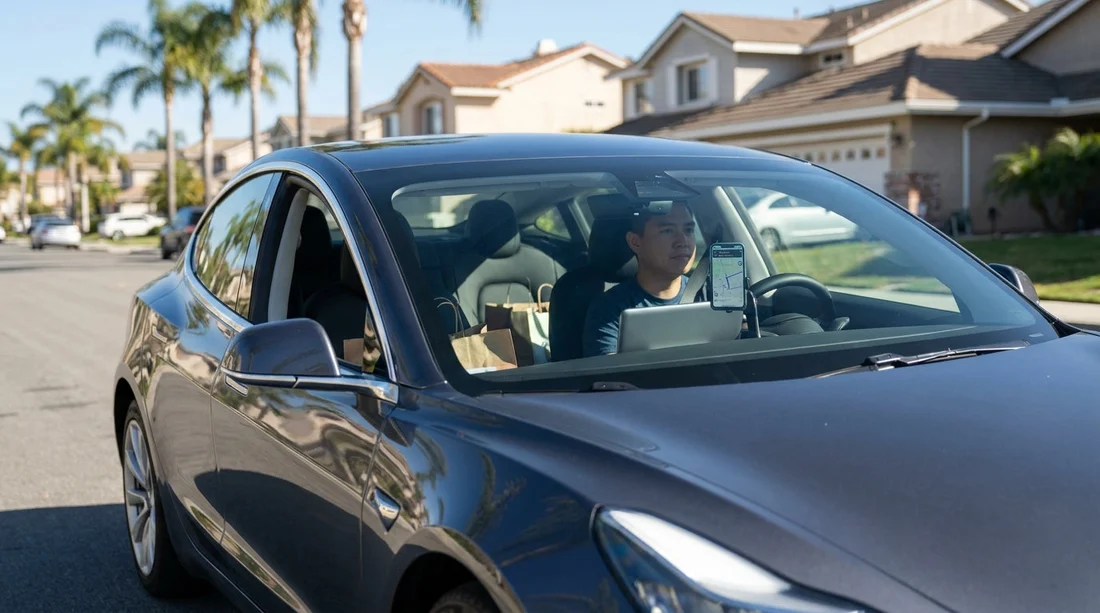
When arranging car hire in California, it is tempting to combine your trip with earning opportunities through Uber, Lyft, DoorDash, Instacart or similar delivery platforms. The complication is that many standard rental agreements treat app-based passenger or delivery work as “commercial use”, and they restrict it, exclude it from protection products, or require a specific programme or corporate rate. Before you collect the keys, it pays to understand what is typically allowed, how insurance changes, and what to confirm in writing.
This article explains common restrictions you may see in California car rental terms, why they exist, and a practical checklist to reduce the risk of voided cover or unexpected charges. If you are comparing pick-up locations, Hola Car Rentals provides information pages for major hubs such as car hire at Los Angeles LAX and Avis car hire at San Francisco SFO, which can help you plan where to collect and return.
Can you use a rental car for Uber or delivery apps in California?
Sometimes, but not by default. The typical answer for standard leisure car hire is “no, not unless the rental agreement specifically allows it”. Many rental contracts prohibit using the vehicle “for hire”, “for commercial purposes”, “for transporting people or property for a fee”, or “in connection with delivery services”. Uber and delivery apps usually fall into those categories.
Some large brands run or participate in approved rideshare rental programmes, which are separate from ordinary daily rentals. Under those programmes, the vehicle, pricing, permitted use and insurance package are designed for app-based driving. If you turn up with a standard reservation and start driving for an app without permission, you may be in breach of contract, which can lead to termination of the rental or liability for damage.
Why rental agreements often restrict rideshare and delivery use
App driving typically means higher mileage, more frequent short trips, more stop-start driving, increased interior wear, and greater accident exposure. From a risk standpoint, the hire company is lending an asset that will be used more intensively than a holiday rental. That changes servicing schedules, tyre wear, and the chance of claims. Restrictions are one way providers control risk and align with insurer requirements.
Insurance implications you must understand before pick-up
The most important point is that insurance and protection products can be conditional on following the contract. Even if you purchased a collision damage waiver or similar protection, it may not apply if the vehicle is used for prohibited purposes.
1) Rental company protections
Rental counter products, such as damage waivers and supplemental liability, may have exclusions for commercial use. If you plan to drive for an app, ask the provider to point out the specific clause that confirms coverage remains valid for rideshare or delivery activity. If they cannot confirm, assume it is excluded.
2) Your personal car insurance
Personal auto policies commonly exclude “livery” or “carriage for hire”. Even if your insurer covers rental cars for personal use, the moment you accept rides or deliveries, the policy may stop responding. If you are relying on your own policy, ask your insurer whether it covers rentals and app-based commercial activity, and get the answer in writing.
3) App-provided insurance
Rideshare and delivery platforms may provide liability cover while you are online and during trips, but the scope varies by platform and by app status. These policies often assume you have a vehicle you are allowed to use for the service. If your rental agreement prohibits it, you can still face contractual liability to the rental company even if the app’s insurer pays a third party.
4) Credit card cover
Many travel and credit card rental protections exclude commercial use and may exclude claims if you breach the rental agreement. If you are using card cover as your main protection, read the exclusions carefully. If rideshare or delivery is excluded, treat the cover as not available for that activity.
What to confirm with the rental provider before you collect the car
To avoid relying on assumptions, confirm these points before pick-up, ideally in writing on the reservation, rental agreement, or an email from the provider.
Permitted use: Ask whether Uber, Lyft, food delivery, parcel delivery, or any app-based transport service is allowed. Some agreements may allow delivery but not passengers, or allow it only under specific programmes.
Named drivers: App platforms require the account holder to be the driver. Ensure the driver on the rental agreement matches the person driving. Unauthorised drivers can invalidate protections even for personal trips.
Mileage policy: High-mileage driving can trigger overage charges on limited-mileage rentals. Confirm whether your car hire rate is unlimited mileage, and whether there are different terms for commercial use.
Vehicle type suitability: Delivery work can mean frequent loading, spills, and odours. Some providers require the car to be returned free of strong smells. If you need extra space, review options such as van hire in California via LAX, but still confirm permitted use.
Cleaning, smoking and odour fees: Food delivery can leave smells or stains. Ask what triggers detailing charges and how the provider assesses them.
Common scenarios and the practical risk level
Scenario A: You have a standard holiday rental and want to do a few deliveries
This is where most people assume it will be fine. In many agreements, it is still prohibited. The risk is not just an accident, it is also a minor bumper scrape, a cracked windscreen, or a complaint about odour.
Scenario B: You are an Uber driver who needs a car for a week
You should look for a rideshare-approved rental option rather than ordinary car hire. If you must use a standard rental, you need explicit written permission and clarity on insurance.
What to look for in the contract language
You do not need to be a lawyer, but you should scan for terms such as “for hire”, “livery”, “commercial use”, “transporting persons or property for compensation”, “delivery services”, “courier”, “rideshare”, and “TNC” references. If any are mentioned as exclusions, ask staff to clarify and show where an exception is granted, if applicable.
If you are collecting at a busy airport location, allow time to read the agreement before signing. For example, you might compare information for Alamo car rental at San Diego versus Orange County options like Avis car hire at Santa Ana SNA.
Best-practice checklist before you start driving for an app
1) Get explicit permission: Do not rely on “people do it all the time”. Ask for written confirmation that rideshare or delivery is permitted with your specific booking.
2) Confirm the insurance stack: Identify what covers liability and what covers vehicle damage in each app status. Make sure none of those layers depends on you using the car only for personal purposes.
3) Keep the car in returnable condition: Use boot protection for deliveries, avoid transporting anything that could leak, and plan for a proper clean before return.
4) Track mileage and time: If your rate is not unlimited, track it daily. High-mileage fees can erase earnings quickly.
5) Know what to do after an incident: Follow the rental company’s reporting steps immediately. Delays can create separate issues.
FAQ
Can I use standard car hire in California for Uber?
Often no. Many standard rental agreements prohibit carrying passengers for a fee unless you are on an approved rideshare rental programme or have written permission.
Is food delivery treated differently from rideshare passengers?
Sometimes, but you cannot assume it. Some contracts group all paid transport, including courier and delivery services, into the same restricted commercial use category.
If the app provides insurance, does that make it allowed?
No. App insurance and the rental agreement are separate. Even if the app’s insurer covers a crash, the rental company can still enforce contract terms or deny protections.
What should I ask at the counter before pick-up?
Ask whether app-based driving is permitted, whether your protection products remain valid, whether mileage is unlimited, and whether there are special cleaning or wear charges.
What happens if I breach the rental agreement by doing deliveries?
Potential outcomes include termination of the rental, denial of damage waivers, personal liability for damage, additional fees, and difficulties extending or renting again.






























































































