


Quick Summary:
- Compact suits couples with light luggage, easy parking, and better fuel economy.
- Intermediate adds rear-seat space and boot room for two medium suitcases.
- Standard offers extra comfort, a wider cabin, and calmer motorway cruising.
- Check luggage, passenger count, and child-seat needs before choosing a class.
When you arrange car hire in Orlando, the labels compact, intermediate and standard are US category names used by most rental brands. They are not exact models, and the same label can look slightly different between companies. Still, these categories reliably describe a range of size, cabin space, boot capacity and comfort level, which helps you choose the right fit for Florida roads, theme-park parking, and longer drives.
If you are collecting at the main hub, see practical pick-up context on Orlando MCO airport car rental. The category you select should match your group size, luggage, and how much time you will spend on motorways versus short local trips.
How US rental car categories work
In the US, rental categories typically progress from economy and compact up through intermediate and standard, then full-size, premium, SUVs, and vans. The key point is that you usually reserve a category, not a specific make and model. Your confirmation may show “or similar”, which means the desk can provide any car that fits that class at the time. That is why it is smart to focus on measurable needs, for example passenger count, suitcase count, and any special requirements like tall drivers or bulky prams.
Categories are also influenced by body style. A compact might be a small saloon or a hatchback. An intermediate might be a mid-size saloon. A standard is often a larger saloon with more rear legroom. Some fleets may slot a small crossover into one of these labels, but the general space differences remain similar.
Compact cars: what “compact” usually means in Orlando
A compact rental car is designed to be easy to drive, easy to park, and relatively fuel efficient. In Orlando, this can be useful if you plan mostly local journeys, short hops between hotels, parks and outlets, and you do not want to wrestle with large vehicles in busy car parks.
Typical compact features include four doors, seating for up to five on paper, and a smaller boot. In real-world terms, compacts are most comfortable for two adults, plus perhaps one or two children, especially on longer drives. Boot space tends to suit one large suitcase and one smaller case, or a couple of carry-ons, depending on the model and whether it is a hatchback.
Potential drawbacks in Orlando: if you are arriving with big suitcases, a pram, or lots of shopping, you may find the boot fills quickly. Rear seats can feel tight for adults, and a larger child seat can reduce front passenger space if it must be installed behind it.
Intermediate cars: the “safe middle” category for many trips
Intermediate is one of the most popular categories for car hire in Orlando because it balances cost, space, and comfort. You generally get a noticeable step up in rear legroom and boot capacity compared with compact, without the footprint of a larger saloon.
Typical intermediate features include a mid-size four-door saloon, a bit more shoulder room, and a boot that more reliably fits two medium suitcases, sometimes plus soft bags. On the motorway, intermediate cars often feel more stable, and the cabin can be quieter than smaller cars, depending on the model.
Who intermediate suits: two to four adults with moderate luggage, or a family with one child seat and a pram. It is a good category if you plan a mix of theme parks, shopping, and day trips, for example to the Space Coast or Tampa Bay. If you are not sure what you will be issued, intermediate usually gives enough flexibility to cope with most Orlando itineraries.
If you are comparing UK and US terminology, you may find “car hire” labels differ slightly, so browsing the details on car hire at Orlando MCO can help you align expectations before you travel.
Standard cars: more comfort for longer drives and bigger groups
Standard is a step up again, typically meaning a larger saloon with more cabin width, more rear-seat comfort, and a larger boot. In Florida, where roads are broad and parking spaces are often generous, the slightly larger dimensions can be easy to live with, and the extra space can make a real difference after a long flight.
Typical standard features include improved rear legroom, a wider rear bench, and stronger air conditioning performance in a larger cabin. Boot space is often suitable for two larger suitcases plus additional bags, though this still varies by model and how “square” the boot opening is.
Potential drawbacks: higher fuel use than compact or intermediate in many cases, and a slightly larger turning circle. In the busiest parts of International Drive, you may prefer the ease of a smaller car, but most visitors adjust quickly.
Typical luggage and passenger guidance (practical, not perfect)
Because fleets vary, treat these as planning ranges rather than guarantees. Compact often works best for 2 adults with light luggage. Intermediate is usually comfortable for 2 to 4 travellers with two medium suitcases. Standard is often best for 4 travellers who want space, or for 2 travellers with larger luggage and shopping plans. If you have five adults, any of these categories can feel cramped, even if the car is technically rated for five, because the middle rear seat is usually narrower.
Child seats are another deciding factor. Rear-facing seats can push the front passenger seat forward in smaller cars. If you need two child seats, intermediate or standard can make day-to-day driving more comfortable.
What features to expect in Orlando rentals
Across compact, intermediate and standard categories in Orlando, you can generally expect automatic transmission, air conditioning, and modern safety basics. Many cars include Bluetooth and a USB port, but do not assume built-in navigation. If navigation matters, consider using your phone with a suitable mount, and check whether your plan covers US data or you will rely on offline maps.
Fuel policy varies by supplier, so focus on understanding whether you should return the car full, and how prepay fuel options work. Also consider toll roads around Orlando. Many visitors use expressways, so it is worth knowing what toll solution is offered and how charges are applied.
For a broader overview of Orlando collection and supplier options, you can reference car rental at Orlando MCO as a starting point when comparing categories and inclusions.
Choosing the right class for your Orlando itinerary
Mostly parks and local driving: compact or intermediate usually makes sense, with intermediate giving you extra boot flexibility for rain gear, snacks and souvenirs.
Longer day trips: intermediate is the minimum most travellers find comfortable, while standard adds extra space for passengers to relax and for luggage to stay out of the cabin.
Lots of luggage, buggies, or a bigger group: standard is often the safer choice in these three categories. If you are travelling with more than five people or need maximum cargo room, you may be better served by a people carrier, details are covered on van rental at Orlando MCO.
Common misunderstandings to avoid
“Five seats means five adults will be comfortable”. In compact, and often intermediate, five adults can feel tight. Plan for realistic comfort, not just seatbelts.
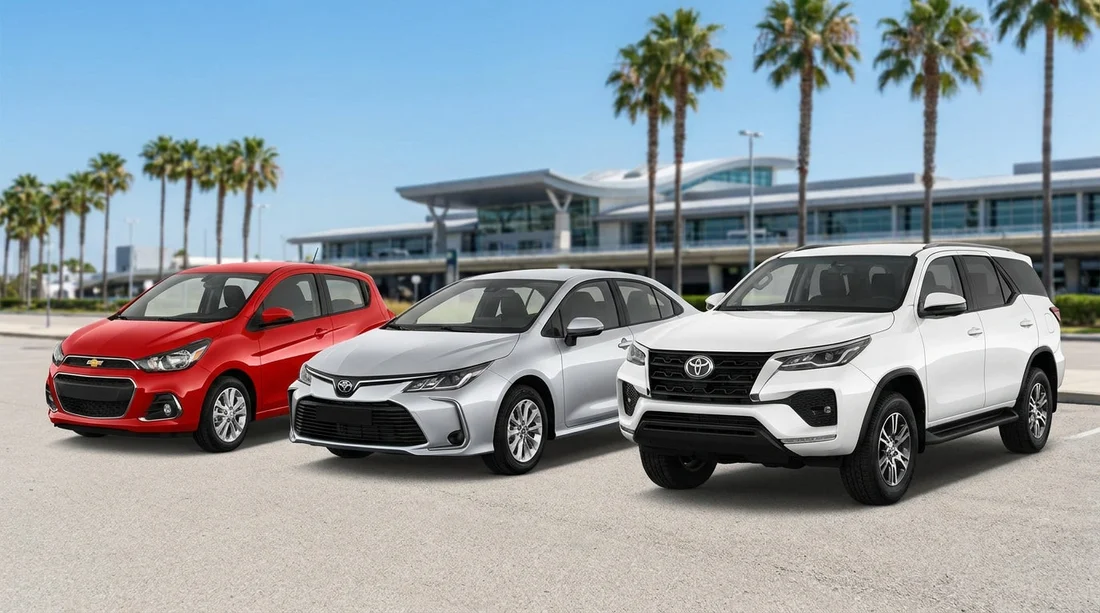
“I will definitely get the model in the photo”. Photos are representative. You are choosing a size bracket, and supply changes daily.
“Boot space is guaranteed”. Suitcase shapes matter. Hard-shell cases take space differently than soft bags. If you are near the limit, moving up a class can prevent stressful repacking at the kerb.
“Bigger is always better”. In Orlando, bigger can help, but you still want something you can park easily at busy venues. Choose the smallest class that comfortably fits your people and bags.
FAQ
Is intermediate always bigger than compact for car hire in Orlando?
Yes, intermediate is typically a step up in cabin and boot space. The exact model can vary, but you should expect more rear legroom and easier luggage packing than compact.
What is the main difference between intermediate and standard?
Standard usually adds width, rear-seat comfort, and a larger boot. It can feel more relaxed on motorways, especially with four people and luggage.
Can I fit two large suitcases in a compact rental?
Sometimes, but it is not reliable. Many compacts struggle with two large hard-shell suitcases, so intermediate is the safer choice if you are unsure.
Do compact, intermediate and standard rentals in Orlando come with automatic transmission?
In Orlando, automatic transmission is the norm across these categories. Manual cars are uncommon, especially at airport locations.
Should I choose standard if I am driving to other Florida cities?
If you expect long motorway days or you value extra comfort, standard is a good fit. Intermediate can still work well, but standard reduces crowding and fatigue.




























































































