


Quick Summary:
- Ask if your rental uses E-ZPass, plate tolling, or an optional pass.
- Confirm admin fees, daily caps, and when toll charges post.
- Check opt-out rules, and whether cash tolls are still possible.
- Photograph the windscreen tag and note the number plate before leaving.
New York bridge and tunnel tolls can be billed to a rental in several ways, and the method affects what you ultimately pay. The tricky part is that the toll itself is only one line item. Many rental companies add an administrative charge per toll event, or a daily convenience fee for days when tolls are incurred. That is why it is smart to understand the billing model before you drive off, especially around New York City crossings where you may encounter multiple tolled facilities in one day.
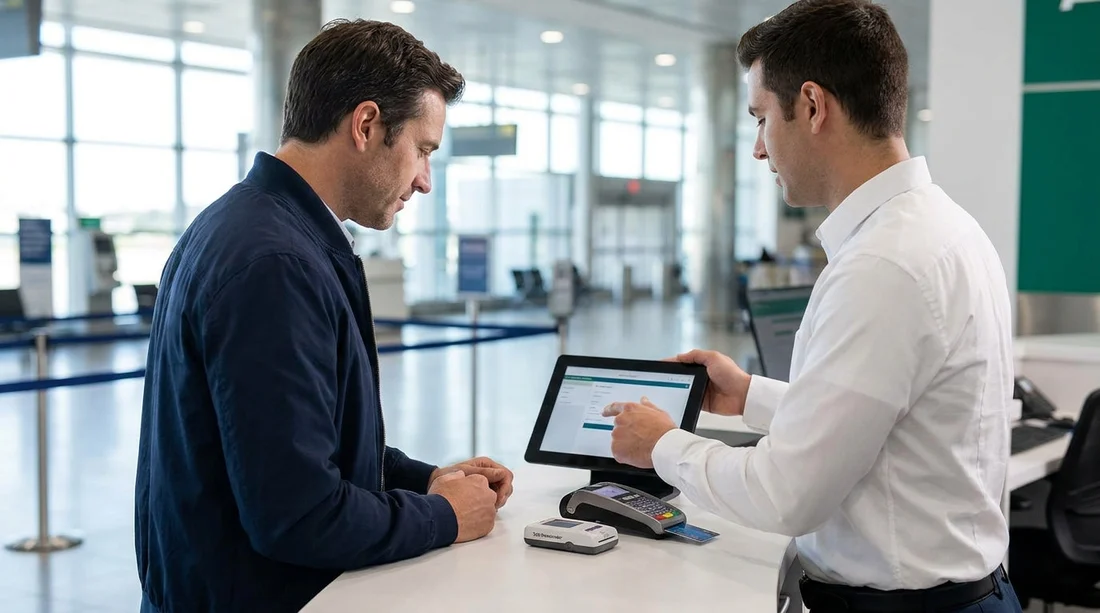
If you are arranging car hire for New York, the best time to clarify toll handling is at the counter, not after the first charge hits your card. Pick-up locations serving NYC airports and nearby New Jersey hubs see a huge volume of customers using tolled crossings. That means staff will usually have a standard explanation, but you need the details: what system is installed, what fees apply, and what choices you have.
If you are collecting at JFK, you can compare options and supplier notes on pages like car rental New York JFK or the UK-facing landing page car hire airport New York JFK. If you are flying into Newark, see how terms can differ on car rental New Jersey EWR and supplier-focused pages such as Avis car rental New Jersey EWR.
Why NYC toll billing feels confusing
NYC-area tolling is increasingly cashless. Many crossings use electronic systems that read a transponder (often E-ZPass) or charge by number plate. With a rental car, the plate is tied to the rental company, not to you. So the toll agency invoices the rental company, and the rental company then bills the renter, sometimes weeks later.
On top of that, there are several overlapping systems: the toll authority charge, the rental company’s pass programme, and your own route choices. A single day trip could include a bridge or tunnel into Manhattan, a highway toll, and a return crossing. Each can trigger separate fees, depending on the rental company’s policy.
Typical toll billing methods on a rental car in New York
1) Built-in electronic toll transponder (E-ZPass tag)
Many rentals come with a tag mounted on the windscreen or integrated near the mirror. If it is active, toll gantries will read it and the toll is charged electronically. The rental firm then passes the toll through to you, typically adding either an admin fee per toll or a daily fee for days you use tolls.
What to confirm: whether the transponder is always active, whether you are automatically enrolled in a toll programme, and what the fee structure looks like when you incur multiple tolls in one day.
2) Plate tolling (toll-by-mail processed by the rental company)
If a car does not have an active transponder, cashless toll points can still charge by reading the plate. The toll authority sends the notice to the vehicle owner, which is the rental company. The rental company then bills you later, often with a processing fee per toll event.
What to confirm: whether plate tolling triggers higher admin charges than a transponder programme, and the typical time delay before charges appear on your card.
3) Optional toll pass or toll package you choose at the counter
Some companies offer a paid toll option that reduces per-toll admin charges, caps daily fees, or bundles convenience fees. The wording can be confusing, sometimes it is described as a “toll pass”, “e-toll”, or “all-inclusive tolling” for certain roads. It is rarely a blanket cover for every toll, so read what is actually included.
What to confirm: whether the option covers all toll roads or only certain networks, whether toll amounts are still charged in addition to the fee, and whether you are charged on every rental day or only on days you drive through tolls.
What to confirm at the counter before you drive off
Ask: “How will tolls be billed on this specific vehicle?” Policies can vary by supplier and even by fleet. Ask the agent to identify whether the car has a transponder, and whether it is active by default.
Get the fee structure in plain numbers. You are looking for these items: the toll amounts themselves, a per-toll admin fee, a daily convenience fee for toll days, and any maximum cap per day or per rental. If there is a cap, confirm what counts as a “day”, calendar day or 24-hour periods.
Check the timing of charges. Many renters expect tolls to appear when they return the vehicle, but processing can take days or weeks. Ask whether the company charges a card on file after the rental closes, and whether a separate invoice is emailed.
Ask about opt-out rules. In some cases you can decline a toll programme, but you may still be billed via plate tolling if you drive through cashless points. Also check whether declining affects anything else, such as the need to keep the tag in a specific position.
Practical steps to avoid surprise toll charges
1) Photograph the toll device and its status. Before leaving the lot, take a clear photo of the windscreen transponder, any on-off switch position, and the vehicle plate. This helps if a dispute arises about whether a toll programme was active.
2) Keep a quick log of tolled crossings. Note the day and general location of major tolls, for example a tunnel into Manhattan and a return trip. If the invoice later shows far more events than you remember, you have a reference point for queries.
3) Avoid mixing personal E-ZPass with a rental tag. Using your own transponder in a car that also has a rental tag can lead to misreads, double charges, or incorrect billing. If you must use your own, you need to understand the rental company’s rules for disabling or storing their tag, and you still risk plate reads tying back to the rental company.
How to check charges after the rental
When you return the vehicle, ask whether tolls are fully settled or still pending. Then watch your card statements for post-rental charges. If you receive an email invoice, compare it to your travel notes. If something looks wrong, contact the rental company promptly while the toll event data is recent and easier to retrieve.
If you believe a toll was charged in error, your photos of the transponder and your log of approximate times can help the company trace whether it was a transponder read, a plate read, or a duplicate.
FAQ
Q: Will tolls show up on my final rental receipt when I return the car? A: Sometimes, but not always. Many NYC tolls are processed later, so charges can appear days or weeks after the rental ends.
Q: Do I pay only the toll amount, or are there extra fees? A: Often there are extra fees. Rental companies may add a per-toll admin charge or a daily convenience fee on days you incur tolls.
Q: Can I avoid toll billing by paying cash at the bridge or tunnel? A: Often no. Many NYC crossings are cashless, so you will be billed electronically via transponder or plate tolling.
Q: Should I use my own E-ZPass in a rental car? A: It can cause double billing if the rental’s tag is also active. If you plan to use your own, confirm the rental company’s rules for disabling or storing their transponder.
Q: What should I ask at the counter to prevent surprises? A: Ask how tolls are billed on that vehicle, what the admin or daily fees are, whether there is a cap, and when toll charges are posted to your card.




























































































