


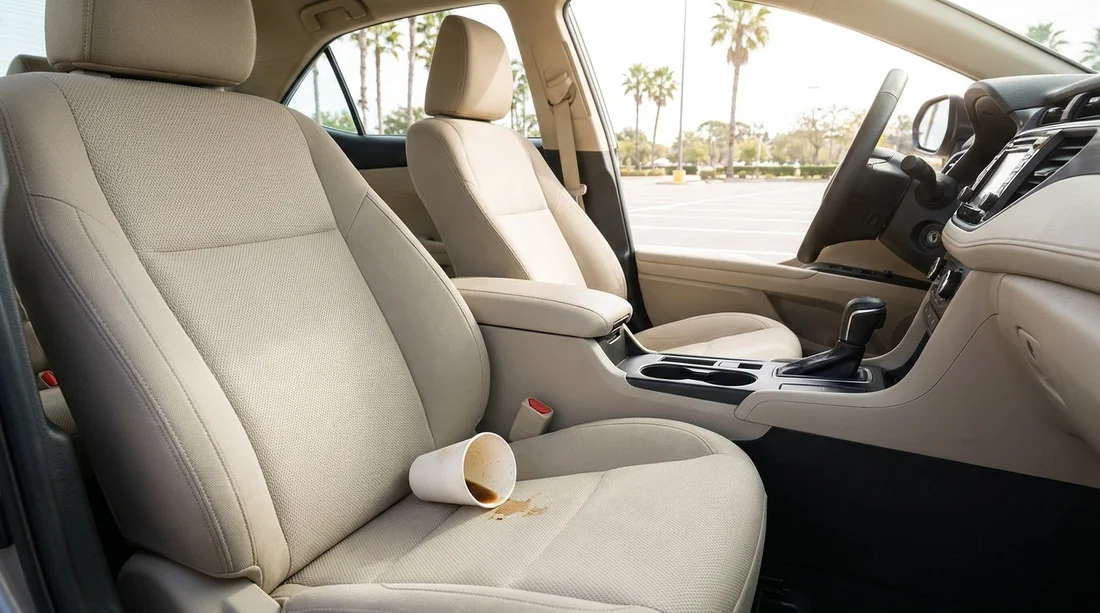
Quick Summary:
- LDW usually covers collision and theft, not stains or lingering odours.
- Interior burns, tears, and heavy soiling are often excluded charges.
- Check the agreement’s definition of damage before you accept the keys.
- Photograph the cabin at pick-up to avoid disputes later.
When you arrange car hire in Florida, the biggest worry is often bodywork, bumpers, and windscreens. Yet many of the most common, most expensive surprises come from inside the vehicle: coffee spills, child sick, sand ground into seat fabric, or a cigarette burn you did not notice at pick-up. That is why people ask a very specific question: does LDW cover interior damage and upholstery stains?
LDW, short for Loss Damage Waiver, is typically designed to waive, reduce, or limit what you pay if the rental car is damaged or stolen, subject to conditions in the agreement. It is often discussed alongside CDW, and naming varies by supplier. The key point is that LDW is not automatically a catch-all for every form of harm to the vehicle. Interior issues are frequently treated differently from collision damage, and they may be billed as cleaning, repair, or devaluation charges.
If you are collecting from a major hub like Orlando Airport (MCO) car rental, you may have several protection options at the counter. Regardless of where you pick up, the best decision happens before you drive away, when you can still document the condition and understand what is actually waived.
What LDW usually covers, and why interiors are a grey area
Most rental agreements frame LDW around loss or damage to the vehicle due to collision, vandalism, or theft. That tends to mean external, physical damage and the cost to repair it, plus loss-of-use and related fees depending on the contract. Interior damage is still damage to the vehicle, but many suppliers carve it out or treat it as a separate category because it often results from neglect, misuse, or prohibited behaviour, for example smoking.
In Florida car hire, you will often find that LDW includes accidental damage to the car body, but excludes interior burns, tears, and staining that require specialist cleaning or replacement of trims. Even where the policy language seems broad, the exclusions list normally narrows the protection.
Think of LDW as a waiver with conditions rather than a traditional insurance policy you can rely on for every situation. The precise answer depends on the supplier, the vehicle class, and the version of LDW offered, so you must read the specific terms tied to your booking and the rental agreement you sign at pick-up.
Common interior and upholstery issues that are often excluded
Although each provider differs, these interior problems are frequently excluded from LDW or billed separately.
Stains and spills, including food, drink, make-up, sunscreen, and dyes from clothing. Many suppliers class these as soiling and charge cleaning or valet fees. If a stain requires reupholstery, the bill can increase quickly.
Odour and smoke-related damage. Smoking is commonly prohibited. Even if you only have an odour complaint, the supplier may charge for ozone treatment and downtime. Burns to upholstery are nearly always treated as chargeable damage.
Tears, rips, and punctures to seats, headliners, or door trims. This includes damage from sharp objects, luggage corners, or pet claws.
Sand, mud, and excessive dirt. Florida beaches are wonderful, but sand embedded in carpets and seat rails can be treated as excessive cleaning, not damage from collision.
Missing interior parts, for example removed cargo covers, headrests, floor mats, boot organisers, or infotainment accessories. These are sometimes billed as replacement items rather than damage.
Pick-up location does not change the contract, but it can affect how inspections happen. If you are hiring in the city centre through Downtown Miami car hire, for example, you may collect from a busy garage where interior checks are quick, which makes your own documentation more important.
What can be covered, and when LDW might still help
Interior damage is not always excluded. Some agreements define damage broadly and only exclude damage caused by prohibited uses, intentional acts, or gross negligence. If that is the case, truly accidental interior damage may still fall under LDW, but you should not assume it will.
If you are comparing suppliers for car hire in South Florida, you may notice different terminology and pricing. A branded supplier page such as Alamo car hire Miami can help you review the provider context, but the decisive document is still the rental agreement presented at the desk.
How interior charges are usually billed in Florida rentals
When an interior issue is discovered, the charge may appear as one or more line items, such as a cleaning fee for soiling, sand, odour, or pet hair, and repair or replacement for torn upholstery, burned fabric, or damaged trim. Suppliers may also add an administrative fee, and in some cases loss-of-use for time the vehicle is unavailable, depending on contract terms.
Even if you have LDW, the supplier may argue the issue is excluded and bill you. Disputes often hinge on evidence, condition reports, and whether you noted pre-existing marks before leaving the lot.
Practical steps to reduce risk before pick-up
Use a simple routine every time you pick up a vehicle in Florida.
1) Read the exclusion list, not just the headline. Ask specifically, “Are stains, smoke odour, burns, and tears covered under this LDW?” If the agent cannot confirm, request the written terms.
2) Inspect the interior with the same care as the exterior. Check seats, carpets, door panels, cupholders, boot area, and headliner. Look for stains, rips, burn marks, and lingering smells.
3) Take clear photos and a short video. Capture wide shots and close-ups, including the boot and any existing marks. Time-stamped evidence can be invaluable later.
4) Ensure pre-existing issues are recorded on the condition report. If there is no space to note interior problems, ask for an additional sheet or a digital note.
5) Match the vehicle class to your trip. Family travel and beach days increase spill and sand risk. If you are planning a larger group trip, reviewing van rental at Disney Orlando MCO options can help you avoid cramming items onto seats where they can snag or stain.
What to do if you notice a stain after you leave
Sometimes you only spot an interior issue later, when the light changes or you stop for the first break. If that happens, do not wait until drop-off. Take photos immediately, then contact the rental location and ask for the condition report to be updated. The more time that passes, the harder it is to show it was pre-existing.
If you cause a spill, act quickly and sensibly. Blot, do not rub, and avoid harsh chemicals that can bleach fabric and worsen the damage. Keep receipts if you buy basic cleaning supplies, and document what happened. Transparency is not a guarantee of coverage, but it can help reduce disagreement about the cause and extent.
FAQ
Does LDW cover upholstery stains on a rental car in Florida? Often no, stains are commonly treated as cleaning or interior damage and excluded. Coverage depends on the exact LDW terms in your rental agreement.
If I buy LDW, can the rental company still charge a cleaning fee? Yes. Even with LDW, many suppliers charge for excessive soiling, odours, or smoke remediation because these are not always classified as collision damage.
Are cigarette burns or smoke smells covered by LDW? Typically not. Smoking is usually prohibited, and burns or odours are commonly billed as repair and specialist cleaning, plus potential downtime charges.
What proof helps if I am blamed for an existing stain? Time-stamped photos and video taken at pick-up, plus a condition report noting the mark. Also keep any written confirmation from the rental location.
Is interior damage treated differently from exterior damage on car hire? Yes. Exterior collision damage is what LDW is primarily designed for, while interior issues are often excluded unless tied to a covered incident or a higher-tier product.




























































































