


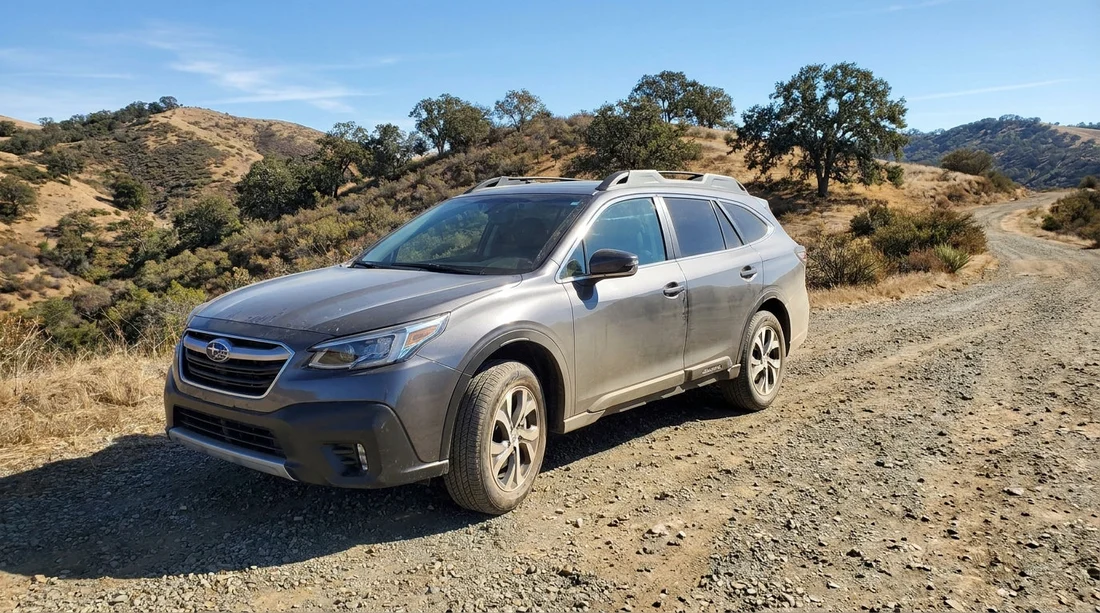
Quick Summary:
- Check your rental agreement for off-road and unpaved-road exclusions.
- Driving on dirt or gravel can void LDW if prohibited.
- Ask the desk to confirm allowed routes and note exceptions in writing.
- Inspect tyres and underbody after gravel sections, then report damage promptly.
Planning a California road trip can involve more than motorways and city streets. Scenic routes to viewpoints, trailheads, vineyards, desert attractions, or coastal pull-offs sometimes include dirt, gravel, washboard, or poorly maintained access roads. The tricky part is that many car hire contracts in the US treat “unpaved” and “off-road” use as higher risk, and may restrict it, even if the road looks like a normal public route.
This matters because Loss Damage Waiver (LDW), sometimes described as a damage waiver rather than insurance, usually applies only when you follow the rental agreement. If you drive somewhere the contract prohibits and the vehicle is damaged, the company may deny LDW benefits, leaving you responsible for repair costs, towing, loss of use, and related fees. The exact outcome depends on the contract wording, the facts, and state law, but it is a common point of dispute.
If you are comparing options for car hire in California, it helps to understand the typical restriction language and how to reduce the chance of an unpleasant surprise at return.
What “unpaved road” restrictions usually mean
Rental agreements often group several concepts together: unpaved roads, off-road use, “rough roads”, construction areas, and “non-public roads”. In practice, companies may define prohibited use as driving on roads that are not paved, not maintained, not signed, or not intended for ordinary passenger vehicles.
Commonly restricted situations include farm tracks, beach driving, desert washes, trailhead spurs that are clearly unmaintained, and any route where signage says “4x4 only” or “high clearance required”. Even if you see other cars on a gravel approach road, that does not automatically make it permitted under your agreement.
Some contracts allow short, well-maintained gravel roads leading to lodgings or public attractions, while still prohibiting off-roading. Others take a harder line and exclude any “unpaved” driving altogether. Because policies vary by brand, vehicle class, and even location, you should treat it as a contract question rather than a California-wide rule.
How unpaved driving can affect LDW in California
LDW typically waives some or all of your financial responsibility for damage to the rental vehicle, provided you comply with the agreement. Many contracts say LDW is void if the car is used in a prohibited manner, including off-road or on unpaved roads. If the waiver is voided, you can become responsible for the full cost of damage, plus administrative charges.
In California, a denial can come down to evidence and definitions. If the company can show the vehicle was driven somewhere that the contract clearly prohibits, they may argue LDW does not apply. If the term is vague, or the road is arguably a public, maintained access road, there may be room for dispute. Either way, you do not want to be arguing about definitions after a cracked oil pan or torn tyre sidewall.
Damage patterns that often trigger “unpaved road” scrutiny include underbody damage, tyre damage, wheel damage, chipped paint along the rocker panels, and dust or debris in places consistent with gravel use. Even if you never leave the car, a low-slung vehicle can strike rocks or ruts on washboard surfaces.
What to check in the rental agreement before you drive away
Start with the “Prohibited Use” or “Where You May Drive” section. Look for language such as “off-road”, “unpaved roads”, “non-maintained roads”, or “roads not regularly travelled”. If the agreement lists examples, treat them as warnings rather than an exhaustive list.
Then check the LDW section for conditions, exclusions, and what voids the waiver. If it says LDW is void when the vehicle is used in violation of the agreement, the prohibited-use section becomes crucial.
If you are picking up near Los Angeles, the pages for car rental California LAX and Avis car rental Los Angeles LAX can help you compare providers, but the final word is always your specific rental agreement at the counter and in your confirmation documents.
Questions to ask at the desk, and how to document answers
Counter staff can clarify policy, but verbal reassurance is not always enough if there is later disagreement. Focus on questions that produce clear, recordable answers.
If you receive an exception, request it in writing on the rental agreement or in an email note. If they cannot add a note, take a photo of any printed policy sheet they provide, and keep your paperwork together.
For travellers flying into Orange County, you can also compare options around car rental airport Santa Ana SNA or the UK-facing page for car hire Santa Ana SNA, then cross-check each provider’s prohibited-use wording once you have the actual agreement.
Practical ways to reduce risk if your route includes gravel
If your contract permits certain unpaved roads, drive as if you are trying to protect tyres and the underbody. Reduce speed on washboard surfaces, avoid sudden braking that can throw stones, and do not cut corners where ruts are deeper. Keep extra distance from vehicles ahead to reduce stone chips.
Before you leave the pickup location, photograph the tyres, wheels, and lower bumpers. If you later need to show that a chip or scuff existed beforehand, these photos can help. After any gravel section, do a quick walk-around and report problems promptly.
FAQ
Are unpaved roads always banned with a rental car in California? No. Some agreements prohibit all unpaved roads, while others allow well-maintained gravel access roads. The decision depends on the specific contract terms, not the state.
Can driving on a dirt road void LDW? Yes. If the agreement says unpaved or off-road use is prohibited, LDW may be void if damage occurs during that use. Always check the LDW conditions and prohibited-use clauses together.
Does an SUV automatically allow gravel roads? Not automatically. An SUV can still be restricted from unpaved roads under the contract. Permission depends on written policy, not vehicle appearance or higher clearance alone.
What kind of damage is most associated with unpaved-road disputes? Underbody impacts, tyre and wheel damage, and stone chips are common. These types of damage can trigger questions about whether the vehicle was used on rough or unpaved surfaces.
How can I confirm an exception for a specific access road? Ask the rental desk to confirm in writing on your agreement or in an email note. Keep photos of the paperwork, and document the name, time, and location of the conversation.




























































































