


Quick Summary:
- Many Texas car hire agreements restrict unpaved roads, even if they seem passable.
- Confirm whether gravel access roads to accommodation or parks are permitted.
- Ask how tyre, underbody and windscreen damage is handled on gravel.
- Get any exception in writing before leaving the pick-up location.
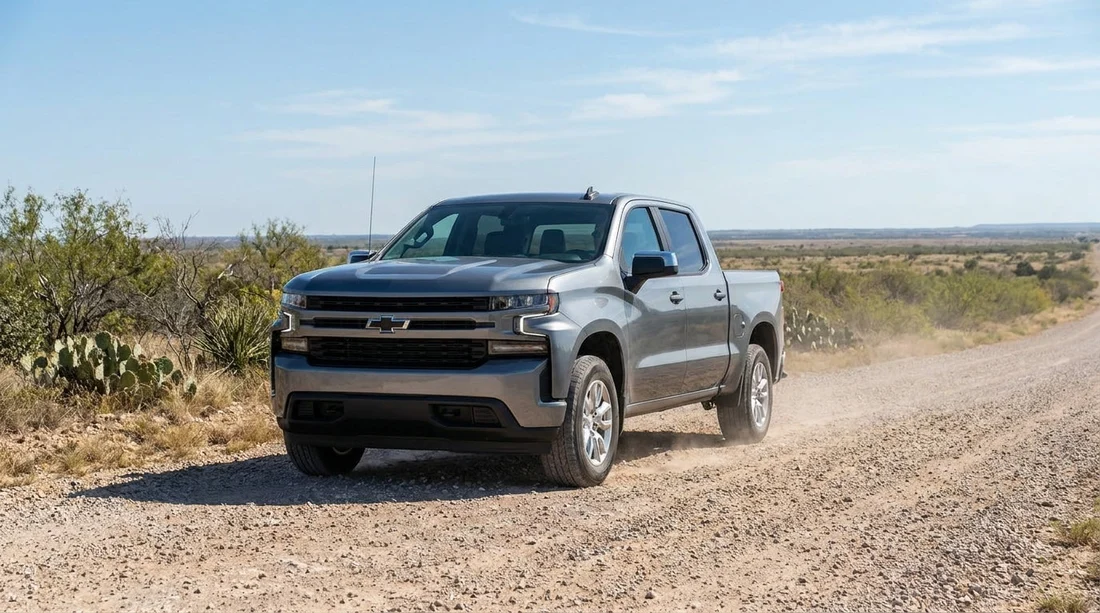
When planning car hire in Texas, it is common to wonder whether unpaved or gravel roads are allowed. The practical answer is, sometimes, but with conditions, and often with strict limits that sit inside the rental agreement rather than the marketing page. In Texas you can encounter gravel on ranch access roads, oilfield areas, state park routes, beach approaches and rural shortcuts, so it is worth understanding what most rental companies mean by “unpaved” and what happens if you use one anyway.
This guide explains the restrictions you are likely to see, why they exist, and what to confirm at the counter before you sign and drive away.
Why rental companies limit unpaved or gravel driving
Most restrictions come down to risk and cost. Gravel and unsealed surfaces raise the chances of tyre punctures, chipped windscreens, underbody impacts, and dust ingestion into the engine bay. Even when a road looks smooth, it can hide washouts, loose stones and sharp edges that damage tyres and suspension. In Texas, sudden weather changes can turn caliche or dirt roads into slick mud, increasing recovery costs and the likelihood of vehicle abandonment.
Rental fleets are also rotated and inspected on assumptions of normal paved-road use. When a vehicle returns with underbody scrapes or cracked splash guards, it is hard to prove exactly where it happened, so many companies reduce ambiguity by prohibiting or limiting unpaved use in the contract.
What “unpaved” can mean in a Texas car hire agreement
Rental agreements often use broad wording. “Unpaved”, “off-road”, “non-public roads”, and “rough roads” can appear, sometimes in the prohibited uses section. In practice, these definitions may include unpaved county roads and gravel connectors, ranch or construction access tracks, beach driving, and park approaches where the last mile is gravel.
The key point is that “unpaved” is not always about legality or signage. It is about the less predictable surface and the increased chance of damage or towing.
Common restriction patterns you will see
Restrictions vary by brand and vehicle class, but these patterns are common in Texas car hire contracts.
Unpaved roads are prohibited outright. This is the simplest rule and appears frequently. It may not stop you physically driving on gravel, but it can affect what the rental company will charge you for if something goes wrong.
Unpaved roads are allowed only for access. Some agreements make exceptions for short, necessary access roads, for example reaching a hotel, campsite, or rental home. If your trip depends on this, do not assume it is covered, ask for the exact wording and whether it must be a maintained public road.
Restrictions depend on vehicle type. Premium cars, sports models, and low-clearance vehicles are more likely to be restricted. Even SUVs may be restricted from off-road use, which can include gravel.
Insurance, damage waivers, and what may not be covered
Many travellers assume that adding a collision damage waiver or similar protection means gravel use is fine. That is not always true. Damage waivers typically have exclusions for prohibited use. If the agreement says unpaved roads are not allowed, the company may argue that related damage is outside the waiver.
Items that often remain your responsibility, especially when a prohibited surface is involved, include tyres, wheel rims, underbody damage, and windscreen chips. Towing and recovery can also be excluded or limited, and in remote parts of Texas, recovery can become expensive fast.
When arranging car hire, you can compare airport pick-up options where policies may differ by provider and desk location, such as Fort Worth DFW airport car rental or Houston IAH car rental. The most important step is still to read the actual rental agreement you will sign at pick-up, because that is what governs permitted use.
Questions to ask at pick-up, before you sign
Counter conversations matter because many restrictions are buried in long terms. Ask direct, specific questions and listen for careful language.
Are maintained gravel county roads permitted? This separates general off-road talk from real-world Texas driving.
Is a short gravel access road to accommodation allowed? If yes, ask whether it must be a public road and whether there is any distance limitation.
If I get a windscreen chip or tyre puncture on gravel, is it covered? Ask for the written section that governs it.
Does the damage waiver stop applying if I drive on an unpaved road? This gets to the heart of the exclusion risk.
What should I do if I encounter a short unpaved stretch due to roadworks? Detours happen, and you want guidance that matches the contract.
If you are collecting at Fort Worth, you may be comparing UK-facing content such as car hire at Fort Worth DFW or specific supplier pages like Thrifty car hire at Fort Worth DFW. Use those comparisons as a starting point, then confirm the final written terms for the vehicle you are actually receiving.
Practical Texas scenarios and how to handle them
State parks and trailheads: Some parks have paved main roads but gravel spurs to campsites or viewpoints. If your agreement prohibits unpaved roads, park at the last paved area and walk when feasible.
Ranch accommodation: Many ranch entrances are gravel. Ask your host about the surface and distance. If you need that access road, confirm the exception in writing at pick-up.
Roadworks and detours: If a signed detour routes you briefly onto gravel, document it. A quick photo of the detour sign and the road condition can help if there is later a dispute about why you were there.
Vehicle selection: Higher clearance can reduce risk, but it does not automatically change contract terms. The agreement, not the badge, decides whether gravel is allowed.
FAQ
Are gravel roads automatically forbidden on car hire in Texas? Not automatically. Some agreements ban all unpaved driving, while others allow limited access on maintained public roads. Always rely on the signed agreement wording.
If I have a damage waiver, can I drive on unpaved roads? A damage waiver may not apply if you break the agreement’s prohibited-use rules. Ask whether unpaved driving voids the waiver and which damage types are excluded.
What types of damage are most associated with gravel roads? Common issues include tyre punctures, rim scrapes, stone chips in paint, cracked windscreens, and underbody damage. Towing can be costly if you get stuck.
How can I confirm an exception for a gravel access road? Ask at pick-up and request written confirmation on the rental paperwork or in an official note attached to your contract. Verbal assurances are harder to rely on later.
What should I do if a detour forces me onto a short gravel section? Follow posted road signs for safety, then document the detour with photos and keep the route details. If any damage occurs, report it promptly per the agreement.




























































































