


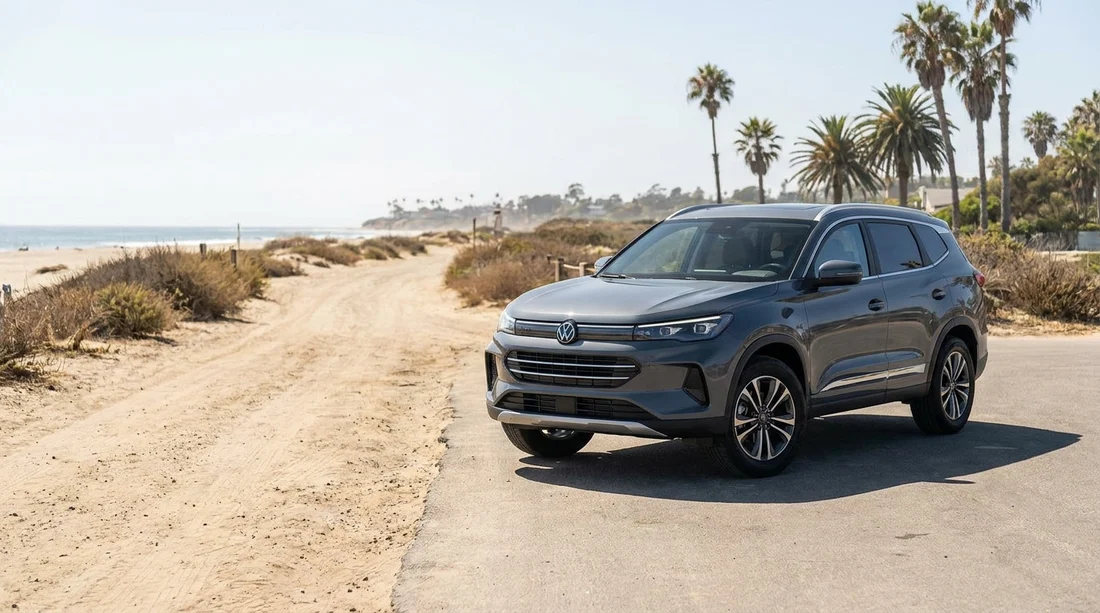
Quick Summary:
- Most California car hire contracts forbid beach driving and off-road use.
- Some unpaved public roads may be allowed, but cover can be limited.
- Get written confirmation for any unpaved segments before collecting the car.
- Check local access rules, tides, and sand risks even if permitted.
When planning a coastal trip or a desert detour, it is tempting to assume a rental vehicle can go anywhere a normal car can. In practice, most car hire agreements in California draw a firm line between normal paved road use and anything classed as off-road, beach, sand, dunes, or unmaintained tracks. The detail matters because if you drive somewhere prohibited, you may be personally responsible for recovery costs, underbody damage, tyre replacement, and even loss or theft, regardless of any optional cover you purchased.
This guide explains the most common off-road and beach-driving restrictions you will see when arranging car hire in California, why companies set them, and a simple checklist for confirming what your specific agreement permits before you pick up.
Why beaches and unpaved routes are restricted
Rental companies restrict certain surfaces because they generate high-cost, hard-to-prove damage. Beach driving introduces saltwater corrosion, sand ingestion into brakes and drivetrain, and an elevated risk of getting stuck. Unpaved routes can cause undercarriage strikes, cracked oil pans, bent suspension parts, chipped windscreens, and rapid tyre wear.
Even if you are an experienced driver, the risk is not only about skill. Many problems happen slowly and are discovered later, which makes accountability difficult. That is why agreements often prohibit “off-road use” broadly, sometimes defining it to include beaches, sand, dunes, trails, fire roads, and any route “not regularly maintained” or “not a public road”.
Common clauses you will see in California car hire terms
Exact wording varies by supplier, but these are the restrictions that frequently appear in California rentals:
No beach driving. Many contracts explicitly forbid driving on beaches, through surf zones, or on any sand. This often applies even to well-known drivable beaches. Some also forbid driving through standing water, which matters near tidal areas and lagoons.
No off-road or “unsealed” surfaces. “Off-road” is frequently defined broadly, covering dirt, gravel, sand, or rock tracks. Some companies distinguish between a public gravel road and a trail, but many do not.
Restrictions on “unmaintained roads”. This can include forest service routes, desert access tracks, or steep mountain roads that are technically public but not regularly graded.
Damage and recovery exclusions. Even if unpaved roads are not explicitly banned, the contract may exclude underbody damage, tyre damage, windscreen chips, or towing and recovery if the vehicle is stuck.
Vehicle-type limitations. Hiring an SUV does not automatically mean off-road is permitted. A higher-clearance vehicle may reduce risk, but the agreement still controls where you can drive and what is covered.
If you are comparing pick-up points for your trip, you can review options around major gateways like Los Angeles Airport or San Francisco Airport and then focus your questions on the supplier terms shown during the booking path.
Are unpaved roads ever allowed?
Sometimes, yes, but “allowed” and “covered” are not always the same thing. In California, you may encounter situations where a public road is unpaved for a stretch, for example access spurs to viewpoints, campgrounds, trailheads, or rural properties. Some rental terms permit driving on public roads regardless of surface, while still excluding certain damage types. Others treat any unpaved surface as prohibited off-road use.
To make an informed decision, separate the question into three parts:
1) Is the road legal to drive on? Local rules can prohibit vehicles on specific tracks, protect habitats, or require permits. A rental contract does not override local restrictions.
2) Does the rental agreement permit it? Look for definitions of “off-road”, “unsealed”, “gravel”, “beach”, and “unmaintained”. If unclear, ask.
3) What happens if something goes wrong? Confirm whether tyres, glass, undercarriage, and recovery are covered or excluded in your rate and protection package.
If your itinerary includes national parks, remote campgrounds, or scenic backroads, consider picking up a vehicle where staff are used to those questions, such as San Jose Airport, and get clarity before leaving the lot.
How to confirm what your California car hire allows before pick-up
Use this checklist to avoid misunderstandings and to protect your budget:
Read the prohibited uses section. Look specifically for “off-road”, “beach”, “sand”, “dunes”, “unsealed”, “gravel”, “unmaintained”, and “water crossings”.
Ask for a plain-English confirmation. If you anticipate any unpaved segments, ask the desk agent, or customer support in advance, whether a public unpaved road to a named destination is allowed. Ask for confirmation in writing or in the booking notes where possible.
Check the exclusions in your protection. Many drivers focus on collision damage waivers, but the most common unpaved-road issues involve tyres, windscreens, and underbody. Ensure you understand what you would pay if a tyre sidewall tears or the undertray is damaged.
Confirm towing and recovery rules. Getting stuck in sand or on a rutted track can lead to a large recovery bill. Many contracts treat recovery as your responsibility if the vehicle was used in a prohibited area, or if it is not a “road incident”.
Match the vehicle to the route. If you are staying on paved roads, a standard car is usually fine. If your plan includes steep grades or rough access roads, a higher-clearance option may help, but it does not change contract restrictions. If you are considering an SUV option, compare availability via SUV hire in San Diego and still verify surface restrictions in the terms.
What to do if your route includes questionable surfaces
If you discover that your planned road is unpaved or sandy, do a quick risk assessment before committing:
Choose an alternative access point. Many attractions have a paved approach from one direction and a rougher approach from another. A small change in route can keep you compliant with your agreement.
Park earlier and walk in. For trailheads, viewpoints, and beaches, it is often easier to park on a paved lot and walk the final stretch rather than risk prohibited terrain.
Avoid night driving on rough roads. If unpaved driving is permitted and you must do it, visibility matters. Potholes and washboarding are harder to spot after dark, and wildlife risk increases.
Do a careful pre-departure check. Photograph tyres, wheels, underbody edges you can see, and any existing scratches. This is good practice generally, but especially important if you might drive on rougher surfaces within what is allowed.
If you are comparing suppliers, you may notice different policy wording between brands at the same airport. For example, you can review options like Dollar at LAX and then focus on how each set of terms defines off-road use, exclusions, and recovery responsibility.
Does insurance or a credit card cover off-road or beach incidents?
Many drivers assume a credit card benefit or separate travel insurance will step in. Sometimes it can help, but it commonly requires that you followed the rental agreement. If the incident happened while using the vehicle in a prohibited way, cover may be declined. In addition, some policies exclude certain damage categories such as tyres, undercarriage, roof, glass, or loss-of-use charges.
The safest approach is to treat the car hire agreement as the primary rulebook. If you want extra reassurance, check your external cover wording for “off-road”, “unsealed roads”, and “breach of rental contract” exclusions before you travel.
FAQ
Q: Are rental cars allowed on beaches in California?
A: Usually not. Many car hire agreements explicitly prohibit beach and sand driving, and recovery or corrosion-related damage can be your responsibility.
Q: If a beach permits vehicles, does that mean my rental allows it?
A: No. Local access rules and your rental contract are separate. Even where driving is legal, your agreement may forbid it.
Q: Are gravel or dirt roads always considered off-road?
A: Not always, but many contracts define off-road broadly. Some allow public unpaved roads while excluding underbody, tyres, glass, and towing.
Q: Does hiring an SUV mean I can drive on unpaved roads?
A: Not automatically. An SUV may handle rough surfaces better, but the agreement’s prohibited-use section still controls where you can drive.
Q: What is the best way to confirm permission before I collect the car?
A: Ask for written confirmation about your intended route and review the exclusions for tyres, underbody damage, and recovery in your car hire terms.





























































































