


Quick Summary:
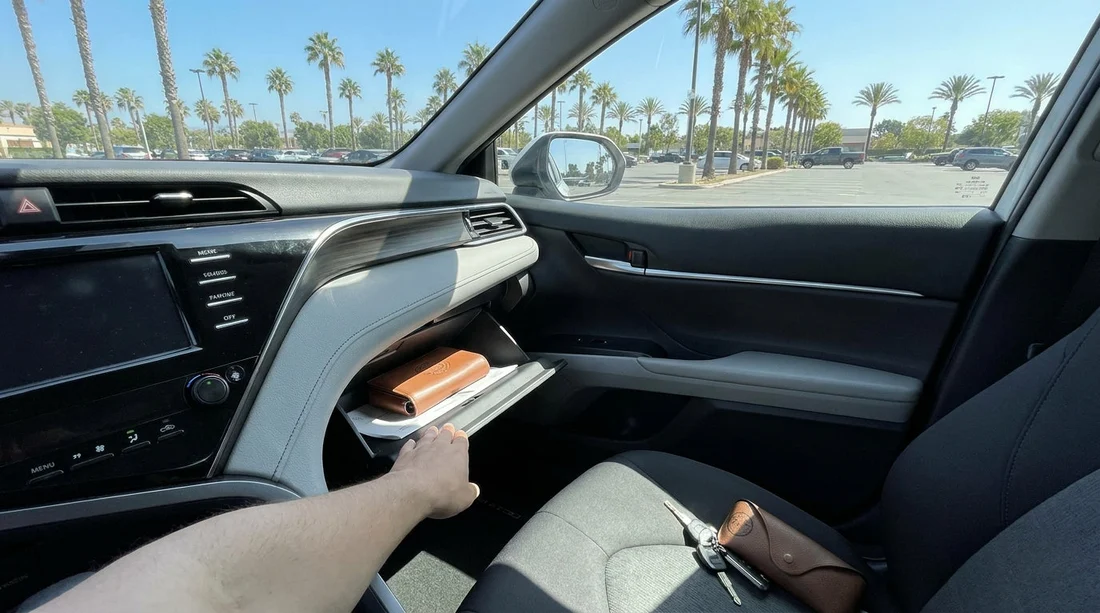
- Check the glove box first, most rental documents are stored there.
- Look for a sleeve labelled Registration, Insurance, or Vehicle Documents.
- Match the plate, VIN, and expiry dates to your allocated car.
- If anything is missing, return to the desk before leaving.
At pick-up, most drivers are focused on fuel level, scratches, and getting out of the car park quickly. In California, it is just as important to locate the vehicle paperwork before you drive off, because you may need it if you are stopped by police, involved in a collision, or asked for proof of financial responsibility. The good news is that rental companies usually keep these items in predictable places, and a quick, calm check takes less than two minutes.
This practical checklist explains what should be in your car hire paperwork pack, where it usually lives in the vehicle, what to confirm on the documents, and what to do if anything is missing. If you are collecting from a major airport location such as San Francisco Airport car rental or travelling via Southern California hubs like SUV rental at Los Angeles LAX, the process is essentially the same.
Where the registration and insurance papers usually are
In California rental vehicles, the most common storage spot is the glove box. Open it and look for a plastic wallet, document pouch, or folder that is clearly labelled. Many fleets use a simple sleeve that says “Registration” or “Vehicle Documents”. If the glove box is locked, there is often a latch or a small lock cylinder, ask the booth attendant before you leave.
If the glove box is empty, check these next places in order:
1) Centre console. Some vehicles store documents in the armrest compartment, especially if the glove box is small.
2) Driver’s door pocket. Less common, but some operators place a slim document wallet there for quick access.
3) Sun visor document sleeve. Rare now, but still used in some older fleets. Do not confuse it with the owner’s manual or infotainment booklet.
If you are picking up after hours or via a key box, the paperwork may be left inside the car rather than handed over at the counter. That makes this check even more important before you exit the facility.
What paperwork should be in the car, versus what you carry
It helps to separate “in-vehicle documents” from “driver documents”. In-vehicle documents are tied to the car, and should stay with the car. Driver documents are yours, and you keep them on your person.
Typically kept in the car:
Vehicle registration, or an official copy. This proves the car is properly registered in its home state. Rental fleets often provide a copy rather than an original.
Proof of financial responsibility, often referred to as insurance information. Depending on the operator and how your hire is structured, this may be a fleet insurance card, a self-insurance notice, or a certificate describing coverage terms.
Accident report form and instructions. Many rentals include a step-by-step sheet explaining what to do after a collision, including phone numbers.
Kept with you:
Your driving licence, and any additional driver licences where applicable.
Your rental agreement, usually printed or emailed. While it may not be legally required to drive, it is extremely useful when sorting out tolls, roadside assistance, or proving you are an authorised renter.
If you are comparing options across California, the specific items can vary by brand and desk process. For example, collection experiences can differ between Hertz car hire in California at LAX and other suppliers, but the essentials in the vehicle are broadly consistent.
How to identify the right documents fast
At pick-up, you are not trying to read every page, you are trying to confirm that the right documents are present and relate to the exact vehicle you are about to drive. Use this quick scan:
Step 1: Match the number plate. The paperwork may show the plate number (or the fleet unit number). Confirm it matches the physical plate on the car.
Step 2: Verify the VIN. The Vehicle Identification Number may be shown in full or partial. You can cross-check it on the vehicle by looking through the windshield on the driver’s side lower corner, or on the driver’s door jamb sticker. The VIN on the documents should match the car.
Step 3: Check expiry dates. Registration and insurance documents often show validity periods. You are not expected to interpret policy language, but you should confirm nothing looks expired.
Step 4: Confirm the state name. Many rental vehicles in California are registered out of state due to fleet logistics. That is normal. What matters is that the registration is valid and corresponds to your vehicle.
What to do if you cannot find the papers
If you cannot locate registration or proof of financial responsibility, do not drive off. Return to the counter, booth, or exit gate attendant and explain that the document pack is missing. Most of the time, they will bring a replacement wallet or print a copy immediately.
When you speak to staff, be specific. Tell them where you looked (glove box, console), and ask for “registration and proof of financial responsibility for this vehicle”. If you are collecting from a busy leisure market such as San Diego car rental, staff are used to this request and can usually fix it quickly.
Why California drivers should care about proof of financial responsibility
California requires drivers to be able to show proof of financial responsibility when asked. In a rental context, that is usually satisfied by an insurance card or self-insured certificate kept with the car. If you plan to rely on your own policy or a credit card benefit, you may still need the rental company’s document that identifies the vehicle and its status within the fleet.
Even if you never get stopped, having the correct papers avoids stress after a minor incident. You can provide the necessary details to the other party and to law enforcement without guessing.
Common pick-up scenarios that affect where paperwork is
Airport pick-ups: At large airports, agents may hand you an agreement at the counter, while the in-car documents remain in the glove box. Because vehicles are cleaned and turned quickly, a missing wallet is most likely here, and it is easiest to fix before you exit the garage.
After-hours or contactless collection: Keys are provided without a handover. In these cases, you must locate the papers yourself. If the facility is quiet, you may have to call the posted number for assistance, so allow a few minutes.
Different suppliers: Whether your car hire is arranged around a value brand or a premium brand, the goal is the same: correct documents, accessible location, matching identifiers. That consistency is helpful if you are also comparing suppliers in Orange County such as Budget car hire Santa Ana SNA.
FAQ
Q: Are the registration and insurance papers always in the glove box in California rentals?
A: Most of the time, yes. If they are not, check the centre console or door pocket, then ask staff before leaving.
Q: What should I do if the glove box is locked and I cannot open it?
A: Do not force it. Go back to the exit booth or counter and ask them to unlock it or provide the documents.
Q: Is it normal for a California rental car to be registered in another state?
A: Yes. Fleet vehicles can be registered out of state. What matters is that the registration is valid and matches your vehicle’s VIN or plate.
Q: Do I need to carry my rental agreement in the car?
A: It is not always required for driving, but it is sensible to keep a digital copy handy in case you need roadside help or to confirm authorised drivers.
Q: What if I get stopped and cannot find the paperwork quickly?
A: Tell the officer you are in a hire vehicle and where the documents are stored, usually the glove box. If they are missing, contact the rental company as soon as practical.

























































































