


Quick Summary:
- LDW often excludes windscreen, tyres and wheels, so check the policy wording.
- Ask at pick-up if glass and tyre cover exists, and its cost.
- Confirm deductibles, off-road exclusions, and the claims process before signing.
- Inspect glass and tyres before departure, photograph condition, and report issues promptly.
When you arrange car hire in Texas, it is easy to assume Loss Damage Waiver (LDW) covers any accidental damage. In reality, LDW is a rental-company damage waiver with limits and exclusions, and glass and tyres are two of the most commonly restricted areas. Texas driving can include long highway stretches, road debris, sudden storms, and construction zones, so it pays to understand exactly what you are protected against before you sign at the counter.
This guide explains what LDW usually covers, why windscreens and tyres are often treated differently, and the specific policy points to check at pick-up. The aim is not to push add-ons, but to help you decide whether you need extra cover for your trip and how to avoid costly surprises.
What LDW typically covers, and what it is not
LDW generally reduces your financial responsibility for damage to the rental vehicle caused by collision, vandalism, or theft, subject to terms. It is not the same as liability insurance for injuries or damage to other vehicles. It also does not automatically mean every part of the car is covered in every scenario.
Even when LDW is described as “damage waiver”, it may still include a deductible (also called an excess) or it may offer a “zero deductible” version depending on the supplier and package. The key point is that LDW coverage can be narrowed by exclusions. Glass, tyres, and wheels are frequent exclusions, or they may be covered only when damaged as part of a larger accident.
If you are collecting at a major airport, the counter paperwork might be standardised and fast moving. If you are comparing options for car rental at Houston IAH or reviewing the terms for car hire at Fort Worth DFW, you will often see that the decisive details are in the exclusions section, not the headline LDW label.
Does LDW cover windscreen (glass) damage in Texas?
Sometimes, but not always. Windscreen damage is commonly treated as “glass damage”, and many rental terms separate glass from general bodywork.
1) Glass is excluded entirely. In this case, a chip, crack, or shattered windscreen can be charged to you, even if you accepted LDW. Depending on the vehicle and supplier, replacement and labour can be significant, and administrative fees may apply.
2) Glass is covered only if part of an accident. If a stone strikes the windscreen on the freeway and creates a crack, that may be treated differently from glass damage caused during a collision. The policy may say glass is covered only when damage occurs with documented collision damage to other parts of the car.
3) Glass is covered, but with conditions. Conditions can include a deductible, limits on where you can drive, and reporting requirements. For example, if you delay reporting a crack and it spreads, you could be held responsible.
In Texas, windscreen damage can occur from road debris, especially around heavy construction and truck routes. Hail storms can also damage glass, and some policies class severe weather damage under different rules. Before leaving the lot, ask to see the wording that specifically mentions glass or windscreen coverage, rather than relying on a verbal assurance.
Does LDW cover tyre and wheel damage in Texas?
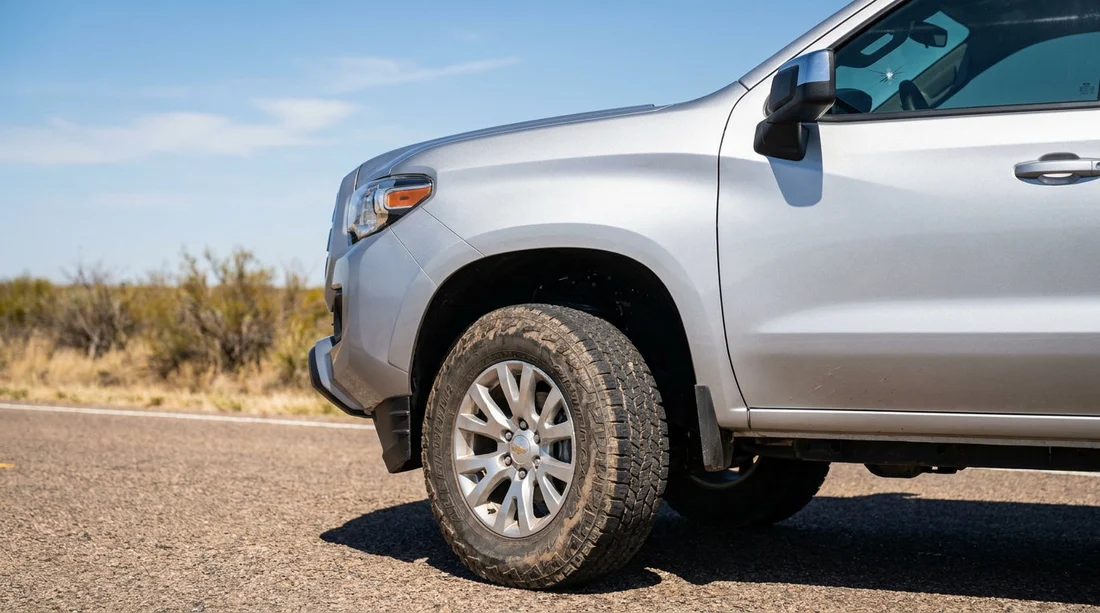
Tyres and wheels are even more commonly excluded than glass. A tyre puncture or sidewall tear can happen without any body damage, and rental companies often treat this as a separate risk.
1) Tyres and wheels excluded. You may be charged for the tyre, wheel, towing, and service call. This can apply even if the puncture is unavoidable, such as picking up a nail.
2) Tyres covered only after a collision. If you hit something and it damages the wheel and suspension, LDW may apply. If it is just a flat tyre with no collision report, it may not.
3) Tyres covered, but not wheels. Some packages separate tyres from rims, hubcaps, and alloy wheels. Kerb rash and bent rims are common exclusions.
Texas has varied road conditions, from urban kerbs and potholes to rural shoulders. If your itinerary includes long distances or you have chosen a larger vehicle, it is worth reviewing the terms carefully. People considering bigger vehicles for comfort often look at SUV hire in Houston IAH, but wheel and tyre exclusions can be more expensive on larger rims, so this is a sensible place to focus your checks.
What to check on the policy before you sign at pick-up
At the counter, you want clarity in writing. These are the specific points to verify, and you can ask for the rental terms or a summary that matches the supplier you are collecting from:
Check the exclusions list for the words windscreen, glass, windows, tyres, wheels, rims, hubcaps, underbody, and roof. Underbody and roof exclusions matter because some incidents involve debris or parking structures.
Confirm the deductible that applies to each category. Sometimes LDW has a deductible, and glass and tyres have a separate deductible, even if included.
Ask how “single-incident” damage is treated. For example, if you crack a windscreen with no other damage, does LDW apply or is it excluded?
Understand prohibited use. Many policies exclude damage if you drive off-road, on unpaved roads, or in restricted areas. In Texas, this can matter if you plan scenic detours or rural access roads.
Learn the reporting process. Ask whether you must call the supplier immediately, obtain a police report, or use a specific roadside number. Late reporting can invalidate coverage.
If you are collecting near the border region, trips starting around car hire in El Paso ELP can involve long desert highway drives. In that case, the practical question is less about likelihood and more about the cost impact if you do face a chip or puncture far from your accommodation.
Practical steps to reduce risk and protect yourself
Inspect and photograph before you drive away. Take clear photos of the windscreen (inside and out), all tyres, and each wheel. Capture existing chips, scuffs, and tyre condition. Time-stamped photos can help if there is later disagreement.
Check tyre pressure and warning lights. If a tyre pressure warning is already on, raise it immediately. Driving with under-inflated tyres increases the chance of sidewall damage.
Avoid tailgating trucks. On highways, leave extra distance behind vehicles carrying gravel or debris. Many windscreen chips start this way.
Be cautious with kerbs and potholes. Wheel damage can happen at low speed. Take care when parking, especially with larger wheels.
Report issues early. If you notice a chip turning into a crack or a slow puncture, contact the supplier promptly and follow their instructions. Doing so can be the difference between an authorised repair and a full replacement charge.
So, is extra cover needed for car hire in Texas?
Extra cover may be helpful if the LDW you have excludes glass and tyres, if you will drive long distances, or if you prefer to minimise unpredictable costs. It may be less necessary if your LDW explicitly includes glass and tyres with a manageable deductible and you are comfortable handling a potential claim.
The best approach is to treat “LDW” as a starting point, then verify the actual included components for your specific supplier and location. If you keep your decision grounded in the written terms, you avoid relying on assumptions and you can enjoy your Texas trip with fewer worries.
FAQ
Does LDW automatically include windscreen cover on car hire in Texas? Not automatically. Many LDW policies exclude glass or only cover it when it is damaged during a documented collision. Always confirm the wording for glass or windscreen.
If I get a puncture, will LDW pay for a new tyre? Often no, because tyres and sometimes wheels are excluded. Some suppliers offer separate tyre and glass protection, or they treat punctures under roadside assistance instead.
What should I ask at the rental counter to avoid surprises? Ask whether glass, tyres, and wheels are included in LDW, what deductible applies, and what reporting steps are required. Request the terms in writing for the specific vehicle class.
Will photos taken at pick-up really help with glass and tyre disputes? Yes. Photos showing pre-existing chips, scuffed rims, or worn tyres can support your position if damage is later alleged. Take close-ups and wider shots for context.
Is hail damage to a windscreen treated differently from stone chips? It can be. Some policies handle severe weather events under separate conditions, and exclusions may still apply. Check whether weather-related damage is covered and what documentation is required.

























































































