


Quick Summary:
- New York toll roads are cashless, charges are billed via plates.
- Carry a card, most parking meters and garages do not take cash.
- At the counter, confirm the rental’s toll programme and admin fees.
- Set up phone payments, app-based street parking is common in NYC.
If you are collecting a car hire in New York, the short practical answer is that you usually do not need cash for tolls, and you often cannot use cash for many parking meters either. New York City and nearby crossings increasingly rely on cashless tolling and card or app-based parking payments. Cash can still be useful for small tips or the occasional independent car park, but it is no longer the main way to pay while driving around the city.
This matters because the way tolls are collected affects what you are billed after your trip. With cashless tolling, cameras capture the vehicle’s number plate, then the toll is charged through the rental company’s toll programme or a third-party processing service. For parking, the key is knowing whether you will be using municipal meters, app zones, or private garages, each with different payment rules.
If your pickup is at a major hub such as car rental at New York JFK, you can typically handle everything you need at the counter, then drive away without stopping for toll booths or hunting for coins.
How cashless tolling works in New York
New York toll facilities, including many bridges, tunnels, and express lanes, have moved to cashless collection. Instead of paying at a booth, overhead gantries read an E-ZPass transponder or photograph the number plate. For visitors in a hire car, the question is not “Do I have cash?”, it is “How will the tolls be billed to me?”
Most rental companies in the New York area offer a toll product that covers cashless tolls. The vehicle may have a built-in transponder, or the system may rely on plate billing. After you pass through, tolls are aggregated and charged back to the card on file, often with an additional daily fee on the days you incur tolls. Policies vary by brand and location, so the most important step is confirming the programme terms before you leave the counter.
If you are flying into New Jersey and driving into New York City, you will still encounter the same cashless toll environment on many routes. You can compare pickup points like car hire at Newark EWR and expect similar toll billing mechanics, even though toll rates and crossings differ.
What to confirm at the counter before you drive away
To avoid surprises, ask the desk agent for clear answers to a few specific points. First, confirm whether the vehicle is enrolled in a toll programme automatically, or only if you opt in. Second, ask how you are billed, whether it is transponder-based, plate-based, or a mix. Third, clarify the fees, including any daily usage fee and any per-toll processing fee. Fourth, ask whether the programme covers all cashless tolls in the region or only certain facilities.
Also verify what happens if you bring your own E-ZPass. Many travellers assume they can mount their personal transponder and avoid rental processing fees, but some rental contracts restrict this or require you to follow specific instructions, such as keeping the rental’s device in a shielded bag. If you do plan to use your own pass, get the policy in writing at the counter and follow it carefully to avoid double billing.
Finally, confirm the timing of charges. Cashless toll invoices can post days or even weeks after your return. That is normal because toll authorities and processing systems reconcile transactions after the fact.
Do you need cash for parking meters in New York?
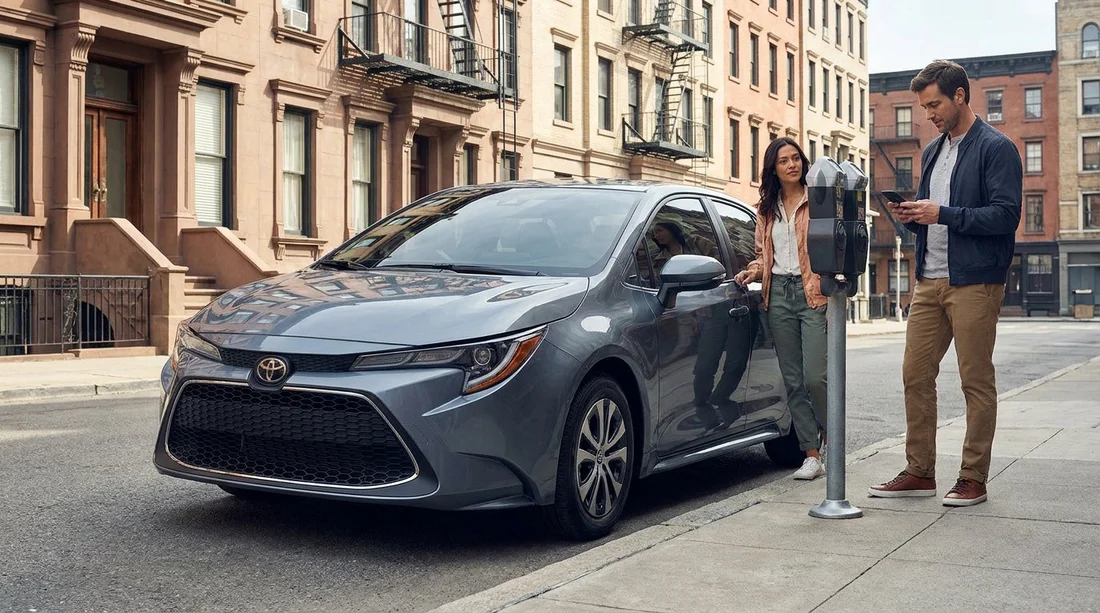
In many parts of New York City, you should not assume you can pay with coins. A lot of on-street parking is managed through pay-by-plate meters and mobile apps. Some machines accept cards and contactless payments, and some zones are primarily app-based. Because availability differs by borough and even by block, having a debit or credit card is more reliable than carrying cash.
Apps are common for street parking sessions, reminders, and extensions. The practical setup is simple, make sure your smartphone can use mobile data, ensure your app store access works abroad if you are visiting from the UK, and have a card that will pass a small authorisation charge. It is also wise to enable contactless payments on your phone, because garages and private lots may accept tap-to-pay even when they do not want cash handling.
If you are picking up a larger vehicle, parking can be harder and more expensive. Travellers choosing something like SUV hire at New York JFK should plan for garages rather than kerbside spaces in busy areas, and those garages usually prefer card payments.
Common parking payment methods you will actually use
For most drivers, the realistic mix is card payments, app payments, and occasional staffed garage tickets. Card is the default for many garage pay stations and exit booths. App-based payments are common for kerbside metered parking. In some neighbourhoods, you will still see multi-space pay stations that print a receipt, while others are fully paperless and tied to your plate number.
Be prepared for a few practical wrinkles. Garages may pre-authorise a larger amount than the final total. Some meters require you to enter your number plate carefully, an error can still lead to a penalty even if you paid. Also check signage for time limits, street cleaning windows, and permit-only periods, because payment does not override restrictions.
Cash is sometimes accepted in small independent lots, but you should treat it as an exception. If you still want a backup, carry a small amount of cash for tips or incidental expenses, but rely on card and phone payments for parking.
Tolls and parking when driving between New York and New Jersey
Many itineraries include both states, especially if you land at Newark and stay in Manhattan, or do day trips from the city. Cashless tolling applies widely on major crossings and highways, but the billing path may differ depending on the facility. That is another reason to use the rental’s official toll programme or an approved personal transponder setup.
If you are collecting your vehicle across the river, such as with car rental in New Jersey EWR, you should still prepare the same way, make sure you understand toll billing, keep a card available for parking, and expect app-based kerbside payments in and around the city.
Practical checklist for a smooth pickup
Before you step up to the counter, make sure the payment card you intend to use will work for deposits and later toll and parking charges. Ensure your phone can receive texts or notifications, which helps if a parking app needs verification. If you use contactless, check your limits and confirm your bank will not block small US transactions.
At the desk, review the toll option and keep a copy of the terms. Ask the agent to show you where any transponder is located, and whether you should avoid touching it. If you are unfamiliar with New York driving, consider setting your sat nav to avoid tolls for certain legs, but remember that avoiding tolls can add a lot of time and may route you through more complex city driving.
After pickup, take a moment in the car park to set up navigation, confirm you can make hands-free calls, and store your parking payment method somewhere accessible on your phone. This small setup step reduces distractions later when you are trying to find legal parking or merge onto a busy parkway.
FAQ
Do I need cash for tolls when driving a car hire in New York? Usually no. Most toll facilities are cashless, and your tolls are billed through the rental company’s toll programme or plate processing.
How will I be charged for tolls in a rental car? Typically the toll amount is charged to your payment card later, often with an added daily or per-toll admin fee, depending on the rental provider’s policy.
Do New York parking meters take coins? Some still do, but many rely on card payments or pay-by-app systems. Having a card and phone payment option is the most reliable approach.
What should I set up before leaving the counter? Confirm the toll programme terms, fees, and billing method. Make sure your payment card is valid for later toll and parking charges.
Can I use my own E-ZPass in a hire car? Sometimes, but rules vary. Ask the desk for the correct procedure to prevent double billing, and follow their instructions for the rental vehicle’s transponder.

























































































