


Quick Summary:
- Confirm the fuel policy wording and how the return level is measured.
- Ask if prepaid fuel is refundable and how unused fuel is valued.
- Verify refuelling fees, per-gallon rates, and any minimum charges before signing.
- Photograph fuel level at pick-up and return, and keep receipts.
Fuel is one of the most common sources of unexpected add-ons in Texas car hire, especially when you collect at a busy airport and feel rushed through the paperwork. The good news is that most surprise fuel charges can be prevented by confirming a few details before you sign.
If you are collecting near major hubs, read the fuel section twice, because some locations add local wording to a standard policy. Travellers comparing options for Houston airport car rental or car hire in Austin may see similar labels that still differ in what counts as “full” and how shortfalls are billed.
1) Confirm the exact fuel policy label, then translate it into what you must do
Start by finding the policy name on your confirmation and on the rental agreement, then ask the counter agent to confirm it is the same. Common labels include “Full to Full”, “Same to Same”, “Prepaid Fuel”, and “Full to Empty”.
Full to Full typically means you collect with a full tank and must return full. Confirm whether they accept “nearly full” or require the gauge to show completely full at check-in. Ask what measurement is used at return, such as a gauge check or an automated system.
Same to Same means return it at the same level as collected, for example 7/8. Document the starting level, because the agreement often records 8/8, 7/8, or 6/8 rather than a needle position.
Full to Empty or similar pre-purchase arrangements mean you pay upfront for a full tank and may return empty without a refuel charge. Confirm whether this is mandatory or optional, and what happens if you do not return close to empty.
2) Ask what “prepaid fuel” really costs, and whether any part is refundable
Prepaid fuel can be convenient for long drives, but it can be poor value for short stays or if you cannot return near empty. Before accepting it, confirm the price per gallon, the amount you are paying for, and the refund rule.
Ask for the per-gallon rate in writing on the agreement, and confirm whether you are buying a full tank, a set number of gallons, or the difference to full based on what the agent records at pick-up.
Ask whether unused fuel is refundable. If any refund applies, confirm the method used to value unused fuel, because it may be calculated at a different rate from what you paid. If you are hiring a larger vehicle, the difference can be meaningful, which is why travellers comparing bigger options like SUV hire in Texas should be especially careful with prepaid fuel assumptions.
3) Get the refuelling fee structure, not just “we’ll charge you”
If you do not return the car at the required level, most companies charge for the missing fuel and add a refuelling service fee. Before you leave the counter, confirm the per-gallon price, the service fee amount, and any minimum charge or rounding rule.
If you are travelling with a group and managing a larger vehicle, this matters even more because large tanks can amplify rounding. For example, those arranging van hire in San Antonio should confirm whether the refuelling service fee is higher for vans, or if it is the same across vehicle classes.
4) Confirm what proof is accepted if you refuel nearby
Even if your plan is simply to refill before drop-off, confirm what the desk considers acceptable proof in case there is a dispute. Many companies will accept a fuel receipt that shows the time, date, location, and number of gallons purchased.
Ask whether they require refuelling within a certain time or distance of return, and what receipt details they need. If you pay at the pump and the receipt is faint or incomplete, ask whether a bank transaction record can support your claim.
Keeping proof sounds excessive until the gauge reading at return is slightly under full and the system adds a charge. A clear receipt can make the correction faster.
5) Do a fuel check at pick-up that matches the paperwork, not just the gauge
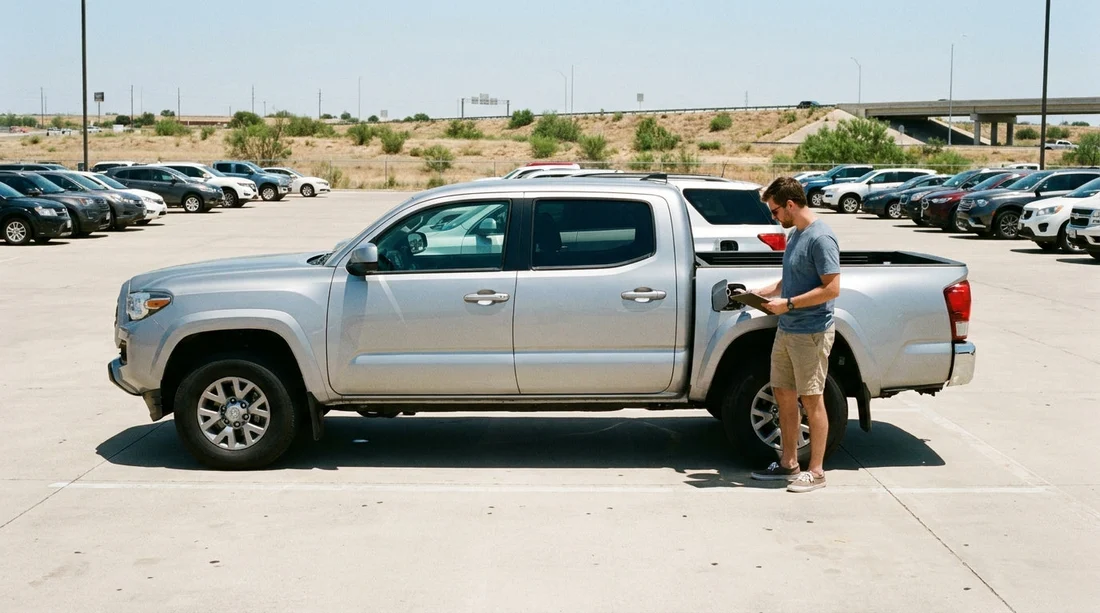
Before leaving the lot, compare the dashboard gauge with the rental agreement fuel notation (for example 8/8). If they do not match, go back inside immediately and have the record corrected.
Take clear photos of the gauge and odometer at pick-up, and again at return. Treat any digital fuel percentage or “range” display as supporting evidence rather than the primary metric.
6) Watch for fuel-related add-ons that look unrelated
Some counter offers are presented as convenience products but affect how fuel is charged. If you are offered express return, confirm how fuel is determined and whether you can still present a receipt if the return reading is disputed.
If you are comparing brands at the same airport, it can be helpful to look at like-for-like terms. Options such as Avis car rental in Houston may display fuel choices differently from other suppliers, even when the underlying charges are similar.
FAQ
Q: What does “Full to Full” mean in Texas car hire? A: You collect the vehicle with a full tank and must return it full. If it is even slightly below full, you may be charged for fuel plus a refuelling service fee.
Q: Is prepaid fuel ever a good idea? A: It can be good value if you will use most of a full tank and can return close to empty. If unused fuel is non-refundable, prepaid fuel is often poor value for short trips.
Q: Can I dispute a refuelling charge if I have a receipt? A: Often yes, especially if the receipt is itemised and time-stamped near your return time. Ask at pick-up what proof they accept so you know what to keep.
Q: Why do I get charged when the gauge looked full? A: Some systems require the gauge to read completely full at check-in, and fuel gauges can drop slightly after driving or cooling. This is why topping up very close to return and keeping a receipt helps.
Q: Are refuelling service fees separate from the fuel cost? A: Usually yes. The missing fuel is charged at a per-gallon rate, and a separate service fee or minimum charge can apply on top.





























































































