


Quick Summary:
- SLI can help pay injury claims from pedestrians or cyclists you hit.
- It can cover third-party property damage, including bikes, phones, and clothing.
- SLI usually excludes rental car damage, theft, and your own injuries.
- Confirm limits, exclusions, and authorised drivers before California pick-up.
When you arrange car hire in California, the most confusing part is often not the vehicle, it is the insurance menu at the counter. One term you will see is SLI, usually short for Supplemental Liability Insurance. Renters ask a very specific question: if an accident involves a pedestrian or a cyclist, does SLI help pay those claims? In most cases, yes, because pedestrians and cyclists are third parties, but the detail is in what SLI is designed to do, what it is not designed to do, and which exclusions may apply.
This guide explains how SLI typically works for third-party injury and property claims in California, including claims involving pedestrians and cyclists. It is informational rather than legal advice, and your actual protection depends on the contract wording and state rules at the time of rental.
What SLI usually means on a California rental
SLI is generally an optional liability policy that increases the amount of third-party liability cover available to you as the renter and authorised driver. Liability means legal responsibility for injury to others or damage to their property arising from using the rental vehicle. SLI is usually offered by the rental brand or through a partner insurer, and it typically sits on top of the rental’s included minimum liability or a basic policy structure.
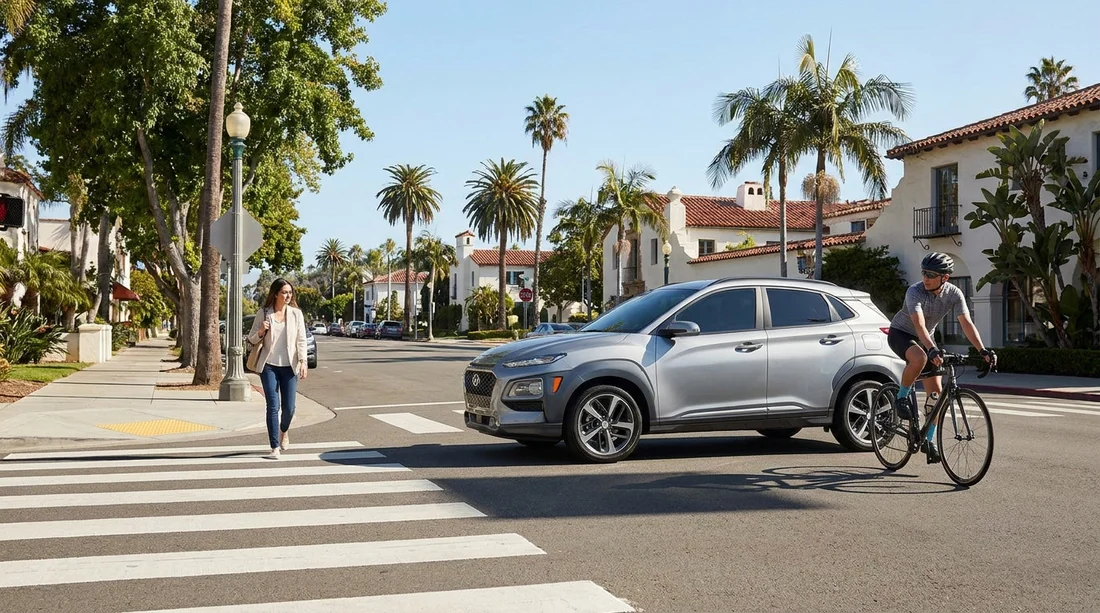
In practical terms, if you cause an at-fault accident, SLI is intended to help pay covered claims made by other people. In California, that can include a driver in another vehicle, a pedestrian in a crosswalk, or a cyclist in a bike lane. It can also include their property, such as a bicycle, helmet, phone, clothing, or even a storefront you collide with.
If you are collecting a vehicle at a major airport, the add-ons can feel rushed. Reading about cover ahead of time helps you choose calmly, whether you are flying into Los Angeles LAX or San Francisco SFO.
Does SLI cover pedestrians and cyclists?
Typically, yes, if you are legally liable for injuring a pedestrian or cyclist, SLI is designed to respond as third-party bodily injury liability. Pedestrians and cyclists are not occupants of your rental car, and they are not the rental company. They are third parties, and their injury claims are exactly the type of claim SLI was built for.
Coverage commonly includes medical costs claimed against you, lost wages, and pain and suffering allegations, up to the policy limits and subject to policy terms. It may also include legal defence costs, depending on how the policy is structured. That matters because a serious pedestrian or cycling injury can lead to high damages.
However, the presence of SLI does not automatically mean every incident is covered. The main risks are exclusions, driver authorisation issues, and incidents that fall outside the rental agreement.
Third-party property damage: bikes, kit, and other belongings
Along with injury liability, SLI generally includes third-party property damage liability. For a cyclist, that may mean the bicycle itself, lights, panniers, and other kit. For a pedestrian, it could mean a phone smashed in the collision, or personal items damaged during the incident. It may also extend to other property you damage, like street furniture, parked vehicles, walls, or shopfronts.
What SLI usually does not do is pay for damage to the rental car, towing of the rental, or loss of use charged by the rental company. Those are not third-party claims, they are claims by the owner of the rental vehicle, and they sit in a different bucket of protection.
What SLI does not cover, and why that matters
SLI is often confused with other rental protections because the names sound similar. The key point is that SLI is about harm you cause to others, not harm to the rental car or to you.
Damage to the rental vehicle. Collision Damage Waiver (CDW) or Loss Damage Waiver (LDW) is the protection that usually addresses damage to the hire car itself, subject to its own exclusions.
Your own injuries. Medical payments or personal accident protection is separate. SLI is not health cover for the driver or passengers.
Injury to unauthorised occupants or drivers. If someone drives who is not listed, or the driver breaches the agreement, liability cover may be reduced or denied.
Understanding limits: why the number matters for vulnerable road users
Pedestrian and cyclist injuries can be severe, and the cost of medical treatment and claims in the United States can be substantial. SLI is often chosen because it increases liability limits above the minimums that may be included in a standard rental. Higher limits can be important if you regularly drive in dense city areas with heavy foot traffic, such as downtown districts, beach promenades, or near university campuses.
Key exclusions that can affect pedestrian and cyclist claims
Most disputes about whether SLI covers a pedestrian or cyclist claim come down to exclusions or contract breaches rather than the identity of the injured person. Pay attention to these points before pick-up.
Authorised driver rules. If a friend drives without being added, the policy may not apply as expected. Ensure every driver is correctly listed.
Impairment. Driving under the influence can void coverage, and it can also bring criminal liability.
Leaving the scene. Failure to report an accident or cooperate with the rental company and insurer can create coverage issues.
What to do if you hit a pedestrian or cyclist in California
First, prioritise safety and emergency response. Call emergency services if anyone is injured. Then follow the rental company’s accident reporting procedure and document the scene if it is safe. Obtain contact details for witnesses and the injured party, and avoid admitting fault at the roadside, because liability is often determined later.
From an insurance standpoint, SLI is most helpful when you can show you complied with the rental agreement and promptly reported the incident. If you are arranging car hire from other California gateways such as Santa Ana SNA or Sacramento SMF, check the paperwork location and after-hours contact process, because reporting expectations can vary.
How to choose SLI sensibly before pick-up
A useful way to decide is to separate risks into three categories: harm to other people, harm to other people’s property, and harm to the rental car. SLI addresses the first two, up to its limits and subject to conditions. It does not address the third.
Consider adding SLI if you expect to drive in areas with higher pedestrian and cyclist activity, such as near tourist attractions, beaches, city centres, and around events. Also consider it if you want clearer, higher liability limits than the basic included cover might provide.
Before you finalise cover, read the definitions: who counts as an insured driver, what accident means, what reporting is required, and what exclusions exist. Ask the counter staff to point out the limit and the key exclusions in writing. That small pause can prevent misunderstanding later.
FAQ
Is a cyclist always treated as a third party under SLI? Usually, yes. A cyclist is typically a third party, so their injury and bike damage claims are the types of losses liability cover is meant to address, subject to exclusions and limits.
Does SLI pay for my rental car repairs after hitting a pedestrian or cyclist? Typically no. SLI is for third-party injury and property damage. Damage to the hire car is usually handled by CDW/LDW or other damage cover, not SLI.
What if the pedestrian or cyclist was partly at fault? Liability may be shared depending on the facts. SLI generally responds to covered claims you are legally liable for, and the final payout may reflect comparative fault rules.
Will SLI cover claims if someone else was driving? Only if that person is an authorised driver under the rental agreement and the policy terms. If an unlisted driver was at the wheel, cover can be limited or denied.





























































































