Quick Summary:
- LDW often excludes underbody damage, even if caused by speed bumps.
- Check the rental agreement for “undercarriage” and “road hazard” exclusions.
- Inspect and photograph the lower bumper area and fuel tank shields.
- Ask how claims are handled, including admin fees and loss-of-use charges.
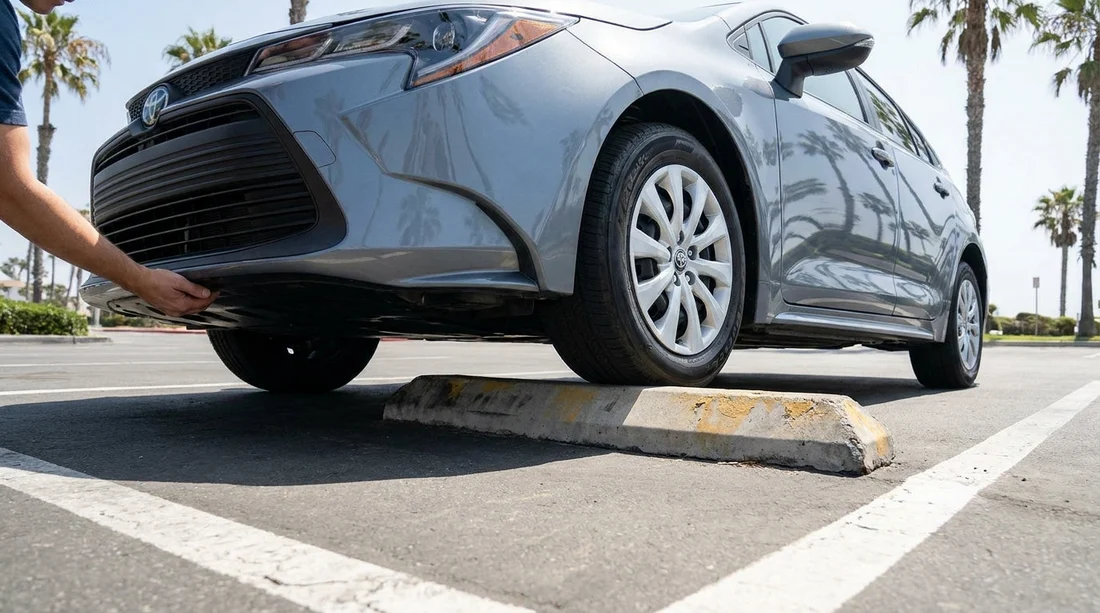
Speed bumps are meant to slow traffic, but they can be surprisingly costly for renters. In California, car parks, hotel entrances, shopping centres, and residential streets often use tall or closely spaced humps. If you scrape the underside of a rental car, you may assume the Loss Damage Waiver, commonly called LDW, will take care of it. In practice, underbody damage is one of the most frequently excluded areas in car hire protection.
This guide explains why underbody damage can sit outside LDW, what wording to look for in terms and conditions, and what to clarify before you confirm your car hire in California. For travellers collecting at major hubs, you can also review location-specific pages such as San Francisco Airport car rental or Thrifty car hire at Los Angeles LAX to compare provider rules and policies.
What LDW usually covers, and why it can still exclude underbody
LDW is not always “insurance” in the traditional sense, it is often a contractual waiver where the rental company agrees to waive some or all costs if the vehicle is damaged or stolen. Coverage varies by supplier, by location, and by the level of protection you take, but a typical LDW focuses on bodywork damage from collisions or incidents while the vehicle is being used normally.
Underbody, also described as “undercarriage”, “underchassis”, or “underside”, is commonly treated differently because it is hard to verify how the damage occurred and because the damage can involve expensive components. A scrape that seems cosmetic could affect exhaust parts, suspension components, steering, the oil pan, or protective shields.
As a result, many rental agreements carve out a specific exclusion for underbody damage, even when the driver did not act recklessly. A speed bump strike, a steep driveway, or a kerb on a tight turn can all trigger that exclusion.
Common LDW exclusion wording to look for before car hire
Before you reserve a vehicle, find the section that lists exclusions, sometimes called “what is not covered”, “prohibited uses”, or “driver responsibility”. In California car hire documents, exclusions tend to be blunt and specific. The important part is not the marketing summary, it is the detailed rental terms.
Look for these phrases or close equivalents:
Undercarriage or underbody damage. This is the direct exclusion that can make speed bump scrapes chargeable.
Road hazards. Sometimes underbody is grouped with tyres, wheels, glass, and roadside incidents. A speed bump impact may be argued as a road hazard.
Negligent or improper use. Even where underbody is not explicitly excluded, suppliers may claim the approach speed or angle was improper. This matters on steep ramps and tall humps.
Failure to report promptly. Some terms require immediate reporting to the supplier or police in certain scenarios. Not reporting can be used to deny LDW protection.
Driving outside permitted areas. If you take the car onto unpaved roads or restricted routes, the supplier may treat subsequent damage, including underbody scrapes, as outside LDW.
If you are comparing pick-up points and suppliers, it can help to narrow your search to specific desks you are likely to use, such as San Jose Airport car rental or Alamo car rental in San Diego, then read the applicable terms for that provider and station.
Does a speed bump count as an “accident” under LDW?
Renters often ask whether scraping a speed bump counts as an accident. The problem is that many contracts do not hinge on the word “accident”, they hinge on the part of the vehicle that was damaged and whether it is excluded. If the underbody is excluded, it can be chargeable regardless of whether you call it an accident.
Even when the underbody is not explicitly excluded, the supplier may assess whether the vehicle was driven with reasonable care. A very high bump taken too quickly, or a steep driveway taken at an angle that causes contact, may be treated as avoidable and therefore negligent.
The practical takeaway is that you should not assume LDW covers every type of damage event. You need to confirm the excluded components and the conditions that can void LDW.
Underbody damage charges you may still face
If the rental company treats the scrape as excluded, the cost can be more than the repair itself. Typical charges that may apply include:
Repair or replacement cost. This can include labour, parts, and associated work like alignment.
Towing and recovery. If the car becomes unsafe to drive, recovery fees can be significant.
Administrative fee. Many suppliers add a set admin charge for processing damage.
Loss of use. Some suppliers charge for days the vehicle is unavailable, even if the repair is quick.
Diminution of value. Less common for minor scrapes, but some agreements include it.
Because these are contractual charges, the presence of LDW does not guarantee they vanish. Your rental terms should state whether LDW waives only repair costs, or also waives loss-of-use and admin fees.
What to check in the rental terms before you book
Use this checklist approach before confirming your car hire in California:
1) Confirm underbody is included or excluded. If excluded, decide whether you are comfortable with that risk based on your route, vehicle type, and driving experience.
2) Check tyres, wheels, glass, and roof too. These exclusions often appear together. If you are concerned about speed bumps, steep car parks, or kerbs, wheel and bumper damage is also relevant.
3) Understand the deductible or excess. Even where LDW applies, you may still pay an excess. Make sure you know the maximum financial exposure.
4) Read the “prohibited use” section. Unsealed roads, beach driving, or off-road travel can void protections. California has plenty of scenic routes where road surfaces vary.
5) Clarify claim handling. Ask how damage is assessed, what documentation is required, and whether the supplier automatically charges your card pending inspection.
6) Check the vehicle class for clearance. Low-slung cars are more vulnerable. If your trip includes steep driveways or urban multi-storey ramps, a higher-clearance model may reduce the risk.
What to do at pick-up and during the rental
Even with the best preparation, underbody incidents can happen. A few steps can reduce disputes and make your position clearer if damage is alleged.
Inspect before leaving the lot. You often cannot easily see the full underside, but you can check the lower front bumper lip, splash guards, and anything visible around the edges. Photograph existing scuffs and note them on the check-out report.
Drive speed bumps slowly and square-on. Many scrapes happen when a bump is taken diagonally or too quickly. At entrances with sharp ramp angles, pause and approach carefully.
If you suspect a scrape, stop and document. Take photos of the area, the location, and any warning signs. If the car makes new noises, vibrates, or leaks fluid, contact the supplier promptly.
Keep paperwork. Retain the rental agreement, condition report, and any messages with the supplier. These details matter if the LDW position is disputed.
Does “before car hire” research really change the outcome?
Yes, because the rules are set by the contract you accept at the counter or online. Two providers at the same California airport can treat underbody damage differently. Your “before car hire” checks help you choose a provider and protection level that matches your risk tolerance.
It also helps you spot confusing wording early. If the summary says “damage covered” but the exclusions list removes undercarriage, you can ask for clarification in writing or choose a different option. The aim is not to eliminate all risk, it is to avoid unexpected charges after an ordinary driving scenario like a speed bump.
FAQ
Does LDW cover underbody damage from speed bumps in California? Often no. Many California rental agreements exclude underbody or undercarriage damage from LDW, so a speed bump scrape can be chargeable.
Where will I see the underbody exclusion in the paperwork? Usually in the detailed rental terms under “exclusions”, “what is not covered”, or “prohibited use”. Look for “undercarriage”, “underbody”, or “road hazard”.
If I paid for LDW, can the rental company still charge admin or loss-of-use? Possibly. Some LDW terms waive repair costs but still allow admin fees or loss-of-use charges. Check the section on additional charges and damage processing.
What should I do if I hit a speed bump and suspect damage? Stop somewhere safe, take photos, and contact the rental supplier promptly. Continuing to drive with a leak or warning light can worsen damage and complicate coverage decisions.
Is a higher-clearance vehicle safer for California speed bumps? Generally yes. SUVs and some crossovers can reduce scraping risk compared with low-slung cars, but careful approach speed and angle still matter.