


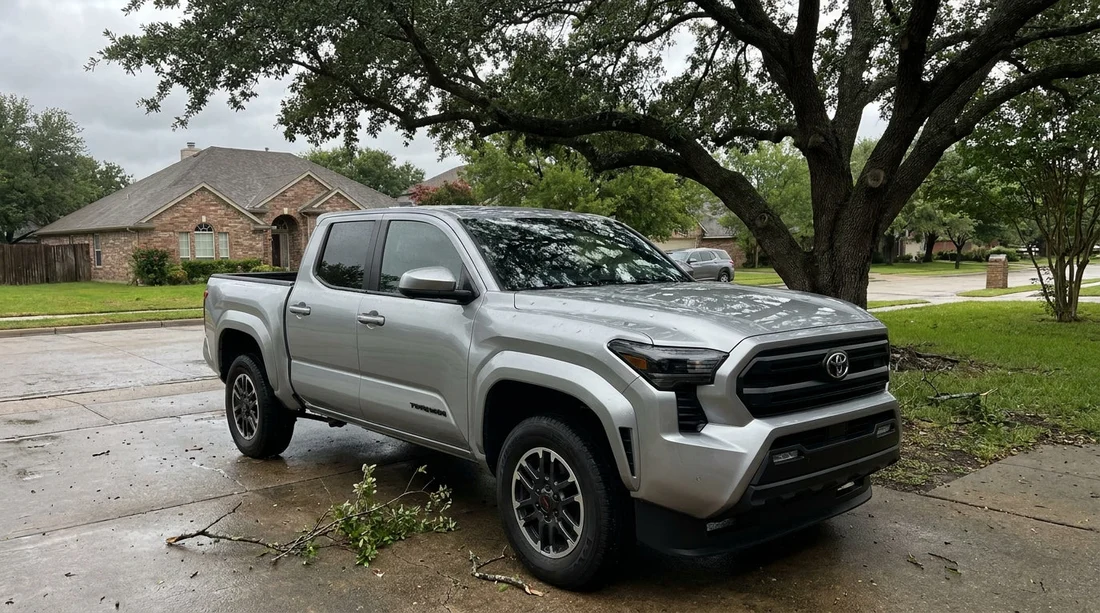
Quick Summary:
- LDW may cover hail or falling-branch damage, but exclusions can apply.
- Expect an excess, and it may be higher for some vehicles.
- Coverage can be refused if you breach terms or delay reporting.
- Take clear photos, report promptly, and keep storm evidence for claims.
Weather in Texas can change quickly, from hailstorms around Austin to intense wind and downed limbs near San Antonio and Houston. When you arrange car hire, it is sensible to ask one practical question early: if hail dents the bodywork or a branch falls onto the roof, will your LDW protect you from a large bill?
LDW, usually called Loss Damage Waiver, is not exactly the same as insurance. It is a waiver offered by the rental company that can reduce or remove what you owe if the vehicle is damaged, provided you follow the agreement. Because terms vary by supplier and by booking channel, the safest approach is to treat LDW as “conditional protection”, then confirm the details in the rental conditions you receive for your Texas car hire booking.
If you are comparing pick-up points, Hola Car Rentals publishes location pages that help you start your search, such as car hire at Austin AUS and car hire at San Antonio SAT. The protection terms are still set by the supplier and your agreement, so always read the conditions attached to your chosen deal.
What hail and falling branches usually count as
Hail damage and impact from falling branches are typically treated as collision or accidental damage, not normal wear and tear. That generally means LDW can apply, because it is designed to cover damage to the rental car’s bodywork and sometimes glass, subject to the agreement.
In practice, hail dents to panels, cracked windscreens from debris, and a branch denting a bonnet are often eligible for LDW consideration. However, some suppliers separate windscreens, tyres, wheels, roof and underbody into special categories, and those items may be excluded or have a different excess. Roof damage is particularly important with falling branches, because a limb can land on the roof, pillars, or panoramic glass.
A useful way to think about it is: LDW may cover the “event”, but exclusions can change what parts of the claim are paid for, and excess can change how much you still contribute.
Common exclusions to watch for in Texas weather events
Even where hail or a falling branch sounds like an unavoidable act of nature, LDW can be refused or limited when the agreement says you did something that increased the risk. Typical exclusions and limitations to scan for include:
Negligence or reckless behaviour, for example parking under clearly unstable trees during high winds when safer parking is available, or driving into a flooded area that was visibly unsafe. “Negligence” is interpreted differently by each supplier, but it is often a key lever for rejecting a waiver.
Unauthorised use, such as driving off-road, using the vehicle on prohibited roads, using the wrong fuel, or allowing an unauthorised driver to drive. If an excluded driver is behind the wheel when the storm damage occurs, LDW may be invalid.
Failure to report correctly. Many suppliers require you to notify them promptly after an incident, and to complete an incident report. If you wait until return, coverage can become disputed, even for hail.
Restricted components. Some agreements exclude windscreens, tyres, wheels, roof, undercarriage, interior, or keys from LDW. A branch impact that also breaks glass or dents the roof can trigger these carve-outs.
Vehicle choice can also influence risk and terms. If you are comparing vehicle classes, you might review options like SUV hire at San Antonio SAT and then double-check how the supplier treats roof and glass damage for that class.
How excess may apply if LDW covers the claim
LDW commonly reduces your financial responsibility to an excess amount. In simple terms, if repairs cost $2,500 and your excess is $500, you may pay up to $500, and the waiver covers the rest, assuming the claim is accepted.
Excess can vary based on supplier, location, vehicle group, and even the time of year. In parts of Texas where hail is more frequent, you should not assume the excess is low or that the supplier treats hail differently from other damage. Also note that the excess can apply per incident, not per day.
If the damage involves multiple areas, for example hail dents and a cracked windscreen, the way the supplier categorises the damage matters. Some treat it as one incident, others apply separate rules to glass. This is why it is important to read the sections on “exclusions” and “what is not covered” line by line, not just the headline that says LDW is included.
What to do when hail or branches damage your rental car
Handling the situation well can make the difference between a smooth waiver process and a disputed claim. If your rental car is hit by hail or a falling branch in Texas, focus on safety first, then documentation.
1) Get to a safe place if you can. If you are in a hailstorm, avoid stopping under bridges where it is unsafe or illegal, and do not endanger yourself to protect the car. If branches are falling, move away from trees and power lines.
2) Photograph everything. Take wide photos showing the car’s position, close-ups of all visible damage, and any relevant surroundings, like the tree or hail accumulation. Date-stamped photos are helpful if your phone provides them.
3) Report promptly to the supplier. Follow the instructions in your rental agreement. If the agreement says to call immediately, do so. If the car is unsafe to drive, ask for guidance before moving it.
4) Keep supporting evidence. If a severe storm warning was issued, note the time and location. Keep any repair or towing paperwork. If police reports are required for certain damage types, follow that rule even if the damage seems minor.
5) Do not authorise repairs yourself unless instructed. Many suppliers require you to use their approved process. Unauthorised repairs can create problems with LDW acceptance.
When arranging car hire through Hola Car Rentals, you will see different suppliers in Texas. Pages such as Budget car hire at Houston IAH can help you compare deals, but always rely on the specific rental conditions attached to your chosen supplier and vehicle at the time of booking.
How to reduce the risk before you drive in Texas
You cannot control the weather, but you can reduce exposure. In hail-prone months, prioritise covered parking where possible, especially overnight. If a forecast includes hail, consider adjusting your schedule to avoid leaving the vehicle exposed for long periods.
Before you leave the lot, do a thorough walk-around and take photos. If you notice pre-existing roof marks, windscreen chips, or dents, ensure they are recorded on the check-out report. This matters because hail can create small dents that are hard to distinguish from earlier damage.
If you want a broader comparison of supplier options and policies, you can also review pages like Thrifty car hire at San Antonio SAT, then check the included protection and the exact excess for your dates and vehicle class.
LDW versus additional protection
Some rentals include LDW in the base price, others offer it as an optional add-on. Separate products may reduce the excess further, sometimes to zero, and may extend protection to glass, tyres, and roof depending on the supplier. Whether that is worthwhile depends on your risk tolerance, where you are travelling in Texas, and where you plan to park.
What matters most is clarity: confirm what LDW covers, the exclusions that can void it, and the exact excess amount that applies to your booking. Weather-related damage feels “not your fault”, but suppliers still look at compliance with the contract. Keeping to the agreement is the best protection you control.
FAQ
Does LDW usually cover hail damage on a rental car in Texas? Often yes, hail is typically treated as accidental damage, so LDW can apply. You still need to meet the agreement conditions, and an excess may be payable.
If a falling branch dents the roof, is that covered by LDW? It can be, but roof damage is sometimes excluded or treated differently. Check whether roof, glass, and body panels are covered under your specific LDW terms.
Will I still pay anything if LDW applies? Usually yes, LDW commonly includes an excess. The amount varies by supplier and vehicle group, and some add-ons can reduce it.
Can LDW be refused after a storm? Yes, if the supplier believes there was negligence, an unauthorised driver, off-road use, or you failed to report the incident according to the agreement.
What should I do immediately after hail or branch damage? Get somewhere safe, take clear photos, notify the supplier promptly, and keep any incident paperwork. Follow the rental company instructions before arranging repairs.





























































































