


Quick Summary:
- Confirm your car hire insurance covers storm damage, flooding, and recovery costs.
- Avoid low-lying routes, underpasses, and causeways when flood alerts rise.
- Keep fuel above half, carry essentials, and plan shorter, flexible trips.
- Choose higher-ground parking, protect the interior, and switch modes early.
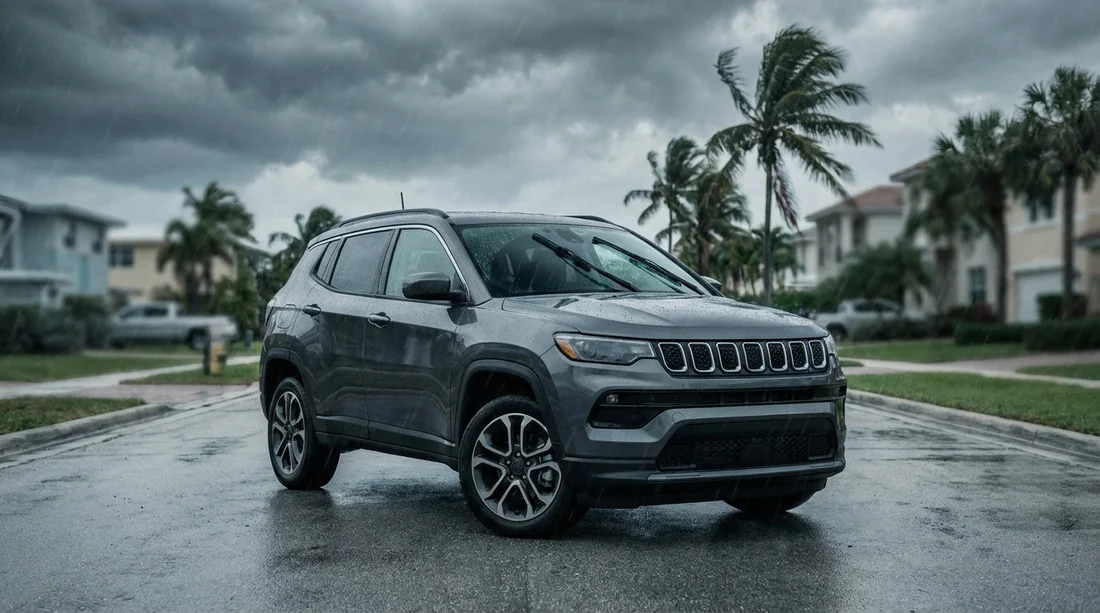
Hurricane season in South Florida runs from June to November, and Miami can shift from normal driving to hazardous conditions quickly. If you are using car hire, the safest approach is to plan for disruption, reduce exposure to flood-prone roads, and know when not driving is the best decision. This guide gives you a practical checklist focused on what to check before you set off, what to change about your driving and trip planning, and what to avoid once storms are in the area.
If you are collecting in the city or near the airport, it helps to understand your pickup area’s flood history and access routes. Hola Car Rentals pages such as Miami airport car rental options and Miami Beach car hire can be useful for comparing locations, but your day-to-day safety will come from preparation and good decisions on the road.
1) Before you drive: insurance, paperwork, and storm readiness
Check what your cover actually includes. Hurricane-related issues can involve wind damage from debris, water ingress, towing, storage fees, and loss-of-use charges while a vehicle is repaired. Review the rental agreement and any optional protection you chose. The key is to confirm how “water damage” is treated, because some policies exclude driving through standing water or operating the car during official warnings.
Ask about roadside assistance terms. In major weather events, response times can be long, and some providers suspend recovery in high-wind conditions. Make sure you know the number to call, the information they will ask for, and whether towing to a safe location is included.
Photograph the vehicle before departure. Take clear pictures of all sides, the roof, wheels, and interior. During hurricane season, sudden rain can hide scratches and chips. Time-stamped photos reduce disputes later.
Know your return and extension rules. If a storm closes roads or airports, you may need to keep the vehicle longer. Check the policy for late returns, extensions, and whether you must return to the same location. If you are staying near downtown, SUV hire in downtown Miami may tempt you for extra clearance, but note that clearance does not make floodwater safe to cross.
2) Route planning: flood-risk roads to avoid and safer alternatives
In Miami, flooding risk is often about elevation, drainage, and proximity to the bay rather than distance from the coast. Heavy downpours can overwhelm storm drains, and saltwater intrusion can compound problems in some areas.
Avoid these high-risk situations when storms are active: underpasses that collect water, roads adjacent to canals, and low-lying neighbourhood streets where water pools. If you see water already covering kerbs or lane markings, turn around early. Even shallow water can hide potholes, debris, and downed cables.
Be cautious with causeways and exposed bridges. Strong gusts and sudden squalls are common, and crosswinds can push a vehicle across lanes. If you are heading toward Miami Beach or barrier islands, make your decision early. When conditions worsen, leaving later can be harder than staying put.
Choose fewer, clearer roads. In poor weather, simplify. Stick to main routes that are more likely to be cleared first and better lit. Reduce last-minute turns in unfamiliar areas, especially around construction zones where temporary drainage and uneven surfaces increase risk.
Never rely on sat-nav alone. Navigation apps can lag behind real-time flooding. Use common sense cues on the ground. If traffic patterns look wrong, cars are parked oddly high, or you see emergency vehicles redirecting flows, assume the planned route is compromised.
3) Fuel strategy: keep options open when stations run out
Fuel can become a problem during hurricane season for two reasons, panic buying and power outages affecting pumps. Your goal is flexibility, not a full tank at all times.
Use the half-tank rule. If your car hire vehicle drops below half, refuel sooner rather than later when a storm is forecast. That gives you the range to detour, idle in traffic, or reach a safer area without hunting for fuel in worsening weather.
Refuel earlier in the day. If severe rain is expected later, aim to refuel while visibility is good and forecourts are less chaotic. Avoid leaving refuelling until evening, when glare and standing water make forecourts harder to navigate.
Do not store extra fuel inside the cabin. In hot, humid conditions, fumes are hazardous and containers can leak. If you do not have a safe way to transport fuel in line with local rules, skip it and focus on keeping the tank topped up instead.
Build shorter driving legs. Instead of a long loop of stops, plan a direct route with easy exits. If you are staying in Brickell, you may prefer a pickup nearby such as Payless car hire in Brickell, but still plan for the possibility that you choose not to drive for a day or two.
4) Parking choices: where to leave a rental car when storms approach
Parking is one of the biggest risk factors for storm damage. Many vehicles are damaged while stationary, from flooding, falling branches, or airborne debris.
Prioritise higher ground. A multi-storey car park on an upper level is often safer than street parking. Avoid basement and below-grade garages, which can fill quickly and trap vehicles.
Stay away from trees and loose objects. Even moderate wind can drop branches. Do not park near construction fencing, scaffolding, or signs that could come loose.
Angle for a quick exit. If you must move the car quickly, backing out in heavy rain is harder. Choose a space that lets you pull forward, and avoid tight corners where visibility is poor.
Protect the interior from humidity. Close windows fully, remove damp beach gear, and keep paperwork in a dry pouch. This is simple, but it reduces musty odours and helps avoid distraction when you need to move fast.
Consider where you are collecting and returning. If your trip involves Miami Beach, check access routes and parking options around your pickup point. Locations such as car hire from Miami Airport to Miami Beach can be convenient, but during storms you should favour secure, higher-ground parking over proximity to the waterfront.
5) On the road: what to change in your driving
Slow down earlier than you think. Miami roads can become slick quickly, especially after dry spells when oil rises to the surface. Increase following distance, brake gently, and avoid sharp steering inputs.
Use headlights correctly. Turn on dipped headlights in heavy rain for visibility, but avoid high beams in dense rain because they reflect back. If visibility drops to the point you cannot see lane lines, it is safer to exit and wait in a secure location.
Avoid standing water entirely. Floodwater can be deeper than it looks, and it can conceal open drains, debris, or a washed-out surface. Water can also enter the engine intake and cause severe damage, which may not be covered if you drove through a flooded area knowingly.
Beware of saltwater and tidal flooding. In coastal Miami, saltwater is especially corrosive. If you suspect the car has been in saltwater, do not continue driving. Get advice from roadside assistance and the rental provider as soon as it is safe.
Reduce distractions. Silence non-essential alerts, set your navigation before moving, and keep both hands available. In hurricane season, conditions can change within a few blocks.
6) What to keep in the car: a small storm kit for a rental
With car hire, you want a kit that is compact, legal, and easy to remove when you return the car.
Carry: drinking water, a small snack, phone charging cable and power bank, a torch, a microfibre cloth for windows, a light rain jacket, and any essential medications. Add a printed note of key numbers in case your phone battery dies.
Skip: bulky tools and anything that could damage the interior. If you bring sand or wet items, keep them in a sealed bag to protect the car’s upholstery.
7) When to stop driving and switch to public transport or staying local
The best way to avoid road hazards is not to be on the road when conditions deteriorate. Deciding early reduces risk and usually saves time.
Switch away from driving if: a hurricane watch or warning is announced for your area, local authorities advise limiting travel, or you see repeated street flooding on your intended route. Also switch if you cannot guarantee safe parking where you are going.
Use public transport and short walks when feasible. In central areas, Metrorail, Metromover, and buses can be practical between downpours, but services may change during severe weather. Check service updates before you commit to a trip, and avoid waiting in exposed areas during lightning.
Choose “stay local” days. If you are in a safe building with supplies, it is often better to postpone driving rather than trying to squeeze in attractions. A cancelled plan is cheaper than a damaged vehicle or an unsafe situation.
8) If you get caught in a storm: a calm, safe sequence
1) Get off the road early. If rain becomes blinding or you cannot judge puddle depth, take the next safe exit. Do not stop under overpasses where water can funnel and visibility is poor.
2) Park in a safer place. Choose higher ground, away from trees and flood-prone dips. Put the vehicle in park, apply the handbrake, and keep your seatbelt on if winds are strong.
3) Communicate when safe. Let your accommodation know you are delayed. If you need help, call roadside assistance or emergency services as appropriate, and describe your location clearly using cross streets.
4) Do not drive through floodwater to “test it”. If water is moving across the road, or you cannot see the surface, turn around. This single decision prevents most flood-related rental disputes.
FAQ
Does car hire insurance usually cover hurricane damage in Miami? It depends on the policy and the rental agreement. Wind or debris damage may be covered, but floodwater damage is often limited or excluded if you drove into standing water. Always confirm wording on water damage, towing, and loss-of-use charges.
Should I rent an SUV for hurricane season because it sits higher? Extra clearance can help with rough surfaces, but it does not make floodwater safe. Water depth is hard to judge, and moving water can sweep vehicles. Choose a vehicle for comfort and luggage needs, then avoid flooded roads regardless of vehicle type.
What is the safest fuel plan when a storm is forecast? Keep the tank above half, refuel earlier in the day, and avoid waiting until the last minute. This reduces the need to queue at stations when weather and power disruptions make refuelling difficult.
Where should I park a rental car in Miami during heavy rain? Aim for higher ground, preferably an upper level of a multi-storey car park. Avoid basement garages and low-lying streets that commonly flood. Stay away from trees, loose signage, and construction areas.
When should I stop driving and use public transport instead? Switch if official advisories recommend limiting travel, if repeated flooding affects your route, or if you cannot secure safe parking at your destination. In severe weather, postponing travel is often the safest option.





























































































