


Quick Summary:
- LDW mainly covers vehicle damage, not lost keys or replacement costs.
- Towing is often excluded unless tied to an LDW-covered accident.
- Check exclusions for keys, lockouts, tyres, and unauthorised towing fees.
- Confirm what authorised towing means, plus which charges may apply.
When you arrange car hire in California, Loss Damage Waiver, often shortened to LDW, can sound like a blanket safety net. In practice, LDW is typically focused on damage to the rental vehicle from collision, theft, or vandalism, subject to the agreement’s terms. Lost keys and towing charges sit in a different category for many rental companies, as ancillary costs related to convenience, security, and roadside events, rather than bodywork damage. That difference matters because it often determines whether you pay out of pocket.
LDW is not a regulated, one size fits all product. Each rental provider sets its own wording and exclusions, and the same brand can vary by location, vehicle class, and booking channel. The safest approach is to treat LDW as protection primarily for damage to the car itself, then separately confirm how keys, lockouts, and towing are handled before you sign and drive away.
What LDW usually covers, and what it usually does not
Most LDW descriptions centre on reducing or waiving the renter’s responsibility for damage to the rental vehicle, and sometimes theft of the vehicle, provided you follow the rental agreement. That can include body damage from a collision, damage from a single vehicle incident, and sometimes vandalism. However, even where the headline says “damage waiver”, agreements commonly list exclusions for negligence, unauthorised drivers, off road use, driving under the influence, and failing to report incidents properly.
Lost keys and towing charges are frequently excluded because they are not “damage” in the ordinary sense, and because they can be triggered without any accident. A lost key is a security and replacement issue, and towing can be a roadside service issue, not necessarily a crash repair issue. In California car hire, you should assume keys and towing are not covered unless the contract says they are.
Does LDW cover lost keys in California?
Typically, no. Many rental agreements treat lost keys, key fobs, and transponders as renter responsibility. That can include the cost of replacement keys, programming, locksmith services, and the time the vehicle is out of service. With modern cars, key fobs can be expensive, and programming may require dealership involvement.
If you are collecting a vehicle at a busy airport location, it can help to check what support is available if you misplace a key after hours. For example, if your car hire starts around the Bay Area, reviewing practical pickup information ahead of time can reduce stress later in the trip, see San Francisco SFO car rental and note the contact methods and hours shown on your documents.
Does LDW cover towing charges in California?
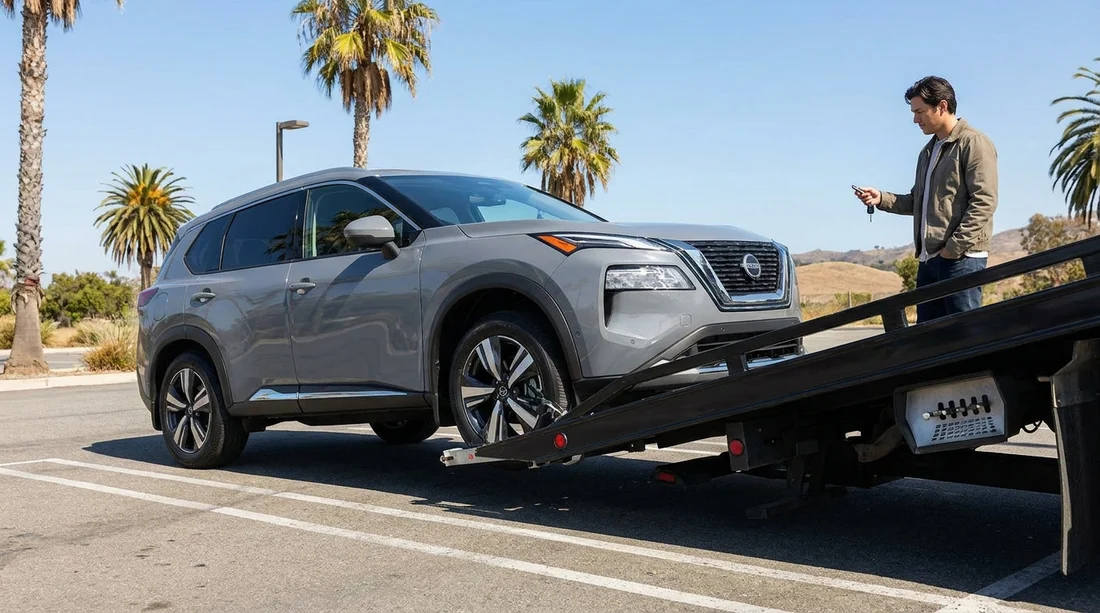
Often, towing is only covered in narrow circumstances, if at all. Many agreements distinguish between towing due to an accident versus towing due to mechanical failure, running out of fuel, getting stuck, tyre damage, or driving in prohibited areas. Even where LDW applies to accident damage, towing may still be limited to authorised towing arranged by the rental company, not any tow you call yourself.
If you are planning to pick up near Southern California and head out on longer drives, it can be useful to look at the general vehicle options and location logistics in advance, such as SUV rental California LAX. Larger vehicles can be more capable for luggage and gradients, but towing and roadside rules still come down to the contract terms.
Key and towing exclusions to look for before signing
To answer the title question accurately for your specific rental, you need to find the exact words in your rental agreement or terms. The items below are common “gotchas” that determine whether LDW helps with keys and towing.
1) Keys, key fobs, transponders, and programming fees
Look for lines that mention replacement, rekeying, programming, immobilisers, and administrative fees. Some agreements also allow charging for lost equipment supplied with the vehicle.
2) Authorised towing only
Many contracts require you to call the rental company first. If you arrange towing yourself, the company may refuse to reimburse it, even if the underlying reason might otherwise be covered. Ask what number to call and whether after hours towing is handled differently.
3) Prohibited use that voids LDW
Driving on unpaved roads, beaches, or posted closed areas can void LDW. A tow from a prohibited road is often excluded regardless of LDW status.
4) Tyres, wheels, and undercarriage rules
A common towing trigger is tyre or wheel damage. If tyres and wheels are excluded from LDW, the tow may be excluded as well, because it stems from an excluded event.
What to confirm at the counter, using clear questions
Counter conversations can be rushed. You can still get clarity with a short checklist, and you can ask for the answer in writing if the policy is complex. Consider these questions before signing:
“If I lose the key, what exactly will I be charged for?” Ask about replacement, programming, delivery, locksmith call out, and lost use of the car.
“If I need towing, when is it covered and when is it not?” Ask for examples tied to your route, such as a collision, mechanical breakdown, flat tyre, or getting stuck.
“Do I have to call you before arranging a tow?” Get the exact phone number and whether you should use the app or roadside card in the glovebox.
If your trip involves multiple California cities, you might compare location support details when planning. For instance, San Jose SJC car rental and car hire Sacramento SMF pages can help you anticipate pickup and return logistics so you can keep documents, key receipts, and helpline numbers organised.
How this affects your overall California car hire budget
Keys and towing charges can be disproportionately expensive compared with minor body damage, especially with modern electronic keys and long distance towing. When comparing rental options, factor in the realistic worst case, key replacement plus towing plus admin fees.
For travellers flying into Orange County, reviewing Alamo car rental Santa Ana SNA information can help you plan your pickup smoothly and ensure you have the right contact details for roadside issues.
Ultimately, LDW is valuable, but it is not automatically a solution for everything that can go wrong. For lost keys and towing in California, the agreement’s exclusions and the authorised roadside process are the deciding factors.
FAQ
Is LDW the same as insurance for a rental car in California?
LDW is usually a contractual waiver that can reduce what you owe for vehicle damage. It is not always the same as an insurance policy, and it can include exclusions and conditions.
If the car is towed after an accident, will LDW pay the tow bill?
Sometimes, but not always. Many agreements cover towing only when it is related to an LDW-covered incident and arranged through authorised channels. Always confirm the towing process and limits.
What happens if I lock the keys inside the rental car?
Lockout assistance may be available, but it often comes with a fee or specific procedure. Check whether you must call the rental company’s roadside number and whether third party locksmiths are allowed.
Can I call any tow company if I break down?
Often you should not. Many rental agreements require you to use the rental company’s roadside service or get approval first, otherwise reimbursement may be refused.
What should I do before leaving the lot to protect myself?
Read the LDW exclusions, save the roadside phone number, and ask how keys and towing are treated. Knowing the authorised steps upfront can prevent costly misunderstandings later.





























































































