


Quick Summary:
- Read your rental agreement for ferry, island, and restricted area clauses.
- Confirm insurance, roadside assistance, and recovery cover apply during ferry crossings.
- Protect keys, follow crew guidance, and photograph the vehicle after docking.
- Plan return timing, fuel rules, and a rinse after salty sea air.
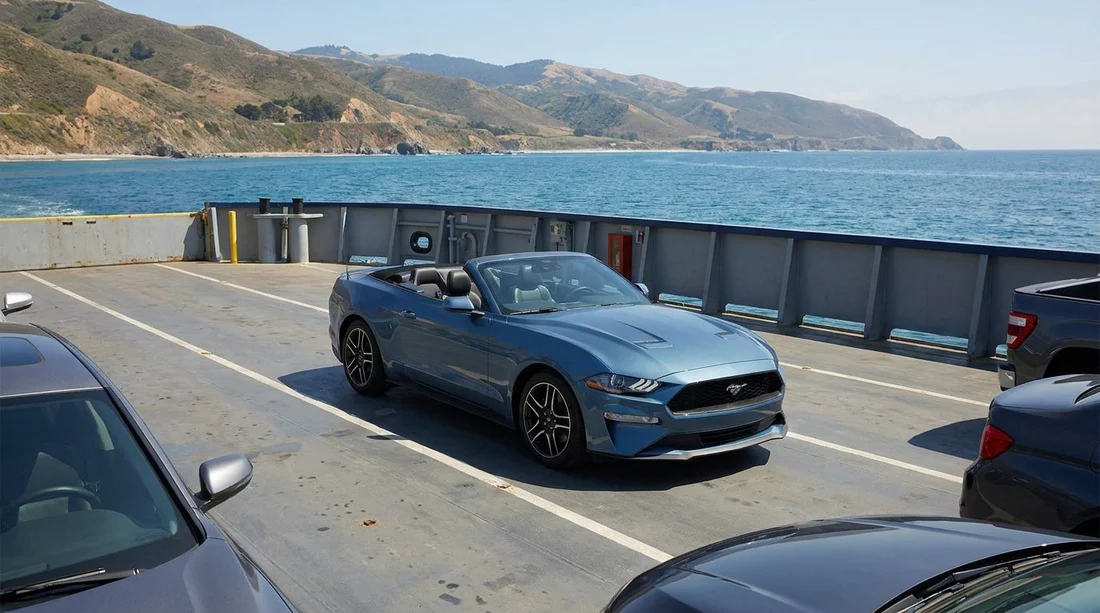
Yes, you can sometimes take a rental vehicle on a ferry in California, but it depends on the company’s rules, the destination, and what your contract says about ferries and islands. With car hire, the key is that a ferry crossing can change risk, recovery logistics, and where the vehicle can legally be taken. Some agreements allow standard ferries as part of normal road travel, while others treat any water crossing, island travel, or certain ports as restricted unless you have written permission.
If you are picking up in a major gateway city, start by confirming terms at the location you are using. For example, travellers collecting from San Francisco Airport (SFO) often consider trips that include Bay Area ferries, while those arriving via Los Angeles Airport (LAX) may be planning island time and coastal ferries. Rules can vary by brand, vehicle class, and sometimes even by pick up branch, so treat the contract as the final source of truth.
Why ferry crossings matter in rental agreements
Ferries create a few practical issues that rental companies try to control. First, there is the risk of damage while loading, unloading, or parking on deck, including scrapes on ramps, kerbed wheels, or contact with other vehicles. Second, salt air can accelerate corrosion and leave residue, especially if the crossing is open deck and windy. Third, if the vehicle breaks down or is damaged on an island, recovery can be slower and more expensive, and a towing provider may need to coordinate with ferry schedules.
Because of this, many rental agreements include clauses about “restricted areas” that can cover islands or any travel that requires a ferry. This does not always mean ferries are forbidden, it means you should check whether the ferry trip changes your coverage or creates extra obligations.
Common restrictions to look for before you sign
When reviewing car hire terms for California, scan for these types of wording and ask for clarification if anything is vague.
1) Islands and limited access zones
Some companies allow ferries but restrict travel to certain islands, or allow it only on specific routes. An island restriction may be listed under “prohibited use”, “restricted territories”, or “where you may drive”. If your trip includes an overnight stay on an island, check whether the vehicle is allowed to remain there, not just to arrive by ferry.
2) Unauthorised transport of the vehicle
Contracts sometimes treat ferry travel as “transporting” the vehicle, similar to putting it on a train or a truck. The key question is whether the contract requires prior approval for any form of vehicle transport. If approval is needed, get it in writing from the rental company, and keep it with your rental documents.
3) Insurance and damage waivers on ferries
Even if ferry travel is permitted, some agreements carve out exclusions for damage occurring while the car is on a vessel, during loading, or from “acts of the sea”. You want to know whether your collision damage waiver, theft protection, and any additional cover still apply. If your coverage is limited on ferries, you may be personally responsible for repair costs, loss of use, or administrative fees.
4) Roadside assistance and recovery limits
Roadside support can change on islands. A common issue is towing, recovery, or replacement vehicles. If the car becomes undriveable on an island, ask how the company handles recovery, whether ferry fees for towing are covered, and whether you would need to pay up front. This is especially relevant if you are choosing a larger vehicle, such as through SUV hire in California (LAX), because larger vehicles can be more expensive to recover.
5) Vehicle class limitations
Some higher value vehicles, speciality models, or larger SUVs may have additional restrictions. The company may allow ferries for standard cars but require permission for premium categories, or may prohibit certain vehicles due to theft risk or limited service availability on islands.
Key checks to make before planning your ferry day
Once you have identified that a ferry crossing is part of your route, use this checklist before you sign and before you drive to the port.
Confirm the ferry route and whether a reservation is required. Some routes have strict vehicle quotas. If you turn up late, you may be put on a later sailing, which can affect return timing and late fees.
Check your return plan and buffers. A missed sailing can cascade into a late return, especially if you are returning near a flight. If you are dropping at San Diego Airport (SAN) after coastal travel, build in extra time for traffic plus any ferry delays.
Understand what to do if you have an incident on the ferry. You may need to document damage immediately. Ask whether you should notify the ferry operator, take photos at the dock, and call the rental company before leaving the port area.
Practical tips for keeping the vehicle safe on the crossing
Ferries are usually straightforward, but the small details help avoid disputes later. Before you enter the queue, remove loose items that could slide when the vessel moves. When parking, follow crew instructions precisely and keep a safe distance from neighbouring vehicles if you have any choice. Once parked, apply the parking brake and leave the car in park or in gear, as appropriate for the model.
If you have a keyless fob, keep it secure. Some vehicles can be unlocked if the fob is too close. On open deck crossings, consider closing air vents to reduce salt air and moisture entering the cabin. After the crossing, do a quick walk around at the terminal and photograph anything that looks new, because it is easier to resolve issues when you can show the time and location.
Costs to anticipate: ferry fees, insurance excess, and cleaning
In most cases, the ferry operator charges the ferry fare, not the rental company. Your rental price typically does not include ferry tickets. Budget for the vehicle fare plus passengers, and remember that larger cars can cost more. If you are travelling with an SUV, you may also face stricter height or length pricing bands.
What to do if the agreement is unclear
If the terms do not explicitly mention ferries, do not assume it is fine. Ask the rental desk or customer support to confirm whether your planned route is permitted. The safest approach is to request confirmation that your specific ferry route and destination are allowed, and whether coverage remains valid during loading, on the vessel, and on arrival. Keep a copy of the confirmation with your rental paperwork.
If you are comparing providers, it can help to choose a well known brand at a major airport location where policies are more frequently tested by travellers. For instance, those picking up via Hertz car hire in San Jose (SJC) may find it easier to get clear, documented answers because the desk handles a wide range of trip patterns.
FAQ
Can I take a rental car on any ferry in California?
Not always. Some rental agreements allow ferries generally, while others restrict islands or require prior approval. Check the “restricted areas” and “prohibited use” sections before signing.
Does my insurance cover damage that happens on the ferry?
It depends on the contract and any cover you add. Some policies exclude damage during loading or while on the vessel, so confirm whether collision and theft cover apply for the entire crossing.
What if the car breaks down on an island after the ferry?
Ask how roadside assistance handles islands, including towing, recovery ferry fees, and replacement vehicles. Recovery logistics can be slower and may involve extra costs if not covered.
Do I have to tell the rental company I am taking a ferry?
If the agreement requires authorisation for ferry travel or island destinations, yes. Even if it does not, notifying the company and getting confirmation in writing can prevent disputes later.





























































































