


Quick Summary:
- Request racks early, availability varies by branch, season, and supplier.
- Confirm your vehicle class supports factory rails or approved mounting points.
- Ask whether racks are installed at pickup or supplied separately.
- Verify weight limits, clearance height, and insurance coverage for roof loads.
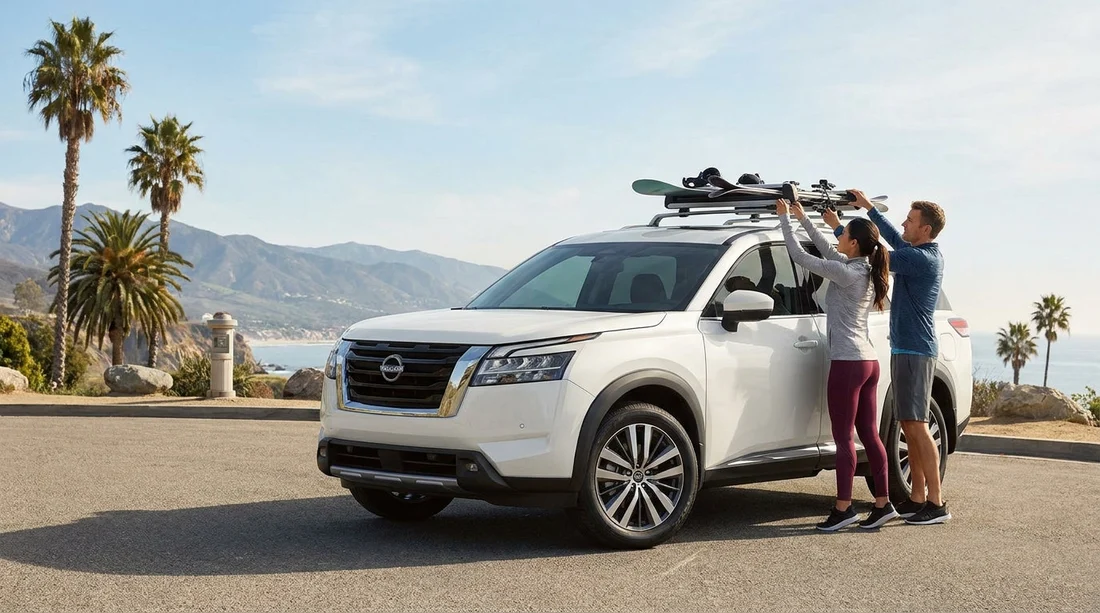
Yes, you can often request a roof rack or ski rack when arranging car hire in California, but it is not guaranteed in the same way as child seats or GPS. Racks depend on branch inventory, the supplier’s policy, and whether the specific vehicle has compatible roof hardware. Many airport locations can accommodate requests for SUVs and some minivans, yet the final outcome is usually confirmed at the counter once your allocated car is known.
The most important point is that a rack request is usually a preference, not a firm inclusion. Some suppliers treat racks as a paid accessory, others only offer them on certain models, and some do not provide them at all. If you are collecting from a major airport location, improve your odds by clarifying compatibility needs before you arrive and by choosing a vehicle class that commonly includes roof rails.
If you are comparing pickup options, Hola Car Rentals provides location pages to review suppliers and typical vehicle categories for your dates, such as Budget at Los Angeles LAX or car hire at San Francisco SFO. Even with the right vehicle class, confirm the rack details directly with the counter staff, because the exact make and roof setup can vary day to day.
Availability in California: what to expect
California demand for roof and ski racks is seasonal and route-driven. Ski racks are most requested in winter for trips toward Tahoe, Mammoth, or other mountain areas. Roof racks are popular year-round for beach gear, camping, and road trips where boot space is limited. Branches may have only a small number of compatible rack sets, and they may be reserved for specific vehicle types.
Availability also differs by supplier and by whether the branch permits aftermarket attachments. Many rental companies do not allow clamp-on universal racks that grip the door frame, because incorrect fitting can cause leaks, damage paintwork, or create wind noise. Instead, they may only support racks that mount to factory roof rails, fixed points, or a roof rail system already present on the car.
Compatibility by vehicle class
Racks are ultimately about the roof configuration on the specific vehicle assigned. Vehicle classes help, but they do not guarantee rails. Economy, compact, and standard cars often have a bare roof with no rails and no fixed mounting points, so these categories are the highest risk if your itinerary depends on a rack.
Crossovers and midsize SUVs are where your chances improve. Many crossovers come with factory rails, but not all. Some have flush rails that require a specific crossbar kit, which a branch may not stock. When requesting a rack, ask whether crossbars are included and whether the system fits flush rails.
Minivans are sometimes overlooked for ski trips, yet they can be ideal because they carry long gear inside without any roof setup. Some minivans have rails, others do not. If you are weighing up options at SFO, see typical people-carrier categories on minivan hire at San Francisco SFO.
Premium and luxury vehicles can have stricter policies. Even if rails exist, some suppliers will not fit third-party accessories on premium cars, so confirm accessory rules early if you are considering this category.
What to confirm before you arrive at the counter
Because the counter is often where the final vehicle is assigned, go in with a short checklist. It helps you avoid last-minute surprises and gives the staff clear criteria for finding a compatible car.
1) Is the rack guaranteed or request-only? Ask whether the rack is confirmed as an accessory line item, or noted as a preference. If it is request-only, be prepared with a fallback plan.
2) What roof hardware is required? Clarify whether the rack needs factory rails, fixed points, or a specific rail type. Mention if you need crossbars, not just a rack, as the term can be interpreted differently.
3) Installation process: Confirm whether staff install the rack at pickup, whether you must install it yourself, or whether it is not offered at that branch. If self-install is allowed, ask for fitting instructions and check that all parts are present before leaving.
4) Costs and deposits: If racks are available, they may be charged per day, per rental, or as a flat accessory fee. Some suppliers also place a deposit or require a signed waiver acknowledging responsibility for incorrect fitting or damage.
5) Roof load rating and rack limit: Ask for the maximum permitted roof load and keep within it, including the weight of the rack itself and any box or carrier.
6) Height and clearance planning: With skis or a roof box, your overall height increases. Confirm the approximate vehicle height with the rack fitted and plan for parking garages, hotel entrances, and drive-throughs.
7) Insurance and damage rules: Ask how the supplier handles damage to the roof, rails, and windscreen from unsecured loads. Many policies exclude damage caused by improper use, and some exclude roof damage entirely.
Practical tips for a smoother pickup in California
Timing matters. If you are arriving during a peak window, the most compatible vehicles may already be allocated. Arriving earlier in the day can increase the chance of getting an SUV with rails or a car already set up for accessories.
If you are collecting in Southern California and driving to the mountains, focus your rack questions on the most likely compatible classes. For example, if you are picking up near San Diego, browsing supplier options via Thrifty at San Diego can help you compare categories.
For Northern California ski routes, select a vehicle category with higher likelihood of rails and interior flexibility, then confirm the accessory policy at pickup. If you are flying into Orange County, the Santa Ana SNA location page is a useful reference point for checking the airport pickup context.
What if the branch cannot provide a rack?
If the branch cannot supply a roof rack or ski rack, ask whether a different vehicle in the same class has factory rails, or whether an alternate class is available that better supports rails. You can also carry skis inside the vehicle with protective bags, especially if you can fold a rear seat section down.
If you need to protect interior trim, bring a simple ground sheet or old towel to separate edges from upholstery. Keep sharp edges away from door seals, and avoid blocking driver visibility.
FAQ
Can I add a roof rack during the online car hire booking process? Sometimes. Some suppliers show racks as an optional extra, but many treat them as a request to be confirmed at pickup because compatibility depends on the assigned vehicle.
Are ski racks more available in California during winter? Yes, but demand is also higher. Branches near major airports may stock a limited number, so requesting early and choosing a rail-equipped vehicle class improves your chances.
Will a compact car work with a roof rack or ski rack? Often not. Many compact cars lack roof rails or fixed mounting points, and suppliers may not allow universal clamp-on racks due to damage risk.
Do I need to worry about car park height with a rack fitted? Yes. Crossbars, ski racks, and roof boxes increase overall height, so confirm clearance and be cautious with multi-storey car parks and low hotel entrances.
What should I check before driving off with a fitted rack? Confirm all parts are present and tightened, check the stated roof load limit, and ask how to report issues. Re-check tightness after a short drive as fittings can settle.































































































