


Quick Summary:
- Expect a refundable hold that reduces your card’s available credit.
- Bring a credit card in the main driver’s name with headroom.
- Holds can rise with larger vehicles, extras, or lower cover levels.
- Avoid delays by checking limits, clearing pending holds, and arriving prepared.
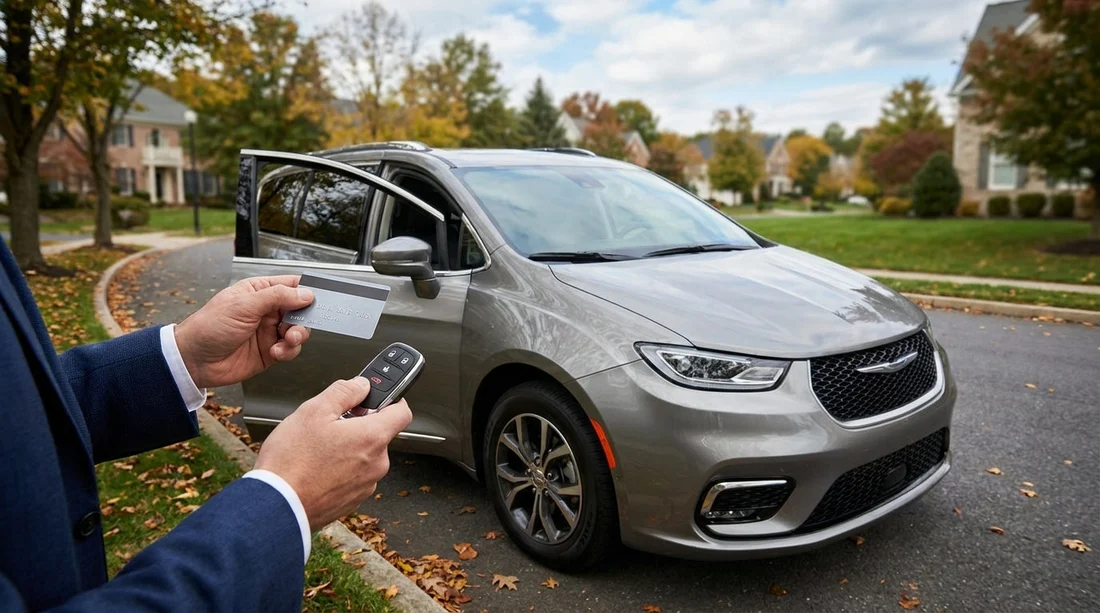
When you pick up a car hire in Pennsylvania, you will usually see a credit-card pre-authorisation, often called a deposit hold. This is not a charge, it is a temporary hold on part of your available credit to help the rental supplier manage risk during the rental period. Understanding how much credit you need, and what can increase that hold, is one of the easiest ways to prevent a frustrating counter delay.
This guide sets expectations for Hola Car Rentals customers collecting in Pennsylvania, particularly in the Philadelphia area. You will learn what the hold is for, how much available credit to keep free, what can make the amount higher, and the quick checks that avoid pick-up problems.
What a pre-authorisation hold is, and why it exists
A pre-authorisation is a card verification where the supplier requests your bank to ring-fence a set amount of credit. The money stays in your account as pending and cannot be spent elsewhere, but it is not taken unless something later becomes payable under the rental agreement.
For car hire, suppliers use the hold to cover potential costs such as damage excess exposure, fuel differences, fines or tolls with admin fees, and counter-added services like upgrades or extra drivers.
The hold is standard practice in Pennsylvania and throughout the US market. It is also why debit cards, prepaid cards, and virtual cards can be declined at pick-up even if they have funds, because suppliers want a conventional credit facility and predictable authorisation rules.
So how much credit do you need for the deposit hold in Pennsylvania?
There is no single universal amount because the hold depends on the supplier, vehicle class, rental duration, and your chosen protection level. However, you can set a practical expectation for Pennsylvania by planning for a buffer rather than aiming for the minimum.
A sensible rule: keep at least several hundred dollars of available credit beyond your estimated rental cost, and more for premium vehicles or if you are declining certain cover options. If your available credit is tight, even a valid card can fail the authorisation check.
Why the buffer matters is that the hold reduces your available credit line immediately. For example, if your card limit is $1,000 and you have $650 already utilised, a $400 hold may be declined because the counter system only sees available credit at that moment.
If you are arranging car hire around Philadelphia, it can help to look at location-specific supplier expectations and vehicle availability. For planning, see Philadelphia Airport car rental and car hire in Philadelphia.
What can increase the pre-authorisation amount
Even if you have hired before, the hold can vary from trip to trip. These are the most common reasons it increases in Pennsylvania.
1) Vehicle category and replacement cost
Larger or higher-value vehicles typically bring higher risk exposure. If you move from an economy car to an SUV, luxury model, or specialist vehicle, the hold can increase accordingly.
Vans can sit in a different policy bracket. If you are considering a people carrier or cargo-style vehicle, review expectations on the van hire in Philadelphia page so you can plan your credit headroom appropriately.
2) Your insurance and protection choices
One of the biggest drivers of hold size is the damage excess exposure. If you rely on a basic package with a higher excess, the supplier may hold more. If you choose to add supplier protection that reduces your excess, the hold is often lower, because the amount you could owe after damage is reduced.
Be careful with assumptions here. Third-party coverage products and credit-card insurance can be useful, but the supplier may still require a hold that reflects their own risk rules, especially if their counter staff cannot validate external cover instantly.
3) Additional drivers, young driver fees, and optional extras
Adding drivers, requesting special equipment, or having a young driver surcharge can affect the authorisation, either directly or by increasing the overall risk profile. Even when these are charged separately, the supplier may increase the hold to match the adjusted rental conditions.
5) Timing, existing pending holds, and bank behaviour
A common, avoidable issue is arriving with a card that is technically fine, but has pending holds from hotels, other rentals, or even petrol stations. These reduce your available credit, and banks differ in how quickly they release pending amounts after completion.
If you hired recently, an older deposit hold can still be visible for several days. That does not mean you were charged, but it can block a new authorisation.
How to avoid pick-up delays, and keep enough available credit
The easiest way to prevent counter problems is to treat the deposit hold as part of your travel budget, not an afterthought.
Check your available credit, not your card limit. Log into your banking app on the day of collection and confirm you have enough headroom after pending transactions.
Use a physical credit card in the main driver’s name. Many suppliers will not accept debit cards, prepaid cards, or cards that do not match the driving licence.
Bring a second credit card if possible. This is not about spending more, it is a practical back-up if the first issuer declines or your available credit is miscalculated due to pending holds.
If you are comparing supplier rules, it can help to understand that policies differ by brand even at the same airport. Hola’s supplier landing pages are useful for expectations before you travel, including Payless in Philadelphia and Alamo in Philadelphia.
How long the hold stays on your card
After you return the vehicle, the supplier will close the rental and release the authorisation. The release timing depends mainly on your bank, and it may remain pending for several business days.
What if the hold is declined at the counter?
If an authorisation fails, the staff will usually try again after confirming details. Failures are commonly caused by insufficient available credit, a mismatch between the driver name and card, a card type not accepted under that supplier policy, or a bank decline due to security controls.
To resolve it quickly, ask your bank whether the decline is due to available credit, merchant category restrictions, or security rules. If it is a security rule, the bank can sometimes approve the next attempt immediately once you confirm it is you.
FAQ
Q: Is the deposit hold a payment, or will it leave my account?
A: It is usually a pre-authorisation, not a payment. It reduces available credit temporarily and should be released after return, subject to your bank’s timing.
Q: Can I use a debit card for car hire in Pennsylvania?
A: Often no, or only with added restrictions. Many suppliers require a credit card in the main driver’s name for the deposit hold and may refuse debit or prepaid cards.
Q: What makes the hold higher than expected?
A: Common causes include a larger vehicle class, lower protection that leaves a higher excess, adding extras or drivers, or having other pending travel holds reducing available credit.
Q: How can I minimise the chance of a pick-up delay?
A: Check available credit on the day, clear existing pending holds if possible, bring a back-up credit card, and ensure your documents and card name match exactly.
Q: How long does it take for the hold to be released?
A: The supplier can release it after the rental is closed, but banks vary. It may disappear quickly or remain pending for several business days depending on your issuer.






























































































