


Quick Summary:
- LDW often excludes wheels, tyres and rims, including kerb scuffs.
- Check your rental’s Damage Waiver terms for wheel and underbody exclusions.
- Photograph existing rim marks at pickup and ensure they are recorded.
- Ask what add-ons cover wheel damage, and confirm any deductible.
When you arrange car hire in Florida, it is easy to assume Loss Damage Waiver (LDW) covers any accidental damage to the vehicle. Alloy wheels are where that assumption most often fails. Kerb contact is common in busy parking lots and on narrow curbs, and alloy rims show scuffs immediately. Whether LDW covers kerb damage to alloy wheels depends on the exact wording of the waiver included with your rental, plus any separate exclusions for wheels, tyres, glass, roof, and underbody.
LDW is not usually the same thing as fully comprehensive insurance. In the US rental market, LDW (sometimes shown as CDW or “Damage Waiver”) is typically a contractual waiver where the rental company agrees to waive some or all of its right to charge you for damage, as long as you comply with the contract. Because it is contract based, the exclusions matter more than the label.
If you are comparing options for Orlando airport car rental or picking up closer to the coast, focus on the same practical question: does the included LDW specifically mention wheels, rims, hubcaps, and tyres, and if so, are they included or excluded?
What counts as “kerb damage” on alloy wheels?
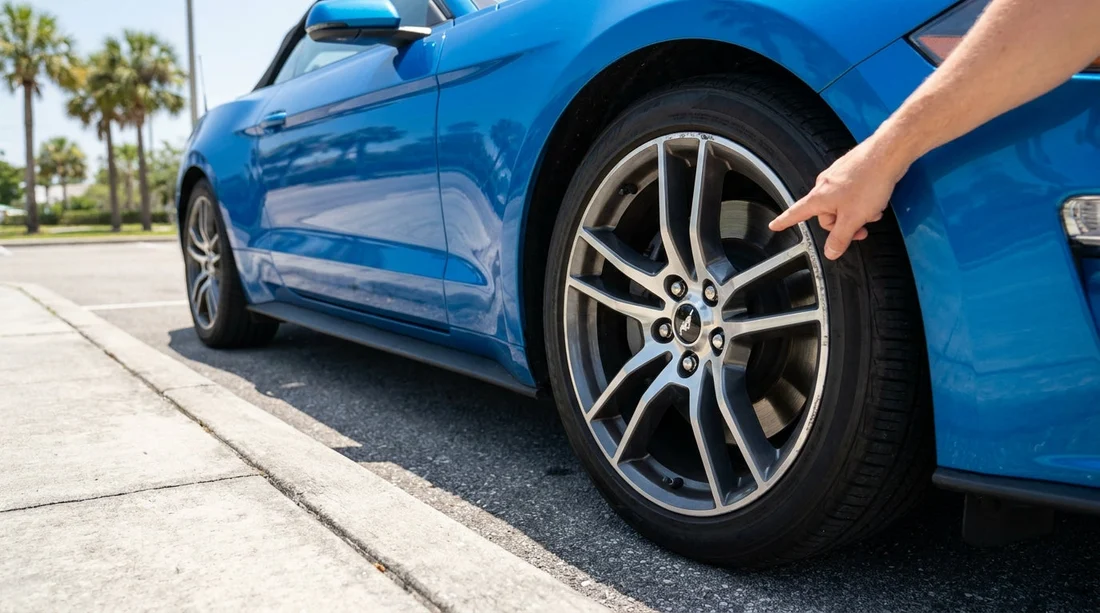
Kerb damage usually means superficial abrasion to the rim edge, sometimes called “rim rash”. It can also include deeper gouges, chips to the lacquered finish, or dents that affect wheel integrity. Rental companies often treat alloy wheel scuffs as chargeable damage because the wheel needs refurbishment, not just cleaning.
From a claims and billing perspective, wheel damage may be grouped with tyres and underbody components. That categorisation matters because many LDW documents include a broad “excluded parts” section that removes wheels and tyres from the waiver, even when body panels are covered.
Is wheel and rim scuffing typically included under LDW?
In many Florida rental agreements, standard LDW is likely to exclude damage to wheels, rims, tyres, and hubcaps. That means a kerb scuff can be billed to the renter even if you purchased LDW at the counter. Some packages advertise “LDW included” but still list wheels and tyres as excluded items. Other packages include wheel coverage only if you buy a higher tier product, sometimes described as “extended protection”, “premium”, or “plus”.
There are also situations where LDW can apply but with limits. For example, the waiver may cover wheel damage only when it is part of a wider accident report, or it may apply but still leave you responsible for a deductible. The only reliable way to know is to read the terms for the exact supplier and rate you are considering, including the exclusions section and any definitions of “damage”.
If you are collecting a vehicle in South Florida, you might be comparing locations such as downtown Miami car hire or beachfront pickup. The coverage rules do not change because of the neighbourhood, but the day to day risk of kerb contact can, so it is worth being stricter about what is and is not covered.
Common LDW wording that can exclude alloy wheels
Look for these patterns in the rental’s LDW or Damage Waiver terms:
“Tyres, wheels, rims, hubcaps excluded.” This is the clearest sign kerb scuffs will be chargeable.
“Excluded parts: glass, roof, underbody.” Wheels may be bundled into “underbody” or “running gear” even if not listed.
“Negligence or improper use.” Some contracts treat kerbing as avoidable and therefore excluded, particularly if the wheel is heavily gouged.
“Damage not consistent with collision.” This wording can be used to deny waiver application for isolated rim scuffs if there is no other damage.
“Administrative fees apply.” Even when LDW applies, some suppliers charge admin, appraisal, or loss of use fees unless they are explicitly waived.
Because the same brand can offer different inclusions by rate type, confirm the terms attached to your specific quote. If you are renting with a named supplier option, checking the supplier specific page can help you understand the product style you are likely to see at the counter, for example National car rental in Florida.
What to check before you confirm car hire in Florida
Before you decide which rental package suits you, focus on these checks that directly affect wheel scuff exposure.
1) Exclusions list and definitions
Find the section that lists excluded vehicle parts. If wheels or rims are excluded, assume kerb damage is not covered. If the language is vague, such as “mechanical parts excluded”, look for a definition of what the supplier considers mechanical.
2) Deductible or excess
Some LDW products reduce, rather than eliminate, your financial responsibility. If wheel damage is covered, confirm the deductible and whether it differs for wheels versus body damage.
3) Required reporting and paperwork
Some waivers require you to report damage promptly or file a police report for certain incidents. Kerb damage will rarely involve police, but contracts can still require immediate notification to avoid waiver invalidation.
4) Who provides the cover
LDW provided by the rental company is different from cover provided by a third party policy or a credit card benefit. Third party cover can reimburse you after you pay, but the rental desk may still charge your card first. This distinction matters if you want a predictable checkout experience.
If you are planning a family trip and considering a larger vehicle, the same checks apply to people hiring people carriers too. Wheel refurb charges can be higher on larger rims, so review terms carefully for options such as van rental in Miami.
How to reduce the risk of being billed for rim scuffs
Even with good coverage, prevention and documentation make a big difference.
Inspect and record wheel condition at pickup
Walk around the car slowly and check all four wheels. Alloy scuffs are often already present. Take clear photos of each rim, close enough to show marks, plus a wider photo showing which wheel it is. Ask the agent to record any existing scuffs on the inspection report, not just body panel marks.
Be realistic about curb exposure
Florida driving includes lots of parking lots, kerbed islands, and angled curb edges. If you are not used to a wider US vehicle, allow extra clearance and use mirrors carefully. Avoid scraping along curbs when parallel parking.
Wherever you pick up, compare like for like. For example, if you are weighing options around the Gulf Coast, you might look at Hertz car hire in Tampa and focus less on brand and more on the exact inclusions attached to your rate.
FAQ
Does LDW usually cover kerb rash on alloy wheels in Florida?
Often no. Many Florida rental agreements exclude wheels, rims, tyres, and hubcaps from LDW, so kerb scuffs can be billed separately.
Where do I find out if wheels and rims are excluded?
Check the LDW or Damage Waiver section of the rental terms, especially “Exclusions” and any definitions of covered parts. Look specifically for “wheels”, “rims”, or “tyres”.
If I bought LDW at the counter, can I still be charged for wheel damage?
Yes. If the LDW product you accepted excludes wheels or cosmetic damage, the supplier can charge for rim refurbishment even though you purchased LDW.
What should I do at pickup to protect myself from unfair wheel charges?
Photograph each wheel clearly, ensure existing scuffs are written on the inspection report, and keep copies of the paperwork. Do the same quick check at drop-off.
Is wheel and tyre protection the same as LDW?
No. Wheel and tyre protection is usually an additional product. It may cover punctures and rim damage, but you should confirm whether cosmetic kerb scuffs are included.






























































































