


Quick Summary:
- Assume tyres, glass and underbody are excluded unless explicitly stated.
- Check the waiver for exclusions, deductibles, and claims reporting requirements.
- Inspect wheels, windscreen and undercarriage, and photograph pre-existing damage.
- Ask how roadside tyre replacements are billed and whether admin fees apply.
CDW (Collision Damage Waiver) and LDW (Loss Damage Waiver) are designed to reduce what you pay if a car is damaged or stolen during a car hire. In Texas, as in much of the US, these waivers are not identical across brands, locations, and vehicle groups. The key detail is that many waivers focus on collision and theft, but quietly carve out specific parts of the vehicle and specific causes of damage. Tyres, glass and underbody are among the most common exclusions, so you should not assume they are covered just because you have “CDW/LDW”.
This matters in Texas because everyday driving can involve road debris, construction zones, rural roads, and occasional flash flooding. A cracked windscreen from a flying stone, a punctured tyre from a nail, or a scraped underbody from a steep driveway can happen without a classic “collision”. Whether the waiver responds depends on the exact wording you agree to at the counter and the conditions you follow.
If you are comparing options for car hire in Texas, it can help to review what is offered at the airport desks where you will collect the vehicle, for example car hire at Dallas DFW or car hire at Austin AUS. The same brand can still have variations in waiver wording, but knowing the pickup context makes it easier to ask the right questions.
What CDW and LDW usually mean in Texas
In US car hire, CDW and LDW are typically optional waivers offered by the rental company. They are not usually “insurance” in the regulatory sense, but a contractual agreement that the rental company will waive some or all of the damage costs that would otherwise be your responsibility. “Some or all” is crucial. A waiver can include a deductible (also called an excess), can exclude certain vehicle parts, and can be voided if you breach terms such as driving on unpaved roads or failing to report damage properly.
CDW often refers to damage to the rental vehicle due to collision. LDW is commonly broader, sometimes including theft and non-collision damage, but the naming is not consistent. The only reliable method is to read the waiver terms and ask for clarification on specific items like tyres, glass and underbody before you sign.
Do waivers usually cover tyres in Texas car hire?
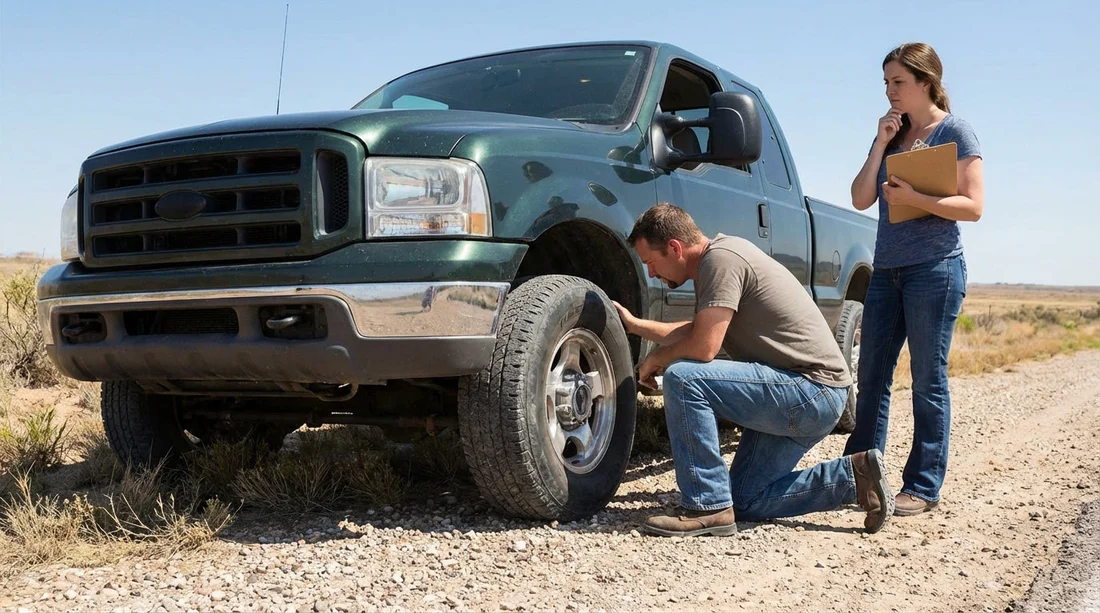
Tyre damage is frequently excluded or limited. Some policies cover tyres only if there is accompanying damage to other parts of the vehicle in the same incident, while treating a stand-alone puncture as the renter’s responsibility. Others exclude tyre sidewall damage, wheel rims, valve stems, and towing costs. Even when a waiver includes tyres, it may still allow the rental company to charge for loss of use, administrative fees, and roadside service.
What to verify on the terms sheet:
1) Tyres versus wheels. A waiver that mentions “tyres” may still exclude wheels, rims, hubcaps, and alignment. A pothole strike can damage both tyre and rim, so you want the wording to match real-world incidents.
2) Roadside assistance charges. Replacing a tyre can trigger a service call fee even if the tyre itself is covered. Ask whether the roadside programme is included, optional, or automatically added in some situations.
3) Any requirement to repair rather than replace. Some suppliers prefer a specific procedure, and charges can vary if you choose your own repair shop without approval.
4) Documentation requirements. If a tyre blows out, you may be expected to take photos, keep receipts, and report it promptly. Failure to follow the reporting steps can lead to a denial of the waiver benefit.
Do waivers usually cover glass and windscreens?
Glass is another area where exclusions are common. “Glass” can mean windscreen, side windows, rear window, mirrors, light lenses, and panoramic roof panels, and the waiver may treat these parts differently. A typical carve-out is that CDW covers collision body damage but excludes glass and mirrors unless you buy a separate glass protection product.
In Texas, windscreen chips are not rare on highways due to gravel and construction. A small chip can turn into a long crack after temperature swings, so it is wise to know whether chips are treated as damage and what thresholds apply for replacement.
What to verify:
1) Windscreen chip repair policy. Ask whether the supplier repairs chips without charging you, or whether any chip is chargeable. Clarify whether you must notify them immediately.
2) Mirrors and lights. Many waivers exclude mirrors and headlight or taillight lenses. Those items can be expensive, and damage can happen in parking lots without a “collision” report.
3) Theft and break-ins. If a window is smashed during a theft attempt, LDW might apply, but only if you meet conditions such as locking the car and filing a police report when required.
Where you collect the vehicle can influence how clearly these terms are presented. If you are picking up around Houston, check the paperwork carefully at the desk, for example when arranging Budget car rental at Houston IAH or other airport locations.
Do waivers usually cover underbody damage?
Underbody damage is among the most commonly excluded categories on CDW/LDW. “Underbody” can include the oil pan, transmission casing, exhaust system, catalytic converter shields, suspension components, and sometimes bumpers underneath the vehicle. Scrapes from steep driveways, damage from debris, or water intrusion from flooded roads can be treated as underbody damage, and many waivers either exclude it outright or exclude it when it results from prohibited use.
Texas has areas where roads can flood quickly. Driving through standing water can cause severe damage, and even if a waiver is otherwise generous, it may be voided for operating the vehicle in unsafe conditions. Also, some rental agreements prohibit driving on unpaved roads, beaches, or certain rural tracks. Underbody claims often lead to disputes because the rental company may argue the damage is consistent with off-road use.
What to verify:
1) “Prohibited use” language. Look for terms about unpaved roads, water crossings, off-roading, and misuse. Even a short distance on gravel to reach accommodation can be an issue under strict terms.
2) Inspection standards on return. Underbody damage may be discovered after return during a detailed inspection. Ask whether they inspect underbody at check-in, and if photos or a condition report is available.
3) Towing and recovery. Even if damage is waived, towing and recovery may not be. If you get stuck in mud or water, recovery fees can be substantial and can be excluded as “negligence” or “misuse”.
Common exclusions that can still leave you paying
Even when tyres, glass, or underbody are not excluded, CDW/LDW can have broader exclusions that effectively remove protection for those items in certain situations. The most common ones to check in Texas car hire contracts include:
Negligence or careless driving. If the supplier alleges you drove into a flooded area, ignored warning lights, or continued driving on a flat tyre, they may deny the waiver.
Unauthorised drivers. If someone not listed on the agreement was driving when the incident occurred, the waiver can be void.
Driving outside permitted areas. Some contracts restrict travel on certain road types or to certain regions. While Texas is large, many travellers plan multi-state routes. If you leave the permitted area, the waiver may not apply.
Failure to report. Many terms require prompt reporting of any damage, often immediately or within a set number of hours, and sometimes a police report for theft, vandalism, or incidents involving third parties.
Loss of use and administrative fees. Some waivers reduce the repair cost but still allow add-ons. Ask whether “loss of use”, “diminution of value”, and “admin fees” are waived or still charged.
What to check before you sign in Texas
Because CDW/LDW is a contract, your best protection is to treat the desk paperwork like a checklist. Here are practical items to confirm before you initial or sign:
Get the exclusions list in writing. Ask to see the section that mentions tyres, glass, mirrors, lights, roof, and underbody. If the agent summarises verbally, request the printed or on-screen wording that matches their explanation.
Confirm deductible and maximum liability. Some waivers have a deductible, others waive it entirely. Ensure you understand the amount in dollars and when it applies.
Ask how “damage” is defined. A chip, a scratch, or a scuff on a rim may be treated differently from a crack or a bend. Knowing the threshold can prevent surprises at return.
Understand roadside support for tyres. Ask whether a spare tyre is provided, whether the vehicle has run-flat tyres, or whether it comes with an inflator kit only. Also clarify who you call if you get a puncture.
Check local driving conditions. If you plan to visit rural areas, parks, or properties reached by gravel drives, ask whether those roads are permitted. This is particularly relevant if your itinerary includes areas beyond major city motorways.
If your trip includes a pickup in San Antonio or a one-way route across the state, it is still the waiver wording that matters. For reference on pickup points, see car hire in San Antonio SAT or, if you are collecting in Dallas with a specific supplier, Alamo car hire at Dallas DFW.
Inspection habits that reduce disputes
Most billing disputes do not come from dramatic crashes, they come from unclear pre-existing damage or unclear responsibility for small but pricey items like windscreens and wheels. A few habits can reduce the risk:
Photograph tyres and rims at pickup. Take clear photos of each wheel, including close-ups of existing scuffs.
Photograph glass in good light. Capture the windscreen from inside and outside. Small chips can be hard to see later.
Check the lower edges. Crouch and look along the front bumper lip and side skirts. While you cannot always inspect the entire underbody, you can document the vulnerable edges that scrape first.
Match the condition report. Ensure any visible damage is marked on the check-out report. If a digital report is used, ask for a copy or confirmation email.
Report incidents immediately. If you notice a new chip or puncture mid-rental, notify the supplier using the method specified in the agreement. Prompt reporting is often a condition of waiver benefits.
How to think about add-on protections
Rental desks sometimes offer separate protections for tyres and glass, and sometimes a broader package that includes underbody. Whether you need them depends on your risk tolerance and where you will drive. The important part is not the product name, but the covered items and the exclusions. A “full cover” sounding option can still exclude underbody, or cover glass but not mirrors, or include tyres but not rims.
If you already have coverage through a third party, such as a travel policy or a credit card benefit, compare it carefully to the rental company’s terms. Third-party coverage often reimburses you after you pay the rental company first, and it may have its own exclusions for tyres, glass, or underbody. Also check whether it covers fees beyond repairs, such as administrative charges or loss of use.
FAQ
Does CDW/LDW automatically cover windscreen chips in Texas? Not automatically. Many waivers exclude glass or treat chips as chargeable damage unless a specific glass cover is included in the terms.
If I get a puncture, will CDW/LDW pay for a replacement tyre? Often no, unless tyres are explicitly included. Even where included, roadside call-out fees or wheel damage may still be billed.
Is underbody damage usually excluded on Texas car hire waivers? Yes, underbody is frequently excluded or restricted, especially where prohibited road use or flooding is alleged.
What should I ask at the counter to confirm cover? Ask to see the written exclusions for tyres, wheels, glass, mirrors, lights and underbody, plus any deductible and reporting requirements.
Can the waiver be voided even if I bought LDW? Yes. Unauthorised drivers, off-road use, failure to report, or negligence claims can invalidate the waiver benefits.






























































































