


Quick Summary:
- Cashless toll cameras read the plate, then invoices reach the rental firm.
- You may pay tolls plus daily convenience charges or per-toll admin fees.
- Ask which toll option applies before pickup, and get it in writing.
- Keep dates, routes, and receipts to dispute duplicate or late-posted tolls.
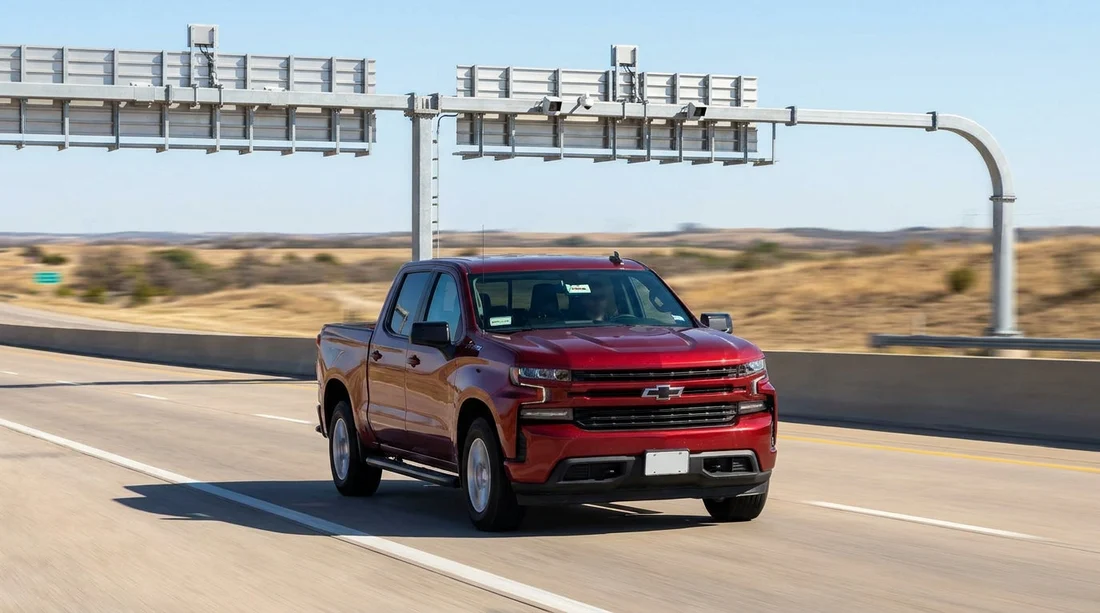
Texas uses many cashless toll roads, meaning there are no booths to stop at and pay with cash. Instead, gantries with cameras and sensors record your vehicle as you drive through, then the toll operator bills the vehicle owner of record. With a rental car, the owner of record is usually the rental company, so the bill typically reaches them first and then gets passed on to you under the rental agreement. Understanding that chain helps you avoid surprises, especially on trips around Austin, Dallas Fort Worth, Houston, and San Antonio where toll roads can be the fastest route.
For travellers arranging car hire in Texas, the key is that tolls often post after you return the vehicle. You may see separate charges days or even weeks later, depending on how quickly the toll authority invoices the rental company and how often the rental company processes toll transactions. If you are collecting at major airports, ask about toll handling at the counter or in your pre-arrival documents, for example at Houston IAH or Fort Worth DFW.
How cashless tolls in Texas bill a rental vehicle
Most cashless systems use licence plate billing when no toll tag is detected. Cameras capture the number plate, software matches it to a vehicle record, and the toll authority generates an invoice to the registered owner. Rental fleets are registered to the rental company or a fleet management partner, so the first invoice rarely goes straight to the driver.
Once the rental company receives the toll transaction, they allocate it to your contract by matching the plate, vehicle ID, and your rental dates and times. That allocation step is where extra charges may arise. Some companies treat toll processing as an administrative service, others bundle it into an optional toll programme, and some offer both, depending on location and brand.
Common toll payment options offered with car hire
Although details vary by provider and location, most rental toll handling falls into a few patterns. Before you drive away, confirm which one applies to your contract.
1) Rental company toll tag or toll programme
Some rentals include or offer a windscreen transponder or a digital toll service linked to the vehicle. When the transponder is active, tolls are usually charged at the electronic tag rate rather than the higher pay-by-plate rate. You may also pay a daily convenience fee for any day you use tolls, or for each day of the rental if you opt in. Read the exact wording, because “per day used” and “per day of rental” can differ significantly.
2) Toll-by-plate pass-through after the rental
If no toll tag is used, the toll authority typically bills the rental company by plate. The rental company then bills you for the toll amount plus an admin fee or processing fee per toll, per invoice, or per rental agreement. This is the model most likely to create a string of small extra charges after your trip.
3) Using your own toll tag
Some drivers bring their own tag from another vehicle. Whether this works depends on the tag type and whether it is portable. Also consider that the toll authority may associate the plate with the rental car, not your personal car, if the system relies on plate matching. If you plan to use your own device, confirm compatibility and rules before your trip and ensure it is mounted correctly. If the tag fails to read, the trip can still bill by plate and trigger admin fees through the rental company.
4) Avoiding toll roads
In Texas, avoiding tolls is often possible but may add time, especially at peak hours. Navigation apps can be set to avoid tolls, yet they may still route you onto tolled express lanes or managed lanes if settings change or if the map classifies a road differently. If you are cost sensitive, double-check routes before entering ramps marked “Toll” or “Express”. This can be particularly relevant for airport transfers and cross-city trips, such as journeys starting at Austin AUS or San Antonio SAT.
What fees can apply, and why they exist
Beyond the toll itself, several fee types can appear on a rental bill. Not every company charges all of these, but these are the most common categories to recognise when reviewing terms.
Administrative or processing fees
This covers the cost of matching toll transactions to a rental agreement and billing the renter. It may be charged per toll event, per day with toll usage, or as a flat fee per billing period. Because cashless tolling generates many small transactions, per-toll fees can add up quickly if you commute on toll roads daily.
Convenience or service fees for toll programmes
If you opt into a toll programme, you may pay a daily charge. Some programmes charge only on days you incur tolls, while others charge for every day of the rental once selected. If you plan to use toll roads only once, a daily programme may cost more than toll-by-plate. If you expect heavy toll use, a programme may reduce admin fees and often avoids the higher plate rate.
Higher toll rates for pay-by-plate
Toll authorities frequently set a higher price for billing by plate versus using a tag. Even without a rental company fee, the underlying toll might be more expensive. With a rental, you can be exposed to both the higher toll rate and the processing fee.
How to choose the right toll option before pick-up
The best choice depends on how and where you will drive. Use these practical checks to set expectations early and reduce the chance of unexpected billing.
Estimate how often you will be on toll roads
If you are mainly staying in one area and can avoid tolled routes, you might choose to decline toll programmes and rely on toll-free roads. If you will be crossing metro areas at busy times, toll roads can save time, and a toll programme may be worth it.
Ask how fees are calculated
Specifically ask whether charges are per toll, per day used, or per day of rental. Also ask whether tolls will be billed at tag rates or pay-by-plate rates. These details matter more than the headline label of “toll service”.
Clarify when and how charges appear
Tolls may not show on the final receipt at return. Ask the expected posting window and what the transaction description will look like on a card statement. If you use a corporate card or need expense reports, request guidance on how to obtain itemised toll details.
Check who can drive
Additional drivers should be authorised. If an unauthorised driver uses toll roads and a dispute arises, it can complicate the timeline and evidence needed to resolve it.
FAQ
Do I pay Texas tolls at the counter when I return the car? Usually not. Cashless tolls are often billed later, once the toll authority invoices the rental company and the charges are matched to your agreement.
Why can my statement show more than just the toll amount? Many rental agreements allow pass-through of tolls plus an admin, processing, or convenience fee for handling cashless toll transactions.
Is a toll programme always cheaper than toll-by-plate? Not always. A daily convenience fee can outweigh a few occasional tolls, but frequent toll use may reduce higher pay-by-plate rates and per-toll admin charges.
How long after my trip can toll charges appear? It varies, but it is common for toll charges to post days or weeks after return due to invoicing and processing timelines.
What should I do if I think a toll charge is incorrect? Request an itemised breakdown from the rental company, compare it with your rental dates and route, and raise a dispute promptly with supporting details.




























































































