


Quick Summary:
- Bay Area bridges use electronic tolling, so plate billing may apply.
- Ask which toll plan your car hire includes, plus daily fees.
- Confirm transponder status, licence plate details, and the billing timeline.
- Keep crossing notes and query unexpected admin fees quickly after your trip.
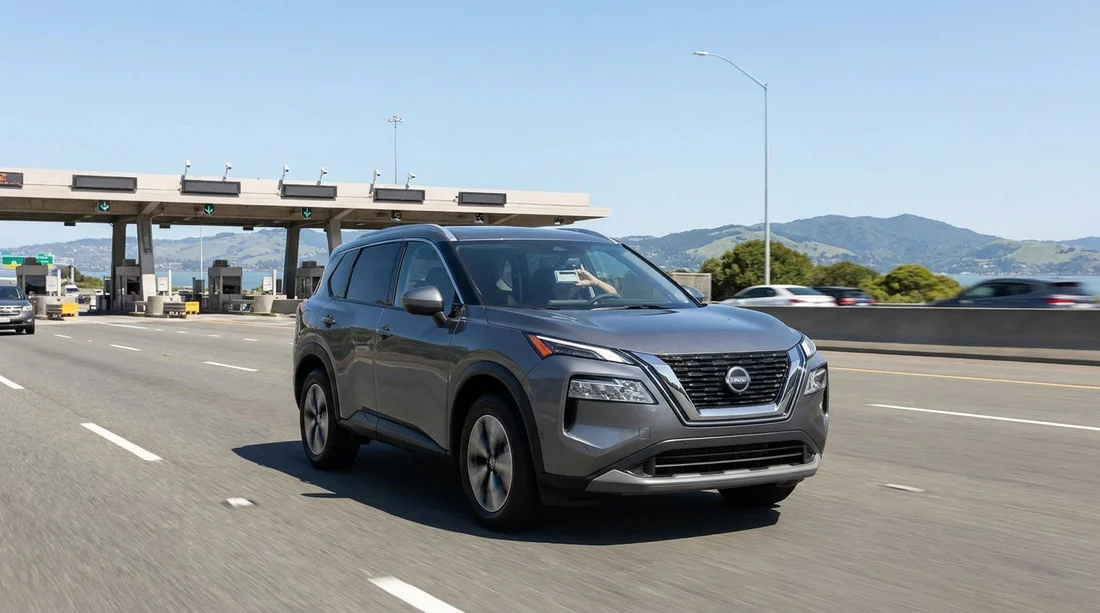
Driving around San Francisco often means crossing a bridge, and bridge tolls are not handled the way many visitors expect. In the Bay Area, tolling is now electronic-only on the major toll bridges, so you do not stop to pay cash. Instead, your crossing is captured automatically, and the charge is routed through the vehicle’s toll tag or licence plate. With car hire, that can be convenient, but it is also a common source of surprise fees if you do not confirm how the rental company processes tolls.
This guide breaks down what “electronic-only” really means, how toll charges flow from bridge to rental company to you, and what to ask at the counter before you drive off.
Which Bay Area crossings charge tolls, and when you pay
Most Bay Area toll bridges charge only in one direction, typically when travelling westbound into San Francisco. For example, on the Bay Bridge you pay when coming from Oakland into the city, but not when leaving San Francisco. The Golden Gate Bridge also charges tolls in the southbound direction into San Francisco. These details matter because they affect how many charges you should expect on your receipt later.
Because tolling is automated, you will not receive a paper ticket at a booth. The system records a toll event tied to the car’s toll tag (if active) or the licence plate. That event is then billed through whichever method is on file for the vehicle, and with car hire that method is usually controlled by the rental company’s toll programme.
What “electronic-only tolling” means for car hire in San Francisco
Electronic-only tolling means: no cash lanes, no human attendant, and no option to pull over and pay later at the bridge. Cameras and sensors capture your crossing. If the vehicle has an enabled transponder, the toll is charged to that account. If not, the bridge operator will use licence plate recognition and send an invoice to the registered owner, which is the rental company.
For renters, the key point is that tolls rarely hit your payment card immediately. Instead, you may see charges days or even weeks after your trip, depending on the bridge operator’s processing time and the rental company’s billing cycle. That delay can make it harder to recognise what a charge is for, which is why it helps to track your crossings as you go.
Common rental toll options, and how costs add up
Car hire companies typically offer one of these arrangements:
1) Toll pass or toll service plan (often daily)
Some rentals include, or offer as an add-on, a plan that allows tolls to be billed seamlessly through a tag in the car. You usually pay a daily fee for each day the plan is active, plus the tolls themselves. This can be good value if you expect multiple tolled crossings on several days, but it can be expensive if you only cross one bridge once.
2) Pay-by-plate with an admin or convenience fee
If no toll plan is activated, the rental company may still process tolls billed to the licence plate and then charge you the toll plus an admin fee per toll event, or per billing period. This is where one quick bridge crossing can cost more than expected.
3) Customer-managed payment (less common on rentals)
In some locations and situations, renters can register and pay tolls themselves, but this is not always possible or practical in a short visit because the vehicle plate is not yours, and the rental company may prohibit altering toll tag settings.
The exact names vary by provider, but the cost structure is what matters: daily plan fees versus per-toll admin fees. Before you choose, estimate your likely crossings.
If you are collecting at the airport, it helps to decide this at the counter rather than after you have already crossed a bridge. For travellers picking up near San Francisco International Airport, see car rental San Francisco SFO and, for people arriving internationally, car hire at San Francisco airport (SFO).
What to confirm at the counter to avoid surprise fees
Use these counter questions as a checklist. They are simple, but they prevent most toll-related disputes later.
Ask whether the vehicle has a transponder and how it is set. Some cars have a toll tag mounted to the windscreen. Confirm if it is active by default, and whether it is linked to a rental toll programme. If the tag has settings, ask whether you should change anything, and do not move or tamper with it unless staff instruct you to.
Ask how you will be charged if you do nothing. Get a clear answer on the default: will tolls be billed by plate, and what admin fees apply. If there is a no plan selected scenario, ask for a written description or point to the relevant clause in the rental agreement.
Clarify daily fees and when they trigger. If a toll plan is daily, ask what counts as a billable day. Is it each calendar day you drive, each rental day, or each day you incur a toll. A plan that triggers on the first toll of a day may be reasonable, but you should know the rule.
Confirm the billing timeline. Ask how long after return you might see toll charges, and whether you will receive an itemised statement. This helps you match toll events to your travel dates.
Confirm that your contact details are correct. If the rental company emails toll receipts or invoices, ensure they have the right email address. This reduces the risk of missing a notification and then being surprised when the charge appears on your card statement.
If your trip needs extra space, it can help to understand toll billing on larger vehicles too, since you may choose options like minivan rental San Francisco SFO or van rental San Francisco SFO.
How to track your tolls during your trip
Because toll charges may arrive later, keep a simple note on your phone with the date, approximate time, and which bridge you crossed. You do not need perfect detail, just enough to recognise charges and spot anything that does not look right.
Also keep an eye on navigation routes. Some apps will default to the fastest route, which may include tolled crossings. If you want to minimise tolls, you can often toggle avoid tolls, but be aware that this can add significant time in Bay Area traffic.
Disputes, duplicates, and post-trip charges
If you believe you were charged incorrectly, act quickly. Gather your rental agreement, your crossing notes, and any toll statement the rental company provides. Common issues include duplicates, charges after you returned the vehicle, or tolls that do not match your route.
When you return the car, confirm the return time and keep the final receipt. If a toll shows up weeks later, that receipt helps demonstrate when your responsibility ended.
FAQ
Do I need to stop and pay a toll when crossing Bay Area bridges in a rental car?
No. Major Bay Area toll bridges are electronic-only, so the toll is captured automatically and billed via a tag or the licence plate.
Will I be charged immediately for a bridge toll in San Francisco?
Usually not. With car hire, tolls often appear after your rental, once the bridge operator invoices and the rental company processes charges.
What is the difference between a daily toll plan and pay-by-plate?
A daily plan typically adds a per-day service fee plus tolls, while pay-by-plate usually adds the toll plus an admin fee per toll or billing period.
How can I avoid surprise toll fees on my rental agreement?
Before leaving the counter, confirm the default toll method, all service or admin fees, whether a transponder is active, and when charges will post.
What should I do if a toll charge appears after I returned the car?
Check the date range and your return receipt, then ask for an itemised toll statement. Delayed billing is common, but disputes are easier with documentation.




























































































