


Quick Summary:
- LDW usually covers the rental vehicle, not personal belongings left inside.
- Stolen bags from the car are typically excluded unless PEC applies.
- PEC or travel insurance can help cover phones, laptops, and passports.
- Report theft quickly, document forced entry, and keep receipts for claims.
If you are planning a Florida trip and arranging car hire, it is sensible to ask whether Loss Damage Waiver (LDW) will protect your personal items if thieves target the vehicle. The short, practical answer is that LDW is designed to deal with the rental car itself, not what you leave inside it. Understanding that distinction can prevent surprises at the counter and help you choose the right additional protection for valuables.
If you are comparing options for car hire in Florida (Miami), it helps to separate three different categories: (1) damage to the hire car, (2) theft of the hire car, and (3) theft of your belongings from the hire car. LDW generally addresses the first two categories. The third usually needs a different product, typically Personal Effects Coverage (PEC) or a suitable travel insurance policy.
What LDW actually covers in Florida car hire
LDW, sometimes shown as CDW or a similar waiver, is primarily about the financial risk tied to the vehicle. In plain terms, it usually reduces or removes what you would otherwise owe if the hire car is damaged or stolen, subject to the agreement’s conditions. That can include collision damage, vandalism, and theft of the vehicle itself. Some rentals still apply an excess, while others offer a zero-excess option.
Also remember that even where LDW applies, you may still be responsible for certain fees that are not “damage” in the strict sense, such as administration costs, towing not related to covered events, or loss-of-use charges depending on the rental terms. Always check the wording given with your confirmation and at the desk, especially if you are picking up from a major hub such as Orlando Airport car rental (MCO).
Does LDW cover personal belongings stolen from the car?
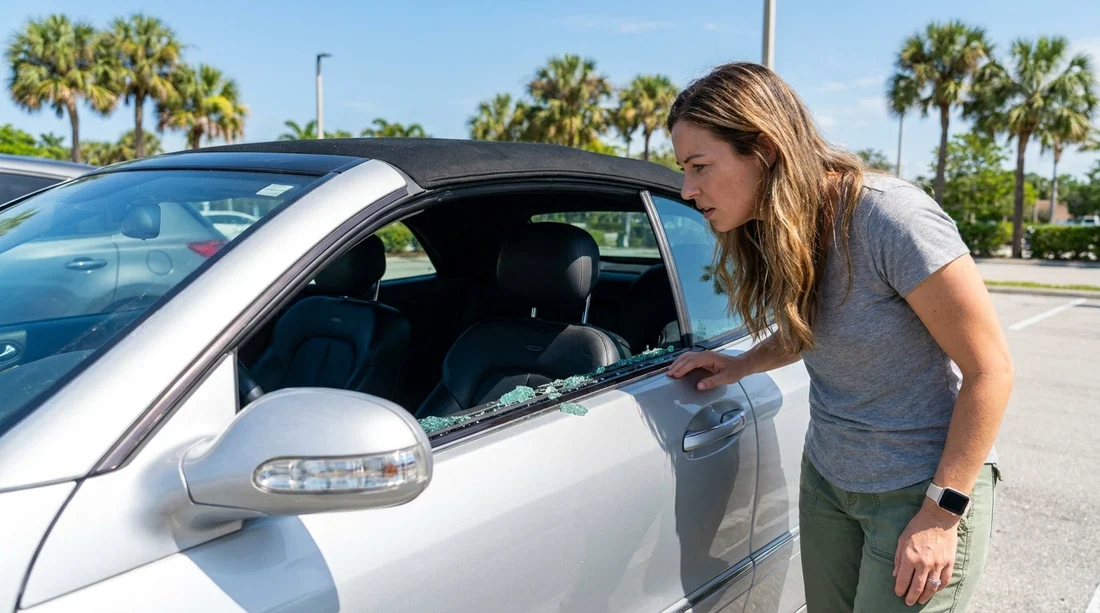
Typically, no. LDW usually does not cover phones, laptops, cameras, luggage, passports, or shopping left in the vehicle. If a thief breaks a window and takes a bag, LDW may address the window damage to the hire car, but it generally does not reimburse the contents taken from inside.
This is the most common misunderstanding in car hire: people hear “theft” and assume it includes theft of items. In most rental agreements, theft coverage means theft of the vehicle or theft-related damage to the vehicle. Your belongings are treated separately, and you are expected to protect them by not leaving them visible, locking the vehicle, and taking valuables with you.
Common LDW exclusions that affect theft situations
Even when the incident is clearly theft, LDW can have exclusions or conditions that you must meet. These vary, but the themes are consistent across Florida car hire agreements.
Negligence or failure to safeguard the car. Leaving keys in the vehicle, leaving it running, or leaving it unlocked can invalidate theft protection for the car itself. If the vehicle goes missing and the keys were left accessible, you may be liable.
Unattended vehicle rules. Some terms require reasonable care when the car is unattended, such as parking in lawful areas and securing windows. This is especially relevant in tourist-heavy districts and nightlife areas, for example around locations linked to van hire in Brickell.
Personal property exclusions. LDW generally excludes personal effects. Even if a “theft” claim is accepted for the vehicle damage, personal belongings remain outside the waiver.
When PEC is the right add-on for items left in the car
Personal Effects Coverage is the option most directly aimed at belongings. If you will be carrying valuables during your Florida trip, PEC can be useful because it may cover loss or theft of personal property from the rental vehicle, subject to limits and conditions. It is not unlimited, and it is not a licence to leave things on display, but it can fill the gap that LDW leaves.
PEC can be particularly relevant if your itinerary involves frequent stops and you cannot always bring everything with you, such as theme park days, beach days, or multi-stop road trips. Families choosing larger vehicles, such as those considering minivan rental in Coral Gables, often carry more bags, which can increase the temptation for smash-and-grab theft if items are visible.
What to do immediately if belongings are stolen from your Florida rental car
How you respond can affect both the vehicle damage claim under LDW and any belongings claim under PEC or travel insurance. Take these steps promptly and calmly.
1) Get to a safe place and assess the situation. If there is broken glass or signs the thief may still be nearby, move away and prioritise safety.
2) Call local law enforcement and obtain a police report. This is commonly required for theft claims. Ask for the report number and how to obtain a copy.
3) Document everything. Photograph broken windows, disturbed interiors, and the parking location. Make a written list of stolen items with approximate values and any identifying details.
4) Contact the rental provider. Follow their instructions for repairs, vehicle swap, and incident reporting. Keep copies of all communications.
5) Contact your insurer(s). If you have travel insurance, notify them as required by the policy. If you added PEC, follow the claims process and keep receipts for emergency purchases if they are covered.
Even if LDW will likely cover the glass or door damage, you should still treat the event as a theft incident with proper reporting. Missing documentation is one of the most common reasons that claims get delayed or declined.
Practical ways to reduce the risk of theft from your hire car
Insurance helps, but prevention is better. These habits are especially useful in Florida where you may park in busy, unfamiliar areas.
Keep items out of sight. Do not leave bags on seats, even for a short stop. If the car has a boot, store items there before you arrive, not after you park.
Take essentials with you. Passport, wallet, phone, keys, and medications should stay on your person. If you are carrying multiple devices, consider a small day bag you can keep with you.
Choose parking thoughtfully. Prefer well-lit areas with regular footfall. Avoid leaving the car overnight with luggage inside.
Know your cover before you travel. Understanding LDW versus PEC versus travel insurance prevents panic and rushed decisions after an incident.
Before you finalise your Florida car hire, read the rental terms and confirm any unclear points, especially exclusions relating to theft, unattended vehicles, and documentation requirements. If you want to compare providers for different parts of the region, you can also review options such as Thrifty car rental in Fort Lauderdale (FLL).
FAQ
Does LDW cover stolen luggage from a rental car in Florida? Usually not. LDW generally applies to damage to, or theft of, the rental vehicle itself, not personal belongings taken from inside.
If a thief breaks a window, will LDW cover the broken glass? Often yes, provided the incident meets the LDW conditions and is reported correctly. The stolen items themselves are typically not covered by LDW.
What is PEC, and do I need it for a Florida trip? PEC is Personal Effects Coverage that may cover personal belongings stolen from the rental vehicle, subject to limits and conditions. It can help if you travel with valuables or cannot avoid leaving items in the car.
Can travel insurance cover theft from a hire car? Many policies can, but they often require forced entry evidence, a police report, and compliance with rules about leaving items unattended. Check your policy’s wording about theft from a motor vehicle.
What should I do first if my belongings are stolen from the car? Get safe, report the theft to police, document the scene and missing items, then notify the rental provider and your insurer(s) promptly to meet reporting requirements.




























































































