


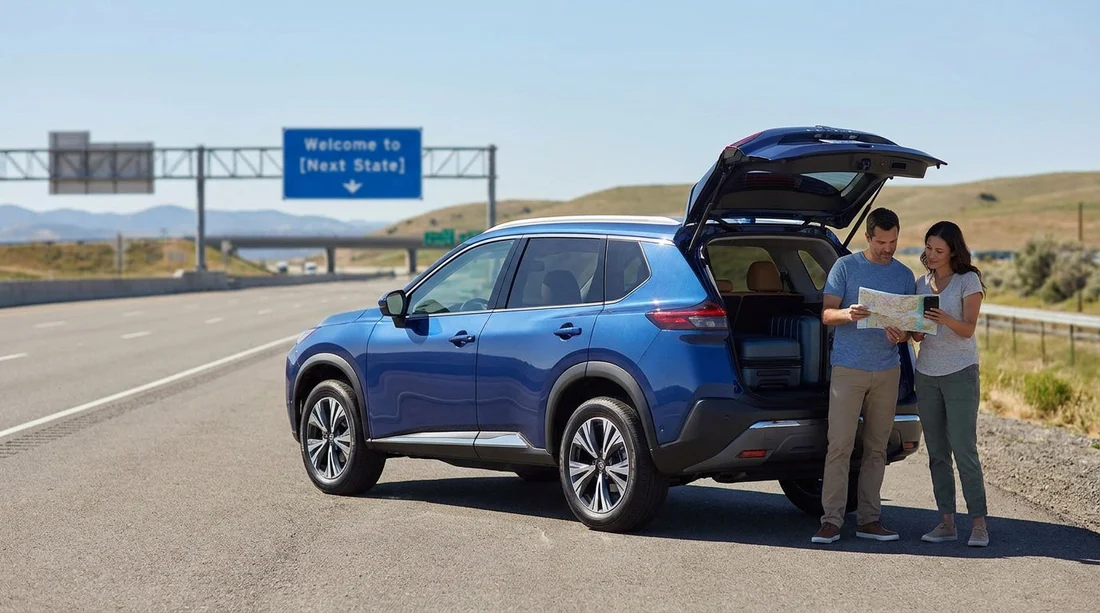
Quick Summary:
- Read your agreement for interstate permission, notification rules, and return requirements.
- Confirm mileage limits, one-way fees, toll policies, and admin charges.
- Verify insurance and roadside assistance remain valid outside Texas state lines.
- Ask about restricted areas, border clauses, and vehicle class limitations.
When arranging car hire in Texas, many travellers assume they can simply drive into a neighbouring state without doing anything special. Often that is true, but not always. Whether you need “approval” depends on the rental company, the vehicle type, where you are going, and what your rental agreement says about out-of-state use.
The good news is that most major rental providers allow interstate travel across the continental United States. The important part is confirming the conditions before you leave the lot, because some rules only show up in the small print, and the cost of getting it wrong can be high.
Do you need approval to cross state lines from Texas?
In many cases, you do not need a separate written approval to cross state lines. However, you may need to meet stated conditions, such as travelling only within permitted states, keeping the vehicle for a minimum rental period, or returning it to an approved location.
Some companies require you to disclose your intended destination when you pick up the vehicle, particularly if you are planning a long trip, leaving the region, or arranging a one-way drop-off. Even when it is not mandatory, it is sensible to confirm interstate driving is allowed for your exact reservation and car group.
If you are collecting at a major hub such as Dallas DFW or Austin AUS, staff usually see plenty of interstate itineraries. The key is ensuring your contract matches your plan, rather than relying on assumptions.
Where cross-state restrictions can apply
Interstate rules are not the same as international border rules, but there are still restrictions that can apply within the US. These are the most common areas to check before you drive from Texas into another state.
1) Vehicle type and class restrictions
Higher-value vehicles, specialty models, large SUVs, passenger vans, and some premium categories may have tighter permitted-use rules. For instance, a minivan used for a family road trip can have different conditions than a compact car booked for city driving.
If you are arranging a people carrier from a major airport location like Houston IAH, check whether the terms mention regional travel limits, maximum distance from pick-up location, or special insurance requirements for certain vehicle classes.
2) One-way rentals and return-location limitations
Crossing state lines is usually permitted even if you return to Texas. The situation changes when you want to drop the car in another state. A one-way rental may be allowed, but it can involve different pricing, limited availability, and specific return points.
Even when a one-way drop is permitted, the agreement might require that you pre-arrange it. If you simply decide mid-trip to leave the vehicle elsewhere, you risk extra charges, a breach of contract, or both. If there is any chance your plans will change, it is worth confirming flexibility before collection.
3) Border regions and “restricted areas” clauses
Many renters worry about the Texas border. Interstate travel is not the same as crossing into Mexico, which is often restricted or prohibited without special documentation. Your agreement may include clauses about border areas, travel into Mexico, or operation near international borders.
For example, a trip starting at El Paso ELP may involve routes that run near the border for long stretches. If your rental terms limit travel into Mexico or require written permission for international travel, ensure you understand where the line is and whether there are any operational restrictions in nearby areas.
4) Tolling, ticket handling, and administrative fees
Driving into another state can change how toll roads are handled and what you pay. Texas has extensive toll networks, and nearby states have their own systems. Your rental agreement may specify how tolls are billed, whether a toll programme is optional or automatic, and what administrative charges apply for each toll or violation processed.
Similarly, parking tickets and traffic citations do not disappear because you crossed a state line. The rental company can charge an administrative fee for processing, in addition to the fine. Before you depart, understand the toll and violation policy, especially if your route includes multiple metro areas.
5) Mileage rules and long-distance travel
Many US rentals come with unlimited mileage, but not all. If your car hire includes a mileage cap, interstate travel can add distance quickly, particularly with Texas-sized driving days. Check whether your rate includes unlimited miles, how overage is charged, and whether certain discounted tariffs have different mileage conditions.
Also look for language about “excessive wear” or maintenance responsibilities if you are planning a very long loop across several states. You are not expected to service the car for normal use, but you should know what to do if a warning light appears or a tyre issue occurs far from the pick-up point.
What to check in your rental terms before leaving Texas
To avoid surprises, review the agreement and the rental provider’s terms and conditions. Focus on the parts that directly affect interstate trips.
- Permitted use area: Look for wording such as “continental US only” or “neighbouring states permitted”.
- Prohibited use: Off-roading, unpaved roads, or certain regions may be excluded.
- One-way policy: Confirm drop-off location, one-way fees, and whether changes are allowed.
- Insurance validity: Ensure cover applies in other states and meets your needs.
- Roadside assistance: Confirm how to get help out of state, and what is included.
- Additional driver rules: Long road trips often involve swapping drivers, so check requirements.
Note that you should not rely on a general statement like “interstate travel allowed” if the contract contains a more specific restriction for your car class or location. The contract you sign at collection controls what is permitted.
Practical steps to avoid issues on an interstate road trip
Even if approval is not required, a few checks can prevent stress later.
First, confirm your intended route does not cross into Mexico, as that typically requires different paperwork and may not be allowed. Second, take a few minutes at pick-up to inspect the car and ensure any existing damage is recorded, especially if you expect gravel, construction zones, or heavy weather along the way. Third, save the rental company’s roadside number in your phone and keep your agreement accessible, as you may need the contract number if you call from another state.
Finally, if your trip starts or ends at an airport, keep in mind that each location can have its own operational rules. For example, a rental collected at San Antonio SAT may have different one-way options and vehicle availability than a downtown branch, even with the same brand.
FAQ
Do I need to tell the rental company if I plan to leave Texas? Often no, but you should check the permitted-use area in your agreement. If you are doing a one-way drop-off or using a specialty vehicle, informing them is usually wise.
Can I drive a Texas rental car into any other US state? Many rentals allow travel across the continental US, but some restrict certain areas or require compliance with specific conditions. Always verify the contract language for your booking and vehicle class.
Will my insurance still cover me in another state? Typically yes, but the details depend on the type of cover you have and the exclusions in the policy. Confirm that your coverage and roadside assistance remain valid for your route and duration.
Are one-way rentals across state lines allowed from Texas? They can be, but availability and fees vary by provider and location. One-way travel usually must be arranged in advance, with the correct return location listed on the contract.
What happens if I accidentally break an out-of-state restriction? It can lead to extra charges, voided coverage, or liability for damages depending on the breach. If you realise mid-trip, contact the rental company immediately and follow their guidance.




























































































