


Quick Summary:
- Read ACRISS left to right, category, doors, transmission, air-con.
- CDAR means compact, four doors, automatic, air-conditioned rental car.
- IDAR means intermediate, four doors, automatic, air-conditioned, more space.
- Match code to luggage, passengers, hills, and long California drives.
When comparing car hire options in California, you will often see a short four-letter code beside each vehicle group, such as CDAR, IDAR, or even something longer in the description. These are ACRISS codes, used across many rental brands to standardise what sort of car category you are paying for, even when the exact make and model may vary.
Understanding ACRISS codes helps you avoid common mismatches, like expecting a larger boot, assuming a manual gearbox, or forgetting how much California heat makes air conditioning feel non-negotiable. It is especially useful for airport pickups where you want to get on the road quickly.
If you are comparing airport locations, the same ACRISS code should broadly indicate the same type of vehicle whether you are collecting near Los Angeles, San Francisco, or San Diego. You can review location-specific options on pages like Los Angeles LAX car hire or San Francisco SFO car hire while using the code as your quick decoding tool.
What is an ACRISS code in car hire?
ACRISS is an industry standard that describes a rental vehicle group using four characters. Think of it as a shorthand specification. The code tells you:
1st letter: vehicle category (size and sometimes type)
2nd letter: doors and body style (and sometimes drivetrain cues)
3rd letter: transmission and drive type
4th letter: fuel type and whether air conditioning is included
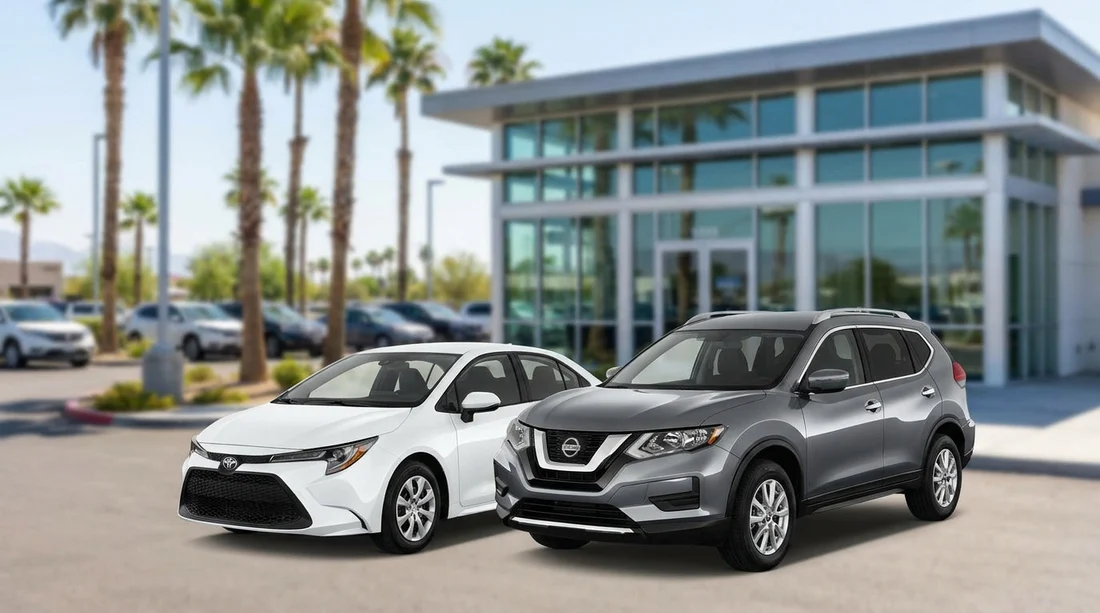
This means CDAR and IDAR are not model names, they are categories. One company may fulfil CDAR with a Toyota Corolla, another with a similar compact sedan. Your focus should be whether the group fits your trip, not the badge.
How to decode each letter (with California in mind)
First letter, category: This broadly indicates size, such as Mini, Economy, Compact, Intermediate, Standard, Fullsize, Premium, Luxury, or Special. In California, category matters most for passenger comfort on longer freeway drives and for luggage capacity if you are doing airport to coast to desert routes.
Second letter, doors and body style: This often indicates whether it is a 2-door or 4-door car, but it can also indicate wagon, SUV, convertible, or special body types depending on the letter. If you are travelling with a child seat, or you expect regular rear-seat access, door count is not a minor detail.
Third letter, transmission and drive: A is commonly automatic, M is manual, and some codes include 4WD or AWD. In California, automatic is the norm, and if you are heading into mountain areas or winter conditions, you may prefer AWD where available, but remember that AWD is not the same as having winter tyres.
Fourth letter, fuel and air conditioning: Many common codes end with R, which typically means air-conditioned. If the last letter indicates no air conditioning, that is a major comfort and safety consideration in many parts of California for much of the year.
What does CDAR mean?
CDAR breaks down as:
C = Compact category
D = 4-door (common compact saloon)
A = Automatic transmission
R = Air conditioning
In plain English, CDAR is a compact, four-door, automatic, air-conditioned car. It is often a good fit for one to two adults with light luggage, city driving, and short-to-medium distances. In California, it can also be a sensible choice if you want easier parking in busy areas and better fuel economy for day trips.
What does IDAR mean?
IDAR breaks down as:
I = Intermediate category
D = 4-door
A = Automatic transmission
R = Air conditioning
IDAR is an intermediate, four-door, automatic, air-conditioned car, typically offering more shoulder room and boot space than a compact. For California road trips, intermediate can feel noticeably more relaxed at freeway speeds, and it can handle multiple suitcases more comfortably.
If you are landing and driving straight out, it is useful to compare intermediate groups at major hubs like San Diego SAN car hire, where people often mix city driving with coastal and inland day trips.
Common ACRISS letters you will see, explained simply
While there are many ACRISS codes, a few patterns show up repeatedly in typical California car hire searches.
Category letters (first position) you may notice: E often signals economy, C compact, I intermediate, S standard, F fullsize, P premium, L luxury. Special categories exist too, but the listing will usually also describe the vehicle style.
Door or body letters (second position) that affect practicality: D often indicates 4-door, B can indicate 2-door, W may indicate estate, and V can indicate passenger van in some groupings. The important part is to read the listing text alongside the code. If your group is described as an SUV or van, the second letter is pointing to that body style rather than a simple door count.
Transmission letters (third position) that avoid surprises: A is automatic, M is manual. If you specifically need automatic, check this letter first, because the rest of the code can look perfect while hiding a manual gearbox.
Air conditioning indicator (fourth position): R generally indicates air conditioning is included. If you ever see a code that does not include air conditioning, treat it as a serious comfort compromise for much of California.
How to use ACRISS codes to choose the right car hire in California
1) Start with passengers and luggage, then pick the category. Two people with two carry-ons may be fine in compact, but four people with checked bags will likely need intermediate or larger. If you are collecting at a busy airport like Santa Ana SNA car hire, knowing your category target can save time at the counter and reduce the risk of paying for an unwanted upgrade.
2) Use the door code to avoid daily annoyances. A 2-door can be workable for a couple, but it becomes tiring if you have rear passengers, frequent stops, or child seats.
3) Confirm automatic if you are expecting it. Most California rentals are automatic, but not all listings are. ACRISS makes it visible, so you do not rely on assumptions.
4) Treat air conditioning as essential unless you have a strong reason not to. Even coastal areas can warm up, and inland destinations can be very hot. If the fourth letter suggests no air conditioning, consider whether that matches your comfort needs.
5) For group travel, recognise when a car is not enough. Families or groups may be better served by a people carrier or minivan category rather than squeezing into a saloon. If that sounds like your trip, you can compare options on minivan hire in San Jose SJC and use the ACRISS code to sanity-check doors, transmission, and air conditioning.
What ACRISS codes do not guarantee
ACRISS codes are useful, but they are not a promise of an exact vehicle. You are booking a category, so the brand, model, engine size, and even some specific features can vary. Also, the code does not reliably tell you about driver-assist tech, USB ports, Apple CarPlay, or boot shape, which can matter when you have bulky luggage.
If you have a non-negotiable requirement, like AWD for certain routes or a specific seating configuration, read the vehicle group description carefully and consider contacting the supplier for confirmation. Use ACRISS as the first filter, then confirm the fine print.
FAQ
What does CDAR mean in car hire? CDAR means a compact category car with four doors, automatic transmission, and air conditioning. It is a common compact saloon group.
What does IDAR mean when renting a car? IDAR indicates an intermediate category, four-door, automatic, air-conditioned car. It is usually roomier than compact, especially for luggage.
Do ACRISS codes guarantee the exact make and model? No. ACRISS codes describe the vehicle group, not a specific model. You should expect a similar car to the examples shown, but substitutions are normal.
How do I check if my rental car has air conditioning? Look at the fourth letter of the ACRISS code. Codes ending in R typically indicate air conditioning is included, which is important for California driving comfort.
Why do the same ACRISS codes appear at different California airports? The code is a standard classification used across locations and suppliers. It helps you compare equivalent car hire categories even when local fleets differ.




























































































